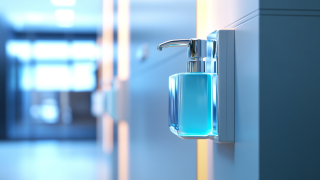
 Bathroom Application
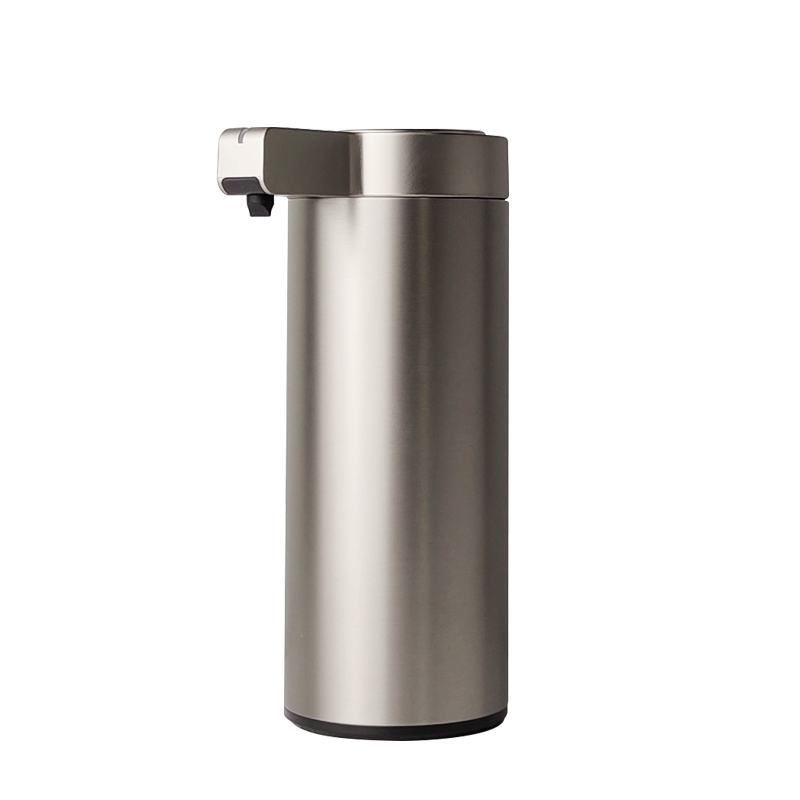 Automatic Soap Dispenser
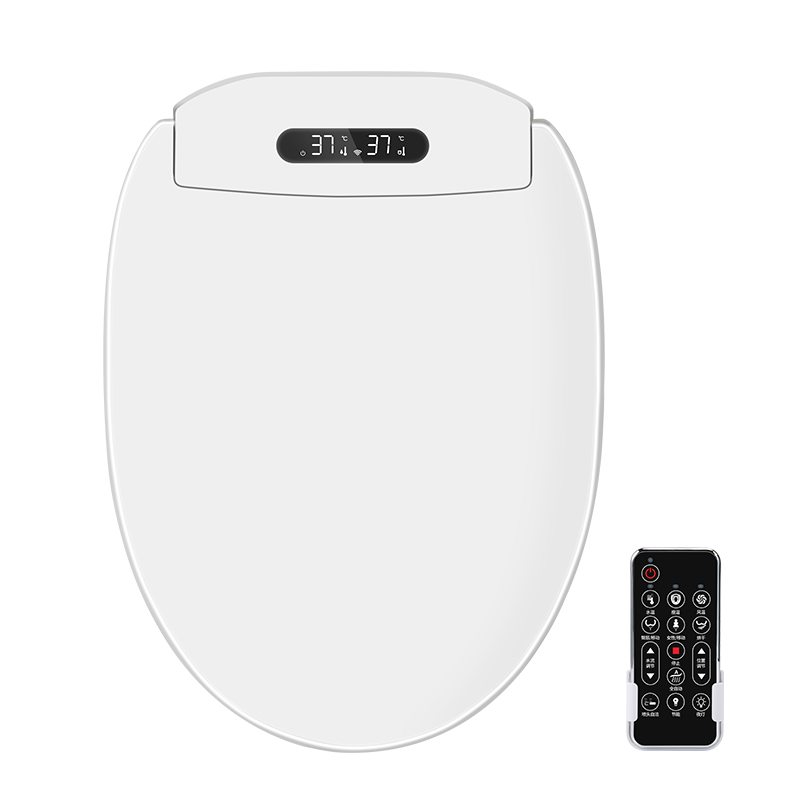 Smart Toilet Seat
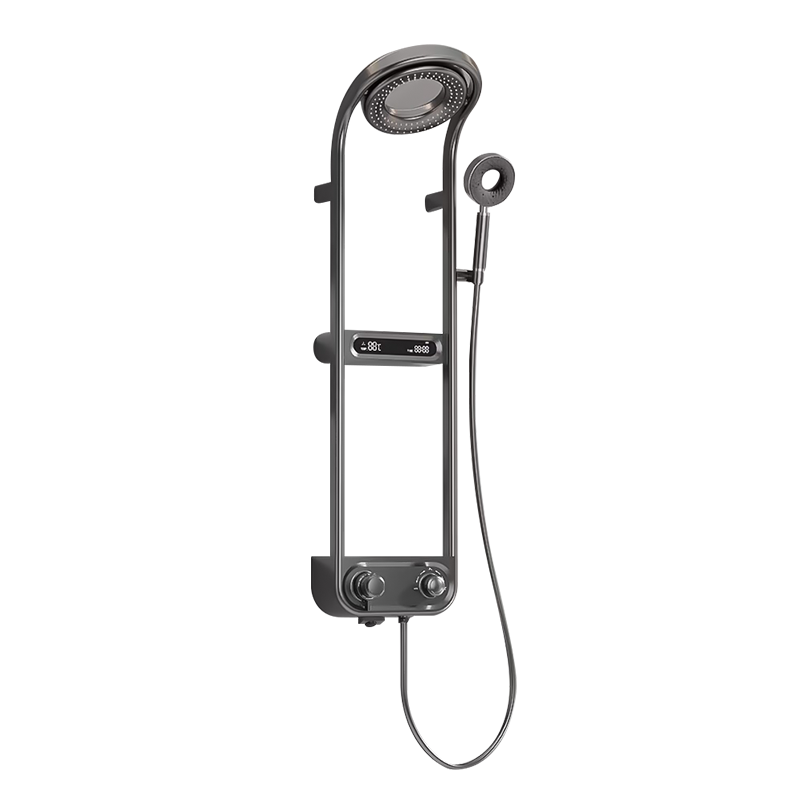 Shower Set
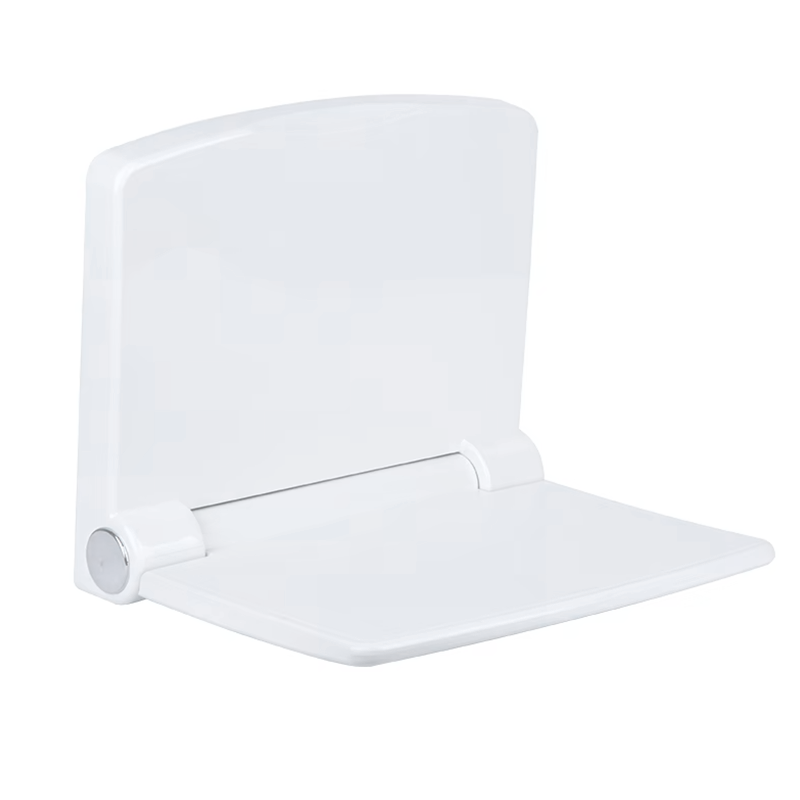 Shower Seat
 kitchen Application
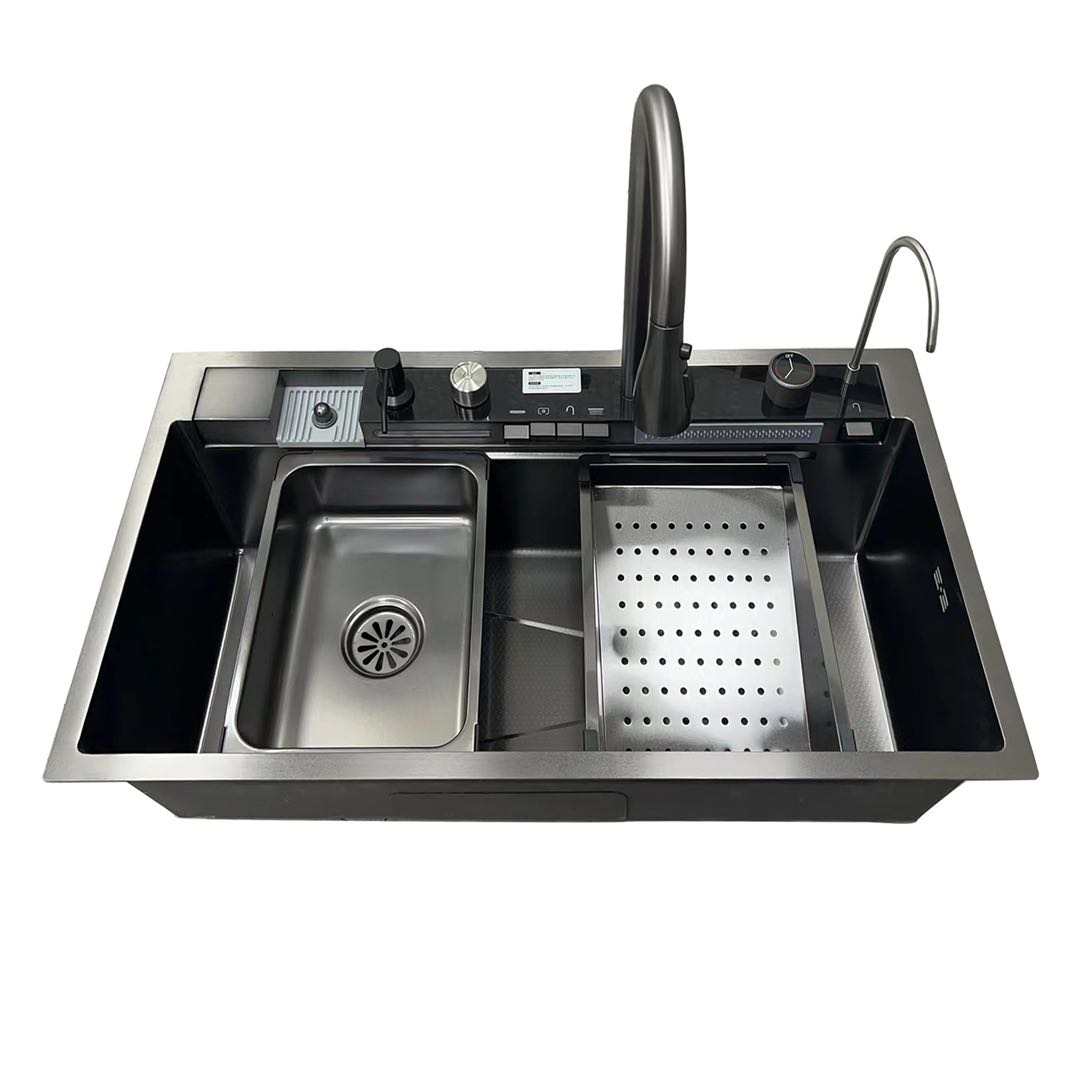 Kitchen Sink
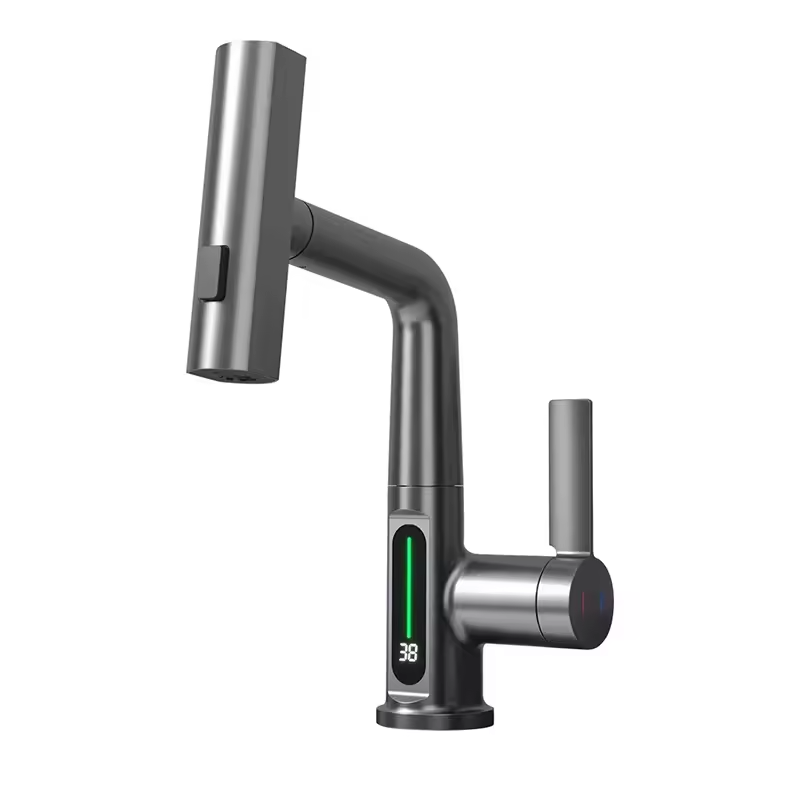 Kitchen Faucet
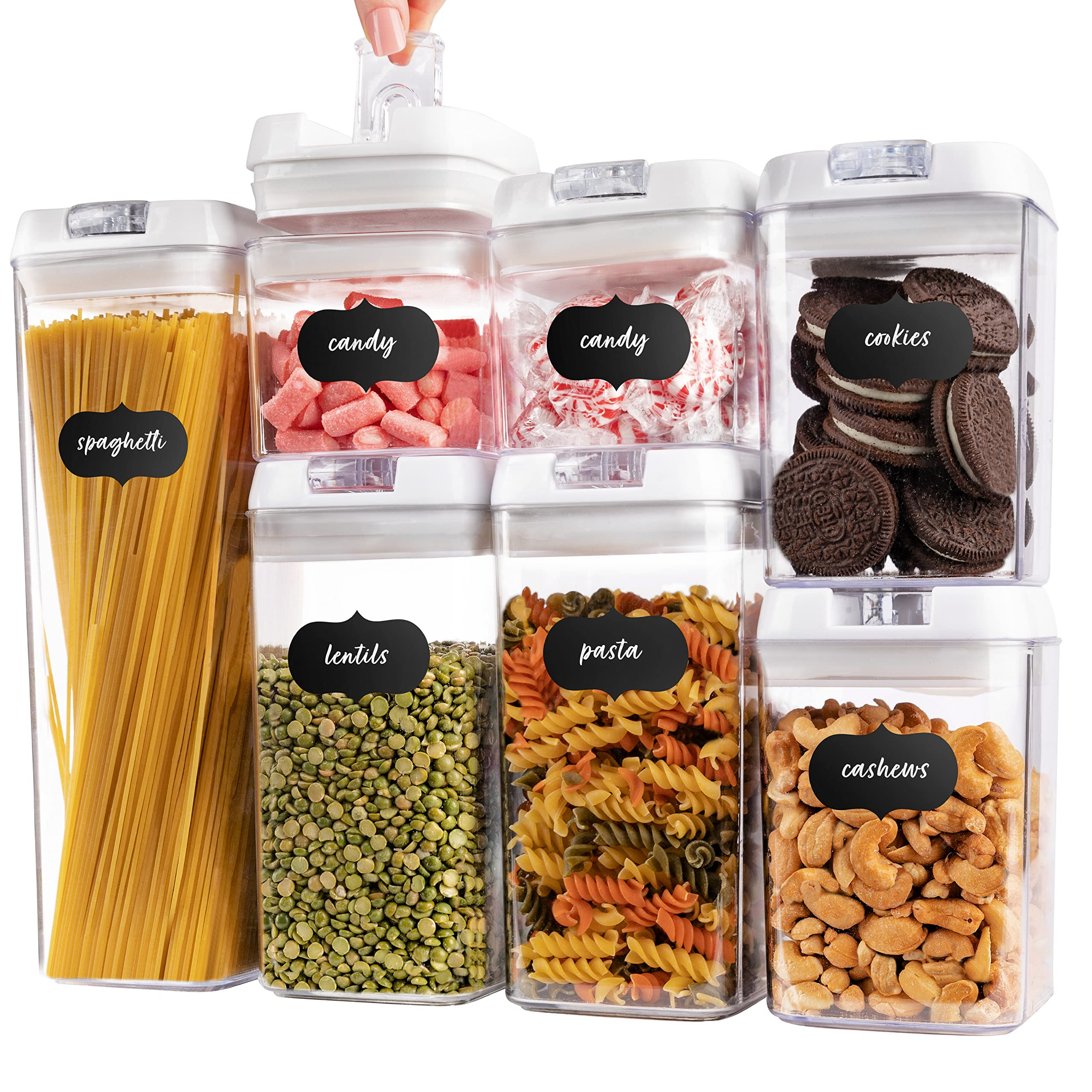 Kitchen Storage
 Home Appliance
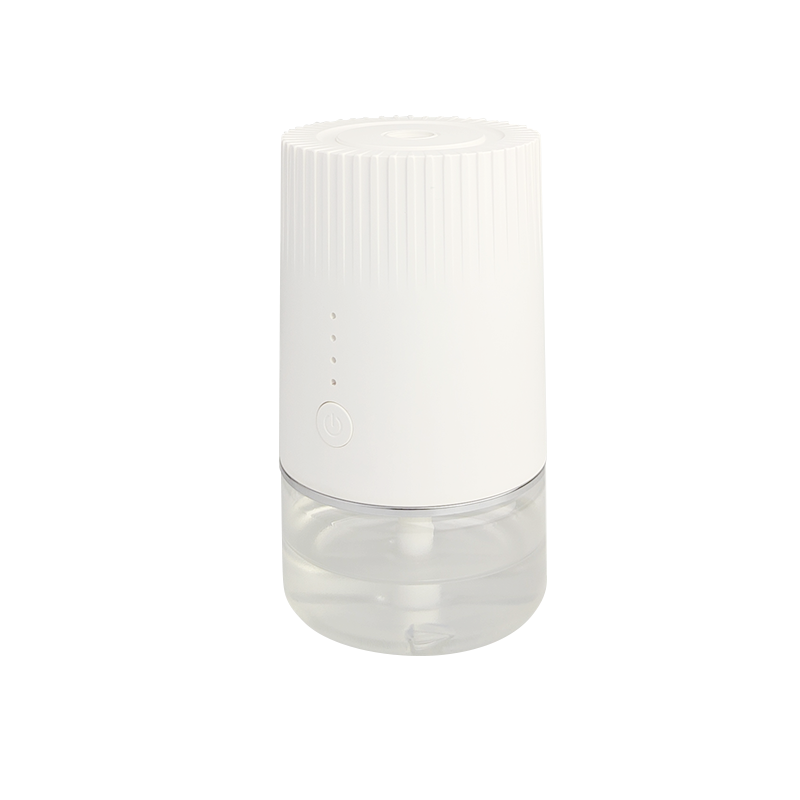 Aroma Diffuser
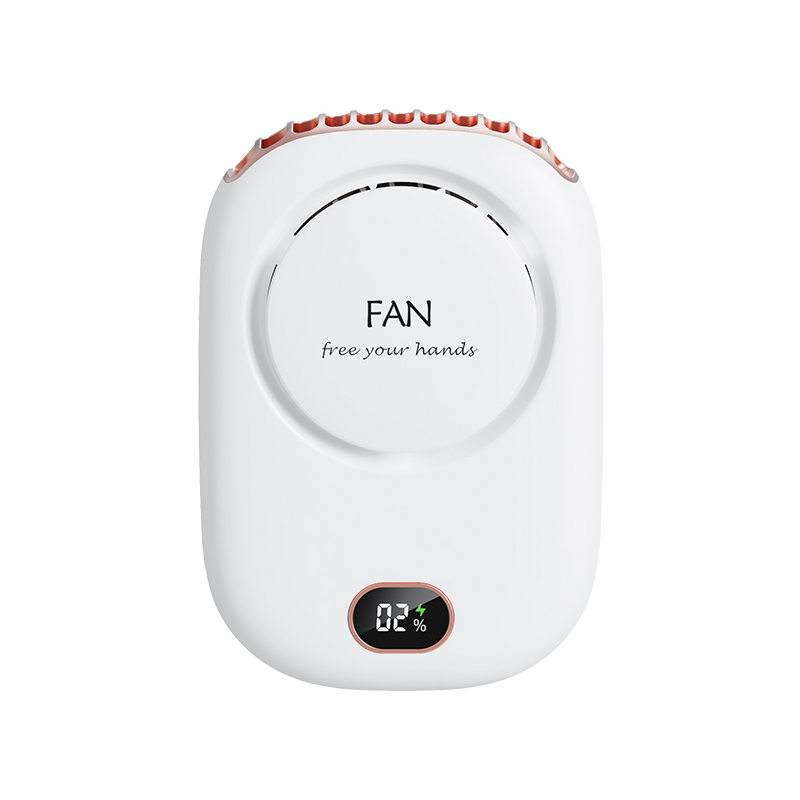 Fans
Leave Your Message
By 2025, one can expect a tremendous development in the foam soap dispensing market which will be fueled with the demand for hygiene and convenience in residences and commercial areas. In a post-pandemic world where health and safety take center stage, there is a growing adoption of the automatic and touch-free. Thus, consumers would be inclined to buy smarter home appliances that offer much more than hygiene. Choosing economical foam soap would place Foam Soap Dispensers in the category of modern bathrooms and kitchens.
Iyinlihua Intelligent Electrical Appliances (Zhuhai) Co., Ltd. leads this innovative venture. Dedicated to new horizons in smart home bathroom accessories, it conducts research and development on automatic soap dispensers under the AIN LEVA brand. Resulting from the centralized resources from the parent company, we thrive on quality and modern needs concerning sustainable and user-friendly designs. Thus, it was an important player in the foam soap dispenser market giving rise to a great opportunity for advancement.
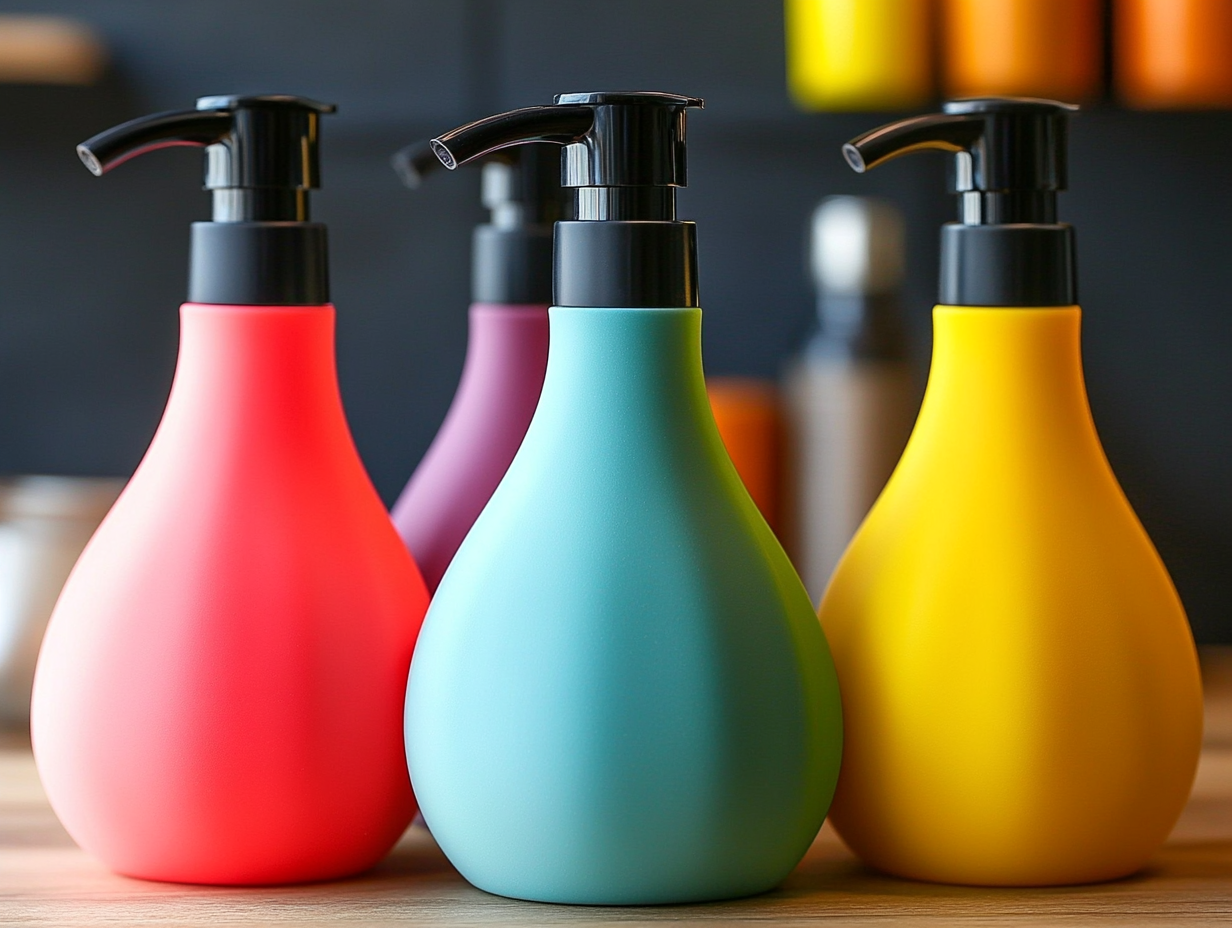
Major driving factors for the growth of the foam soap dispenser market are increased awareness regarding hygiene and the rising incidence of diseases worldwide. As roughly about USD 1.40 billion valued globally soap dispenser market in 2022, it is anticipated to grow at a compound annual growth rate (CAGR) of 8.3 % beginning in 2023. This trend is similar to that of the U.S. market, where on the other hand, the soap dispenser segment is expected to grow at a CAGR of 7.7% from 2023 to 2030, thus forecasting a bright future for foam soap products. The market segmentation points towards increasing demand in numerous applications such as residential, commercial, and healthcare. With sustainability becoming one of the priorities these days, innovations in manufacturing biodegradable foam soaps might play a big part in luring environmentally conscious buyers. Growth in this market is an effect of a wider trend toward cleaner and healthier lifestyles or, put another way, cleaner healthier living.
The foam soap dispenser market is poised to observe substantial growth owing to certain fundamental factors. Prime among these is the increasing demand for hygiene and cleanliness in homes, businesses, and educational institutions. As consumers develop a preference for their health, it can be expected that trade and use of automatic or touchless dispensers will augment the growth of this market.
In turn, product design and functionality innovation serve to entice consumers. Manufacturers are aimed at designing dispensers that improve user experience while limiting wastage and contributing to sustainability. This trend seems to find relevance in particular to the hospitality and healthcare sectors, where upholding high hygiene standards is sine qua-non. With a used estimate over the period of around 8.4% CAGR, the foam soap dispenser market seems to be given a propelling shove towards a higher growth level in 2025.
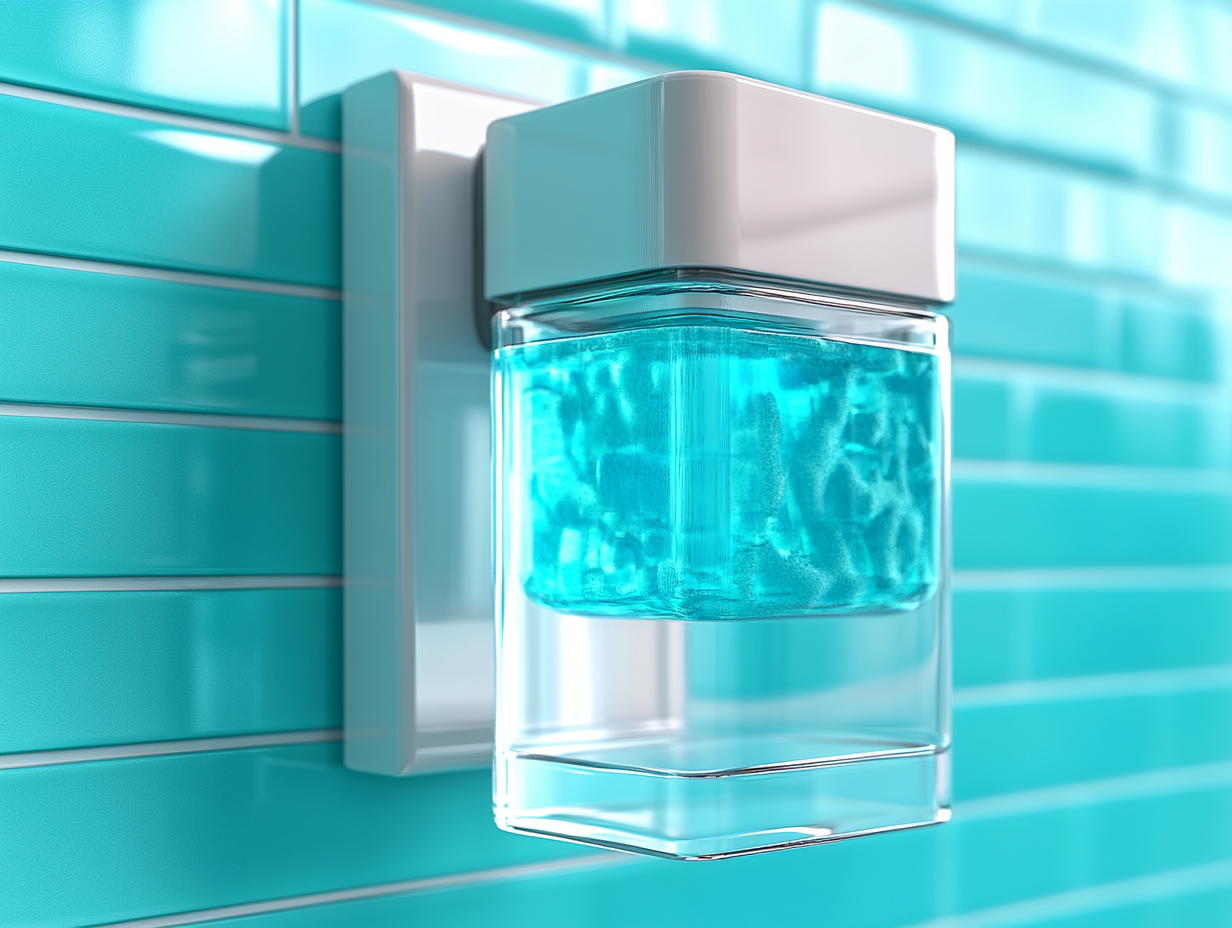
Looking into the year 2025, consumer preferences regarding foam soap dispensers are changing very fast with some more lofty changes. This rising interest in cleanliness, which the most common recent source in recent times has attracted in the advent of global health crises, comes increases the demand for touchless and automatic dispensers. Safety can be improved, but it can also improve overall experience which makes it more sought-after by both homes and new commercial.
The foam soap dispenser market will also witness great impacts from the increasing trend of using liquid soaps and organic variants. The declared consumers of today are more environment-conscious individuals. They level up their performances on sustainability with consideration for buying eco-friendly products. What this means is that such companies need to change their product profiles to suit the changing needs of the health-conscious customers as well as the customers who advocate for sustainability in parts of the globe. The soap dispenser market itself is huge, and its growth is forecasted to boast impressive numbers. Consumer-preference driven focus will therefore matter as the industry transforms.
In the foaming soap dispenser world, there will be groundbreaking technology advancements improving user experience and efficiency in the year 2025. A typical feature of the new improved models will be smart technology: touchless activation and IoT connections. Aspects promote hygiene through reduced contact while maximizing the level of soap real-time monitored condition in the dispenser to ensure it is stocked.
Innovative materials and novel designs are paving the way for more environmentally sustainable options. Refillable packaging eco-dispenser would easily be acceptable to consumers within the growing consumer demand for sustainable products. The soap dispenser market is exhibiting the same pattern as in broader markets with around USD 3.02 billion expected by 2032. It has applications in diverse sectors, such as healthcare, education, and corporates offices. With these advancements, foam soap dispensers are all set to change hand hygiene practices even after a pandemic-stricken world.
Both opportunities and challenges abound as the globe turns by 2025 in the arena of foam soap dispensers. Increased awareness of hygiene, especially following health crises, generates the demand for innovative dispensing options. For example, the soap dispenser market is expected to grow rapidly; it is expected to register a CAGR of 8.3 percent between 2023 and 2030, which is related to growth in the hospitality, healthcare, and foodservice industries-all industries stressing hand hygiene and clean environments.
Apart from Asia Pacific, rapid urbanization and changing consumer behavior have made it a major market for foam soap dispensers. This brings challenges such as market saturation and different regulations across some states which will, even more, affect market entry and strategies for growth. Manufacturers need to carefully circumvent these challenges to fully grab the growth potential in developing markets especially like India and China, where concern about health drives the demand immensely for effective hand hygiene solutions.
The future of foam soap dispensers in 2025 is set to see important changes in the overall hygiene market. This increase in the awareness of hygiene and sanitation in commercial sectors such as healthcare and education has triggered the growth of the soap dispenser segment. As the global soap dispenser market is anticipated to grow at a CAGR of 8.4%, demand for automated and touchless dispensing systems is bound to develop.
Thus, the key players are shunning the old paradigm and concentrating on developing innovative eco-friendly products. As the liquid soap market is estimated to touch the value of $41.08 billion by 2027, firms are leveraging this opportunity to gain further share in this market. This competitive environment will view strategic partnerships and technology improvements; foam soap dispensers are now an integral part of hand hygiene solutions that meet the changing needs of consumers in a post-pandemic world.
The global market for foam soap dispensers is steadily evolving, and the focus is now on sustainability and eco-friendly practices. The global market for bathroom accessories is forecasted to grow substantially due to the rising hygiene and personal care awareness, by more than USD 8 billion from 2024-2028. Products that ensure hygiene and environment-friendly have become the choice of consumers.
Foam soap dispensers are at the forefront of this change, especially with the rising demand for refillable packaging and clean-label formulations. Manufacturers are innovating to provide sustainable solutions to reduce plastic waste while utilizing eco-friendly materials. It brings to the forefront a massive shift in consumer behavior toward brands that keep the planet in mind and dictates the future of the foam soap dispenser market.
The foam soap dispenser, as we get nearer to 2025, would change enormously in connection to the worldwide ongoing events. The bump in the soap dispenser industry, projecting to have a market valuation of USD 3.02 billion by 2032 at a CAGR of 8.0%, is a clear manifestation of the concern over hygiene and sanitation in diverse sectors. Increased health awareness has mainly incurred increased knowledge of public hygiene, beginning at health facilities and extending to corporate offices and educational institutions.
Even more, global hand sanitizer market poised to exceed USD 4.80 billion sales by 2033 would be a great indication of the integral shift into cleanliness and germ-proofing. Touchless technology incorporation into soap dispensers would be part of such change that consumers demand promising safety and ease. The preference of the consumers and market in 2025 would significantly change as regards hygiene in the light of the post-pandemic world.
The global foam soap dispensers market is all set for immense growth, as its size is expected to grow in size with increasing popularity up in 2025. Currently, the soap dispenser market is further forecasted to approach around USD 3.02 billion in 2032 due to an envious CAGR of 8.0 percent. This growth is mainly spurred by increased hygiene awareness and rising commercial demand found particularly in healthcare and education institutions.
A most dramatic detail, however, is the spurt in sales for automatic and electronic soap dispensers, which are sure to become must-have items in any facility that focuses more on contactless hygiene solutions. However, as all customers, whether residential or commercial, begin gravitating toward more stylish and hygienic options, foam soap dispensers are likely to be one of the significant segments of the total liquid soap category in years to come, thus serving wellness ad promotion in the future.
Foam soap dispenser-the market is changing most influences touch in 2025. This requires policymakers to evolve with the new trends and the emerging customer's preferences. The liquid hand soap category is likely to grow up to usd 560.27 billion by 2033, which shows an increasing urge for progressive formulations as well as sustains some types of packaging. Withdrawal of this encourages and complements foam soap dispensers to fill the pantry of environmentally aware consumers who are looking for refills.
To take advantage of such trends, it is important for manufacturers to focus on advanced dispensation technologies that promote a better user experience while making hygiene economically feasible. Working with clean-label brands and optimizing production processes for environmental benefits will go a long way in strengthening market positions. Furthermore, regulatory changes and feedback from consumers need to be continually monitored in order to align product offerings with market demands. Thus, this approach would encourage growth in the foam soap dispenser sector.
The main drivers include increasing demand for hygiene in residential, corporate, and educational settings, rising health consciousness among consumers, and the adoption of automatic and touchless dispensers.
The market is projected to grow at a CAGR of around 8.4%.
Manufacturers are focusing on product design and functionality that enhance user experience, reduce waste, and promote sustainability, particularly in sectors like hospitality and healthcare.
The hospitality and healthcare sectors are experiencing significant demand due to the need for high hygiene standards.
Stakeholders should develop smart dispensing technologies, collaborate with clean-label brands, emphasize eco-friendly production, and monitor regulatory changes and consumer feedback.
The liquid hand soap segment is projected to reach USD 560.27 billion by 2033.
There is a shift towards eco-friendly products, prompting manufacturers to focus on innovation and sustainability to capture market share.
Strategic collaborations and technological advancements will be essential for companies to meet consumer needs and enhance their market positions.
Due to heightened awareness of hygiene and sanitation, especially in commercial settings, touchless dispensers are in greater demand.
Monitoring consumer feedback will be crucial for aligning product offerings with market demands and fostering growth in the foam soap dispenser sector.