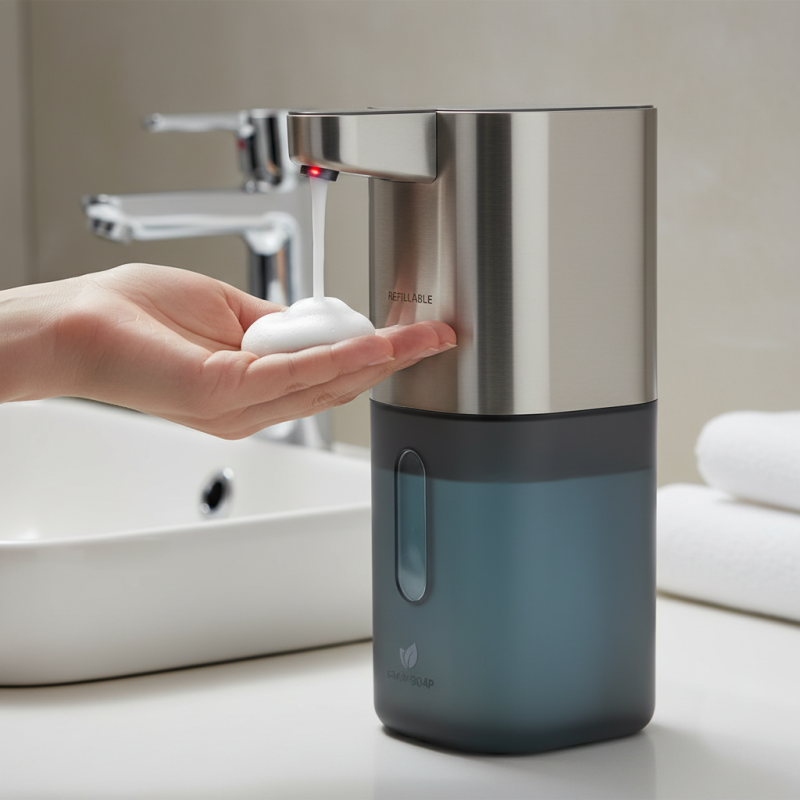
These days, keeping things clean is more important than ever, and that’s where automatic Soap Dispensers come in — they’ve really become a staple in both homes and businesses. As we roll into 2025, it’s clear that more folks are looking for these smart gadgets. Why? Well, they make handwashing super convenient and help keep germs at bay since you don’t have to touch anything. Just wave your hand, and voilà — soap is dispensed, making the whole process quicker and way easier.
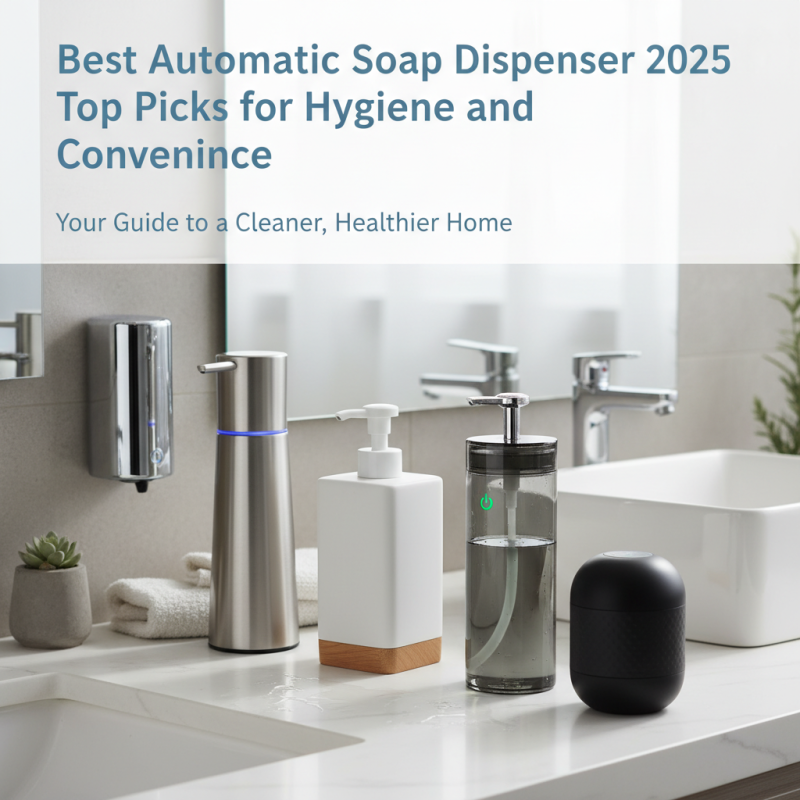
In this guide, I’m excited to share some of the top automatic soap dispensers you’ll want to check out this year. We’ll look at different features that suit all kinds of needs and tastes — from sleek, modern designs that blend right into your space, to touchless tech that really upgrades the user experience. I’ll break down what these products offer so you can make a smart choice, whether you're after style, functionality, or just good old peace of mind when it comes to hygiene. So, stick with us as we showcase the best automatic soap dispensers of 2025 — because a cleaner, healthier environment is just a wave away!
The Importance of Hygiene in the Post-Pandemic Era
In the post-pandemic era, the importance of hygiene has surged to the forefront of public awareness, underscoring the need for effective and convenient sanitation solutions. According to a report by the CDC, hand hygiene is crucial in preventing the spread of infectious diseases, with proper handwashing reducing the likelihood of illness by up to 30%. This growing understanding has led to an increased focus on automatic soap dispensers, which offer a touchless alternative to traditional methods, promoting better hand hygiene practices in both public and private spaces.
Furthermore, a study conducted by the Hygiene Council revealed that 70% of consumers are now more concerned about cleanliness in shared environments than they were before the pandemic. This shift in consumer sentiment has driven a surge in demand for products that enhance cleanliness, including automatic soap dispensers. These devices not only reduce the risk of germ transmission but also encourage more consistent handwashing habits, making them an essential tool in maintaining public health standards in the current climate. As we enter 2025, the integration of advanced technology in hygiene products is likely to further enhance their effectiveness and user convenience, reinforcing the critical role they play in our daily lives.
Best Automatic Soap Dispenser 2025: Hygiene Importance
This chart illustrates the increasing importance of hygiene in various venues post-pandemic, as reflected by the sales data of automatic soap dispensers in 2025. The emphasis on cleanliness has driven a surge in consumer demand across different sectors.
Key Features to Look for in Automatic Soap Dispensers
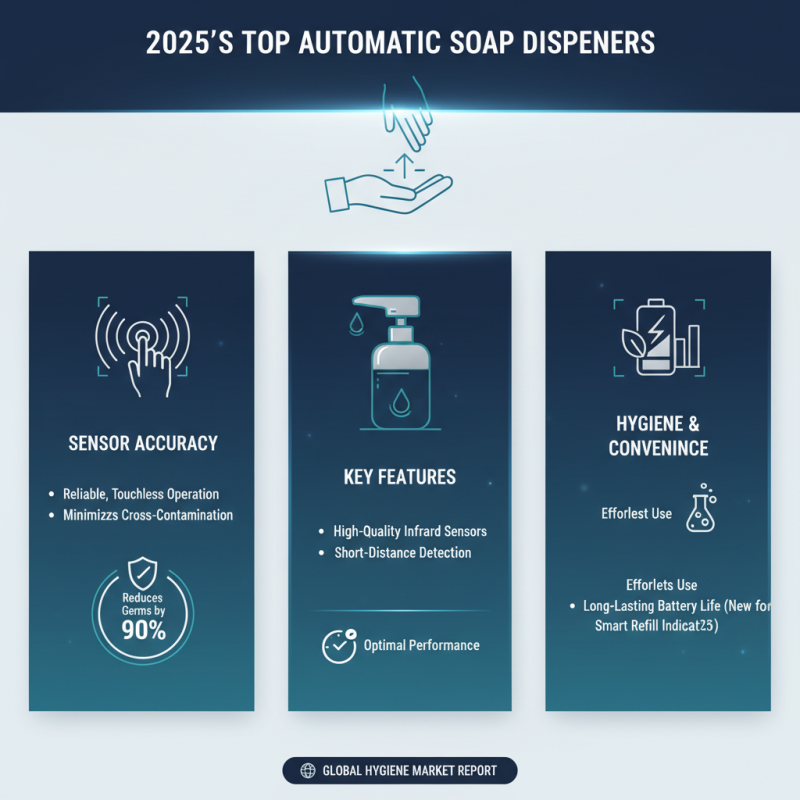
When selecting the best automatic soap dispenser for 2025, several key features should be considered to maximize both hygiene and convenience. First and foremost, sensor accuracy is paramount; an effective dispenser should provide a reliable, touchless operation to minimize cross-contamination. According to a recent industry report by the Global Hygiene Market, touchless systems can reduce the transmission of germs by up to 90%. Therefore, high-quality infrared sensors that detect hand movement within a short distance are essential for optimal performance.
Moreover, compatibility with various soap types is important. Many of the top-rated dispensers can accommodate gel, foam, and liquid soaps, which not only offers versatility but also ensures that users can choose products that best suit their hygiene needs. Another critical aspect is the size and design of the dispenser; a sleek, modern design that can seamlessly blend into different environments boosts user appeal while ensuring that the mechanics, such as refill capacity, are practical for high-traffic areas.
Tips: When selecting a dispenser, consider models with anti-drip technology to prevent soap wastage and messy counters. Also, check for easy refill mechanisms to ensure maintaining product levels is hassle-free. Finally, look for units with adjustable dispensing volume settings, which allow for customization based on user preference and reduce soap consumption.
Top Automatic Soap Dispenser Technologies in 2025
In 2025, the evolution of automatic soap dispensers has been marked by significant technological advancements aimed at enhancing hygiene and convenience. One of the leading trends in the industry is the integration of touchless sensors, which utilize infrared technology to dispense soap without the need for physical contact. According to a report by the Global Hygiene Initiative, implementing touchless solutions can reduce the risk of cross-contamination by up to 80%, making them especially valuable in public restrooms and healthcare settings.
Moreover, smart technology is making waves in the automatic soap dispenser market. Many of these devices now feature connectivity options, allowing users to monitor soap levels, adjust settings, and receive alerts through mobile applications. A study conducted by the Clean Tech Research Institute found that smart dispensers can optimize soap usage by up to 30%, minimizing waste and reducing operational costs for businesses. Additionally, advancements in materials such as antimicrobial plastics are further improving the hygiene standards of these devices, ensuring that they remain clean and free from microbial growth.
As we witness these innovations, it becomes clear that the focus for 2025 lies not only on user convenience but also on promoting a cleaner, safer environment. The combination of touchless technology, smart features, and enhanced materials positions automatic soap dispensers as essential tools in maintaining hygiene, especially in high-traffic areas.
Best Automatic Soap Dispenser 2025 Top Picks for Hygiene and Convenience
| Model | Capacity (ml) | Sensor Range (cm) | Material | Battery Life (months) | Special Features |
| Model A | 250 | 10 | Plastic | 6 | Anti-drip technology |
| Model B | 300 | 15 | Stainless Steel | 8 | LED indicator |
| Model C | 200 | 12 | ABS Plastic | 12 | Adjustable soap volume |
| Model D | 350 | 20 | Glass | 10 | Rechargeable battery |
| Model E | 400 | 18 | Plastic | 9 | Transparent window |
Comparative Analysis of Leading Brands in the Market
In the quest for enhanced hygiene and convenience, automatic soap dispensers have gained significant traction among consumers. A comparative analysis of leading brands in the market reveals crucial distinctions in design, technology, and usability. Many of these dispensers utilize infrared sensors for touchless operation, minimizing the risk of germ transmission. The responsiveness of the sensors and the dispensing mechanism can vary greatly, influencing user satisfaction. While some models prioritize speed and volume of soap released, others focus on sustainability with refillable options and biodegradable materials.
Another important factor in the analysis is the ease of installation and maintenance. Most dispensers are designed for straightforward mounting and refilling, yet the type of soap they accommodate can differ. Some models specifically require liquid or foam soap, while others are more versatile. Additionally, durability and battery efficiency play significant roles in overall performance and user experience. Features like adjustable dispensing settings and indicator lights for low soap levels further enhance convenience, making certain models stand out in this competitive market. As consumers become increasingly aware of hygiene's importance, these features are likely to shape their purchasing decisions in 2025.
Customer Satisfaction Ratings and Reviews for Best Picks
The demand for automatic soap dispensers has surged in recent years, particularly as hygiene standards continue to evolve due to public health concerns. According to a report by the Global Soap Dispenser Market Analysis in 2022, the market is projected to grow at a CAGR of 9.7% through 2025. This growth reflects a heightened consumer awareness regarding cleanliness and the convenience that these devices provide in both residential and commercial settings. Consumers are increasingly opting for touchless solutions that minimize the spread of germs, enhancing their overall satisfaction.
Customer satisfaction ratings reveal a strong preference for models that offer not only reliability and ease of use but also aesthetic appeal. Surveys indicate that approximately 78% of users prioritize the design of the dispenser, alongside functionality. Reviews highlight that dispensing mechanisms should be consistent and efficient, as nearly 85% of reported negative experiences stem from malfunctioning nozzles or inconsistent soap flow. This underlines the importance of quality in mechanical performance and user feedback. Ultimately, the best picks for 2025 will be those that perfectly balance innovation with practical user experiences, ensuring that hygiene and convenience remain at the forefront.
Environmental Impact of Soap Dispensers: Sustainability Insights
The environmental impact of soap dispensers is increasingly coming under scrutiny as sanitation solutions evolve. Traditional single-use soap containers contribute significantly to plastic waste, with over 300 million tons of plastic produced worldwide each year, according to a report by the United Nations Environment Programme. In stark contrast, automatic soap dispensers offer a more sustainable approach by reducing soap usage and minimizing waste. Research indicates that these dispensers can decrease soap consumption by as much as 20% compared to traditional pumps, promoting both hygiene and environmental responsibility.
Furthermore, many modern automatic soap dispensers are designed with sustainability in mind, utilizing recyclable and durable materials that lessen their carbon footprint. The adoption of refillable systems is also gaining traction; according to a survey by the Global Sustainability Forum, 68% of consumers prefer refillable products for their reduced environmental impact. This shift not only mitigates plastic waste but also encourages a circular economy where products are reused and recycled, significantly contributing to global sustainability efforts. As we move forward, the emphasis on environmentally friendly sanitization solutions will play a crucial role in shaping consumer preferences and industry standards in the coming years.
Cost-Effectiveness of Automatic vs. Manual Soap Dispensers
When comparing automatic soap dispensers to their manual counterparts, cost-effectiveness emerges as a crucial consideration for both businesses and households. Initially, automatic soap dispensers might seem more expensive due to their advanced technology and design. However, when factoring in usage rates, the potential for reduced soap waste, and enhanced hygiene benefits, they often prove to be a more economical choice over time. Users of automatic dispensers typically utilize soap more sparingly, as these devices dispense a controlled amount, minimizing the risk of overuse.
Furthermore, the long-term cost savings can extend beyond soap consumption. Automatic dispensers often mitigate the spread of germs and bacteria, reducing the likelihood of illnesses that can lead to increased medical expenses and lost productivity. For businesses, this can translate into lower employee absenteeism and fewer health-related costs. In addition, many automatic soap dispensers feature refillable reservoirs, which can be more affordable than buying pre-filled manual dispensers. This combination of hygiene efficiency and economic benefit illustrates how investing in automatic soap dispensers can yield significant savings while prioritizing health and convenience.
FAQS
: Hand hygiene is crucial in preventing the spread of infectious diseases, with proper handwashing reducing the likelihood of illness by up to 30%.
A study revealed that 70% of consumers are now more concerned about cleanliness in shared environments than they were before the pandemic.
Automatic soap dispensers reduce the risk of germ transmission and encourage consistent handwashing habits, making them essential for maintaining public health standards.
By 2025, automatic soap dispensers include touchless sensors using infrared technology to dispense soap without physical contact, reducing cross-contamination risks.
Smart technology allows users to monitor soap levels, adjust settings, and receive alerts, optimizing soap usage by up to 30% and minimizing waste.
Advancements in materials such as antimicrobial plastics are being used to improve hygiene standards, ensuring dispensers remain clean and free from microbial growth.
The market is projected to grow at a CAGR of 9.7% through 2025, reflecting heightened consumer awareness regarding cleanliness.
Consumers prioritize reliability, ease of use, and aesthetic appeal, with approximately 78% valuing design alongside functionality.
Nearly 85% of negative experiences stem from malfunctioning nozzles or inconsistent soap flow, underscoring the importance of quality in mechanical performance.
The best dispensers will balance innovation with practical user experiences, ensuring hygiene and convenience remain at the forefront.
Conclusion
In the post-pandemic era, maintaining hygiene has become increasingly paramount, making the choice of the right Automatic Soap Dispenser more critical than ever. When selecting an automatic dispenser, potential buyers should consider key features such as sensor sensitivity, capacity, ease of refilling, and durability. The latest technologies in 2025 have introduced enhanced functionalities, ensuring a more efficient and user-friendly experience.
A comparative analysis of leading brands reveals varying customer satisfaction ratings, emphasizing the importance of reviews in the decision-making process. Furthermore, the article discusses the environmental impact of different soap dispensers, highlighting sustainability insights essential for conscientious consumers. Lastly, it evaluates the cost-effectiveness of automatic versus manual soap dispensers, providing a comprehensive overview for those seeking to invest in hygiene solutions that marry convenience and eco-friendliness.


 Bathroom Application
 Automatic Soap Dispenser
 Smart Toilet Seat
 Shower Set
 Shower Seat
 kitchen Application
 Kitchen Sink
 Kitchen Faucet
 Kitchen Storage
 Home Appliance
 Aroma Diffuser
 Fans