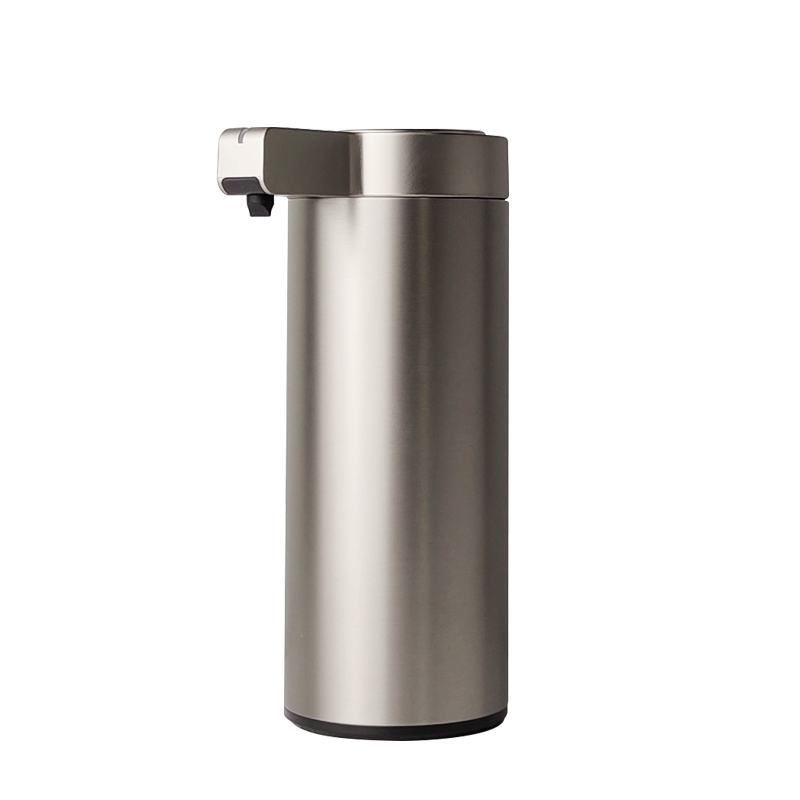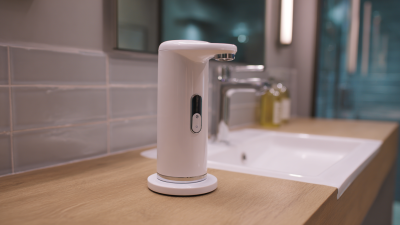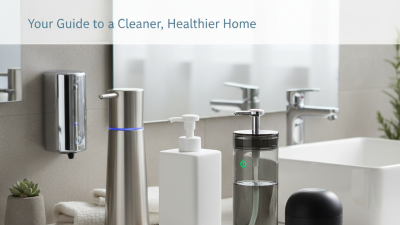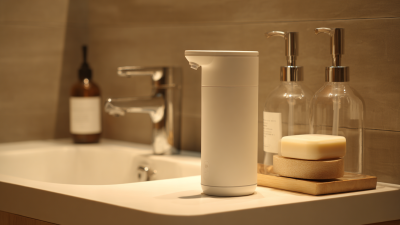
Let's be honest — in today's world, hygiene's become more important than ever. The Automatic Soap Dispenser? It’s definitely gaining some serious popularity, whether in homes or businesses. It’s such a handy way to keep things clean without much fuss. But, here’s the thing: not all models are created equal. Knowing what features really matter can make a big difference.
Lots of brands are jumping into the game, but a few really stand out. Companies like Simplehuman, Secura, and Avon offer choices that aren’t just functional, but also look pretty sleek. Their dispensers usually come with motion sensors that detect when you’re nearby, releasing just the right amount of soap. That’s great—less waste, better hygiene. That said, some folks do run into issues with these sensors sometimes not responding as quickly as they’d like.
Picking out the right soap for your automatic soap dispenser can feel a bit overwhelming. Trust me, the wrong soap can cause clogs or uneven flow, which is super frustrating. It's really important to choose a soap that fits the dispenser’s recommendations — otherwise, it might not work as well as you’d hope. Paying attention to the manufacturer’s tips can save you a lot of headaches in the long run.
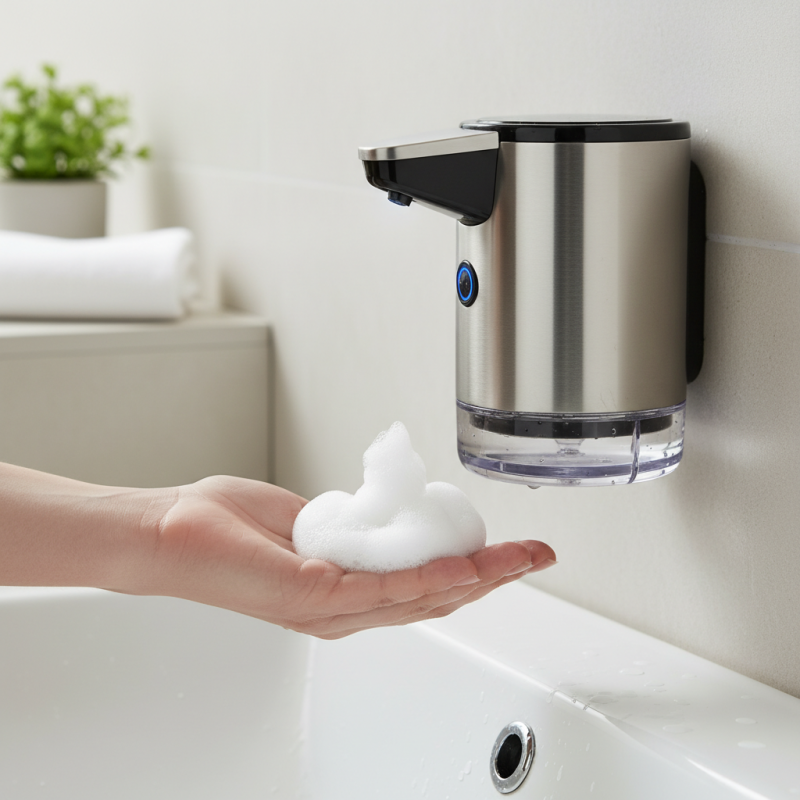
Maintaining hygiene is crucial, especially in shared spaces. Soap dispensers play a vital role in ensuring clean hands. An automatic soap dispenser offers a touchless experience, reducing the chances of cross-contamination. Many people overlook the materials and mechanisms of these devices, which can affect their reliability over time.
It is essential to understand that not all soap dispensers are created equal. Some may malfunction or dispense too little soap. This inconsistency can lead to hygiene issues. Selecting a reliable option is key. Look for automatic soap dispensers that can handle various types of soap, including OEM Soap For Automatic Soap Dispenser. The design should also minimize bacterial buildup, which is a common concern.
Convenience should not compromise cleanliness. Regular maintenance of the dispenser is necessary. Neglecting to refill or clean regularly can create health risks. It's also advisable to choose a model with an easy-to-clean surface. Such considerations improve the overall hygiene of the device. Prioritizing functionality and hygiene can lead to a safer environment for everyone.
The rise of automatic soap dispensers has transformed hygiene practices in modern homes. According to a recent market report, the global demand for touchless soap dispensers has increased by 25% in the past year alone. This surge highlights a growing awareness about hand hygiene, especially during flu season and in light of recent health crises.
Many households are adopting these devices for their convenience and efficiency. Automatic soap dispensers minimize cross-contamination. Research shows that they reduce the risk of spreading germs by up to 60% compared to traditional manual pumps. This statistic underscores the importance of maintaining hygiene, especially in shared spaces.
Despite their benefits, some users report frustration with certain models. Inconsistent soap dispensing can lead to waste or inadequate coverage. Additionally, regular maintenance is essential. Soap clogs and sensor failures are common issues that require attention. These imperfections suggest that while technology offers advantages, it also necessitates user vigilance. Balancing convenience with functionality remains a challenge in the evolving landscape of home hygiene.
This chart illustrates the popularity of various features in automatic soap dispensers among users, highlighting the rising trend in touchless technology and design preferences.
When searching for the best automatic soap dispenser, certain features stand out. One of the most crucial aspects is the sensor technology. High-quality sensors ensure a precise response time. If it's too slow or too sensitive, it can lead to waste or user frustration. Look for a model that balances these elements.
Another key feature is the ability to use Custom Soap For Automatic Soap Dispenser systems. Some dispensers work with specific soap types, while others allow for broader options. A flexible dispenser accommodates different soap consistencies. This adaptability is important to maintain user satisfaction and hygiene standards.
In addition to sensor and soap compatibility, consider the design. The aesthetic should fit your space. Some models have sleek, modern looks, while others are more utilitarian. Regular maintenance is also essential. An easy-to-refill model saves time and effort. It's worth reflecting on whether the design suits your lifestyle and cleaning routine. Balancing convenience and hygiene is the ultimate goal.
When searching for the best automatic soap dispenser, several top brands stand out. These brands prioritize hygiene and convenience in their designs. Their products offer touch-free operation, minimizing the risk of germ transfer. The sensors in these dispensers ensure a precise amount of soap is dispensed each time. This helps to reduce waste while enhancing user experience.
Quality is essential when choosing a dispenser. Some brands focus on sleek designs that fit any bathroom or kitchen decor. Others emphasize durability, using materials that withstand daily use. These two aspects can sometimes clash, leading to choices that may not fully satisfy both needs. Reliability is another crucial factor. Dispensers must function properly to ensure consistent use. A malfunction can lead to frustration and decreased hygiene practices.
It's worth exploring options that allow for Wholesale Soap For Automatic Soap Dispensers. This can save time and ensure that you always have a sufficient supply. However, not all soaps are created equal. Some might clog the dispenser or fail to foam properly. Testing different soaps before committing to a bulk purchase is wise. Each brand has different formulations affecting performance.
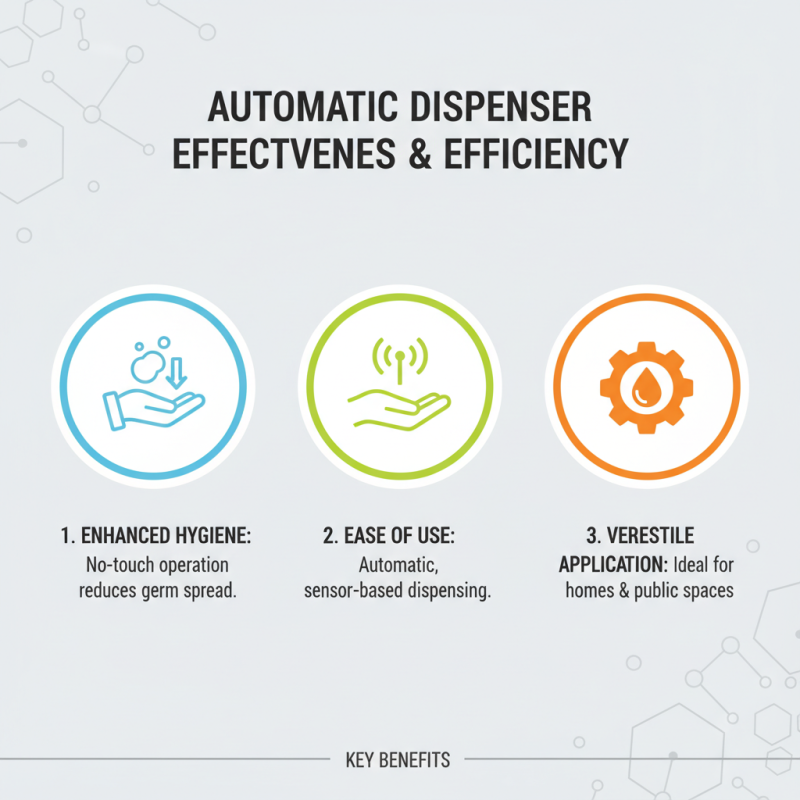
When evaluating the effectiveness and efficiency of automatic soap dispensers, several factors come into play. These devices promote hygiene by minimizing direct contact with surfaces. This is crucial for reducing the spread of germs. Many dispensers use sensors to detect hands, dispensing soap automatically. This feature makes them user-friendly and ideal for various settings, from homes to public restrooms.
Despite their advantages, there can be inconsistencies. Some dispensers might not function optimally in all environments. For instance, lighting conditions can affect their sensitivity. A poorly positioned dispenser may lead to missed activation. Users can experience frustration when soap does not dispense on the first try. Such issues highlight the importance of choosing a well-reviewed product.
Additionally, maintenance is another consideration. Automatic dispensers require regular cleaning and refilling. Neglecting this can lead to soap buildup and malfunction. It’s important to remain vigilant and ensure these devices operate smoothly for effective hygiene. Overall, while automatic soap dispensers offer convenience, potential pitfalls warrant careful selection and ongoing attention.
When considering manual versus automatic soap dispensers, there are key differences that impact hygiene and convenience. According to a study by the Journal of Hospital Infection, automatic dispensers can reduce the risk of cross-contamination by 50%. This is crucial in high-traffic areas, such as hospitals and public restrooms, where germs thrive.
Manual dispensers require physical contact to operate, increasing the likelihood of transferring pathogens. A survey revealed that 73% of users prefer automatic options, citing ease of use and reduced germ transmission. Despite this preference, automatic dispensers may face issues such as battery life and sensor malfunction, which can lead to frustration and inconsistent usage.
With the rise of touch-free technology, there's a significant push for more reliable automatic dispensers. Some models come with features like adjustable soap volumes, catering to different user needs. However, there remains skepticism about their long-term durability. Users often report needing more maintenance, and inadequate design can lead to soap waste. This suggests that while automatic dispensers provide convenience, careful selection is essential for effective implementation.
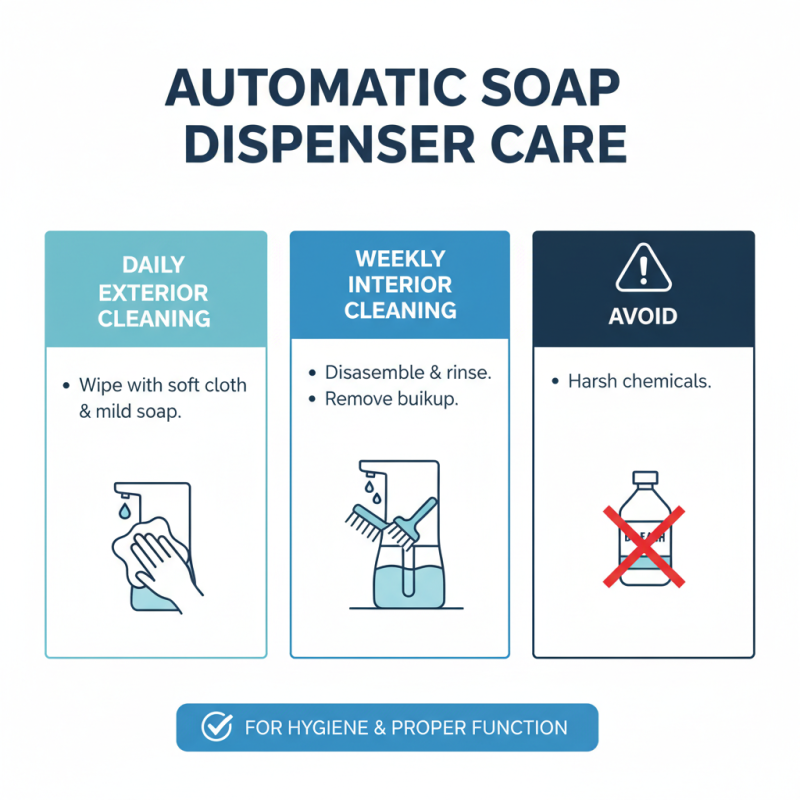
Maintaining and cleaning your automatic soap dispenser is crucial for hygiene and proper functioning. Regular cleaning removes buildup and prevents bacteria growth. The exterior of the dispenser should be wiped daily, while the inside requires a thorough cleaning at least once a week. Use a soft cloth and mild soap. Avoid harsh chemicals that could damage the device.
Inspect the dispenser regularly to ensure it operates smoothly. Sometimes, the mechanism may get jammed or dysfunctional due to soap residue. If this happens, disassemble the parts and rinse them under warm water. Ensure that you dry all components completely before reassembling. Using ODM Soap For Automatic Soap Dispenser helps to minimize clogs and simplifies the cleaning process.
Despite these tips, some users find it challenging to keep their dispensers pristine. Mistakes happen, and over time, soap can leak and harden, which complicates cleaning. It’s essential to learn from these experiences and establish a routine. Consistency is key in maintaining both hygiene and convenience in your automatic soap dispenser.
: They promote hygiene, reduce germ spread, and provide convenience. They minimize direct contact with surfaces.
They can reduce the risk by up to 60%, according to research studies. This is significant for busy areas.
Inconsistent soap dispensing, clogs, and sensor failures are frequently reported problems that require attention.
Regular cleaning and refilling prevent soap buildup and malfunctions. Neglecting these tasks can hinder performance.
No, their effectiveness can be influenced by factors such as lighting and dispenser positioning, leading to missed activations.
Look for adjustable soap volumes, reliable sensors, and reviews on performance to ensure effective hygiene.
Users may worry about battery life and sensor malfunctions that can frustrate their experience with automatic models.
Yes, many users prefer touch-free options, but careful product selection is crucial for long-term reliability.
Poor design and inadequate sensor sensitivity can cause soap to be dispensed excessively or inconsistently.
Conducting thorough research and ensuring regular maintenance can enhance their effectiveness and user satisfaction.
The article titled "Best Automatic Soap Dispenser for Hygiene and Convenience?" explores the significance of maintaining hygiene through the use of soap dispensers, particularly emphasizing the advantages of automatic models in contemporary households. It discusses the rise of these automated devices, highlighting their convenience and reducing the risk of germ transmission compared to manual dispensers. Key features to consider when selecting an automatic soap dispenser are identified, such as sensor accuracy, capacity, and ease of refilling.
Furthermore, the article provides a comparative analysis of manual versus automatic soap dispensers, illustrating the effectiveness and efficiency of the latter in promoting better hygiene practices. It also offers insights into maintaining and cleaning automatic soap dispensers to ensure optimal functionality. Overall, the piece emphasizes the role of an automatic soap dispenser not only in enhancing cleanliness but also in contributing to a more convenient and user-friendly experience in everyday life.