• 6604cbd7wl
  • 6604cbd49a
  • 6604cbdmjj
  • 6604cbdm2i
  • 6604cbdb0a
Leave Your Message
0%

Picking out the right bathroom faucet really can make a big difference in how your bathroom looks and functions. Funny enough, a survey by the National Kitchen and Bath Association showed that about 79% of homeowners see faucets as a key part of their bathroom design. Honestly, a nice, stylish faucet can transform a boring space into something that feels pretty luxurious, even if your bathroom isn’t the biggest or fanciest out there.

When you're shopping around, you'll notice there’s actually a huge variety of Bathroom Faucets out there—styles, prices, you name it. Big brands like Moen and Delta tend to be favorites because people trust their quality and reliability. But, here’s the thing: it’s really important to think about what your bathroom actually needs before you pick one. For example, if your water pressure’s low, a fancy faucet that looks great might not work so well.

One thing folks often forget is how important the installation process is. Trust me, many homeowners underestimate how much work that can be, and ending up with a faucet that needs complicated plumbing can turn into headaches and extra costs down the line. So, the real trick is to find a faucet that not only looks good and works well but also isn’t a nightmare to install. Take your time and weigh all these factors—you’re gonna end up with something that’s perfect for your space.
What is the Best Bathroom Faucet for Your Home?

Choosing the Right Bathroom Faucet: Key Considerations

What is the Best Bathroom Faucet for Your Home?

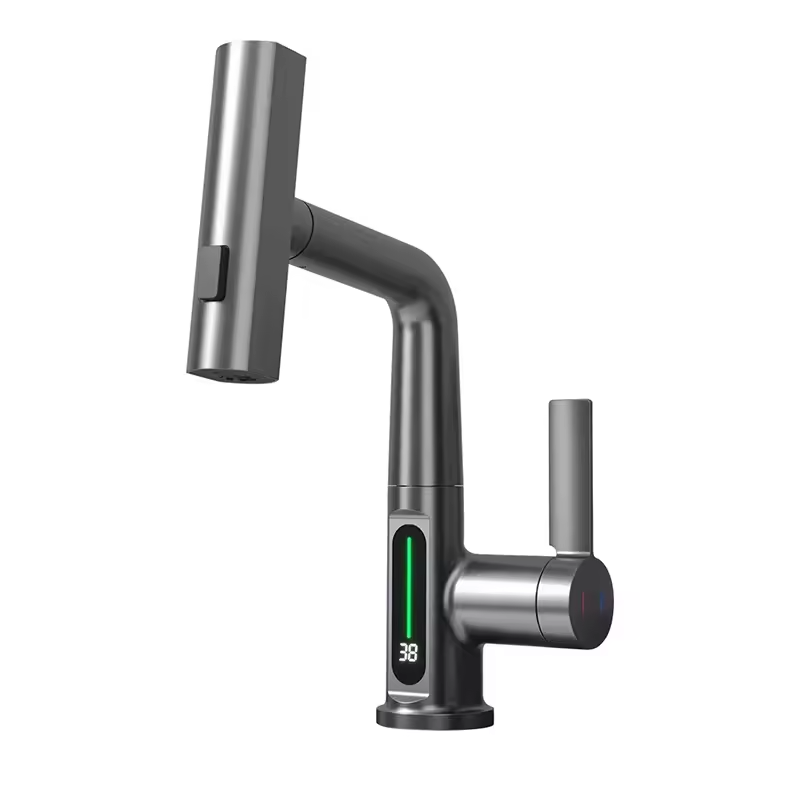
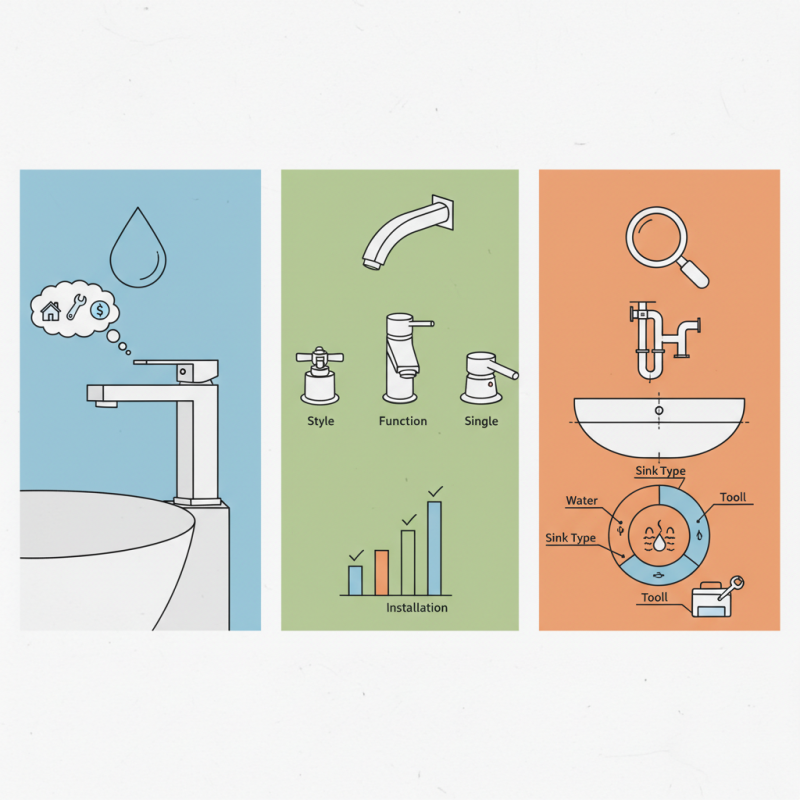
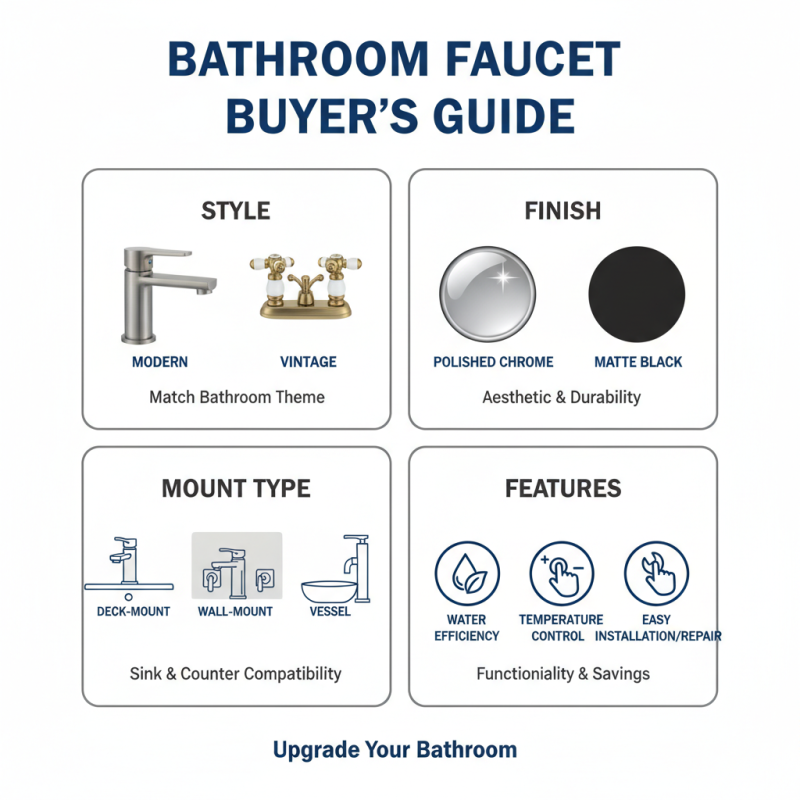
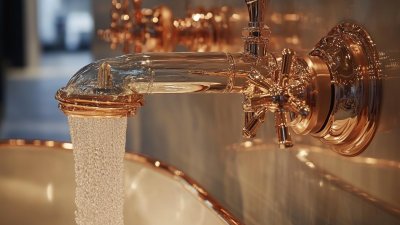
When selecting a bathroom faucet, it’s vital to consider several factors. Start with the style. Your faucet should match the overall theme of your bathroom. Modern designs work well in contemporary spaces, while vintage styles fit traditional settings. The right finish also matters. Polished chrome shines, while matte black brings sophistication.

Functionality is equally important. Look for a faucet that provides an easy grip and smooth operation. Do you prefer a single-handle or double-handle model? The choice can impact your daily routine. Also, think about the height and reach of the faucet. A high spout may be ideal for filling pots or vases.

Installation can be daunting. If you’re not handy, consider professional help. Remember to check if the faucet fits your sink configuration. Not all faucets will work with every setup. This can lead to frustration and extra costs. Lastly, think about water efficiency. A faucet that conserves water can benefit both the environment and your utility bills.

Understanding Different Faucet Types: Pros and Cons

Choosing the right bathroom faucet can be a daunting task. Understanding different faucet types is essential. The most common options include single-handle, double-handle, and widespread faucets. Each type has its pros and cons, impacting both aesthetics and functionality.

Single-handle faucets are popular for their ease of use. They can save water, often using up to 30% less than traditional faucets. However, the limited control can be frustrating for some users. In contrast, double-handle faucets provide more precise temperature control. They allow for a more traditional look but can consume more water and require more effort to operate.

Widespread faucets offer a modern and luxurious style. They can fit any sink configuration, allowing for flexibility. Installation can be complex and may require professional help. A report by the U.S. Environmental Protection Agency suggests that replacing old faucets with more efficient models can reduce water usage significantly. However, many still choose style over efficiency, leading to unnecessary water waste.

Material Matters: Best Materials for Bathroom Faucets

When choosing a bathroom faucet, the material plays a crucial role. Different materials can affect both the look and performance of your faucet. Common options include stainless steel, brass, and plastic. Stainless steel is known for its durability. It resists rust and corrosion well. However, it can fingerprint easily, leading to more frequent cleaning.

Brass is another popular choice. It boasts a classic appeal and exceptional longevity. Yet, some may find it too heavy for their taste. Then there’s plastic, often used in budget-friendly faucets. Though lightweight and less expensive, it lacks the sturdiness of metal options.

A Single Hole Bathroom Faucet typically requires a solid base to support its structure. Some homeowners overlook installation compatibility. Choosing a faucet must balance style and practicality. Remember to consider how each material will perform over time. Reflect on your daily usage, and you'll find the right fit for your bathroom.

Faucet Styles: Matching Your Bathroom's Aesthetic

Choosing the right faucet style can profoundly impact your bathroom’s overall aesthetic. A faucet is not just a functional item; it’s a design statement. According to a recent design report, 75% of homeowners consider aesthetics as a key factor when selecting bathroom fixtures.

When matching your faucet to your bathroom's style, consider the overall theme. For modern spaces, a sleek, minimalist faucet works best. In contrast, vintage or rustic bathrooms may benefit from ornate designs. Choosing materials also matters. Stainless steel offers durability, while matte finishes can evoke a sense of warmth. Approximations suggest that nearly 50% of homeowners prefer finishes that blend seamlessly with other elements like lighting and cabinetry.

However, functionality shouldn’t be overlooked. Many faucets, while beautiful, can lack practicality. For instance, high-arc models look stunning but may not suit smaller sinks. Survey data indicates that 40% of users report issues with their faucet’s height affecting usability. Striking a balance between style and practicality will ensure your faucet enhances your bathroom without compromising on function.

What is the Best Bathroom Faucet for Your Home? - Faucet Styles: Matching Your Bathroom's Aesthetic

Faucet Style Material Finish Options Price Range Best For
Single Handle Brass Chrome, Matte Black, Oil-Rubbed Bronze $80 - $200 Modern & Minimalistic Bathrooms
Widespread Stainless Steel Polished Nickel, Brushed Copper $150 - $300 Traditional & Classic Bathrooms
Wall-Mounted Brass Brushed Gold, Polished Chrome $200 - $500 Contemporary & Boutique Bathrooms
Vessel Ceramic Gloss White, Matte Black $100 - $250 Freestanding & Artistic Bathrooms
Touchless Plastic, Brass Chrome, Satin Nickel $150 - $400 High-Tech & Eco-Friendly Bathrooms

How to Measure for a Proper Faucet Fit

When measuring for a proper faucet fit, accuracy is critical. Taking the right dimensions ensures functionality and aesthetics. The standard measurement involves the distance from the center of the mounting hole to the edge of the sink or countertop. Most bathroom faucets require a three-hole setup, with the holes spaced about 8 inches apart. According to industry reports, nearly 70% of faucet installation issues stem from incorrect measurements.

Consider the height of the faucet as well. Many users overlook this detail, impacting usability. Taller faucets can provide more space, but they may not suit all sinks. A recent survey indicated that 65% of homeowners prioritize faucet height based on their sink's depth. For those looking for a focal point, a Gold Bathroom Faucet adds elegance. However, be cautious; if it's too high, it may not blend well with your decor.

Always check the maximum deck thickness specified in the instructions. This measurement affects how securely the faucet mounts. Installers often misjudge this, leading to potential leaks. Industry standards suggest that a good fit should leave no gaps. Ultimately, detailed measurements and careful planning ensure a perfect match for your bathroom fixture.

Installation Basics: DIY or Hire a Professional?

What is the Best Bathroom Faucet for Your Home?

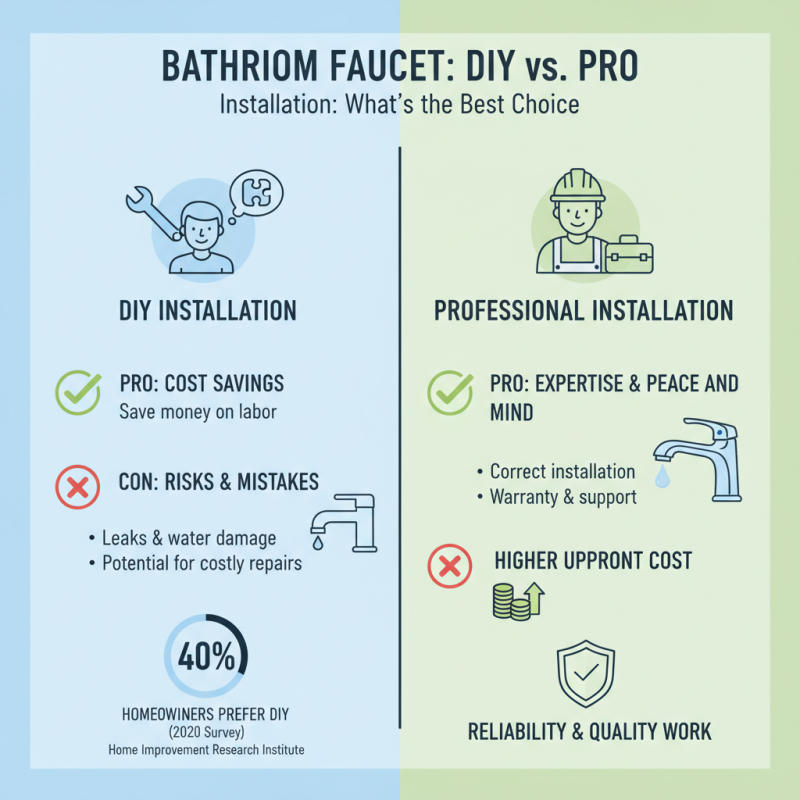
When considering a bathroom faucet installation, the decision to DIY or hire a professional can be daunting. Many homeowners are opting for DIY projects to save costs. According to a 2020 survey by the Home Improvement Research Institute, about 40% of homeowners prefer to tackle small installation tasks themselves. However, this approach can lead to mistakes. Incorrect installation can cause leaks and damage, potentially resulting in costly repairs later on.

Choosing a "Brushed Gold Bathroom Faucet" adds a modern aesthetic, but it requires careful installation. If you're not confident in your plumbing skills, it may be wise to seek professional help. A qualified plumber can ensure the faucet is installed correctly, minimizing the risk of damage. A study suggests that professional installations can reduce leaks by up to 30%. This statistic is a reminder that sometimes, investing in professional assistance can be more economical in the long run.

Additionally, DIY enthusiasts should account for the time and effort involved. Installation can take longer than expected, especially if issues arise. Misreading instructions or facing unexpected plumbing challenges can lead to frustration. Therefore, weigh the risks and benefits before deciding. While DIY is appealing, professional installation often guarantees quality and peace of mind.

Maintenance Tips for Longevity of Your Bathroom Faucet

Proper maintenance of your bathroom faucet is key to its longevity. A Matte Black Bathroom Faucet, for example, adds elegance but requires special care. Wiping down the faucet after each use helps prevent water spots. It's easy to forget, but this small step keeps it looking new longer.

Regularly check for leaks. A small drip can turn into a big problem. If you notice any leaks, don’t ignore them. Tightening connections might be all you need to do. Additionally, cleaning the aerator is important. Mineral build-up can affect water flow, so remove it every few months.

Consider the cleaning products you use. Harsh chemicals can damage the finish of your matte black bathroom faucet. Opt for mild soap and warm water instead. Avoid abrasive cleaners that can scratch the surface. These imperfect choices might seem trivial now, but they can lead to costly repairs later.

Water Flow Rates of Different Bathroom Faucets

FAQS

: What are the common types of bathroom faucets?

: The most common types are single-handle, double-handle, and widespread faucets.

What is the benefit of single-handle faucets?

They are easy to use and can save up to 30% more water.

What are the downsides of double-handle faucets?

While they offer precise temperature control, they can use more water and require more effort to operate.

Why are widespread faucets considered luxurious?

They provide a modern style and fit various sink configurations, but installation can be complex.

What should I focus on when measuring for faucet fit?

Ensure accurate dimensions, especially the distance from the mounting hole to the edge of the sink.

How should faucet height be considered?

Taller faucets can create more space, but they may not be suitable for all sinks.

What is the standard spacing for a bathroom faucet installation?

Most require a three-hole setup with holes spaced about 8 inches apart.

Why is the maximum deck thickness important?

It affects how securely the faucet mounts and prevents potential leaks.

What mistake do many installers make?

Misjudging measurements often leads to installation issues and leaks.

How can old faucets impact water usage?

Replacing them with efficient models can significantly reduce water consumption, but style often prevails over efficiency.

Conclusion

When selecting the best bathroom faucet for your home, several key considerations come into play. Understanding the different faucet types, including their pros and cons, helps in making an informed decision. The materials used in faucets are crucial as they influence durability and maintenance. Depending on your bathroom's aesthetic, various styles of bathroom faucets can enhance the overall look. Proper measurements are essential to ensure a good fit, and deciding between DIY installation or hiring a professional can save time and hassle.

To maintain the longevity of your bathroom faucet, regular care and attention to its components are necessary. By focusing on these aspects—type, materials, style, measurements, installation, and maintenance—you can find a bathroom faucet that not only fits well but also complements your space beautifully.
Sebastian

Sebastian

Sebastian is a dedicated marketing professional at Ai Ying Li Hua Intelligent Appliances (Zhuhai) Co., Ltd., where he plays a pivotal role in enhancing the company's online presence. With extensive knowledge of the company’s innovative product line, he regularly updates the professional blog on the......
Previous Global Market Trends for Foam Soap Dispensers in 2025