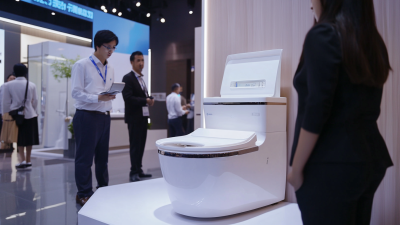
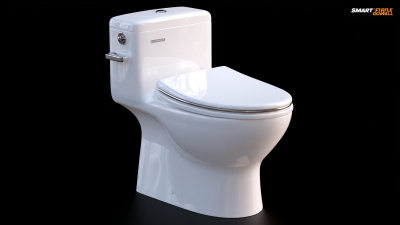
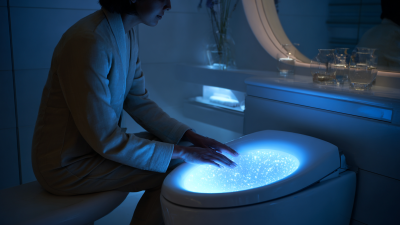
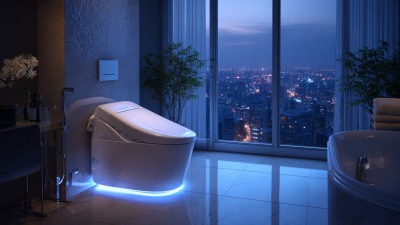
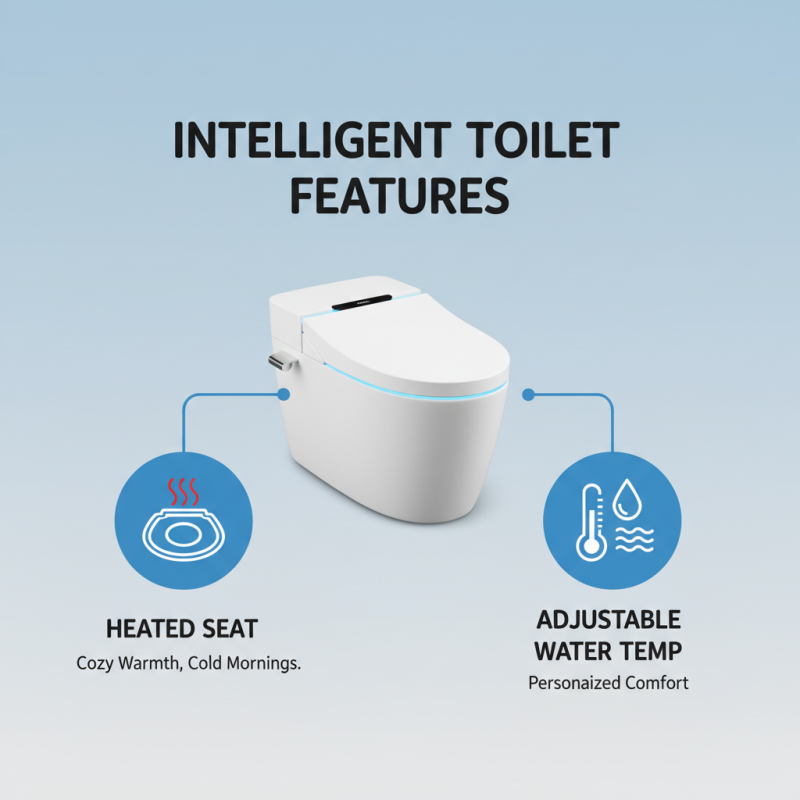
Lately, more and more folks are really into Intelligent Toilets. These high-tech fixtures aren’t just fancy—they actually add a layer of luxury and convenience to everyday life. They often come packed with cool features that make using them more comfortable and hygienic. For example, anIntelligent Toilet Seat might have heated seats, automatic lid opening, and water temperature you can adjust to your liking. Pretty neat, right? But here’s the thing—quality can vary a lot. Some models might feel flimsy or not so user-friendly, so it’s not like all of them are built the same.
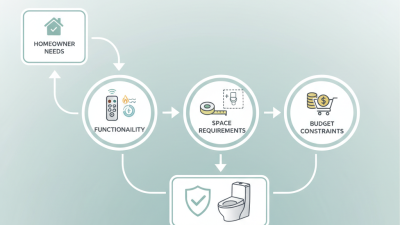
Not everyone finds these toilets super intuitive to use, either. Sure, some people are totally loving all the smart features, but others might find it overwhelming or just a bit confusing at first. Plus, they can be pretty pricey upfront, which can make you think twice. So, before jumping in, it’s a good idea to think about what you actually need and what feels right for your home. Doing a little research on these factors can help you find the perfect Intelligent Toilet for your space—and avoid any buyer’s remorse!
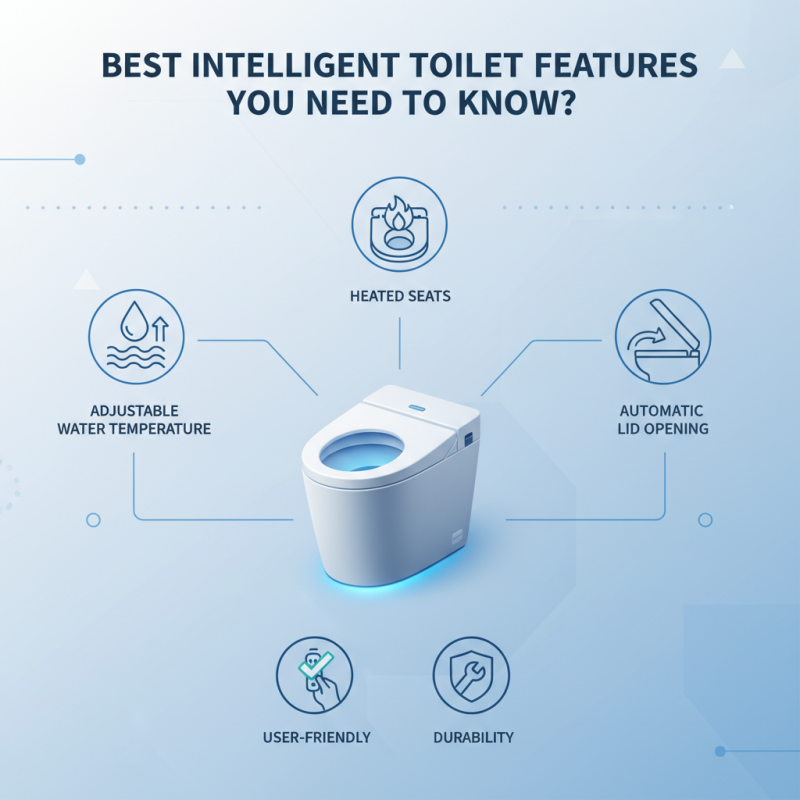
Best Intelligent Toilet Features: Key Innovations for Modern Bathrooms
The modern bathroom is transforming with the rise of the Intelligent Toilet. Features such as automatic lids, heated seats, and integrated bidet functions are revolutionizing user experiences. A report from the Global Market Insights indicates that the intelligent toilet market is expected to surpass $5 billion by 2026. This signals a growing demand for smart features that blend comfort and hygiene.
Smart sensors play a crucial role in these toilets. They can automatically detect user presence, reducing unnecessary water consumption and maintaining cleanliness. The convenience of remote controls or smartphone apps seamlessly integrates into the busy lives of users. Yet, user education is essential; some individuals may find the technology confusing or overwhelming. Manufacturers need to address these usability concerns to enhance user satisfaction effectively.
Another fascinating aspect is the water-saving capabilities of intelligent toilets. Studies show that these models can reduce water usage by up to 30% compared to traditional toilets. However, the initial investment can be daunting, leading some consumers to hesitate. This presents an opportunity for companies to improve on education about long-term savings and benefits. Balancing innovation and affordability remains a challenge in this evolving market, pushing for more inclusive designs.
Understanding Bidet Functions and Benefits in Intelligent Toilets
Intelligent toilets are becoming popular for their advanced features, especially bidet functions. A bidet offers a gentle water spray, promoting personal hygiene. It can reduce the need for toilet paper, which is eco-friendly. Many prefer this method for its cleanliness and comfort.
Using a bidet can be an adjustment. Some users may find it too strong or not effective enough. Experimenting with water pressure settings can help. Many intelligent toilets allow for minor tweaks to suit personal preferences. An OEM Intelligent Toilet Seat often provides customizable settings, making this easier.
Tip: Don’t hesitate to explore different spray patterns. They can significantly enhance your toilet experience. Another tip is to ensure the seat is heated to your liking. A too-cold seat can be off-putting. Taking time to find the right features is worthwhile and can improve daily routines.
Best Intelligent Toilet Features You Need to Know
| Feature | Description | Benefits |
| Heated Seat | A seat that warms up for comfort during cold weather. | Provides warmth and comfort, making bathroom visits more pleasant. |
| Bidet Functionality | Includes a water spray nozzle for cleaning after use. | Enhances hygiene and reduces toilet paper usage. |
| Automatic Flush | Flushing occurs automatically after use. | Promotes sanitation and convenience, ensuring cleanliness. |
| Deodorizer | Air purification system that neutralizes odors. | Maintains a fresh scent in the bathroom environment. |
| Adjustable Water Pressure | Allows users to control the force of the water spray. | Customizable comfort for varying preferences. |
| Night Light | Soft light to illuminate the toilet area at night. | Enhances safety and convenience for nighttime use. |
Smart Sensors: Enhancing User Experience and Hygiene Standards
The rise of intelligent toiletsis changing bathroom standards. Smart sensors play a crucial role in enhancing user experience and hygiene. These sensors can detect when a person approaches. This feature promotes hands-free operation, reducing the risk of germ transmission. Smart Toilets can even adjust settings based on user preferences.
For improved hygiene, consider cleaning sensors regularly. They can accumulate dirt, impacting their effectiveness. Additionally, check for any signs of malfunction. A broken sensor may lead to unintended surprises. While enjoying technology, stay aware of its limits.
Smart sensors can also optimize water usage. This feature can save money and resources. However, not all sensors are perfect. Some might misinterpret signals, leading to inconveniences. Users should be prepared for occasional glitches. Remember, technology enhances our comfort, but it’s not infallible.
Self-Cleaning Technology: The Future of Toilet Maintenance
Self-cleaning technology is changing how we think about toilet maintenance. This feature makes toilets easier to care for. Imagine a restroom where the toilet cleans itself after every use. It uses advanced sensors and cleaning agents to eliminate waste and bacteria. This leads to a more hygienic environment.
Not all self-cleaning systems are perfect. Some may struggle with certain types of stains or residues. Regular maintenance might still be required. Users might find that these toilets need occasional manual cleaning. The concept is promising, but the technology isn’t flawless. Manufacturers are constantly improving these systems to tackle these challenges.
Though self-cleaning toilets can offer convenience, they come at a higher cost. Users may hesitate to invest in this technology. It raises questions about effectiveness and longevity. Consumers should consider their cleaning habits before making a decision. Ultimately, it’s a balance between innovation and practicality.
Heated Seats and Adjustable Water Temperature for Comfort
Heated seats and adjustable water temperature are two standout features of intelligent toilets. Heated seats provide a cozy touch, especially during cold mornings. Imagine sinking into warmth as you start your day. This small luxury can transform a mundane routine into a soothing experience.
Adjustable water temperature enhances comfort as well. Customizing water temperature makes cleaning more pleasant. Some people prefer warm water. Others choose cooler options. Finding the right balance can be a bit tricky. It’s an element of personalization that many appreciate but sometimes overlook.
These features add layers of comfort, but not every user finds them essential. Some might feel overwhelmed by the technology. Intuitive use can take time. It’s a blend of convenience and adjustment. Every user should consider their own preferences carefully before embracing these innovations.
Integration with Smart Home Systems: A Seamless Experience
The integration of intelligent toilets with smart home systems offers a unique experience for users. According to a recent industry report, 45% of smart home device owners prefer products that seamlessly connect with their existing systems. This connection can bring comfort, efficiency, and enhanced control to daily routines. Imagine an intelligent toilet that adjusts the seat temperature according to the room climate. It can pre-warm the seat before you enter, providing an inviting experience.
Moreover, a study showed that 70% of users appreciate voice-activated functionalities. They can flush, adjust settings, or even ask for cleaning cycles without lifting a finger. However, integrating a Custom Intelligent Toilet Seat into a smart home system can pose challenges. Compatibility issues with certain devices might hinder the experience. Many homeowners find that some features underperform, leading to frustration.
Furthermore, security is a growing concern. With increased connectivity, vulnerabilities may arise. A survey indicated that 30% of consumers worry about hacking risk with connected toilets. This is something to reflect upon as the market expands. Despite these challenges, the journey toward a fully integrated smart bathroom holds significant promise for enhancing daily comfort and convenience.
Water Efficiency and Eco-Friendly Features in Intelligent Toilets
Intelligent toilets are becoming popular due to their eco-friendly features. Water efficiency plays a crucial role in their design. According to the Environmental Protection Agency, toilets account for nearly 30% of residential water use. Intelligent toilets often use 1.28 gallons per flush compared to older models that use 3.5 to 7 gallons. This means they can significantly reduce water consumption.
Many models also incorporate features like dual-flush systems. Users can choose a lower volume for liquid waste. This dual functionality can save an average household around 6,000 gallons of water annually. These savings translate into lower water bills and a lighter environmental footprint. The market is responding to this trend. Reports show that the demand for eco-friendly plumbing fixtures is expected to grow by 5% annually.
However, challenges remain. Not all consumers understand the benefits of transitioning to a Wholesale Intelligent Toilet Seat. Some may be hesitant about the upfront investment. Education on long-term savings and environmental impact is essential. As technology evolves, more features will likely emerge. Balancing innovation and practicality will be key to widespread acceptance.
The Ultimate Guide to AYDZ-CS03 Non-Electric Self-Cleaning Dual Nozzles Smart Toilet Seat: Convenience and Hygiene Redefined
The AYDZ-CS03 Non-Electric Self-Cleaning Dual Nozzles Smart Toilet Seat offers a remarkable blend of convenience and hygiene, redefining the way users experience personal cleaning. With its innovative design, this bidet toilet seat is engineered to elevate daily routines, providing a refreshing and thorough clean that leaves users feeling invigorated every day. The dual nozzles ensure a flexible cleaning experience, adapting to individual preferences for comfort and cleanliness.
One of the most appealing features of this model is its non-electric operation. Contrary to many modern bidets, which require complicated electrical setups, this toilet seat simply connects to your existing water supply. The ease of installation eliminates the need for a wall outlet, allowing for a hassle-free setup. Users can easily adjust the water pressure by controlling the intuitive rotating knob, making it accessible for everyone. This simplicity, combined with effective self-cleaning capabilities, makes it an ideal choice for those seeking a practical and efficient solution for personal hygiene.
FAQS
: It can be used for various applications, like home organization and crafting. Flexibility is a key feature.
Use a damp cloth with mild soap. Avoid harsh chemicals that may damage the surface.
While it can withstand some weather, prolonged exposure may lead to wear. Always check local conditions.
Customization options may be limited. Some users have found creative ways to personalize their items.
Report any defects as soon as possible. Kept items without usage may need a careful review.
It's recommended for adults. Supervision may be needed for younger users, as it can pose risks.
Keep it in a cool, dry place. Improper storage can lead to damage over time.
It can handle moderate weight, yet exceeding limits could result in breakage. Check specifications before use.
Always follow guidelines provided. Be aware of how you handle it to prevent accidents.
Check online resources or community discussions. Peer feedback can provide insight into user experiences.
Conclusion
Intelligent toilets are revolutionizing modern bathrooms with their innovative features that enhance comfort and hygiene. Key innovations include smart sensors that optimize user experience and maintain high hygiene standards, as well as self-cleaning technology that minimizes maintenance efforts. Additional comfort features such as heated seats and adjustable water temperatures create a personalized experience for users.
Furthermore, intelligent toilets often integrate seamlessly with smart home systems, allowing for easy control and customization. Eco-friendly features and water efficiency are also significant benefits, aligning modern bathroom design with sustainability goals. Overall, the adoption of intelligent toilets reflects a shift towards more advanced, user-friendly bathroom solutions that prioritize comfort and environmental responsibility.



 Bathroom Application
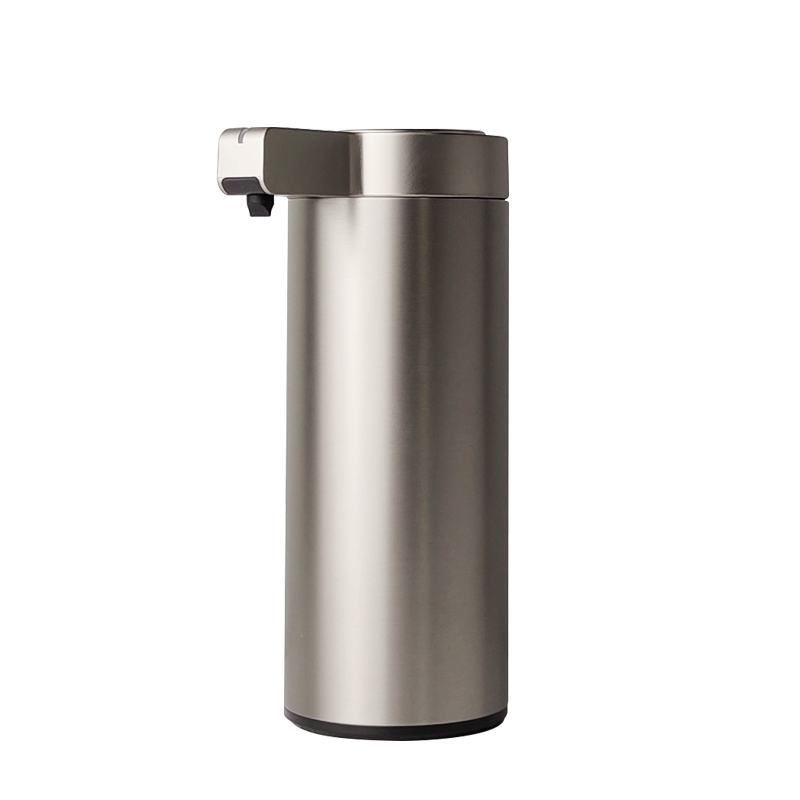 Automatic Soap Dispenser
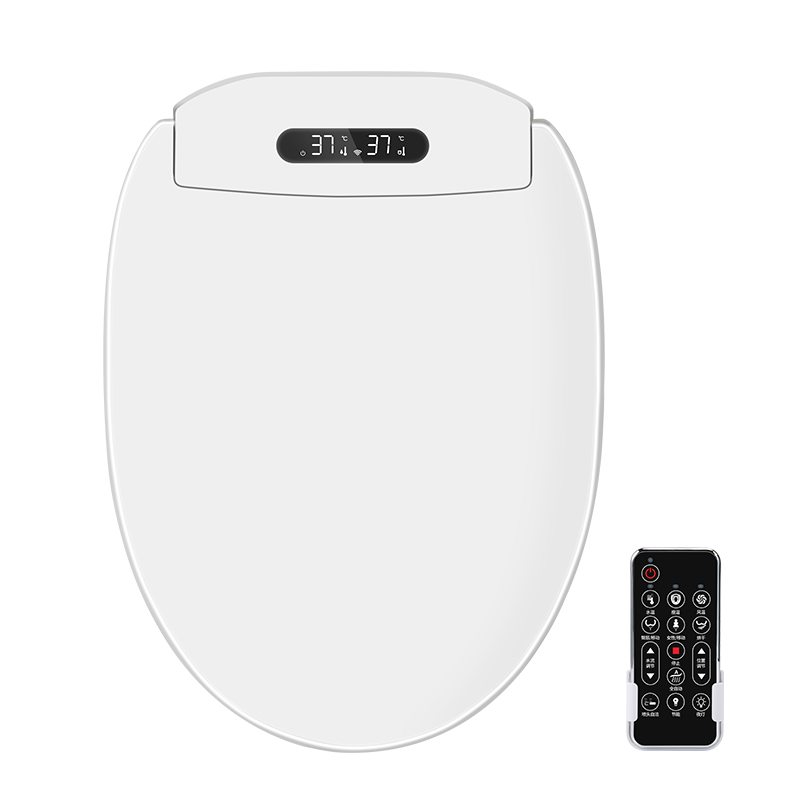 Smart Toilet Seat
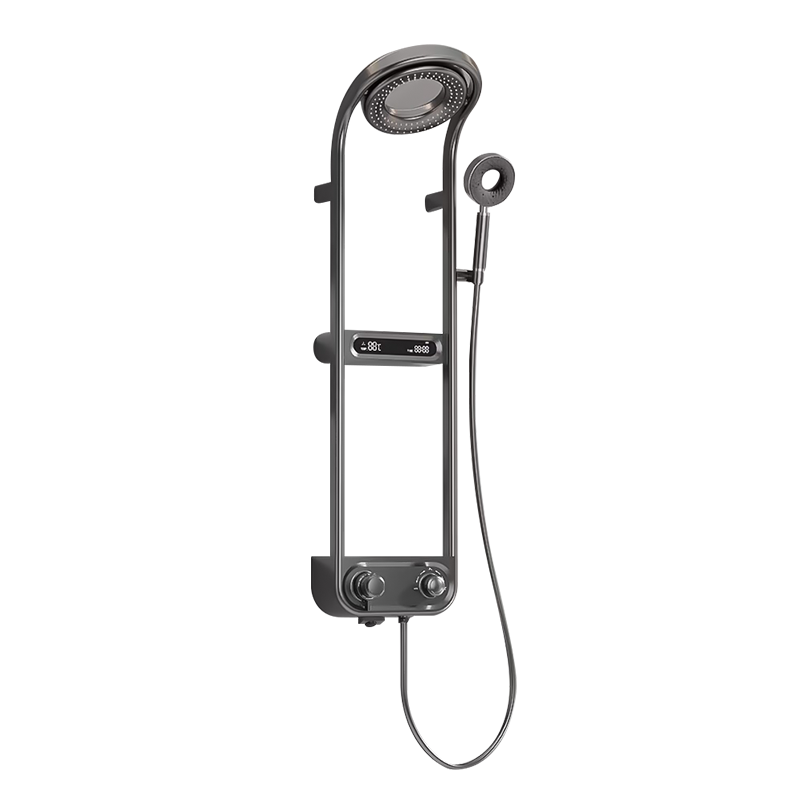 Shower Set
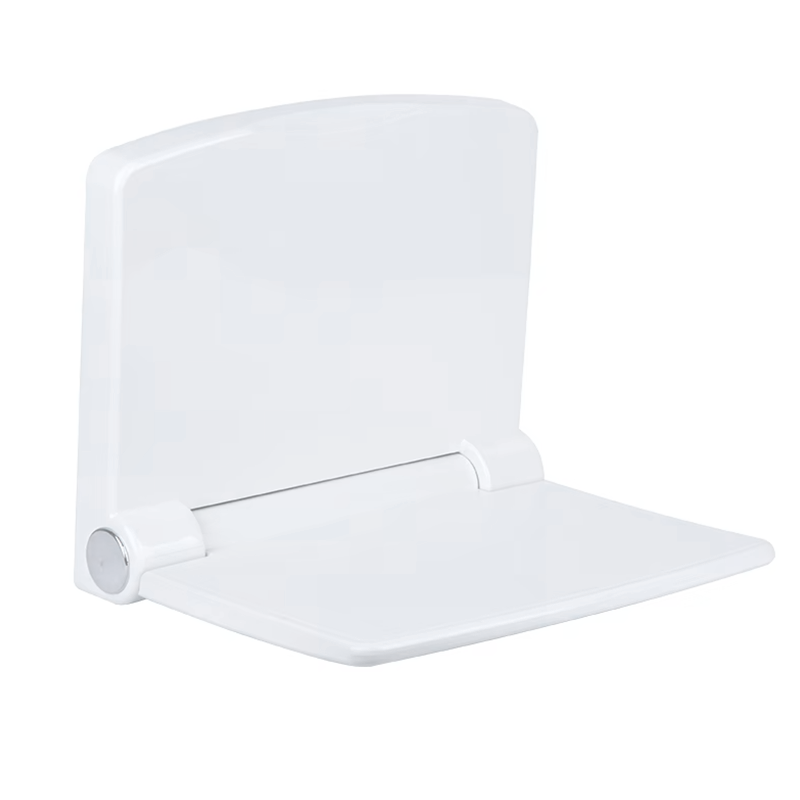 Shower Seat
 kitchen Application
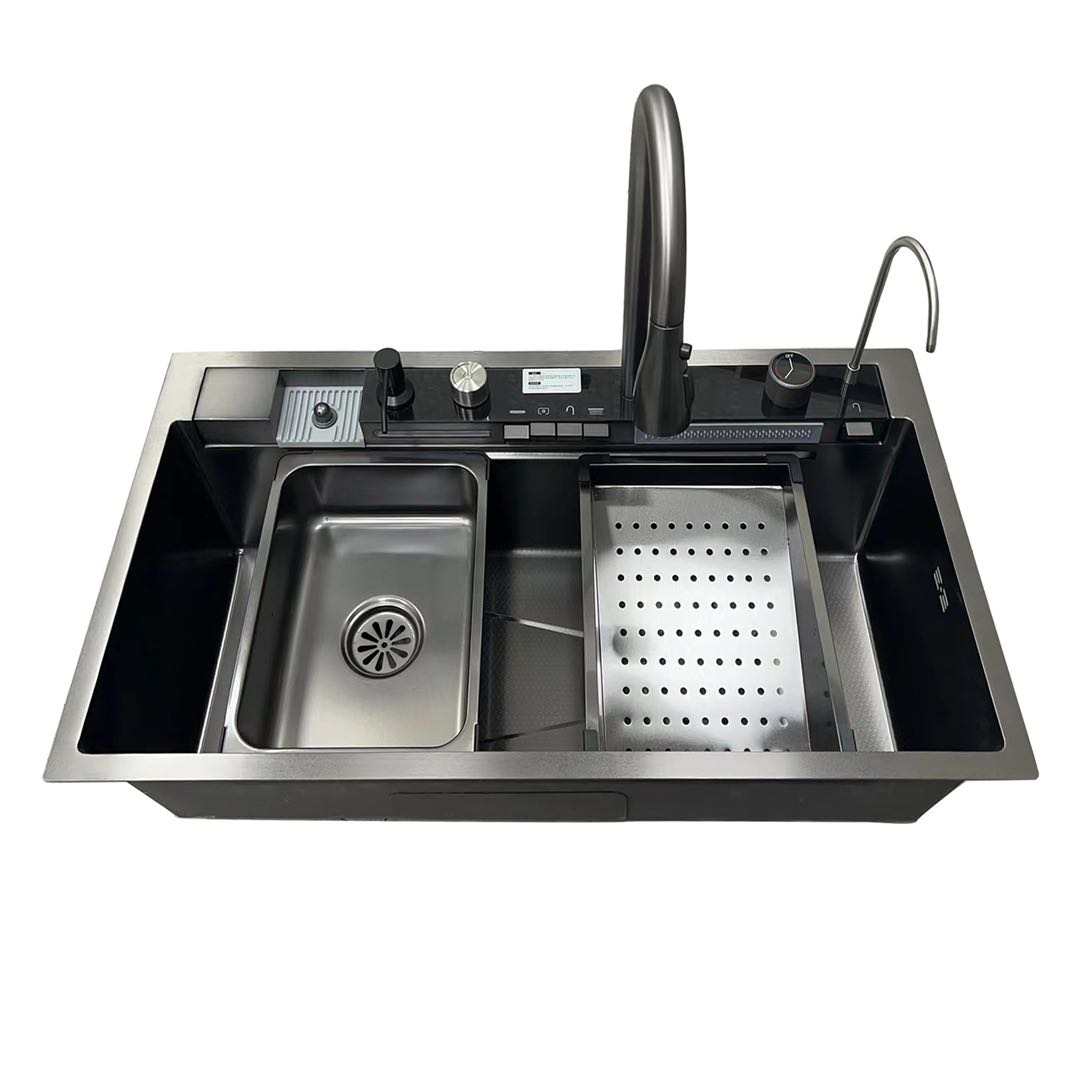 Kitchen Sink
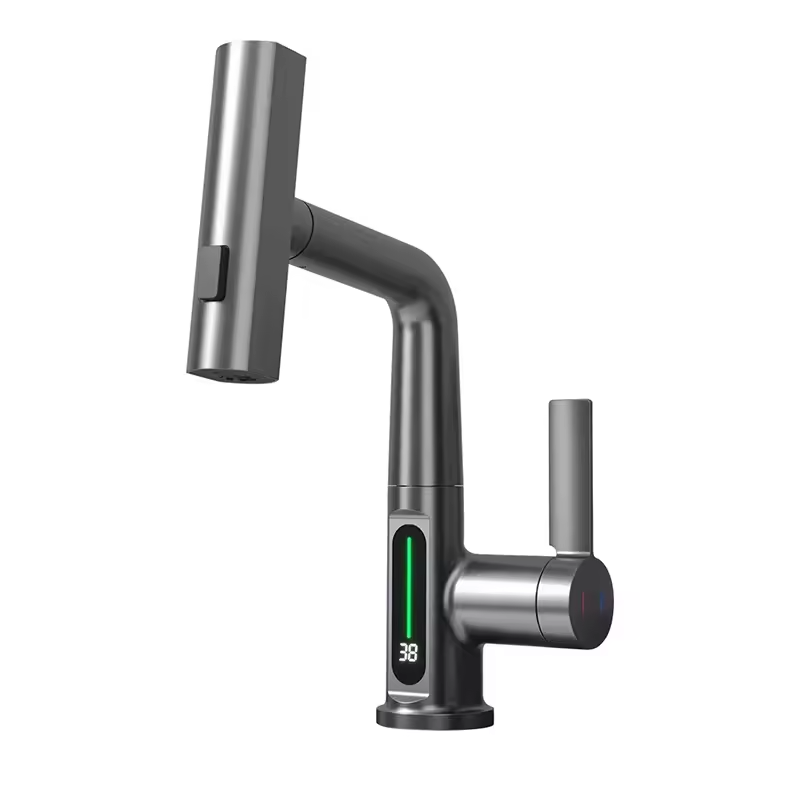 Kitchen Faucet
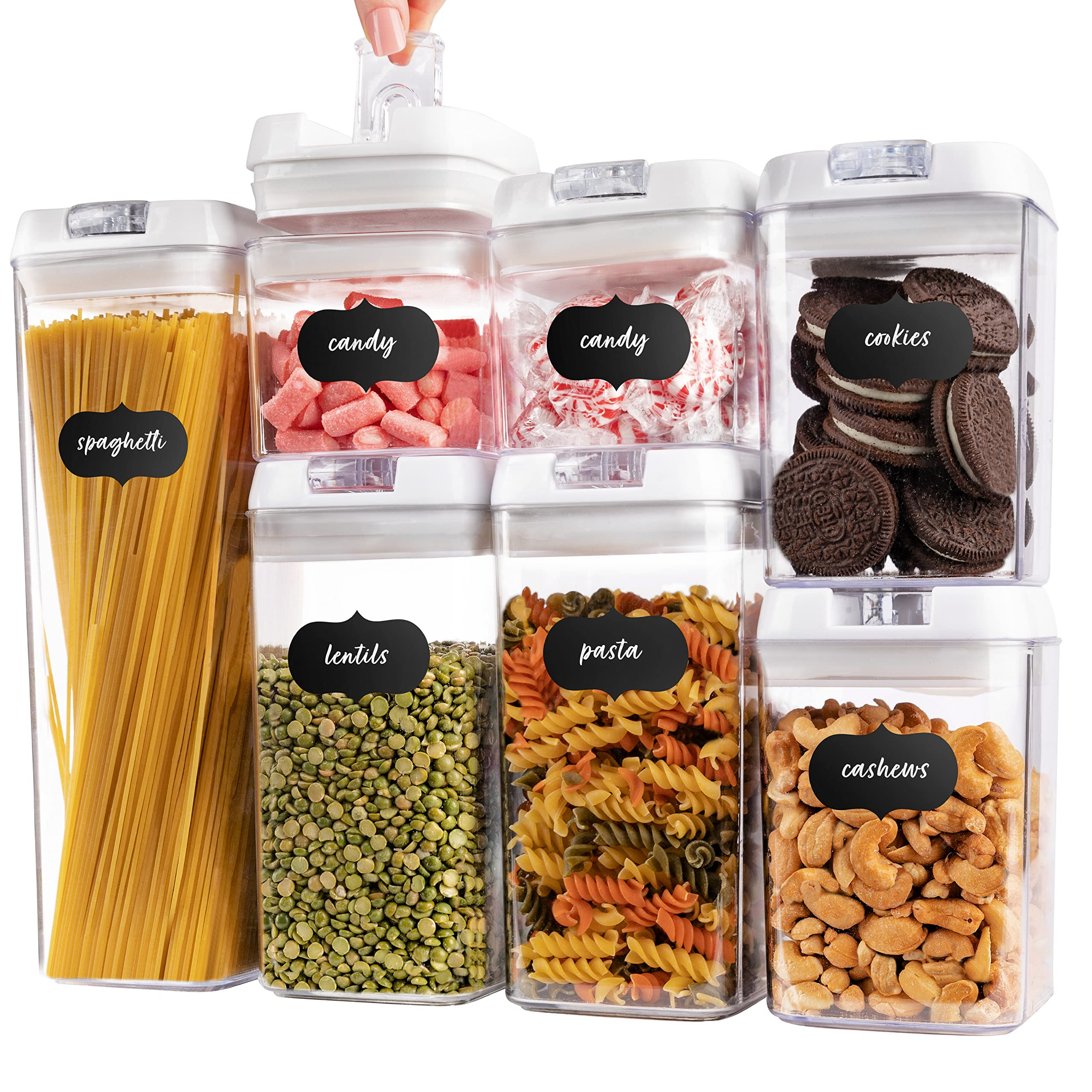 Kitchen Storage
 Home Appliance
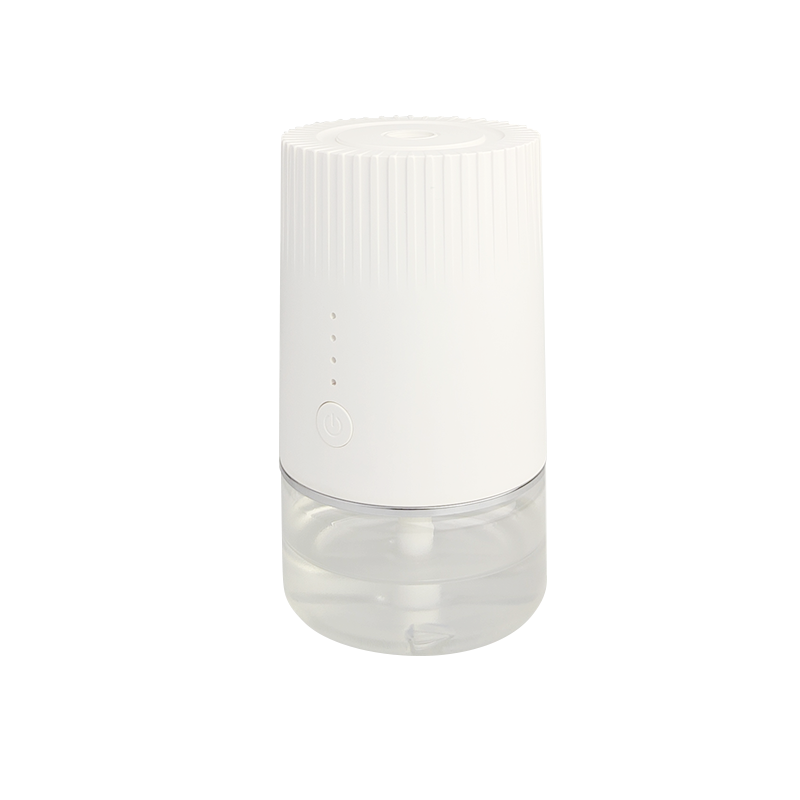 Aroma Diffuser
 Fans