Bathroom Application
 Automatic Soap Dispenser
 Smart Toilet Seat
 Shower Set
 Shower Seat
 kitchen Application
 Kitchen Sink
 Kitchen Faucet
 Kitchen Storage
 Home Appliance
 Aroma Diffuser
 Fans
 Night Vision Monocular
 Night Vision Binoculars
Leave Your Message
A Smart Toilet Cover can really transform an ordinary bathroom trip into something warmer, cleaner, and just more comfortable overall. But honestly, the best pick depends on your toilet setup, who’s using it, and which features matter most day to day. For instance, heated seats are a total game-changer when it’s chilly out. And let’s be real – a reliable wash function usually matters way more than having a ton of bells and whistles. Sometimes, it’s the little details that make all the difference.
This 2026 guide chats about stuff like the shape of the seat, installation needs, water and power hookups, cleansing controls, drying quality, and how easy it is to keep clean. It also points out some practical limits—like, does the cover need a nearby outlet? Will it fit on an unusual-shaped toilet? And a fancy control panel? Great, unless it’s confusing to use late at night.
The goal here isn’t to push some sales pitch but to offer a real, grounded comparison. It’s super important to double-check measurements and manufacturer instructions before you buy. Think about who’ll be using it most and whether the controls are easy for them to access. Because, at the end of the day, comfort is very personal.
Since no expert quotes or sources are included here, this isn’t about quoting specialists or pretending to have all the answers. That’s actually pretty important. A solid buying guide should tell you what’s been tested versus what’s just marketing fluff and be honest about where there’s missing info. The list of options below aims to help you narrow things down, but remember—lifting that price tag doesn’t necessarily mean it’s the right one for you.
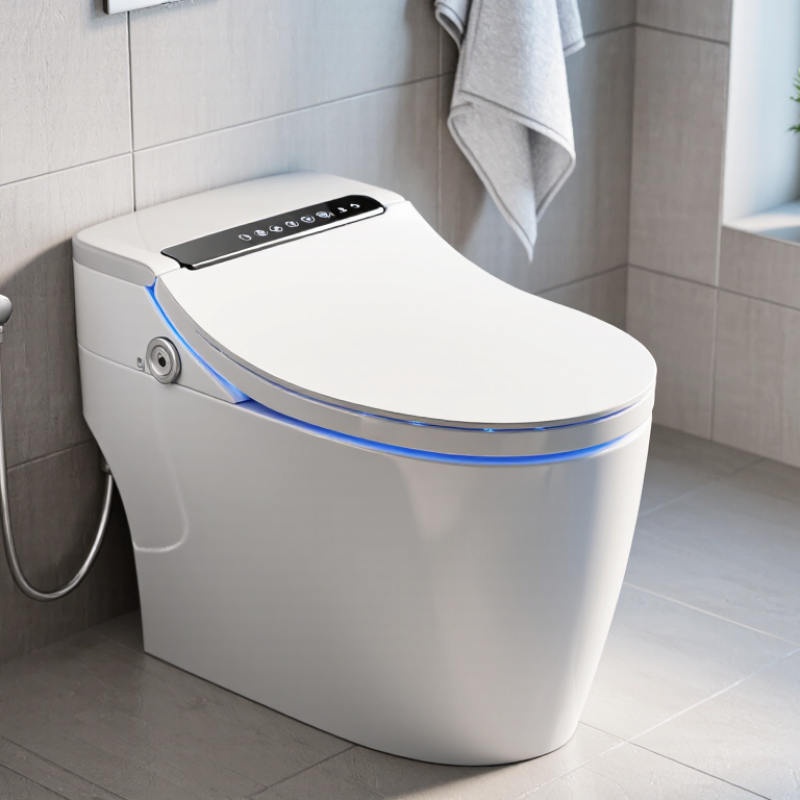
A Smart Toilet Seat Cover replaces a standard toilet seat and adds washing and comfort features. It usually connects to the toilet’s water supply and, for powered functions, a nearby electrical outlet. A small control panel or remote lets the user adjust settings. The exact features vary by model.
During a wash cycle, water flows through an internal line to a retractable nozzle. The user can often change water temperature, pressure, or spray position. Some covers also warm the seat, dry the user with gentle air, or open and close the lid automatically. Sensors may prevent certain functions from running when nobody is seated. Small details matter.
The cover does not clean itself completely. Nozzles may rinse automatically, but regular cleaning is still needed. Installation also depends on toilet shape, water access, and outlet placement; measuring first can prevent a frustrating mismatch. A powered cover may need professional installation if the connection is unclear. The controls can take time to learn, and a feature-rich unit is not automatically more comfortable. Check how its adjustments feel in everyday use, not just how many settings it lists.
| Feature or component | What it is | How it works | What to check when choosing |
|---|---|---|---|
| Smart toilet cover | A powered replacement toilet seat and lid that adds electronic functions to a compatible toilet. | The cover connects to household electricity and, for washing functions, to a water supply. Controls operate the features built into the seat. | Confirm bowl shape, mounting-hole spacing, available space, and the model’s installation requirements before buying. |
| Bidet washing | A retractable nozzle that directs a stream of water for personal cleansing. | When activated, the nozzle extends and sprays water. Many covers let users adjust settings such as water temperature, pressure, or spray position. | Check which adjustments are available and whether the unit requires a nearby water connection. |
| Water heating | A feature that warms water used by the washing function. | Depending on the design, water may be heated in a small reservoir or as it flows through the unit. Heating methods and performance vary by model. | Compare the heating approach, temperature controls, and electrical requirements in the product specifications. |
| Heated seat | An electric heating element inside the toilet seat. | A control or sensor activates the seat heater; many models offer selectable temperature settings or an energy-saving mode. | Look for adjustable settings and a way to reduce or disable heating when it is not needed. |
| Air drying | A built-in fan that directs warm air toward the user after washing. | The fan moves air through a heating element and out of a vent. Drying time and warmth depend on the particular model and settings. | Check whether a dryer is included and remember that it may not eliminate the need for toilet paper. |
| Controls and sensors | Buttons, a side panel, or a remote control used to operate the cover. | Controls select functions and settings. Many models use a seat sensor to prevent washing functions from operating when the seat is unoccupied. | Consider control accessibility, readable labels, and whether the remote or panel suits the intended users. |
| Nozzle cleaning | A rinsing function designed to wash the bidet nozzle. | Depending on the model, the nozzle may rinse before or after use, or users may activate a cleaning cycle. This is a maintenance aid, not a substitute for periodic cleaning. | Review the cleaning instructions and whether the nozzle can be accessed for manual care. |
| Power and plumbing | The electrical outlet and water connection needed for powered features. | Electricity runs the controls and features such as heating or drying; the washing function uses water supplied through a connection specified by the manufacturer. | Check outlet location, electrical safety guidance, water-line compatibility, and installation instructions. Requirements differ among products. |
| Fit and installation | The physical compatibility of the cover with the existing toilet. | The original seat is removed and the replacement is secured to the toilet bowl, then connected as directed. Some toilets may not accommodate every cover shape or size. | Measure the bowl and mounting points, and compare them with the installation diagram before purchase. |
| Choosing the best fit | The most suitable cover depends on the toilet, available connections, and the user’s preferred features. | A practical comparison weighs fit, controls, washing adjustments, cleaning needs, power requirements, and the functions that will actually be used. | Prioritize verified compatibility and clear installation and care instructions over features that are not needed. |
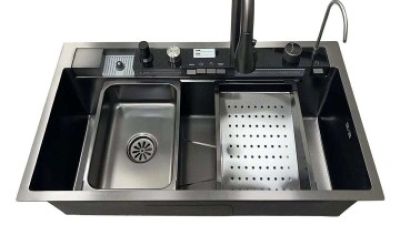
The 2024 Houzz & Home Study reported that median spending on kitchen renovations in the United States rose to $24,000 in 2023, up from $20,000 the previous year. That investment makes durable materials and useful everyday features important considerations. A waterfall Kitchen Sink made from 304 stainless steel offers a sturdy foundation, while its nano coating is designed to resist rust and corrosion and make routine cleaning easier.
Practical details can also shape the experience of a kitchen upgrade. The sink’s dual waterfall outlets provide a broad flow for rinsing fruits and vegetables, and a three-mode pull-out faucet lets users adjust the spray and reach different areas of the basin. A creative button-control layout keeps functions accessible, helping streamline common washing tasks without adding unnecessary steps.
An integrated digital display shows tank temperature and drainage time in real time, drawing power from the unit’s internal hydroelectric system. Drainage is operated with a panel-mounted knob: turn it to release water. Together, these features bring water control, visible operating information and flexible rinsing into one workstation—useful considerations for homeowners seeking to make a kitchen renovation both durable and convenient.
Measure the bowl’s length, width, and mounting-hole spacing. Compare them with the installation diagram. Double-check the measurements; diagrams can be easy to misread.
Look for a nearby grounded outlet and enough wall clearance for the lid to open fully. Ask a qualified electrician about electrical protection requirements.
Not necessarily. A bidet seat uses wash water but does not replace the toilet’s flush. Don’t rely on water savings alone.
Adjustable water temperature, pressure, and nozzle position can help users find a comfortable setting. A heated seat may feel welcome on cold mornings.
Check whether the cover can be installed and removed without major changes. Confirm the instructions suit your bathroom setup.
Clear controls, a gentle-closing lid, and a night light may make use easier. Tiny buttons can be awkward with wet hands.
Wipe it with a soft cloth and mild cleaner. Avoid abrasive pads, clean the nozzle as directed, and check hoses for drips. Maintenance isn’t zero.
Review warranty terms, replacement-part availability, cleaning access, and manual clarity. A complicated cover can become frustrating to maintain. I’d check that twice.
A Smart Toilet Cover upgrades an existing toilet with features designed to improve comfort, cleanliness, and convenience. Depending on the model, it may include adjustable warm-water washing, heated seating, air drying, odor control, and simple controls. Understanding how these functions work—and which ones matter most—helps shoppers compare different cover types without paying for features they may not use.
The best choice depends on more than comfort. Consider washing performance, ease of cleaning, safety features, water and energy use, and whether the cover fits the shape and size of your toilet. Check installation requirements and available power and water connections before buying, then factor in routine care, such as cleaning nozzles and replacing filters when needed. By weighing compatibility, maintenance, and everyday priorities, households can select a smart toilet cover that suits their space, budget, and preferred level of convenience.