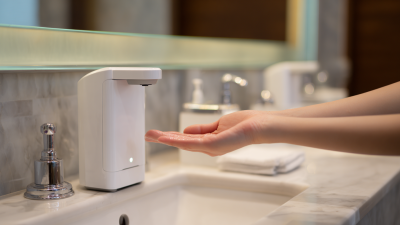
You know, Plastic Soap Dispensers are everywhere — in homes, cafes, you name it. But honestly, they’ve had their fair share of design issues that make using them kinda frustrating. I recently read a report from Grand View Research saying the global market for soap dispensers is expected to hit around USD 3.6 billion by 2025, mostly because people are more focused on hygiene and convenience these days. Still, a lot of the plastic ones out there tend to clog up, leak, or just don’t last long — which, let’s be honest, can really ruin your day and leave users annoyed.
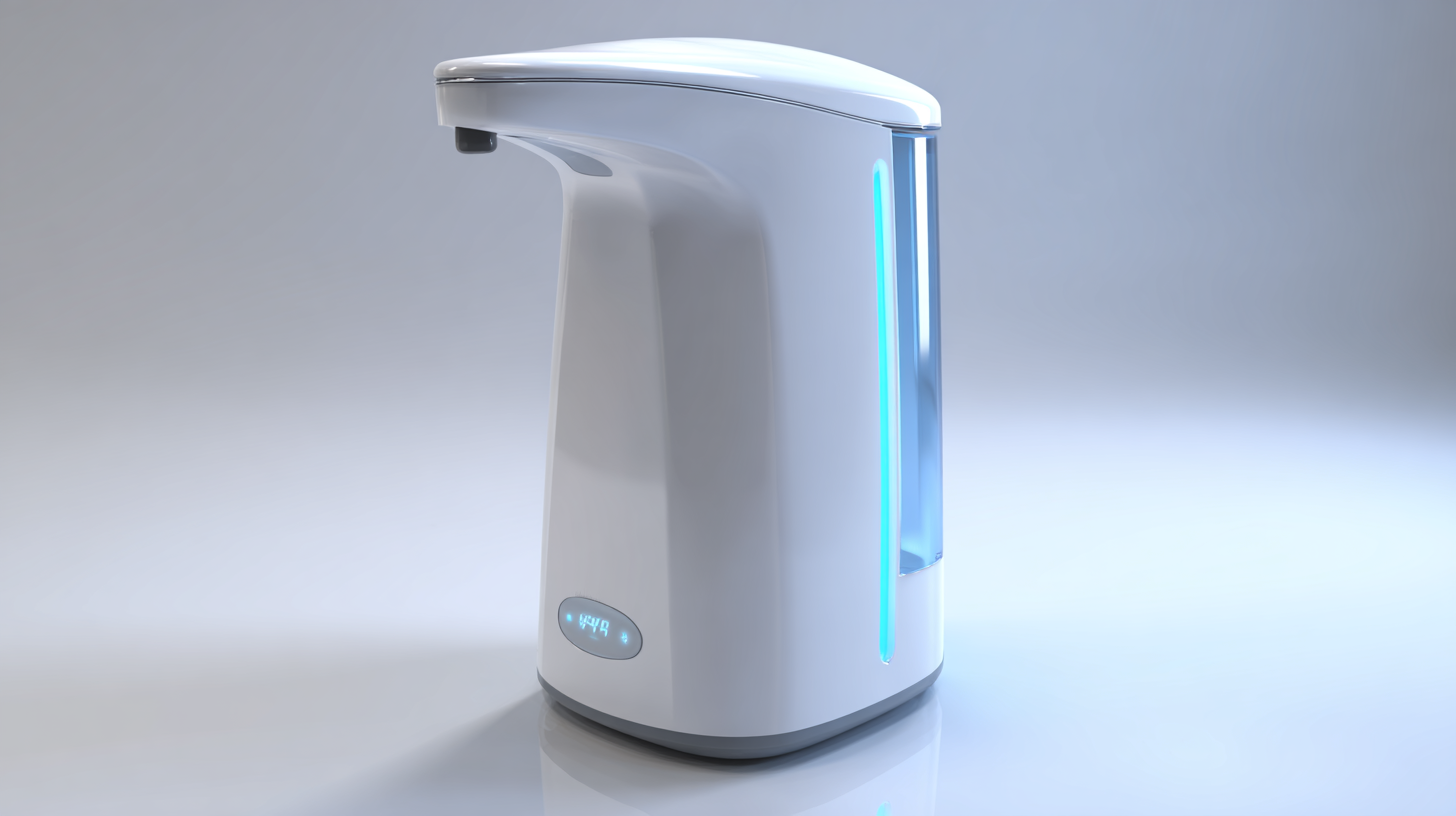
That’s where Iyinlihua Intelligent Electrical Appliances (Zhuhai) Co., Ltd. comes in. They totally get these problems and are working hard to shake things up in the smart bathroom accessories world. Through its AIN LEVA brand, which specializes in automatic soap dispensers, they’re using the latest tech and research to fix these common issues. The goal? Make soap dispensing smoother, more reliable, and improve overall user satisfaction — all while helping keep our spaces cleaner and more hygienic.
It’s exciting to see how they’re really stepping up to make life a little easier and a lot cleaner for everyone.
Common Design Flaws in Plastic Soap Dispensers
When it comes to plastic soap dispensers, the design really makes a huge difference in how easy and enjoyable they are to use. You know, one of the biggest annoyances is the pump often acting up or feeling wonky. A lot of these dispensers are made with cheap plastic parts that tend to clog or get jammed pretty easily, which is super frustrating. When the soap just doesn’t come out properly, it can cause waste and leave users feeling annoyed, sometimes even looking for a better option.
Another common issue is that many designs forget about how people actually use them. Some dispensers are really tough to operate with just one hand — you often need to push hard or squeeze multiple times, which isn’t ideal, especially in kitchens or bathrooms where your hands are usually wet or full. Plus, the placement and size of the nozzle can sometimes cause soap to spill everywhere, leaving a mess on counters and making it harder to clean up. Honestly, if designers paid a little more attention to making these dispensers more user-friendly and cleaner to use, it would make a big difference in the overall experience. Simple stuff, but it really impacts how much people like (or dislike) them.
Impact of Ergonomics on User Experience with Soap Dispensers
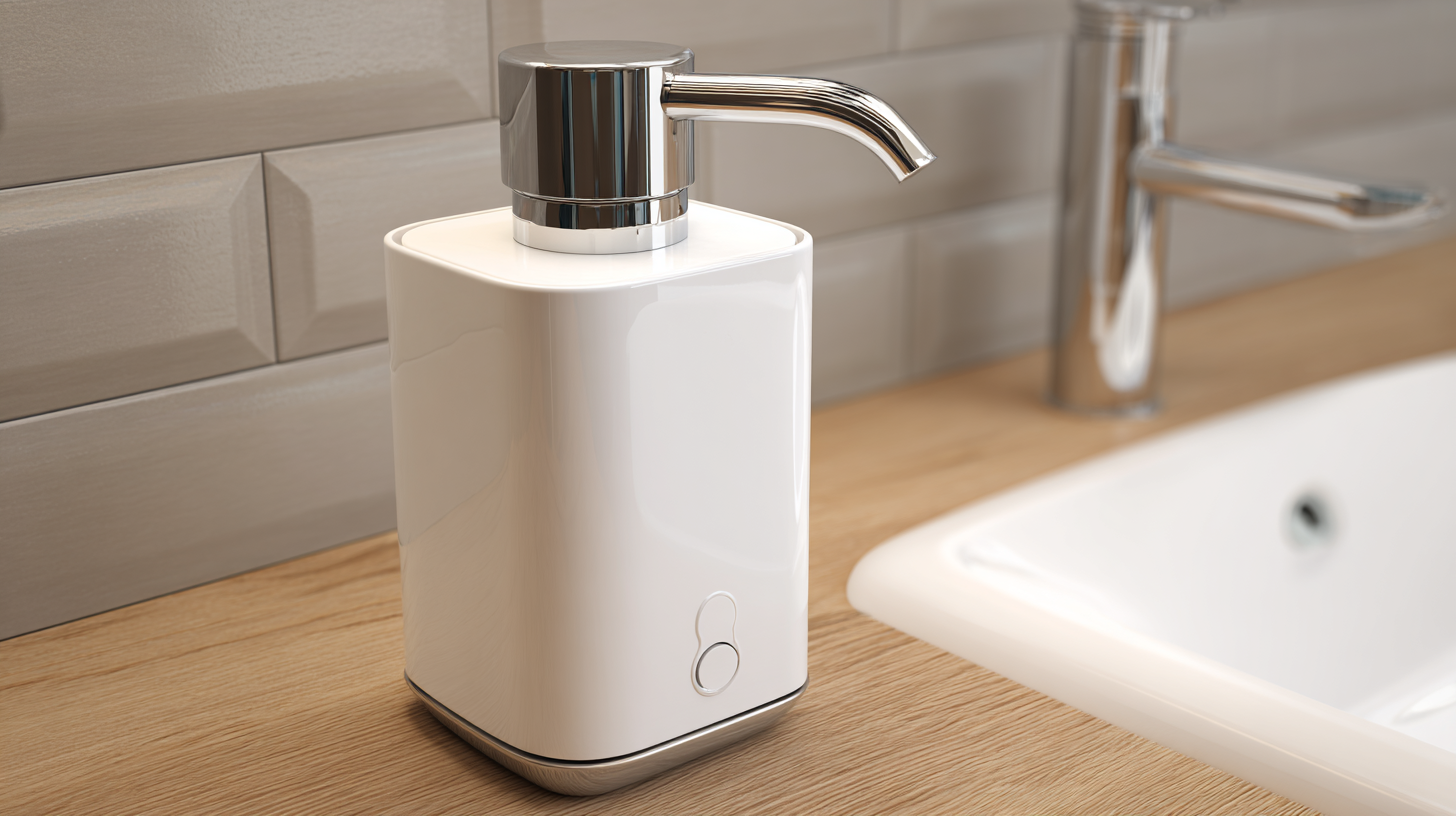
When thinking about designing plastic soap dispensers, one thing that really makes a difference is how comfortable they are to use — because nobody wants a frustrating experience, right? If the pump is tricky or needs way too much force, it can be super annoying, especially for kids or folks with weaker grip strength. A good dispenser should let you get soap easily, without much effort, making handwashing a simpler, more pleasant task.
To really boost ergonomics in soap dispenser design, manufacturers might want to keep a few things in mind. For starters, the height and angle should work well for everyone, from little kids to older adults — basically, it should be reachable without straining. Also, a bigger, softer-to-press pump can make life easier by reducing the need for force, which is a big plus for accessibility. And don’t forget about materials — grips that feel good in your hand can make a world of difference, turning a routine chore into something less of a hassle.
Plus, the look of a well-designed, ergonomic dispenser isn’t just about functionality — it can actually make users feel better about the product. Simple shapes that fit comfortably in your hand tend to invite more use, which can help encourage better hygiene habits. Basically, good design isn’t just about making things work — it’s about creating a positive experience that makes people want to use the product more often. Ergonomics is about how it feels, how it looks, and how it overall impacts the everyday experience.
Sustainability Challenges in Plastic Soap Dispenser Manufacturing
You know, plastic soap dispensers have pretty much been a staple in both homes and businesses for ages. But here’s the thing — their production isn’t exactly eco-friendly. According to a report from the Ellen MacArthur Foundation, around 80% of these dispensers are made from plastics like polycarbonate and polypropylene, which actually come from fossil fuels. Manufacturing all that plastic bumps up greenhouse gas emissions by about 3.8 gigatons every year. As folks become more mindful about the environment, it’s clear we really need to start addressing these issues — it’s more urgent than ever.
And, it’s not just about how they’re made. When it comes to what happens at the end of their life, plastic soap dispensers also pose a big challenge. The same report points out that less than 10% of plastic waste worldwide gets recycled — most ends up in landfills or sadly, our oceans. Luckily, there’s a lot of talk about new materials that can biodegrade and refillable systems are catching on. A 2022 market analysis by Grand View Research also predicts that the global biodegradable plastic market could hit nearly $23 billion by 2028 — a clear sign that people and companies are moving towards greener options. As manufacturers start responding to this demand, ditching traditional plastic dispensers might just help us all move toward a more sustainable future.
Innovative Materials: Alternatives to Traditional Plastics
You know, the classic plastic soap dispenser has been a familiar fixture in homes and public restrooms forever. But with all the talk about environmental stuff, we've started looking for smarter, greener options that can take the place of those old-school plastics. One that’s catching on lately is bioplastics—these are made from renewable resources like cornstarch or sugarcane. Not only do they cut down on our dependency on fossil fuels, but they’re also biodegradable, which means they break down naturally—pretty neat, right?
When you're shopping around for alternatives, don’t forget to check out metal options too, like stainless steel. They’re super sturdy, resistant to rust, and they look really sleek and modern in any bathroom or kitchen. Plus, since stainless steel can be recycled, it’s a win for the environment too.
**A little tip:** When you're picking out soap dispensers, try to look for labels or certifications that show the materials are sustainable or biodegradable—that’s a good sign you're making a more eco-friendly choice.
And speaking of innovative solutions, recycled plastics are also making waves. These plastics are turned into new products after being used once, which helps cut down waste and keeps the cycle going. As more of us become conscious consumers, choosing products made from recycled materials can really make a difference for our planet.
**Another tip:** Support brands that really care about sustainability and are transparent about where their materials come from—that way, your purchase is helping to reduce plastic pollution, not just adding to it.
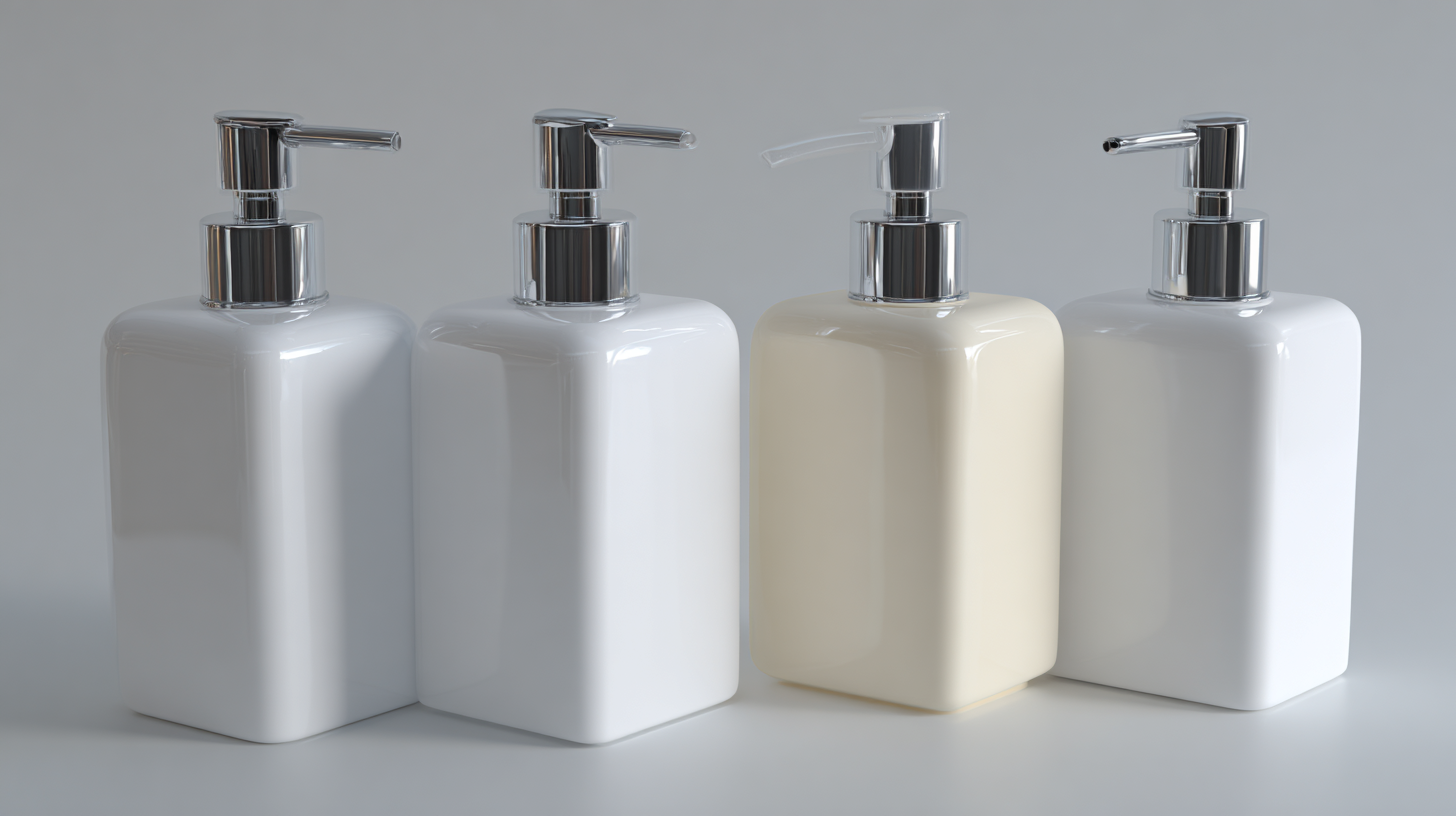
Enhancing Functionality: Features to Look for in Soap Dispenser Designs
When you're picking out a soap dispenser, really think about how it functions — that should be your main priority. One key feature to consider is the dispensing mechanism. You’ve got a few options here, from the old-school push-button types to those fancy touchless, sensor-activated models. This variety means you can pick what feels right for your needs and preferences, especially when hygiene is a concern. Touchless dispensers are pretty great, especially because they cut down on cross-contamination, making them a solid choice for busy kitchens or public bathrooms.
Another thing to think about is how big the dispenser is and how easy it is to refill. If you're dealing with high traffic, a larger capacity can save you from constantly refilling. Plus, it’s super helpful if the design makes refilling mess-free — nobody wants soap squirting everywhere, right? Some units even have transparent windows so you'll know when it’s time for a refill, which is a nice little bonus to keep things running smoothly.
And don’t forget about what the dispenser’s made of and how it looks. You’ll want something sturdy that can handle daily use without cracking or chipping. At the same time, a sleek, modern look can really upgrade the space and fit in nicely with your decor. Picking a dispenser that’s both practical and good-looking makes hand hygiene feel a bit more appealing and, honestly, kind of enjoyable.
Issues Faced with Plastic Soap Dispenser Designs - Enhancing Functionality: Features to Look for in Soap Dispenser Designs
| Feature | Importance | Common Issues | Improvement Suggestions |
| Durability | High | Easily cracked or broken | Use sturdier materials |
| Pump Mechanism | Critical | Clogs easily, inconsistent dispensing | Design for ease of cleaning |
| Aesthetics | Moderate | Unattractive designs | Incorporate modern styling |
| Size | High | Too bulky for compact spaces | Create more compact designs |
| Refill Mechanism | Important | Difficult to refill without spills | Add a wide mouth for easy filling |
Consumer Preferences: How Feedback Shapes Soap Dispenser Innovations
You know, consumer feedback really shapes how plastic soap dispensers look and function these days. So, there was this recent study by the Consumer Product Safety Commission (CPSC), and turns out, a solid 78% of folks care most about how easy and practical the dispenser is to use when they're picking one out. That kind of input pushes manufacturers to get creative, focusing on features that make the whole experience smoother for users. Plus, with more places introducing touchless soap dispensers, people are really into options that help reduce mess and germs, especially in public spots. In fact, the popularity of touchless models has gone up by about 60% over the past five years — shows just how much customer preferences are shaping the market.
And it’s not just about convenience anymore — folks are also super concerned about sustainability. A 2023 report from the EPA revealed that around 67% of consumers are willing to pay a bit more for eco-friendly stuff. That’s pushing companies to experiment with biodegradable materials and refillable systems to meet this demand. As customer opinions continue to influence product innovations, I think we’re about to see some pretty exciting changes in how soap dispensers are designed — balancing better functionality with a greener mindset.
Elevate Your Hygiene: Discover the AYZD-SD023 500ml Automatic Sensor Soap Dispenser for Effortless Cleanliness
With the rise of awareness around hygiene and cleanliness, products that facilitate effortless sanitation in our daily lives have become essential. The AYZD-SD023 500ml Automatic Sensor Soap Dispenser embodies this movement, offering a seamless solution for maintaining hygiene at home or in commercial spaces. Featuring a generous 500ml capacity, the dispenser reduces the frequency of refills, allowing users to focus on cleanliness without constant interruption. Reports indicate that automatic dispensers can reduce the transfer of germs by up to 50%, making the AYZD-SD023 an ideal choice for families and businesses seeking to enhance their hygiene protocols.
Equipped with a transparent bottle, the AYZD-SD023 allows users to easily monitor the remaining amount of soap, ensuring that they are never caught off guard with an empty dispenser. This thoughtful design feature not only adds convenience but supports sustainability by minimizing waste associated with overuse or frequent refills. The versatility of this dispenser is remarkable, accommodating a wide variety of liquid soaps including hand soaps, shampoos, and even laundry detergents. According to industry studies, the incorporation of automatic soap dispensers in homes and workplaces can lead to higher handwashing compliance rates, further promoting overall cleanliness and health.
In today's world, where hygiene standards continue to evolve, the AYZD-SD023 stands out as a practical and stylish accessory. By investing in an automatic soap dispenser, users are not only committing to their own hygiene but also contributing to a broader culture of cleanliness in their communities.
FAQS
: The main challenges include the significant greenhouse gas emissions from manufacturing, as well as poor end-of-life management, with less than 10% of plastic waste being recycled globally.
Traditional plastic soap dispensers are primarily made from polycarbonate and polypropylene, both derived from fossil fuels.
Eco-friendly alternatives include bioplastics made from renewable resources, stainless steel dispensers, and products made from recycled plastics.
Consumer feedback plays a crucial role, with a strong preference for functionality and ease of use driving manufacturers to innovate designs and incorporate features like touchless technology.
Yes, a 2023 report indicated that 67% of consumers are willing to pay more for eco-friendly products, influencing manufacturers to explore biodegradable materials and refillable systems.
The biodegradable plastic market is expected to reach $22.9 billion by 2028, indicating a growing shift towards more sustainable alternatives and responding to consumer demand for environmentally friendly options.
Stainless steel soap dispensers are durable, resistant to corrosion, have a modern aesthetic, and can be recycled, contributing to a more sustainable lifecycle.
Consumers can look for certifications indicating sustainable or biodegradable materials and support brands that prioritize sustainability and transparency in their materials sourcing.
The preference for touchless options has surged by 60% over the last five years, especially in public spaces, highlighting the impact of consumer preferences on design choices.
Conclusion
So, I came across this blog titled "Issues Faced with Plastic Soap Dispenser Designs," and honestly, it touches on some pretty important points. It points out a bunch of common design flaws in plastic soap dispensers that can really make life frustrating for users—like, sometimes they just don't feel right to use, you know? The whole discussion makes a good case for more thoughtful, ergonomic designs that actually improve usability. On top of that, it dives into the environmental side of things, highlighting how manufacturing plastic products can be pretty tough on our planet. The piece really pushes for the industry to start exploring new, innovative materials that could be decent substitutes for traditional plastics.
What’s also interesting is how it stresses the need for soap dispensers to do more—think features that match what modern users actually want. If companies, like Iyinlihua Intelligent Electrical Appliances, pay attention to feedback, they could really step up their game and bring some fresh ideas to the table. Overall, the message is about encouraging manufacturers to stay true to solid design principles while being eco-conscious at the same time—because, let’s be honest, nobody wants a dispenser that’s just plain annoying or bad for the environment. So yeah, this blog aims to inspire folks to think differently about how they design and produce these everyday items.



 Bathroom Application
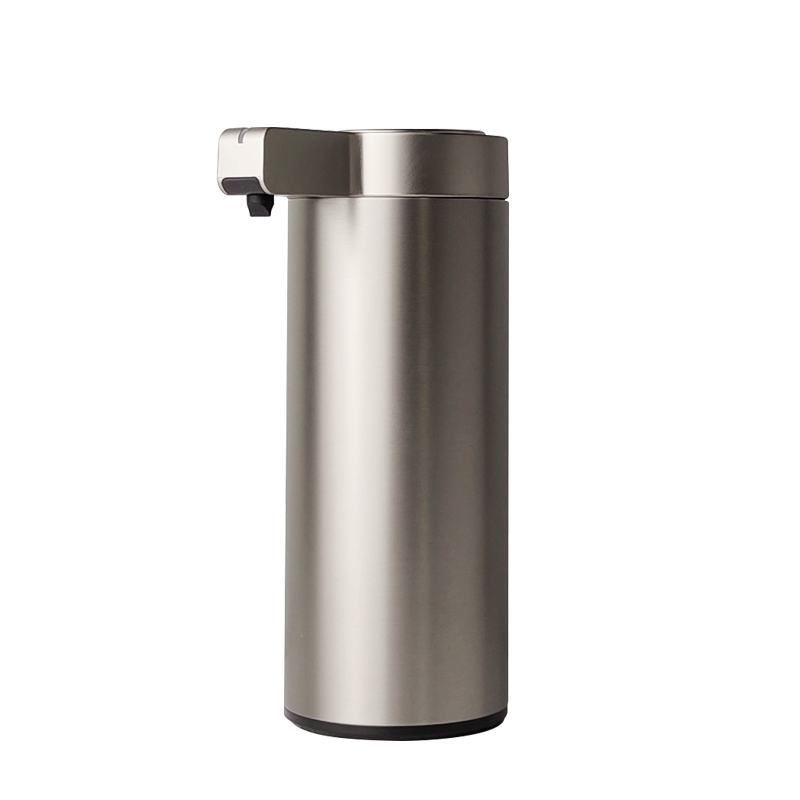 Automatic Soap Dispenser
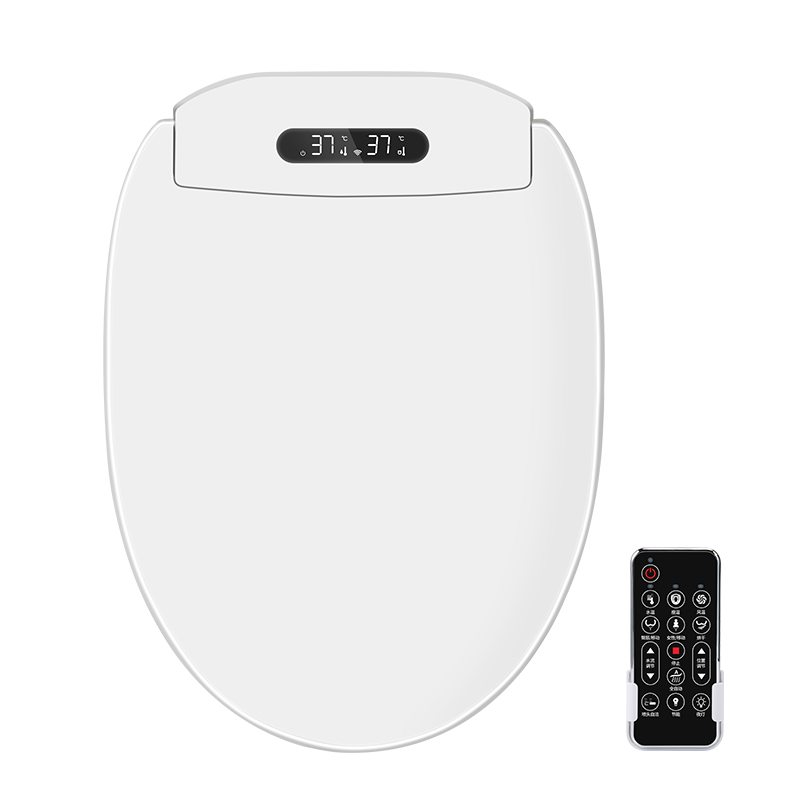 Smart Toilet Seat
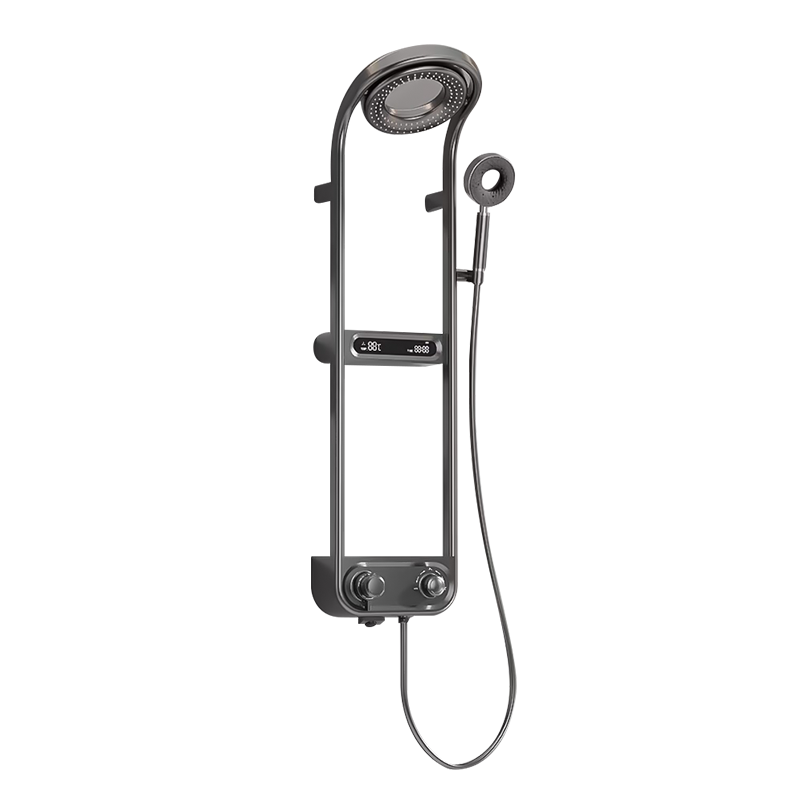 Shower Set
 Shower Seat
 kitchen Application
 Kitchen Sink
 Kitchen Faucet
 Kitchen Storage
 Home Appliance
 Aroma Diffuser
 Fans