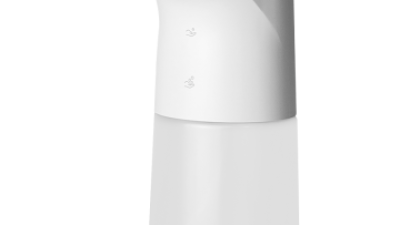
You know, these days, there's been a huge spike in demand for hygiene solutions, especially after all the recent health crises we've gone through. I came across a report from Statista that says the worldwide market for automatic Soap Dispensers is expected to shoot up quite a bit, reaching about USD 1.1 billion by 2026. A big reason for this jump is folks being way more aware of hygiene — everyone just wants quick, effective ways to stay clean. One thing that's really making waves in this space is theTouchless Soap Dispenser. It’s a pretty cool innovation, don’t you think?
Companies that focus on touchless tech are becoming super important, not just for businesses but for homes too. These dispensers aren’t just about convenience—they also help cut down on cross-contamination, which is a huge plus. There are quite a few studies out there showing that touchless devices can really help lower infection rates, especially in busy places like hospitals and schools. That said, there's still the challenge of making sure these devices are easy to use and actually work reliably all the time.
Interestingly, China has really stepped up as a major player in offering high-quality OEM touchless soap dispensers. But, and this is a big but, companies need to constantly keep an eye on the quality and dependability of what they’re putting out there. Industry experts keep pointing out that while the demand is booming, manufacturers shouldn’t cut corners on design or durability. Finding the right balance between keeping costs down and maintaining good quality is key if they want to stay successful in the long run.
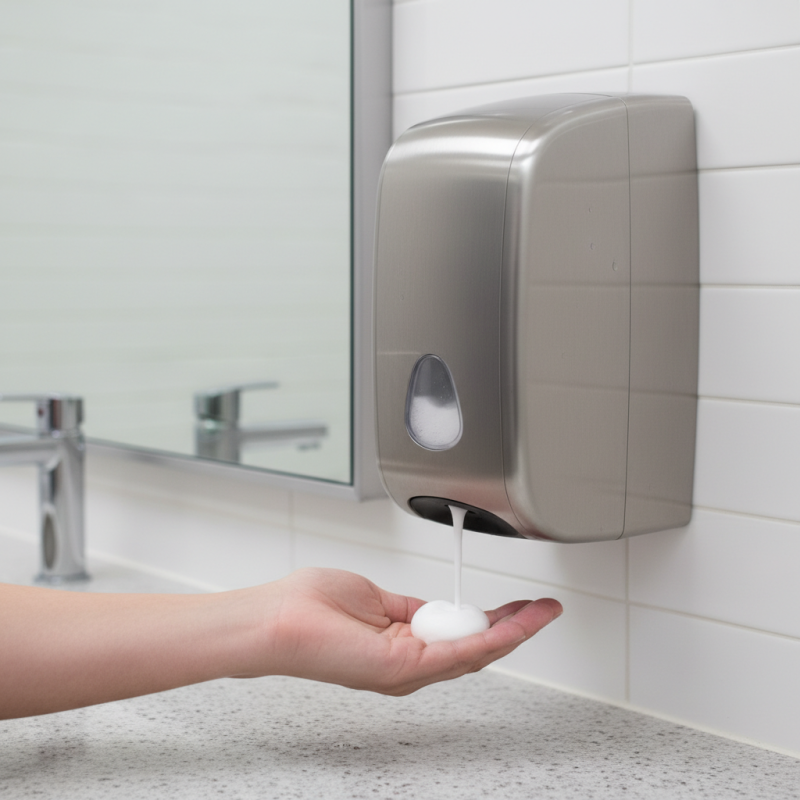
Overview of Touchless Soap Dispensers in Hygiene Solutions
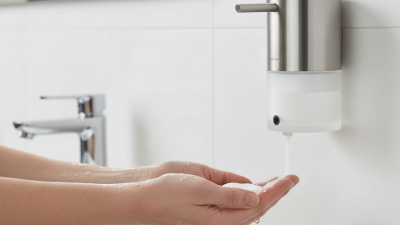
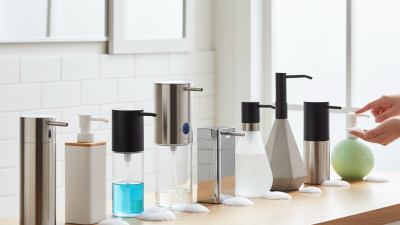
Touchless soap dispensers have transformed hygiene solutions across various settings. These devices reduce the risk of cross-contamination by allowing users to dispense soap without physical contact. They are particularly effective in public restrooms, hospitals, and food service areas, where hygiene is critical. The automatic mechanism not only ensures ease of use but also promotes good hand hygiene practices.
When considering a touchless soap dispenser, it is essential to focus on reliability and functionality. Some models may malfunction or require frequent refills, which can lead to inconvenience. It's vital to choose dispensers with a robust design and a clear indicator for soap levels. Regular maintenance checks can help prevent unforeseen issues.
Tips: Always opt for high-quality soap solutions that are compatible with your dispenser. This will ensure optimal performance and longevity. Additionally, think about the placement; dispensers should be conveniently located for easy access. Lastly, consider features like adjustable dosage settings to accommodate different needs.
Importance of Hygiene Solutions in Modern Society
Hygiene solutions are critical in today's world. The pandemic has heightened awareness about cleanliness. According to a report by the Global Hygiene Council, proper hand hygiene can reduce the spread of infectious diseases by up to 50%. This statistic illustrates the significance of maintaining cleanliness in public and private spaces.
Traditional soap dispensers can be breeding grounds for germs. This is where innovations like the Automatic Touchless Soap Dispenser come into play. These dispensers minimize physical contact, helping to curb the transmission of pathogens. Studies indicate that touchless systems can decrease contamination levels by 25%. This shift towards contactless solutions is not just a trend; it's a necessity for reinforcing public health protocols.
Tip: Regularly check and refill your Automatic Touchless Soap Dispenser to ensure it functions optimally. Empty dispensers do not promote good hygiene. Meanwhile, questioning the effectiveness of existing models could lead to better innovations in hygiene technology. Investing in high-quality dispensers may prevent future health crises and support a cleaner environment.
China Best Custom OEM Touchless Soap Dispenser Supplier for Hygiene Solutions
| Feature | Specification | Benefits | Application |
| Sensor Technology | Infrared or Ultrasonic | Touchless operation, reduces cross-contamination | Public Restrooms, Hospitals |
| Capacity | 1000 mL | Less frequent refills, optimal for high traffic areas | Offices, Schools |
| Material | Stainless Steel or ABS Plastic | Durable, corrosion-resistant, easy to clean | Restaurants, Shopping Malls |
| Power Source | Battery-operated or AC powered | Flexible installation options | Events, Temporary Installations |
| Design | Modern, Sleek | Aesthetic appeal enhances restroom experience | Hotels, Spas |
Key Features of Custom OEM Touchless Soap Dispensers
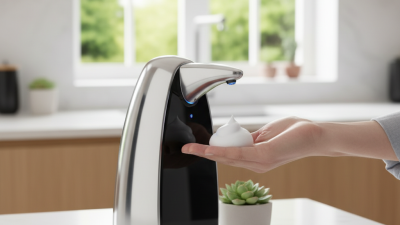
The rise of touchless soap dispensers reflects an increasing demand for hygiene solutions in both public and private spaces. Recent studies indicate that automatic touchless soap dispensers can reduce the spread of bacteria by over 70%, making them a vital addition to sanitary practices. These devices use infrared technology to detect hands, providing a hands-free experience that minimizes cross-contamination risks.
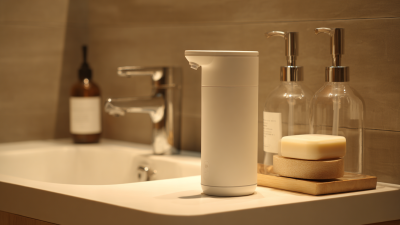
Key features of custom OEM touchless soap dispensers include adjustable dispense volume, compatibility with various soap types, and sleek designs that fit modern aesthetics. Many dispensers now have battery and manual pump options, allowing for flexibility in usage. Research highlights that intuitive designs improve user experience, which is essential for promoting hand hygiene compliance, especially in high-traffic environments.
Tips: Regularly check and refill soap dispensers to ensure they function effectively. Consider installing sensor-based models in areas where hygiene is critical, like bathrooms and kitchens. Always opt for high-quality materials to enhance durability and performance, as cheaper options may wear out faster. Remember, a Soap Dispenser Automatic Touchless can only be effective if maintained properly.
Top Suppliers of Touchless Soap Dispensers in China
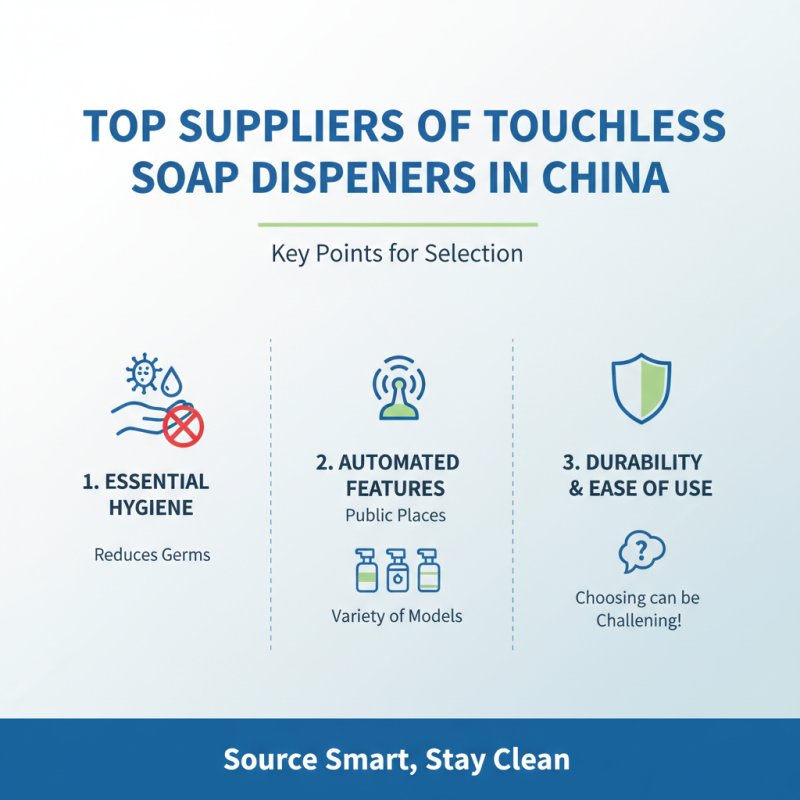
In recent years, touchless soap dispensers have become essential for maintaining hygiene. Their automated features reduce the risk of germ transmission, making them ideal for public places. Many suppliers in China offer a variety of models, catering to different needs. They focus on durability and ease of use. However, selecting the right supplier can be challenging amid so many options.
Some top suppliers prioritize eco-friendly materials in their designs. Others emphasize sleek technology that adapts to various environments. It's crucial to examine the certifications of these suppliers to ensure compliance with international standards. Not all manufacturers meet the same quality benchmarks. Thorough research helps identify reliable partners for sourcing these dispensers.
Customer feedback plays a vital role in assessing supplier performance. Some brands may have issues with delivery times or product consistency. This feedback can highlight vital areas for improvement. Looking for transparency in customer service interactions can provide additional assurance. Thus, understanding the landscape of touchless soap dispensers in China is key.
Evaluating Quality and Performance in Soap Dispensers
In recent years, touchless soap dispensers have gained popularity in hygiene solutions. Their design aims to minimize contact, reducing the risk of germ spread. However, not all touchless dispensers are created equal. Evaluating their quality and performance is essential.
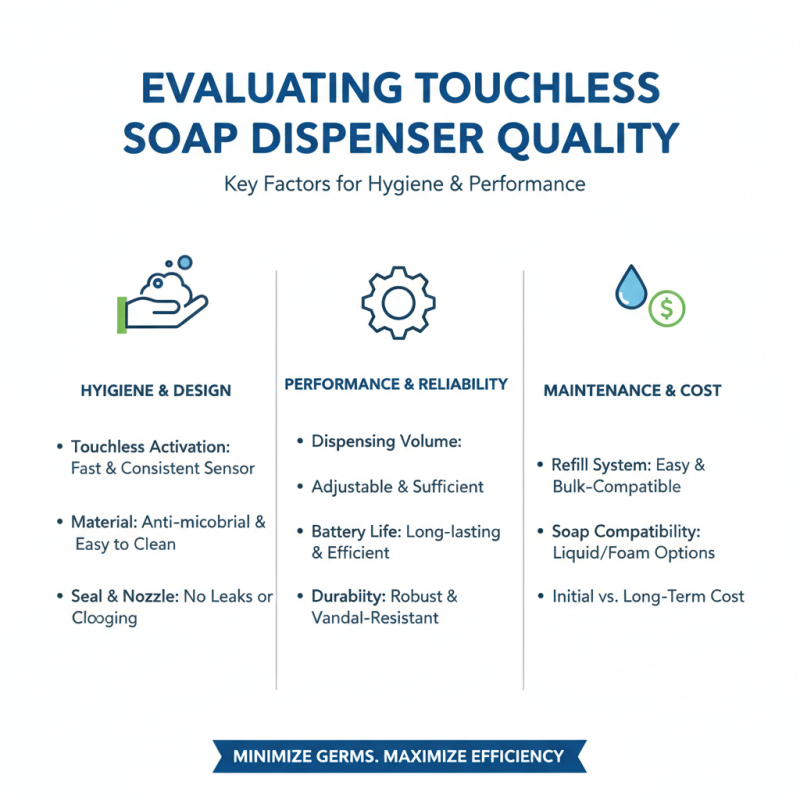
One key factor to consider is the dispenser’s sensor accuracy. A reliable dispenser activates quickly when hands are nearby. If the sensor is too sensitive, it may dispense soap unnecessarily. On the other hand, if it lacks sensitivity, users may become frustrated. A well-balanced sensor ensures an efficient experience.
Another important aspect is the durability of materials used. Dispensers made from high-quality components are likely to withstand daily usage. Weak materials can lead to frequent replacements, impacting overall hygiene efforts. Regular maintenance and careful selection of dispensers can enhance effectiveness. Reflecting on customer feedback can guide improvements in design and functionality, ultimately leading to better hygiene solutions.
Customization Options for Businesses and Industries
In today's hygiene-conscious market, touchless soap dispensers are essential. Customization options for businesses and industries offer significant advantages. According to industry reports, the global touchless soap dispenser market is projected to reach $1.45 billion by 2027, highlighting the growing demand for advanced hygiene solutions. Companies can tailor these dispensers to meet their branding and functional needs.
Customization can include various features such as size, dispensing volume, and design. For instance, hospitals may require larger dispensers that deliver a specific amount of soap to enhance hygiene protocols. In contrast, restaurants might prefer sleek designs that match their décor. Reports from the Hygiene Council show that proper hand hygiene can reduce infection rates by up to 50%, emphasizing the importance of selecting the right soap dispenser configuration.
Despite available options, many businesses struggle with implementation. Some dispensers may malfunction or run out of soap quickly, and this could lead to user frustration. It’s crucial to evaluate different materials and sensor technologies, as these factors significantly affect durability and performance. A custom solution should not only meet creative expectations but also deliver reliability in high-traffic environments. Addressing these challenges ensures an effective hygiene solution tailored to specific operational needs.
Market Share of Touchless Soap Dispensers by Industry
Future Trends in Touchless Dispensing Technology
As hygiene continues to be a priority globally, touchless dispensing technology is evolving rapidly. The demand for Touchless Hand Soap Dispensers has surged, driven by the need for improved sanitation in public spaces. According to recent industry reports, the market for touchless dispensers is projected to grow at a CAGR of 7.8% from 2023 to 2030. This growth reveals the increasing recognition of touch-free solutions in hygiene practices.
Recent studies indicate that touchless systems can reduce transmission of germs by up to 80%. This data underscores the importance of such technology in preventing the spread of infectious diseases. While the benefits are clear, challenges remain. Integration of these systems into existing infrastructures can sometimes be complex. Additionally, the quality of sensors and dispensers varies, impacting user trust and effectiveness.
The future of touchless dispensing technology may include smart features. IoT connectivity could enhance user experience by allowing for data tracking and maintenance alerts. While these innovations promise efficiency, potential over-reliance on technology poses a risk. Balancing innovation with reliability is crucial in maximizing the impact of touchless Hand Soap Dispensers in public health.
Enhancing Hygiene with AYZD-SD019: The Ultimate Touchless Electric Soap Dispenser for Every Home
In today's world, maintaining hygiene has become more critical than ever. Touchless technology in home products like soap dispensers not only enhances cleanliness but also adds convenience to daily routines. A touchless electric soap dispenser can significantly reduce the risk of cross-contamination by eliminating the need to touch surfaces that many hands have come into contact with. According to a report by the Global Hygiene Product Market, demand for touchless hygiene products has surged by over 30% in recent years, reflecting a growing awareness of the importance of maintaining a clean living environment.
The AYZD-SD019 automatic soap dispenser stands out with its impressive 400ml capacity, which is larger than many standard dispensers available on the market. This generous size minimizes the frequency of refills, ensuring that households can maintain uninterrupted hygiene practices. The transparent container feature allows users to easily monitor the soap levels, ensuring timely refills before the soap runs out. This user-friendly design is compatible with a variety of liquid soaps, catering to different user preferences and promoting the use of more eco-friendly and effective products.
These advancements in soap dispensing technology are not just about convenience; they are a proactive step towards better health. The ability to dispense soap without physical contact can lead to more frequent handwashing, which is essential in preventing the spread of germs and infections. The emphasis on hygiene is supported by data from health organizations, indicating that hand hygiene can reduce the incidence of respiratory infections by up to 21%. By integrating a reliable touchless soap dispenser into homes, families can enhance their hygiene practices while embracing modern technological solutions.
FAQS
: They reduce cross-contamination and promote good hand hygiene practices. They're ideal for public restrooms and hospitals.
Choose a reliable model with robust design and soap level indicators to avoid inconveniences.
Think about compatibility with soap solutions and choose a location for easy access.
Maintenance prevents unexpected malfunctions and ensures dispensers function optimally over time.
Look for accurate sensors and durable materials. Quality affects overall hygiene effectiveness.
Feedback highlights delivery issues and product quality, guiding you to better supplier choices.
A poorly functioning sensor can frustrate users and waste soap. Regular checks can prevent this.
No, some suppliers focus on eco-friendly options while others may not. Research is essential.
Yes, features like adjustable dosage settings can cater to various user requirements.
Frequent refills may be necessary for some models, leading to maintenance challenges.
Conclusion
The article examines the significance of Touchless Soap Dispensers as a vital component of hygiene solutions in contemporary society. These dispensers not only enhance sanitation but also provide convenience by minimizing physical contact, thereby reducing the risk of germ transmission. Key features of custom OEM touchless soap dispensers include sensor technology, adjustable settings, and aesthetic designs tailored for various business needs.
Furthermore, it highlights the top suppliers of touchless soap dispensers in China, emphasizing the importance of evaluating quality and performance to ensure reliability. Customization options are discussed, allowing businesses across different industries to integrate tailored solutions that meet their specific hygiene standards. Additionally, the article explores future trends in touchless dispensing technology, indicating a progressive shift towards more innovative and effective hygiene products.



 Bathroom Application
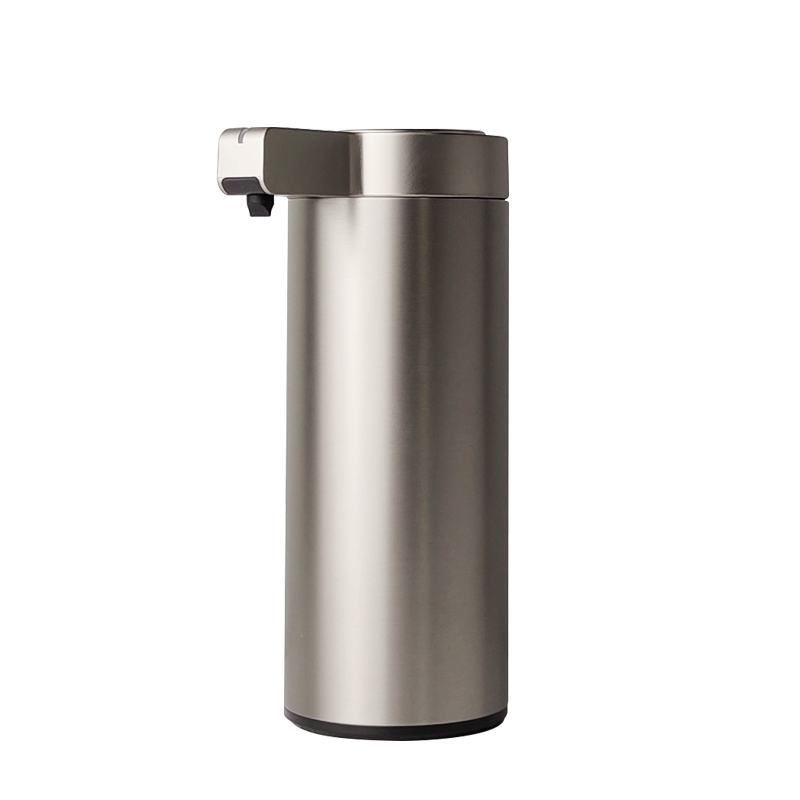 Automatic Soap Dispenser
 Smart Toilet Seat
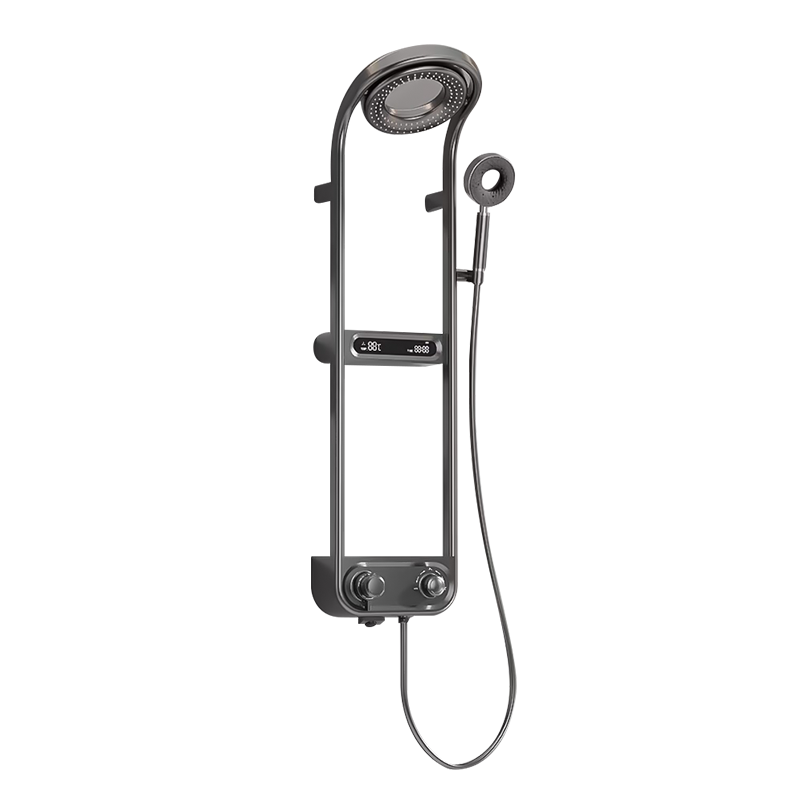 Shower Set
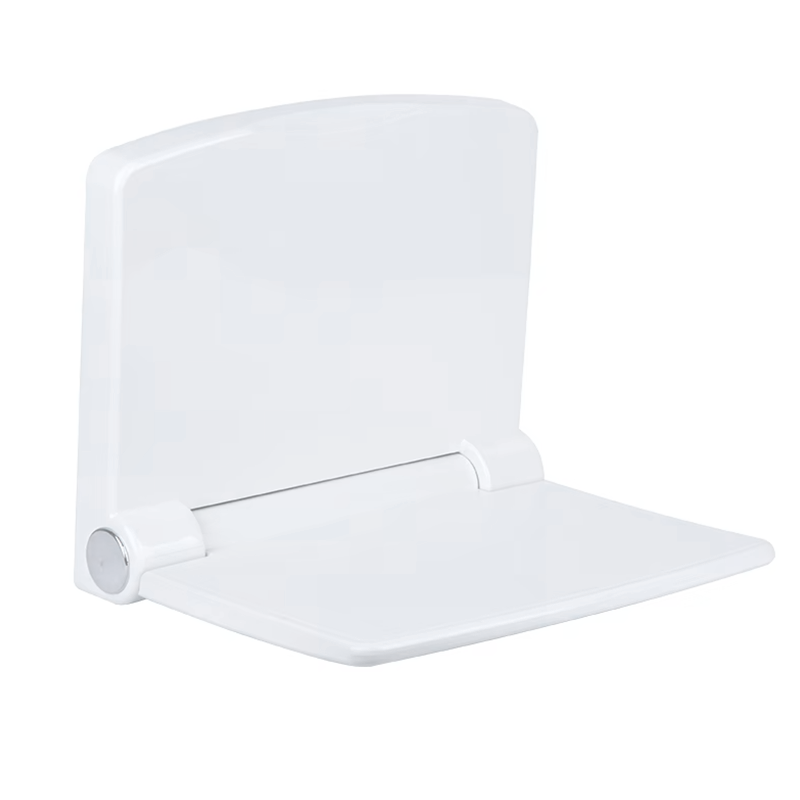 Shower Seat
 kitchen Application
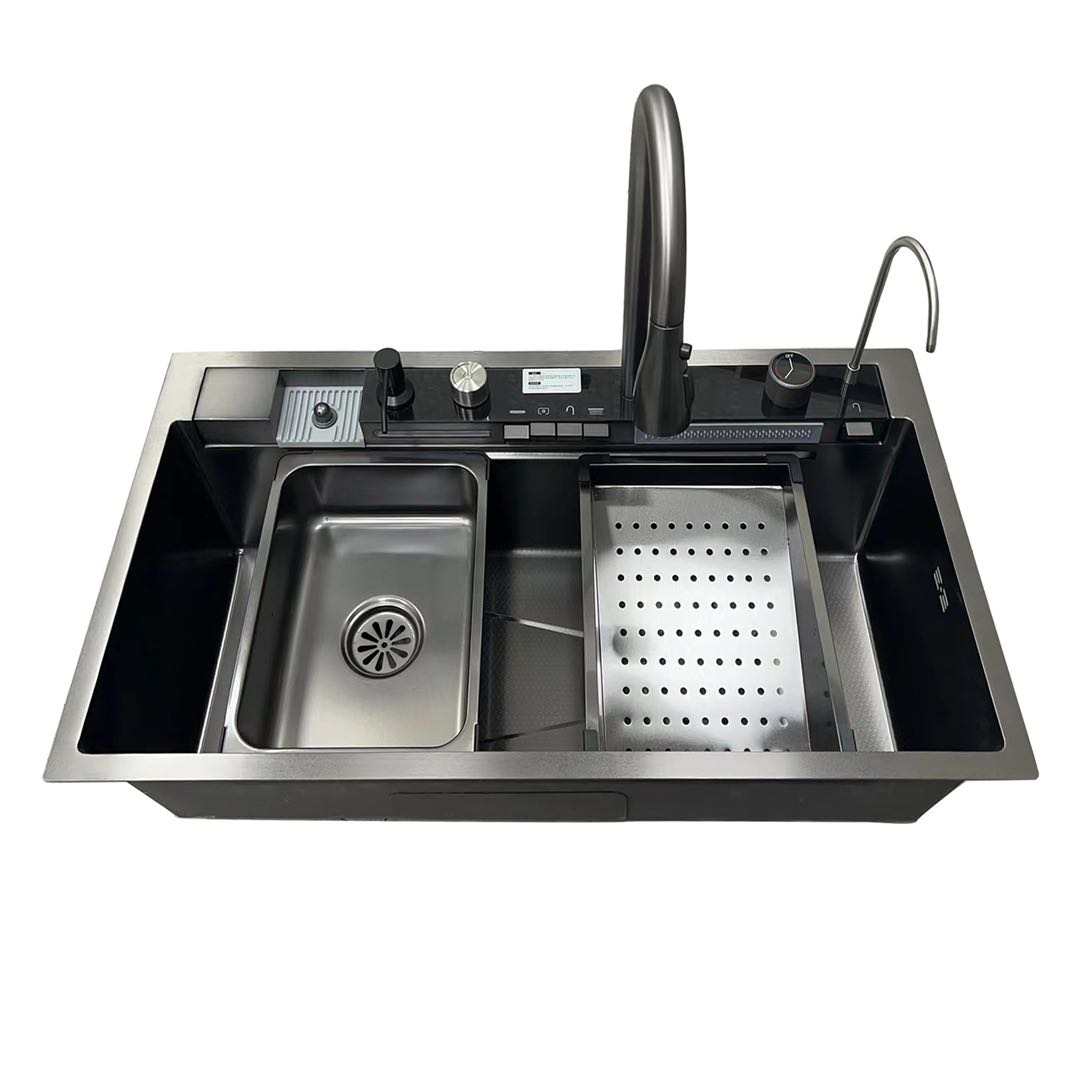 Kitchen Sink
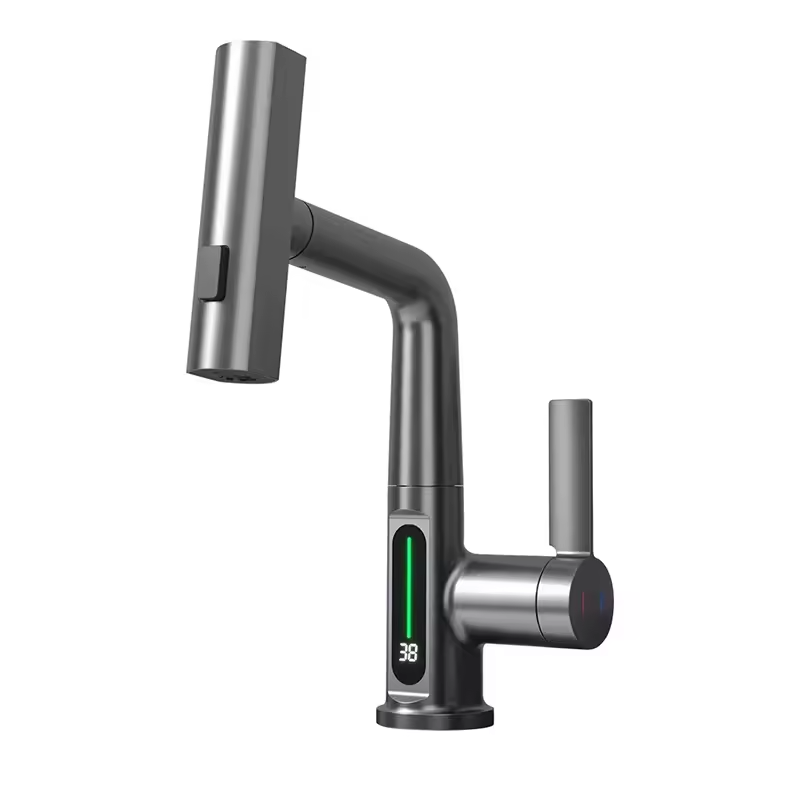 Kitchen Faucet
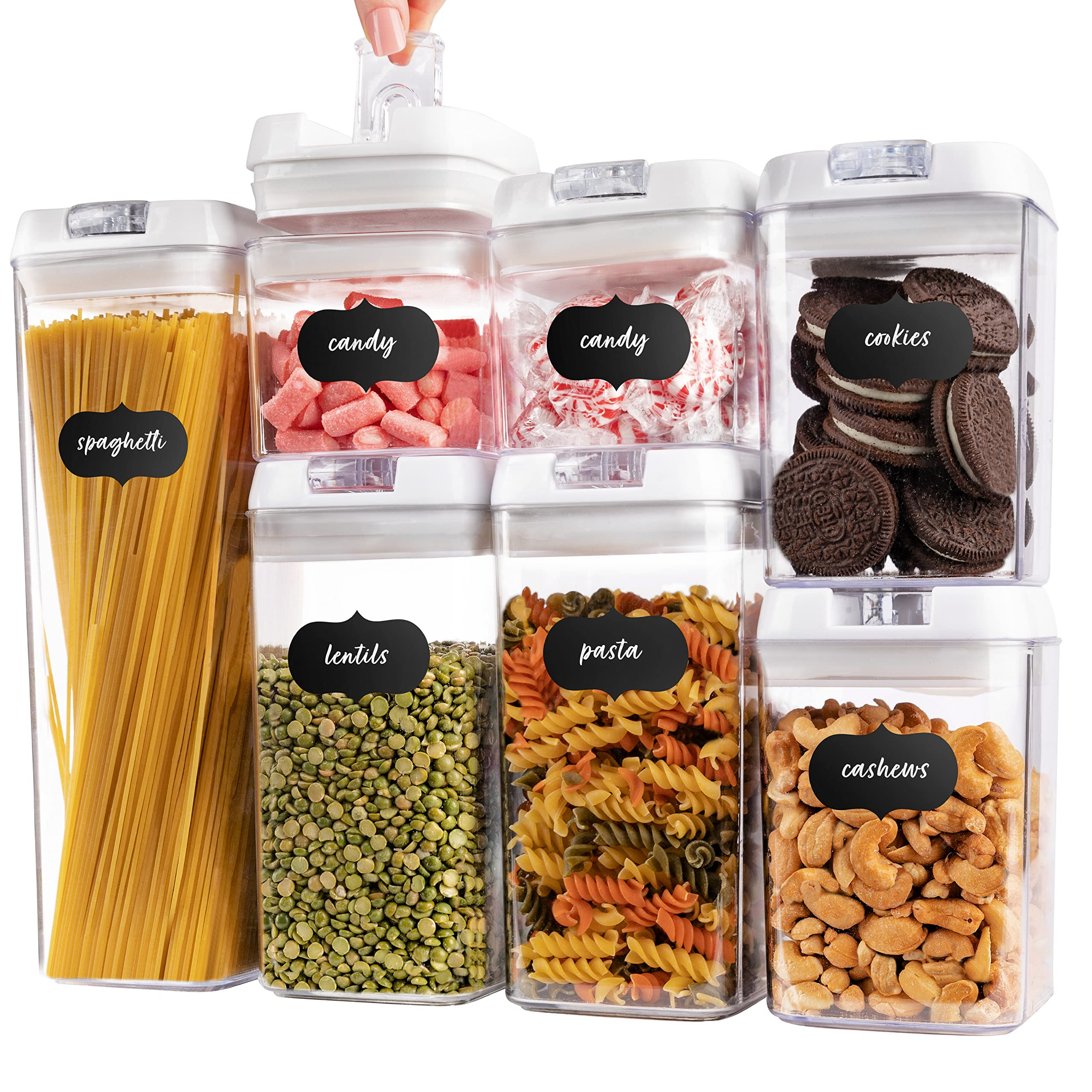 Kitchen Storage
 Home Appliance
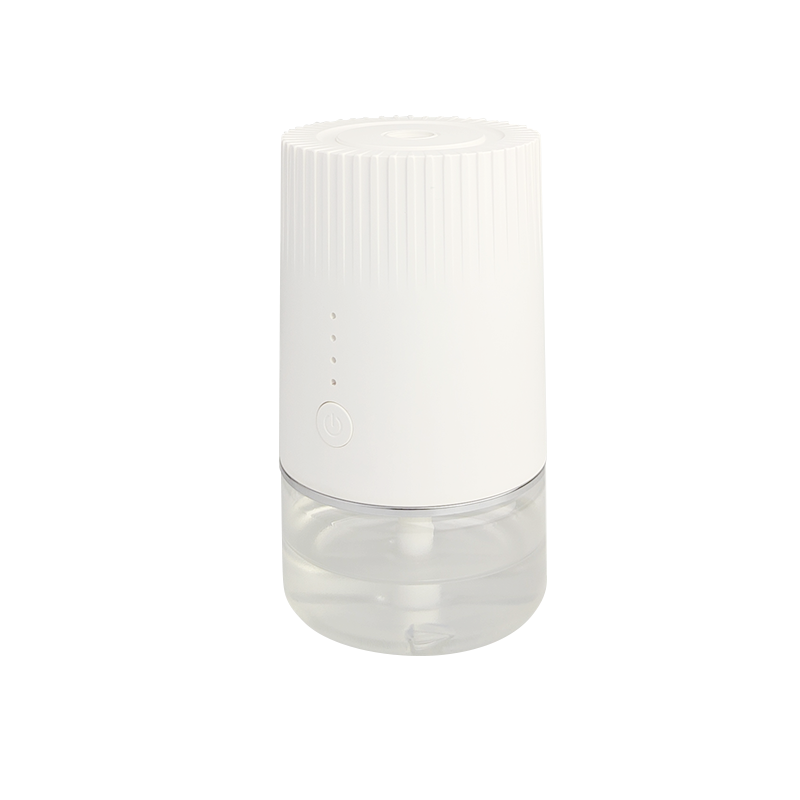 Aroma Diffuser
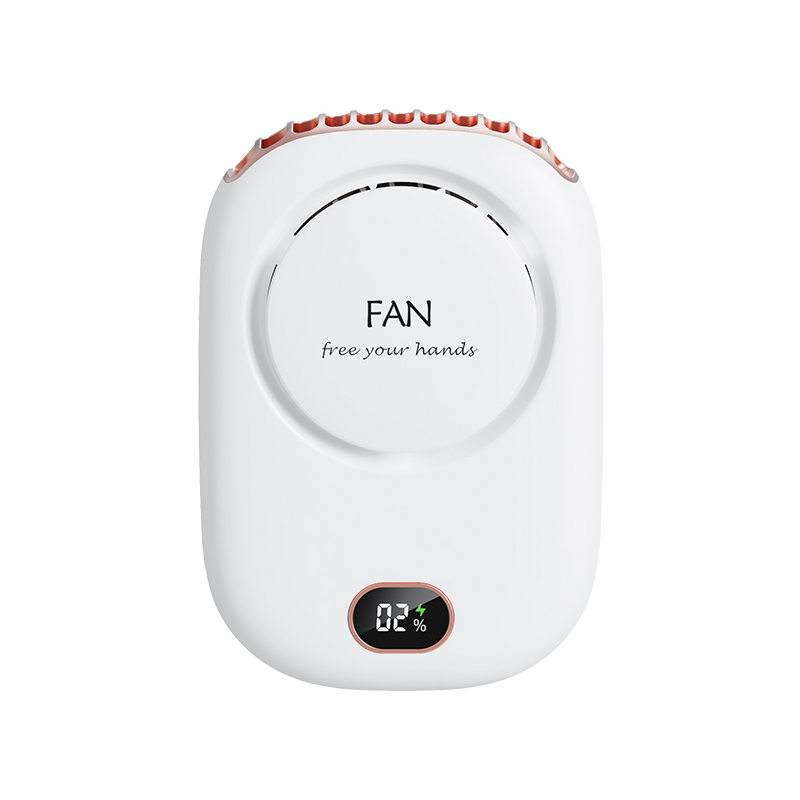 Fans
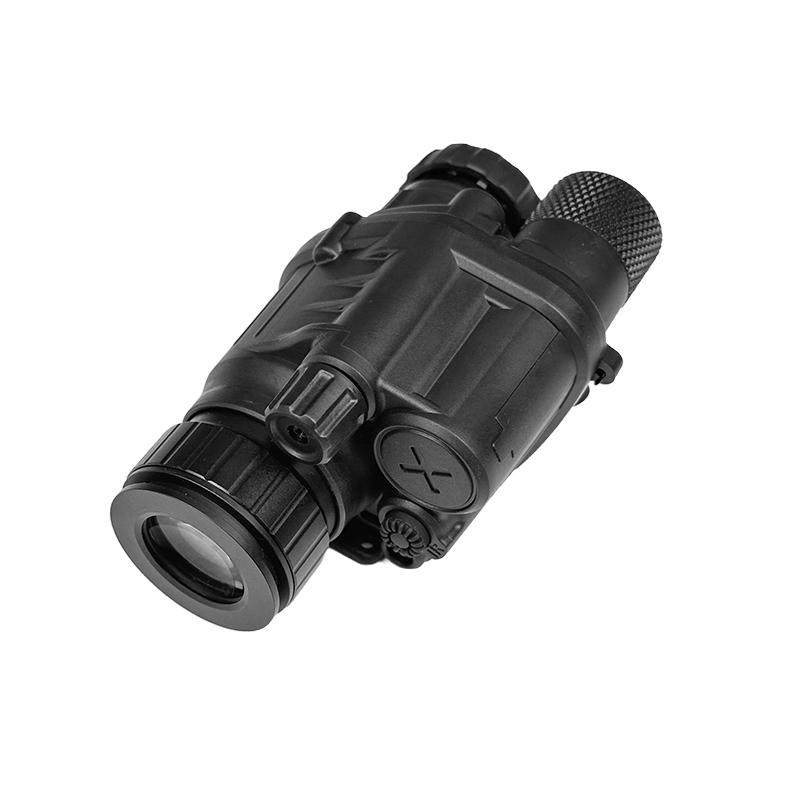 Night Vision Monocular
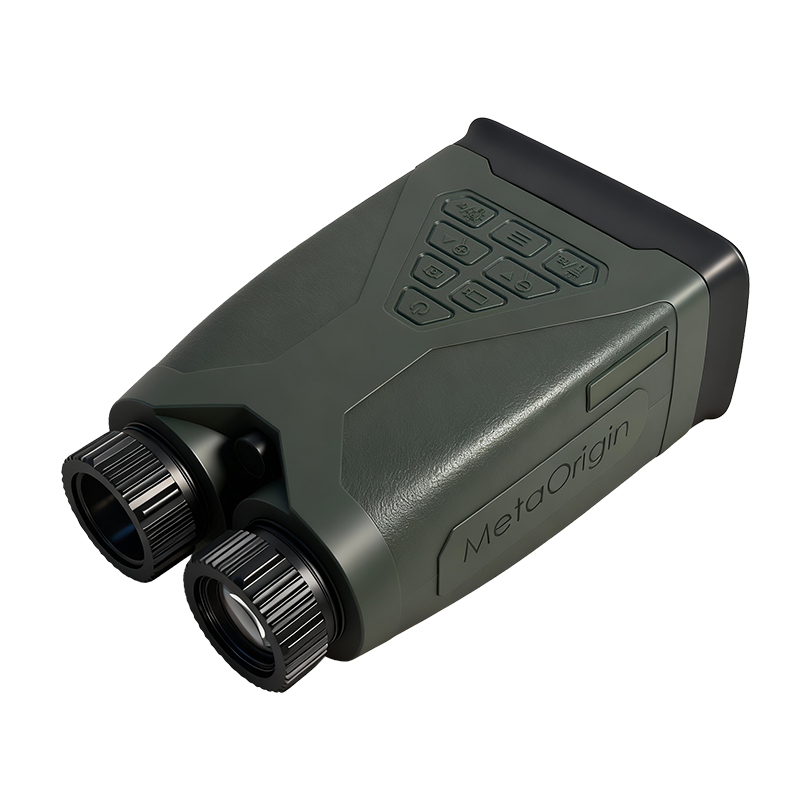 Night Vision Binoculars