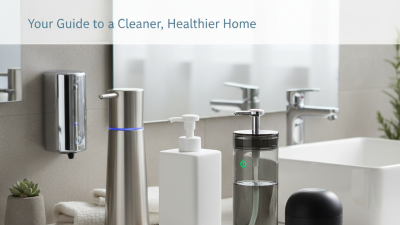
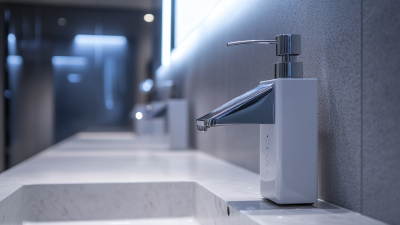
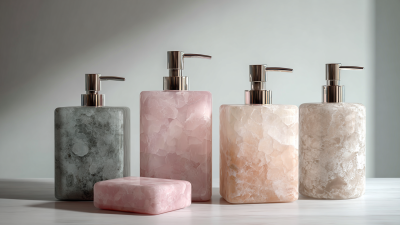
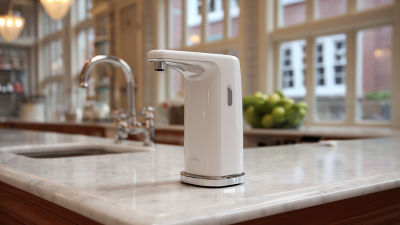
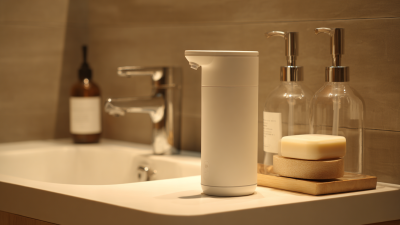
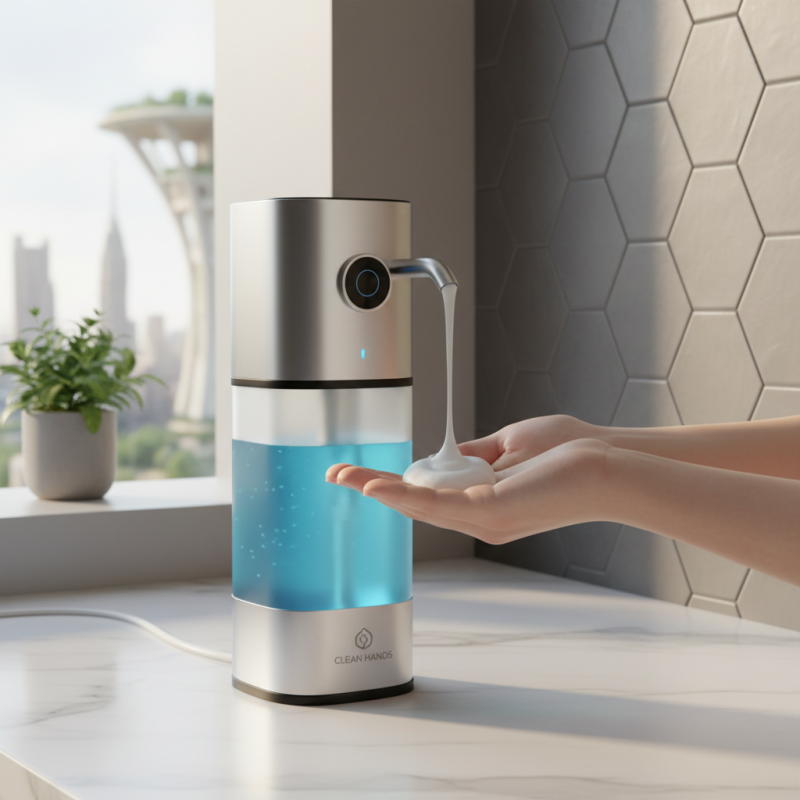
In today’s fast-changing world of home tech, picking the perfect automatic Soap Dispenser can actually feel a bit overwhelming. As we head into 2025, all these new designs and features are really promising — they’re making it easier and more hygienic to go about our daily routines, no doubt. I mean, I recently read what Dr. Emily Carter, an expert in home automation, had to say — she mentioned that finding the right soap dispenser does more than just keep things clean, it actually makes using it a more pleasant experience.
When you start exploring the options out there, it’s good to keep in mind a few things like how efficient it is, whether it’s super easy to use, and if it looks nice in your space. Honestly, a good automatic soap dispenser can turn a boring chore into something simple and almost effortless — that’s why it’s worth choosing one that fits your lifestyle. With cool features like touchless sensors and adjustable soap amounts becoming more common, there’s really something for everyone — no matter your home or style.
At the end of the day, what really matters is finding a dispenser that does the job well and also looks good in your home. Knowing what’s new and what features matter most helps you make a smart choice—one that boosts both your hygiene habits and your home’s vibe as we move into this new decade.
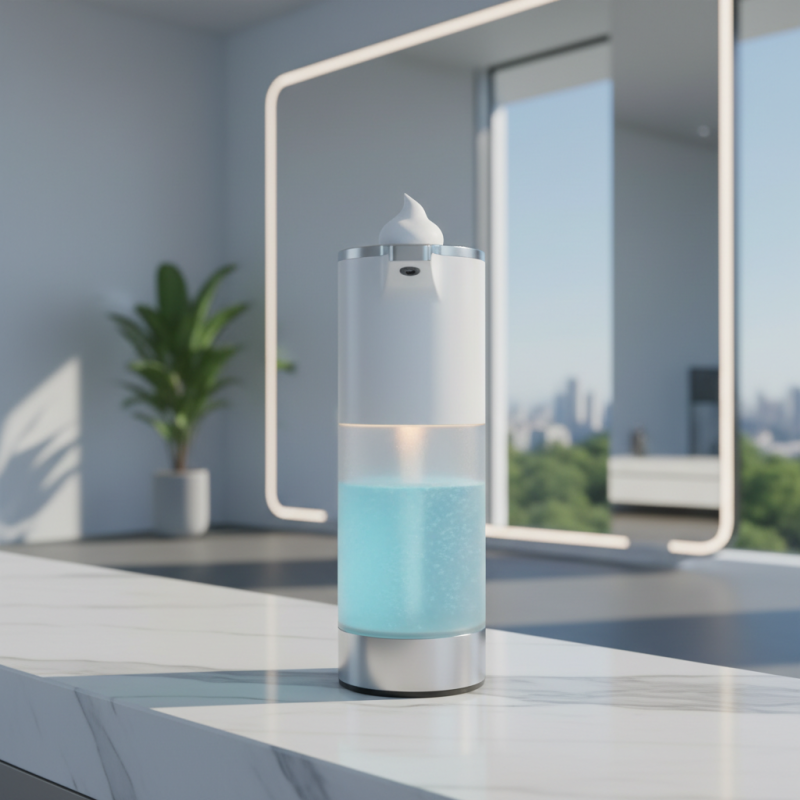
Factors to Consider When Choosing an Automatic Soap Dispenser
When selecting the best automatic soap dispenser for your home in 2025, there are several key factors to keep in mind. First, consider the design and size of the dispenser. An ideal dispenser should not only match the aesthetics of your home but also fit comfortably on your countertop or sink area. Look for options that offer sleek styles and a compact footprint without compromising capacity.
Another crucial factor is the type of sensor technology. Automatic soap dispensers usually feature infrared sensors or touch-free activation, ensuring a hygienic experience. Opt for a model with adjustable sensitivity to cater to different users and environments. Additionally, consider the soap compatibility; some dispensers work best with specific soap types, such as liquid or foaming soap.
Tips: Always check the refill mechanism—dispensers with large openings or easy-to-open caps simplify the process. Regular maintenance is also vital; choose dispensers that allow for easy cleaning. Lastly, assess the battery life or power source, as this can impact its efficiency and convenience in daily use. By taking these factors into account, you can find the perfect automatic soap dispenser for your home that offers both functionality and style.
Types of Automatic Soap Dispensers Available in the Market
When selecting the best automatic soap dispenser for your home in 2025, understanding the different types available in the market is crucial. Automatic soap dispensers primarily fall into two categories: touchless dispensers and manual dispensers. Touchless dispensers utilize motion sensors to dispense soap, ensuring a hygienic experience by minimizing contact, which is especially important in preventing the spread of germs. These devices are powered by batteries or plug into an outlet, providing convenience and ease of use.
On the other hand, manual automatic soap dispensers require a simple push or press to release the soap. While they may involve slight contact, many are designed ergonomically to enhance usability. This category often includes more traditional designs and can be a cost-effective option for those looking to upgrade their home without investing heavily in high-tech solutions. Additionally, some models come with adjustable soap volume settings, allowing users to customize the amount dispensed according to their preference.
When choosing an automatic soap dispenser, it’s also important to consider the material and design. Many dispensers are made from stainless steel, plastic, or a combination of both, each offering different aesthetics and durability levels. As you weigh your options, think about the style of your home and how the dispenser will fit into your overall decor while providing the functionality you need.
Benefits of Using an Automatic Soap Dispenser at Home
The growing trend of automatic soap dispensers in homes is not merely a matter of convenience; it significantly enhances hygiene practices. According to a 2023 industry report by the National Sanitation Foundation, 80% of bacteria can be transferred from hands to surfaces, making proper hand hygiene essential in preventing the spread of infectious diseases. Automatic soap dispensers reduce the need for physical contact, thereby minimizing the risk of cross-contamination. This is especially advantageous in high-traffic areas, such as kitchens and bathrooms, where germs are more prevalent.
In addition to promoting hygiene, automatic soap dispensers can also contribute to efficient soap usage. A study conducted by the Soap and Detergent Association revealed that typical manual dispensers often lead to excessive soap being used, with an average of 1.5 to 2 times more soap dispensed than necessary. Automatic models, however, provide a controlled amount of soap per use, reducing waste by up to 30%. This not only saves consumers money in the long run but also supports more sustainable household practices, which is increasingly important to environmentally conscious consumers. As more households turn to technology to improve both convenience and health standards, the automatic soap dispenser stands out as a modern solution to age-old hygiene challenges.
Key Features to Look for in a Quality Soap Dispenser
When choosing the best automatic soap dispenser for your home in 2025, it’s essential to focus on key features that ensure efficiency, hygiene, and convenience. One significant aspect to consider is the sensor technology. High-quality dispensers utilize advanced infrared sensors, providing touchless operation that minimizes the risk of cross-contamination and promotes better hygiene. According to a recent report by the Global Hygiene Council, using touchless soap dispensers can reduce the spread of germs by up to 80%, making them a wise choice for any household.
Another critical feature is the capacity and refill mechanism. Many automatic soap dispensers offer large reservoirs, minimizing the frequency of refills and allowing for extended use. Look for models with clear indicators for soap levels to avoid running out unexpectedly. Moreover, ease of filling is vital; dispensers that feature a wide opening or a funnel design can simplify the refill process significantly.
Tip: Before making a purchase, consider your household's specific needs, such as the number of users and the frequency of soap usage. Additionally, prioritize dispensers that are compatible with various soap formulas, including liquid, foam, and gel options, to maximize versatility in your home. This attentiveness to key features can greatly enhance the functionality of your kitchen or bathroom.
How to Choose the Best Automatic Soap Dispenser for Your Home in 2025 - Key Features to Look for in a Quality Soap Dispenser
| Feature | Description | Importance Rating (1-5) |
| Sensor Type | Infrared sensors provide touchless operation, improving hygiene. | 5 |
| Capacity | Larger tanks require less frequent refills, suitable for family use. | 4 |
| Design | Aesthetically pleasing designs can enhance the decor of your home. | 3 |
| Power Source | Battery-operated dispensers are portable, while plug-in options reduce cost. | 4 |
| Dispensing Mechanism | Adjustable dispensing volumes allow customization for personal preferences. | 4 |
| Materials | Stainless steel is durable and resistant to rust, while plastic may be lighter. | 4 |
| Ease of Cleaning | Removable parts make cleaning easier, maintaining hygiene. | 5 |
| Price Range | Consider budget options that do not compromise on quality features. | 3 |
Maintenance Tips for Automatic Soap Dispensers
When selecting an automatic soap dispenser for your home, maintenance should be a key consideration. Regular upkeep not only ensures longevity but also supports optimal hygiene. According to a 2022 industry report by Market Research Future, improper maintenance can lead to a decrease of up to 30% in the dispenser's lifespan. Cleaning the dispenser regularly is crucial; accumulated soap residue can clog the nozzle, resulting in inconsistent dispensing. Use a soft cloth moistened with mild soap or disinfectant to wipe down the exterior and a soft brush to clear any blockages.
Battery maintenance is another critical aspect. Automatic soap dispensers typically rely on batteries for operation, and a depletion can lead to inconvenience. A study by Statista indicated that nearly 40% of homeowners reported switching to rechargeable batteries to minimize waste and reduce long-term costs. Thus, checking and replacing batteries every few months, depending on usage, can help in maintaining consistent functionality.
Lastly, keep an eye on the soap type used in the dispenser. Not all soaps are created equal; those that contain excessive thickening agents may clog the mechanism, which affects the dispenser's performance. Research highlights that using liquid soaps recommended for automatic dispensers enhances performance and reduces maintenance frequency, proving that informed choices in soap selection contribute to the overall efficiency of the device.
Automatic Soap Dispenser Usage Trends in 2025
Budgeting for an Automatic Soap Dispenser Purchase
When considering an automatic soap dispenser for your home in 2025, budgeting plays a critical role in ensuring you make a wise investment. Prices for these devices can vary significantly based on features, materials, and capacity. Establishing a budget early on helps narrow down your choices to dispensers that not only fit your financial limits but also meet your functional needs. It’s essential to factor in both the initial cost of the dispenser and ongoing expenses, such as the price of refills, when planning your purchase.
In addition to setting a budget, it's beneficial to compare costs across different models and retailers. Look for features that will add value to your home without overspending. For instance, while some dispensers come with advanced sensors and stylish designs, others may offer basic functionality at a lower price. Identifying your priorities—whether that’s ease of use, design aesthetics, or eco-friendliness—can help you allocate your budget more effectively. Ultimately, by planning carefully and considering both upfront and long-term costs, you can select an automatic soap dispenser that fits your home and enhances your daily routine without breaking the bank.
Top Brands to Consider for Automatic Soap Dispensers in 2025
When considering automatic soap dispensers for your home in 2025, it's essential to focus on brands known for their reliability, design, and functionality. Look for brands that prioritize automatic sensing technology, ensuring a touch-free experience that promotes hygiene. Additionally, energy-efficient models that use rechargeable batteries or solar power are becoming increasingly popular. By selecting from reputable manufacturers, you're more likely to invest in a product that not only lasts but also performs optimally.
Tips: When choosing an automatic soap dispenser, consider the material and size of the dispenser. Options made from durable materials like stainless steel or high-quality plastic are often more resilient. Furthermore, a larger tank capacity means fewer refills and greater convenience for family use. Ensure the design complements your home décor to make it both functional and aesthetically pleasing.
Lastly, customer reviews play a crucial role in the decision-making process. Pay attention to feedback regarding ease of use, maintenance, and the actual performance of the dispenser. This information can provide insight into the long-term satisfaction you may expect from a particular brand or model, ultimately guiding you towards the best choice for your home.
FAQS
: The two main types of automatic soap dispensers are touchless dispensers, which use motion sensors to minimize contact, and manual dispensers, which require a push or press to release soap.
Touchless soap dispensers enhance hygiene by reducing the need for physical contact, thereby minimizing the risk of cross-contamination and the spread of germs.
Automatic soap dispensers are particularly advantageous in high-traffic areas, like kitchens and bathrooms, as they help prevent the spread of germs and improve overall hygiene.
Automatic soap dispensers can reduce soap waste by providing a controlled amount of soap per use, saving consumers money by minimizing excessive dispensing typically seen with manual dispensers.
Consumers should consider the material and design of the dispenser, as well as the style of their home, to ensure that the chosen dispenser fits into their overall decor and functional needs.
The price of automatic soap dispensers can vary based on features, materials, capacity, and brand. It's important to evaluate both the initial purchase price and the ongoing costs of refills.
To effectively budget for an automatic soap dispenser, consumers should establish a budget that considers both the initial cost and ongoing expenses, compare costs across different models, and prioritize desired features.
Yes, some automatic soap dispensers are designed with eco-friendliness in mind, allowing users to reduce waste and make more sustainable household choices.
Manual dispensers can lead to 1.5 to 2 times more soap being used than necessary, while automatic models can reduce waste by up to 30%.
Consumers might prioritize features such as ease of use, design aesthetics, eco-friendliness, and the presence of advanced sensors to help determine which dispenser best fits their needs.
Conclusion
When selecting the best automatic soap dispenser for your home in 2025, several key factors should be considered. These include the type of dispenser that best fits your needs, the benefits such devices offer in terms of hygiene and convenience, and the essential features to look for, such as sensor sensitivity and capacity. Understanding the different types available in the market will help you make an informed decision that aligns with your home's aesthetics and functionality.
Additionally, maintenance tips are crucial for prolonging the lifespan of your automatic soap dispenser, ensuring it performs optimally. Budgeting accurately for this purchase is also important, as prices can vary significantly based on features and design. By considering these elements and researching top brands, you can find an automatic soap dispenser that not only enhances your home’s sanitation but also complements your lifestyle.



 Bathroom Application
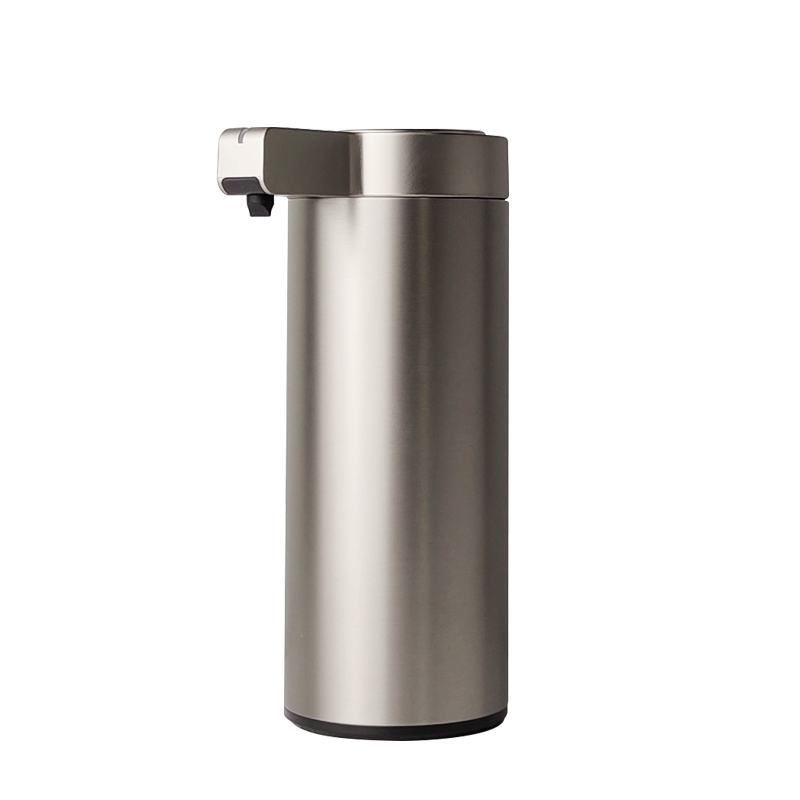 Automatic Soap Dispenser
 Smart Toilet Seat
 Shower Set
 Shower Seat
 kitchen Application
 Kitchen Sink
 Kitchen Faucet
 Kitchen Storage
 Home Appliance
 Aroma Diffuser
 Fans