Lately, there's been a noticeable uptick in demand for Automatic Soap Dispensers, both in homes and businesses. It seems like everyone’s really into keeping things clean and convenient these days. According to a report from Grand View Research, the global market for these touchless soap dispensers is expected to hit around $5.68 billion by 2025. That’s pretty impressive growth, and honestly, it makes sense — people are more into touchless solutions now to stay safe and boost sanitation. After everything we’ve been through with the pandemic, having automatic dispensers in public places and at home has become a key part of keeping everyone healthy and safe.
Dr. Emily Carter, an expert in hygiene technology, points out just how important it is to pick a good quality automatic soap dispenser: “A reliable dispenser can really cut down on germs in shared spaces and encourage better hand-washing habits.” Her comment highlights why it’s so important to look at different models carefully—things like how easy they are to use, how durable they are, and their design—to make sure they meet today’s hygiene standards.
When you’re figuring out which automatic soap dispenser is best for your home or business, it’s worth paying attention to stuff like sensor technology, how much soap it can hold, and how much maintenance it needs. Having this info helps you make smarter choices, making your space cleaner and safer for everyone.
Understanding the Benefits of Automatic Soap Dispensers
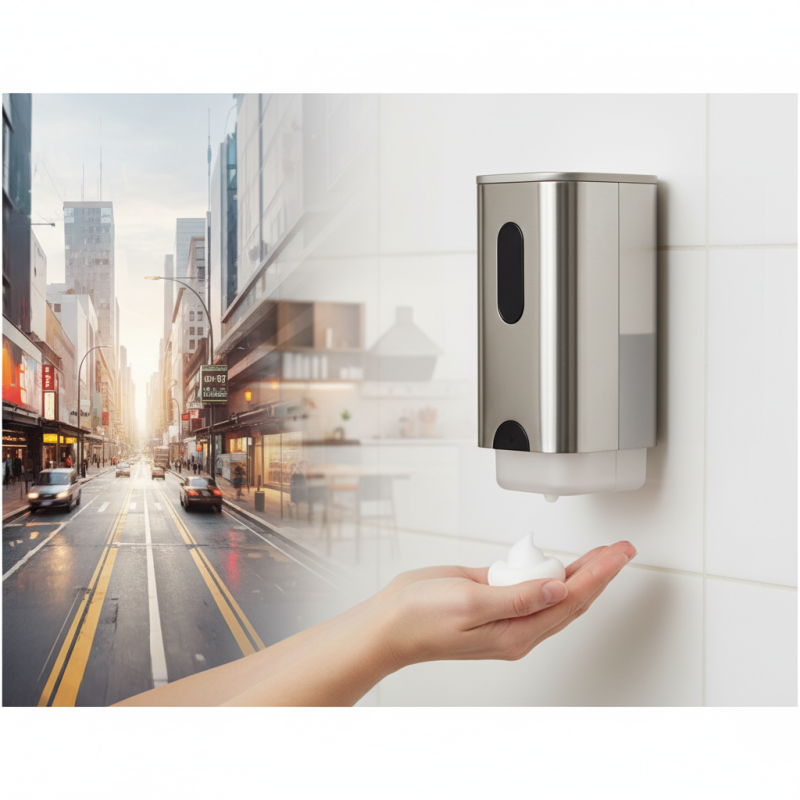
Automatic soap dispensers have become an essential addition to both homes and businesses, providing convenience and hygiene benefits that are hard to overlook. One of the key advantages of these devices is their touch-free operation, which helps to reduce the spread of germs and bacteria. This is particularly important in high-traffic areas like restrooms and kitchens, where sanitation is paramount. By installing an automatic soap dispenser, you create a cleaner environment that prioritizes health, making it a practical choice for your living or working space.
When selecting the best automatic soap dispenser, consider the type of soap it accommodates. Some dispensers are designed for liquid soap, while others can handle foam or gel soaps. Additionally, pay attention to the dispenser's durability and ease of maintenance. A sturdy design ensures longevity, while a model that is easy to refill will save time and effort—essential factors for busy environments.
**Tips:** When choosing an automatic soap dispenser, look for features such as adjustable soap volume settings and a transparent refill window to make monitoring soap levels easier. Remember to consider the power source—some models operate on batteries, while others can be plugged in. This choice can significantly impact the dispenser's placement and usability. Make sure the design complements your home or business aesthetic, as it can enhance the overall ambiance while serving a functional purpose.
How to Choose the Best Automatic Soap Dispenser for Your Home or Business - Understanding the Benefits of Automatic Soap Dispensers
| Feature | Description | Benefits |
| Sensor Activation | Dispenses soap automatically when hands are detected. | Promotes hygiene and prevents the spread of germs. |
| Foaming vs. Liquid Soap | Options for dispensing foam or liquid soap. | Foaming soap uses less liquid and may reduce waste. |
| Refill Options | Choose between refillable or disposable soap cartridges. | Refillable options can be more economical and environmentally friendly. |
| Design and Aesthetics | Styles that fit different environments (home, office, commercial). | Enhances the look of the space while being functional. |
| Power Source | Battery-operated vs. plug-in options. | Battery-operated models offer flexibility in placement. |
| Adjustable Dispensing Amount | Settings to control how much soap is dispensed per use. | Helps to conserve soap and minimize waste. |
| Durability | Sturdy materials that withstand frequent use. | Long-lasting investment for high-traffic areas. |
Types of Automatic Soap Dispensers: Touchless vs. Manual Activation
When selecting an automatic soap dispenser, one of the key decisions revolves around the activation method: touchless or manual. Touchless soap dispensers are designed for convenience and hygiene. They utilize infrared sensors to detect hands, dispensing soap without any physical contact. This feature is particularly beneficial in high-traffic areas like restrooms or kitchens, where reducing the spread of germs is a top priority. Touchless dispensers also tend to be more user-friendly, as they eliminate the need for users to touch potentially contaminated surfaces.
On the other hand, manual activation soap dispensers offer a different set of advantages. These devices require users to press a button or lever to dispense the soap, which can be more reliable in terms of functionality. Manual dispensers often allow for better control over the amount of soap dispensed, which can reduce waste. Furthermore, they may be a more economical choice for some settings, since they typically come at a lower price point and require fewer maintenance considerations, such as battery replacements.
Ultimately, the choice between touchless and manual activation soap dispensers depends on the specific needs of your home or business. Factors such as budget, intended use, and the importance of hygiene will guide you in making the best decision for a clean and efficient environment.
Key Features to Look for When Choosing a Soap Dispenser
When choosing the best automatic soap dispenser for your home or business, several key features should be taken into account to ensure convenience and efficiency. First, consider the sensor technology. A reliable infrared sensor will provide touchless operation, improving hygiene by minimizing contact with the dispenser. Look for models with adjustable sensor sensitivity, allowing customization based on the environment and soap type used.
Another important feature is the capacity of the dispenser. A larger reservoir reduces the frequency of refills, which is especially beneficial in high-traffic areas. Choose a model that is easy to refill and maintain—designs with a clear window to monitor soap levels can be particularly handy. Additionally, consider the type of soap the dispenser is compatible with; some models only work with liquid soap, while others can accommodate foam or gel.
Tips: When selecting a soap dispenser, prioritize materials that are durable and easy to clean. Stainless steel or high-quality plastic can enhance longevity, especially in public spaces. Additionally, evaluate the battery life if opting for an electric model; a longer-lasting rechargeable battery can save time and effort in upkeep, making your selection more efficient and practical.
Capacity and Refilling Options: What to Consider
When choosing an automatic soap dispenser, one of the most critical factors to consider is its capacity and refilling options. According to recent industry surveys, commercial soap dispensers typically range from 800 ml to 1,500 ml in capacity, while home models usually hold between 250 ml to 500 ml. This capacity not only affects how often you will need to refill the dispenser but also influences maintenance and hygiene levels. In high-traffic areas, such as bathrooms in businesses or restaurants, opting for a dispenser with a larger capacity can reduce the frequency of refills, ensuring that soap is always readily available.
Additionally, it’s essential to evaluate the refilling mechanism of the soap dispenser. Many models offer easy top-fill options, allowing for quick refills without the need to remove the entire unit from the wall. This is particularly beneficial in a busy environment where downtime needs to be minimized. A study published in the Journal of Infection Prevention noted that easy-to-refill dispensers are associated with improved hygiene compliance, as staff members are less likely to avoid refilling due to cumbersome procedures.
Tips: When selecting a dispenser, consider your specific usage needs. If it’s for a family home, a smaller capacity might suffice, but for a workplace, lean towards models with larger capacity and user-friendly refilling systems. Additionally, always review the soap compatibility, ensuring that it aligns with the dispenser's requirements to avoid malfunctions or hygiene issues.
Material and Design: Aesthetic and Durability Factors
When choosing an automatic soap dispenser for your home or business, the material and design are crucial factors that impact both aesthetics and durability. According to a 2022 industry report from the American Cleaning Institute, 75% of consumers consider the look of a product just as important as its functionality. This emphasizes the necessity for dispensers that not only serve their primary purpose but also blend seamlessly with the surrounding decor. Stainless steel and high-quality plastics are common choices for their sleek appearances and ability to withstand daily wear and tear.
Durability is another vital consideration. A recent study published in the Journal of Material Science highlighted that soap dispensers made from stainless steel have a 3 to 5 times longer lifespan compared to those made from lower-quality plastics. This longevity is often a result of resistance to corrosion and damage, making stainless steel an ideal option for high-traffic areas such as restrooms in commercial establishments. Additionally, design elements such as ergonomic shapes and easy-to-use buttons can enhance user experience, making it essential to choose a dispenser that balances visual appeal with robust functionality.
Comparing Price Ranges and Budget Considerations
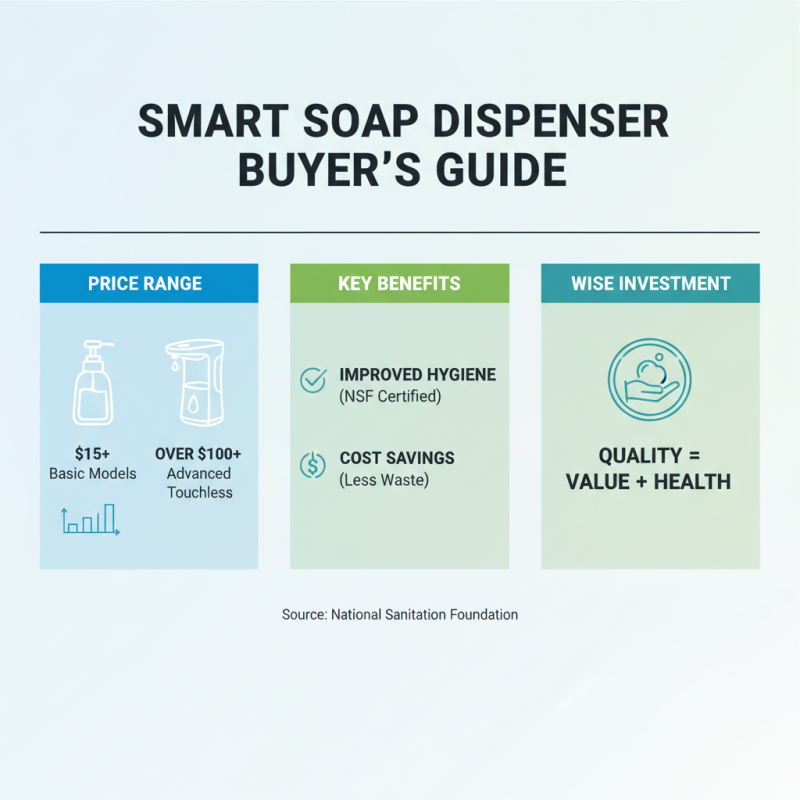
When selecting an automatic soap dispenser, budget considerations play a crucial role in determining the right choice for your home or business. Research shows that prices can range widely, typically from $15 for basic models to over $100 for high-end, touchless units with advanced features. The National Sanitation Foundation (NSF) emphasizes that investing in a quality dispenser not only improves hygiene but can also lead to cost savings in the long run by minimizing soap waste and ensuring efficient usage.
When considering budget, it's essential to assess the cost-per-use, which varies based on the type of dispenser and the soap used. For instance, Foam Soap Dispensers may require less soap per use compared to gel soap dispensers, thereby influencing overall operating costs. A report from the American Cleaning Institute highlights that facilities that switch to automatic dispensers can reduce soap consumption by up to 50%, yielding significant savings over time. Therefore, while the initial investment may seem high for certain models, the long-term benefits can justify the expenditure, making it a prudent choice for sustained hygiene and cost efficiency.
Reviews and Recommendations: Finding the Best Options
When choosing an automatic soap dispenser, it's essential to consider functionality, design, and user-friendliness to find the best option for your space. Look for dispensers that offer various soap capacities and adjustable portion control settings to suit different needs. A sleek design that complements your decor can enhance both home and business environments, making the dispenser a functional part of your decor rather than an eyesore.
Another important factor is the ease of maintenance. Opt for models that are easy to refill and clean, as this will save you time and effort in the long run. Additionally, consider features like touchless operation and battery life for maximum convenience and hygiene. Reviews can provide valuable insights from users who have tested different models, helping you narrow down your choices to the ones that truly stand out for reliability and efficiency. By focusing on these key aspects, you can ensure you are selecting the best automatic soap dispenser to meet your needs.
FAQS
: Commercial soap dispensers typically range from 800 ml to 1,500 ml in capacity, while home models usually hold between 250 ml to 500 ml.
The capacity affects how often the dispenser needs to be refilled, which influences maintenance and hygiene levels, especially in high-traffic areas.
When choosing a soap dispenser for a busy environment, opt for one with a larger capacity to reduce refill frequency and ensure soap is always available.
Dispensers with easy top-fill options are beneficial as they allow quick refills without needing to remove the unit from the wall, minimizing downtime.
The material impacts both aesthetics and durability. Options like stainless steel and high-quality plastics blend well with decor and withstand daily use.
Soap dispensers made from stainless steel have a lifespan that is 3 to 5 times longer than those made from lower-quality plastics, thanks to their resistance to corrosion and damage.
According to a 2022 industry report, 75% of consumers consider the look of a product just as important as its functionality.
Ergonomic shapes and easy-to-use buttons are design elements that can enhance user experience, making functionality just as important as visual appeal.
Yes, always review the soap compatibility to ensure it aligns with the dispenser's requirements to avoid malfunctions or hygiene issues.
Conclusion
When selecting the best automatic soap dispenser for your home or business, it is essential to understand the benefits these devices offer, such as improved hygiene and convenience. There are two main types of dispensers—touchless and manual activation—each with its unique advantages. Key features to consider include sensor sensitivity, dispensing speed, and ease of installation.
Moreover, evaluating the capacity and refilling options is crucial to ensure longevity, while the choice of material and design will affect both aesthetics and durability. It's also important to compare price ranges and set a budget that suits your needs. Finally, reading reviews and recommendations can help you identify the most reliable automatic soap dispenser options available, ensuring you make a well-informed decision for your space.


 Bathroom Application
 Automatic Soap Dispenser
 Smart Toilet Seat
 Shower Set
 Shower Seat
 kitchen Application
 Kitchen Sink
 Kitchen Faucet
 Kitchen Storage
 Home Appliance
 Aroma Diffuser
 Fans