When it comes to choosing a Liquid Soap Dispenser, it’s more than just a simple pick—it really matters. Dr. Emily Carter from CleanTech Solutions points out that having the right dispenser can actually make a difference in how well people practice good hand hygiene and, in turn, their overall health. Figuring out which one is best really depends on what you need and where you’re going to use it. A family bathroom, a busy restaurant, or a healthcare center all have their own specific needs, so the perfect dispenser for one place might not be so great for another.
So, when you're shopping around, it’s worth thinking about convenience and design. Features like touchless operation are pretty handy because they help keep things more sanitary and cut down on germs spreading. But, not all dispensers are equally good—some can be pretty frustrating to use, especially if they don’t work well or break easily. It’s smart to consider how durable they are and whether they’re actually easy to use over time. Let’s be honest—sometimes, complicated mechanisms just end up being a hassle.
In the end, investing in a quality dispenser really pays off. Sure, there are lots of options out there, but even the best models can have their quirks or flaws. For instance, not every dispenser handles Liquid Soap For Soap Dispenser perfectly in every situation. Going through the process of trying different models might reveal surprising stuff and get you thinking more about cleanliness and health in the long run. It’s kind of a journey, but totally worth it to find that perfect fit that keeps everyone happy and safe.
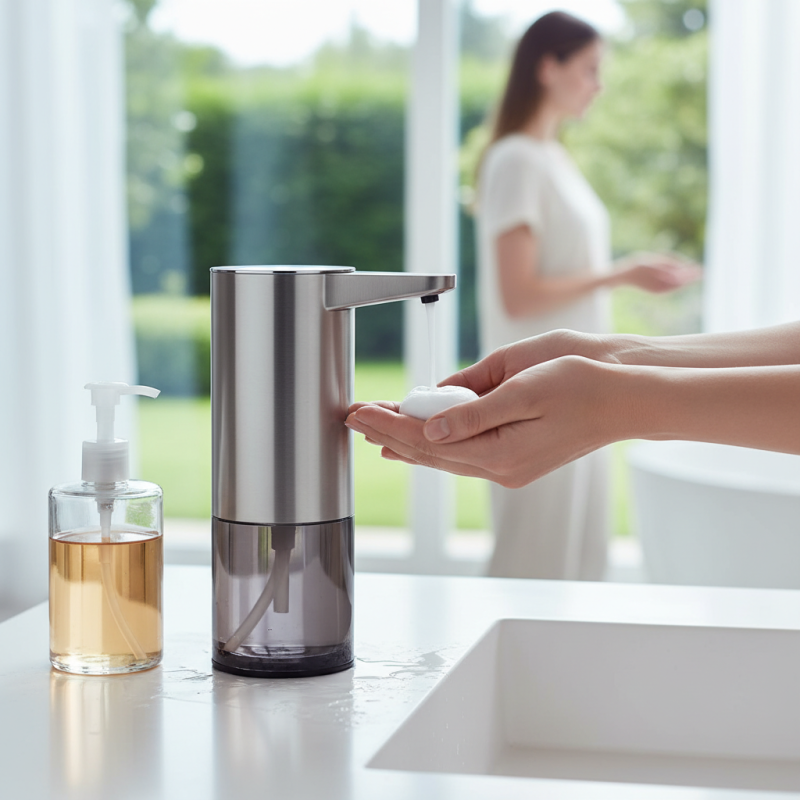
Key Features to Consider in a Liquid Soap Dispenser
Choosing the right liquid soap dispenser can significantly impact hygiene and convenience. A well-designed dispenser not only delivers soap efficiently but also enhances the overall user experience. According to a 2022 study by the Journal of Environmental Health, facilities with high-quality dispensers see a 30% increase in hand sanitation practices. This highlights the need for effective mechanisms that encourage regular use.
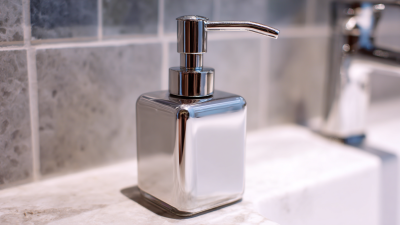
When selecting a liquid soap dispenser, consider the material and design. Dispensers made from stainless steel are durable and more resistant to bacteria, compared to plastic alternatives. A report by the Hygiene Council notes that stainless steel can reduce germ transfer by up to 50%. Additionally, touchless dispensers are gaining popularity, showing a growth rate of 15% annually. They minimize contact and further limit the spread of germs, making them ideal for public restrooms.
Another vital feature is the capacity of the dispenser. Smaller models may require more frequent refills, which could disrupt service. Yet, models with large capacities might not be visually appealing in a small space. Finding a balance between size and aesthetics is crucial. Always think about how the dispenser aligns with your daily usage needs and the environment in which it will be placed. Making an informed choice can lead to better hygiene and user satisfaction overall.
The Impact of Material on Durability and Functionality
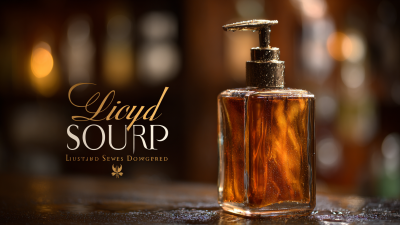
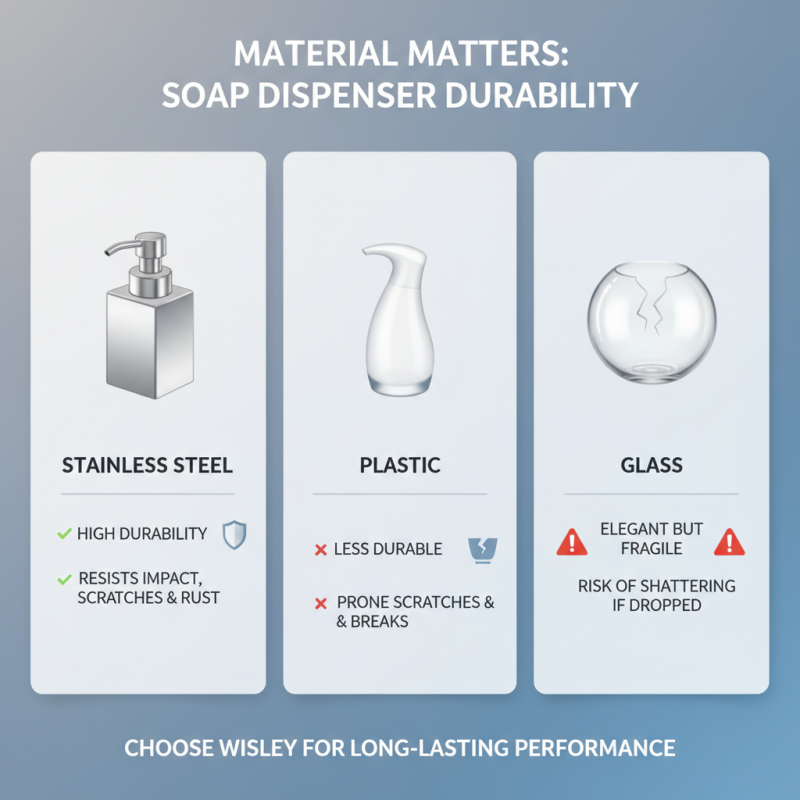
The choice of material in liquid soap dispensers significantly affects both durability and functionality. For example, stainless steel dispensers tend to withstand impact better than plastic options. They resist scratches and rust, ensuring longevity even in high-use areas. On the other hand, glass dispensers offer a sleek look but may shatter if dropped. These different materials influence how well the dispensers perform over time.
Another aspect is the ease of cleaning. Some materials, like plastic, can accumulate stains more easily than metal or glass. Regular cleaning is essential to maintain hygiene, especially for Liquid Soap For Automatic Soap Dispensers. Unfortunately, neglecting this can lead to bacteria build-up. One needs to consider not just aesthetics, but also practicality in daily use.
Moreover, the weight of the dispenser can be important. Heavier materials often provide stability, reducing the risk of tipping over. However, a heavier dispenser might be cumbersome for some users. Balancing durability and user-friendliness is tricky. Different settings may require different approaches. Understanding these nuances aids in selecting the right dispenser for your needs.
Understanding Different Dispensing Mechanisms and Their Benefits
When considering a Liquid Soap Dispenser, understanding the dispensing mechanisms is crucial. Pump dispensers are among the most popular choices. They offer precise control over the amount of soap used. Users appreciate that they can quickly adjust the dispensing volume with a simple push. However, they sometimes clog, leading to frustration. Cleaning them regularly can mitigate this issue.
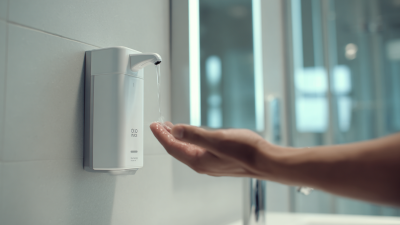
Automatic soap dispensers have gained traction in recent years. They provide a touch-free experience, which is great for hygienic environments. Infrared sensors detect hand movements, dispensing soap without physical contact. While they enhance cleanliness, battery dependence can be a drawback. Users may find themselves replacing batteries frequently, often at inconvenient times.
Another option is the squeeze bottle design. This simple mechanism allows for easy refills and is often portable. Users love them for their versatility. However, without careful design, these dispensers risk leaks. It's essential to choose one that maintains a good seal. Each dispensing method has its merits and drawbacks, making informed choices critical for effective usage.
Hygienic Advantages of Touchless vs. Manual Dispensers
Choosing the right liquid soap dispenser can greatly impact hygiene in your environment. Touchless dispensers are often seen as a modern solution. They reduce direct contact, minimizing the spread of germs. In settings like hospitals or restaurants, touchless options are favored for this reason. Automatic sensors allow users to dispense soap without touching any surfaces.
Manual dispensers, while effective, come with drawbacks. They require users to press a button or pump, which can facilitate the transfer of bacteria. If not maintained properly, these dispensers can harbor germs. Regular cleaning is essential to ensure they remain hygienic. Users may forget to clean, leading to potential health risks.
Both types have their place, depending on your needs. Touchless dispensers provide convenience and safety. However, they can malfunction, causing frustration. Manual dispensers are often more economical but less hygienic. Each option requires careful consideration of its advantages and challenges. Ultimately, the choice hinges on balancing efficiency, cost, and hygiene concerns.
Cost Analysis: Value vs. Quality in Liquid Soap Dispensers
When selecting a liquid soap dispenser, understanding the cost is essential. Value and quality often overlap, but not always. A budget option might save money upfront but could lead to frequent replacements. This creates additional costs over time. An Automatic Liquid Soap Dispenser, while initially pricier, can enhance long-term savings.
Investing in a high-quality dispenser ensures durability. Many cheaper models are made from low-grade plastic, which may break easily. They can leak or fail, causing frustration. On the other hand, a well-reviewed Automatic Liquid Soap Dispenser not only reduces mess but also encourages more frequent handwashing, promoting better hygiene. This is especially crucial in homes with children.
Choosing a liquid soap dispenser can be tricky. The right balance of cost and quality impacts user experience. Customers often regret their choices when they face ongoing maintenance issues. A thoughtful decision can lead to a reliable product that simplifies daily tasks. Higher quality often leads to greater satisfaction, even if it means spending a little more initially.
Industry Standards and Certifications for Liquid Soap Dispensers
When selecting a liquid soap dispenser, understanding industry standards and certifications is crucial. The relevance of these certifications cannot be overstated. For instance, dispensers that meet ASTM standards ensure durability and safety. These standards test for resilience, making them essential for high-traffic areas. An estimated 30% of users experienced dispenser failures that could have been avoided with reliable designs.
Certifications like CE mark or UL listing signify compliance with safety regulations. These markings indicate the product has undergone rigorous testing. A well-regarded report by the International Association of Environmental Hygiene states that compliant dispensers reduce cross-contamination risks by up to 50%. This is significant in preventing illness in public spaces.
Separating quality dispensers from subpar models can be challenging. Some products claim to meet standards but fall short. Consider Wall Liquid Soap Dispensers, which often promise ease of use and reduced waste. However, without proper certification, you might face concealed flaws. It’s essential to verify claims and examine the specifications. Functionality and hygiene should be the primary focus when selecting the right dispenser for your needs.
User Experience: Customer Reviews and Feedback Trends
When choosing a liquid soap dispenser, user experience matters greatly. Customer reviews often highlight the convenience and functionality of various models. Many users appreciate easy refilling methods. Others point out the importance of durability in daily use. Their feedback reflects a growing desire for products that can withstand heavy usage.
Trends in customer reviews show a strong preference for dispensers with adjustable dispensing amounts. This feature allows users to control how much soap is dispensed, preventing waste. However, some users express frustration over models that are inconsistent in dispensing. This inconsistency can lead to messy situations, making it crucial to choose wisely.
Another aspect to consider is the design. Customers often mention aesthetics as a factor in their choices. A visually appealing dispenser can enhance a bathroom or kitchen. Still, not all stylish options perform well. Users remind potential buyers to balance beauty with functionality. The dialogue around these products reveals a valuable insight: user satisfaction hinges on a thoughtful combination of design and practical features.
Why Choose the Best Liquid Soap Dispenser for Your Needs? - User Experience: Customer Reviews and Feedback Trends
| Feature | Customer Rating (1-5) | Review Count | Pros | Cons |
| Easy to Use | 4.5 | 150 | User-friendly design, quick dispensing | Occasionally jams |
| Durability | 4.3 | 200 | Sturdy construction, long-lasting | Heavier than expected |
| Design Aesthetics | 4.7 | 180 | Stylish and modern look | Limited color options |
| Price Point | 4.0 | 220 | Affordable, good value for money | Basic features only |
| Maintenance | 4.2 | 165 | Easy to clean, minimal upkeep | Dispenser can leak if overfilled |
Enhancing Hygiene: The Impact of Automatic Soap Dispensers on Germ Reduction and Infection Control in Healthcare Settings
In healthcare settings, maintaining strict hygiene standards is crucial for reducing the spread of germs and controlling infections. The introduction of automatic soap dispensers has transformed hand hygiene practices by enabling touch-free operation, thus minimizing the risk of cross-contamination. These dispensers utilize advanced infrared sensing technology to release soap without the need for physical contact, ensuring that healthcare professionals and visitors can maintain personal hygiene effortlessly.
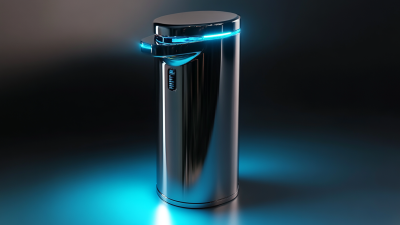
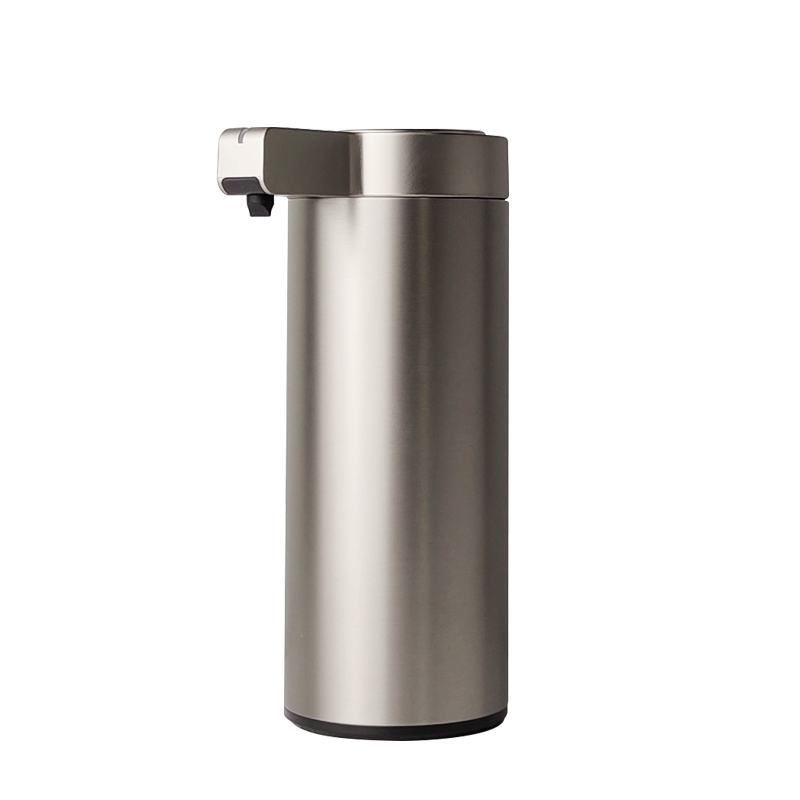
One exemplary model within this category features a sleek stainless steel design, offering a customizable color option that can seamlessly integrate into various environments. It boasts adjustable liquid output levels, accommodating different settings such as bathrooms and kitchens, while also being compatible with a variety of liquid products including hand soap, shower gel, and shampoo. This versatility makes it an ideal choice for hospitals, clinics, and other facilities where hygiene is paramount. By encouraging consistent handwashing, automatic soap dispensers not only promote better hygiene practices but also significantly contribute to reducing infection rates in healthcare facilities.
FAQS
: Pump dispensers, automatic dispensers, and squeeze bottles are popular types. Each has unique features and benefits.
Pump dispensers offer precise control over soap amounts. Users can easily adjust the volume with a simple push.
They are touch-free and hygienic but depend on batteries. Frequent battery replacements can be inconvenient.
Squeeze bottles are portable and easy to refill. However, they can leak if not designed carefully.
Value and quality are intertwined. Cheaper options may save money initially but can lead to higher long-term costs.
Durability and functionality are crucial. Users often regret choices based on aesthetics alone, overlooking performance.
They help users control soap usage and prevent waste. Inconsistency in dispensing can lead to messy situations.
Aesthetics can enhance a space but should not compromise function. Balance between beauty and practicality is key.
Regular cleaning can prevent clogs in pump dispensers. Thoughtful selection based on reviews can reduce maintenance issues.
Customers want durability and easy refills. They highly value practical features alongside appealing designs.
Conclusion
When selecting a Liquid Soap Dispenser, it's essential to consider several key features that influence both durability and functionality. The material of the dispenser plays a vital role in its longevity, with various options offering distinct advantages. Additionally, understanding the different dispensing mechanisms can help users choose a model that best meets their needs—whether they prefer the convenience of touchless dispensers for enhanced hygiene or the simplicity of manual options.
Cost analysis is another important aspect, where potential buyers must balance value and quality to ensure they make a wise investment. Moreover, awareness of industry standards and certifications can guide consumers in choosing reliable products. Finally, insights from customer reviews and feedback trends can provide valuable information about user experiences, helping to inform decisions when purchasing a Liquid Soap Dispenser.



 Bathroom Application
 Automatic Soap Dispenser
 Smart Toilet Seat
 Shower Set
 Shower Seat
 kitchen Application
 Kitchen Sink
 Kitchen Faucet
 Kitchen Storage
 Home Appliance
 Aroma Diffuser
 Fans
 Night Vision Monocular
 Night Vision Binoculars