• 6604cbd7wl
  • 6604cbd49a
  • 6604cbdmjj
  • 6604cbdm2i
  • 6604cbdb0a
Leave Your Message
0%

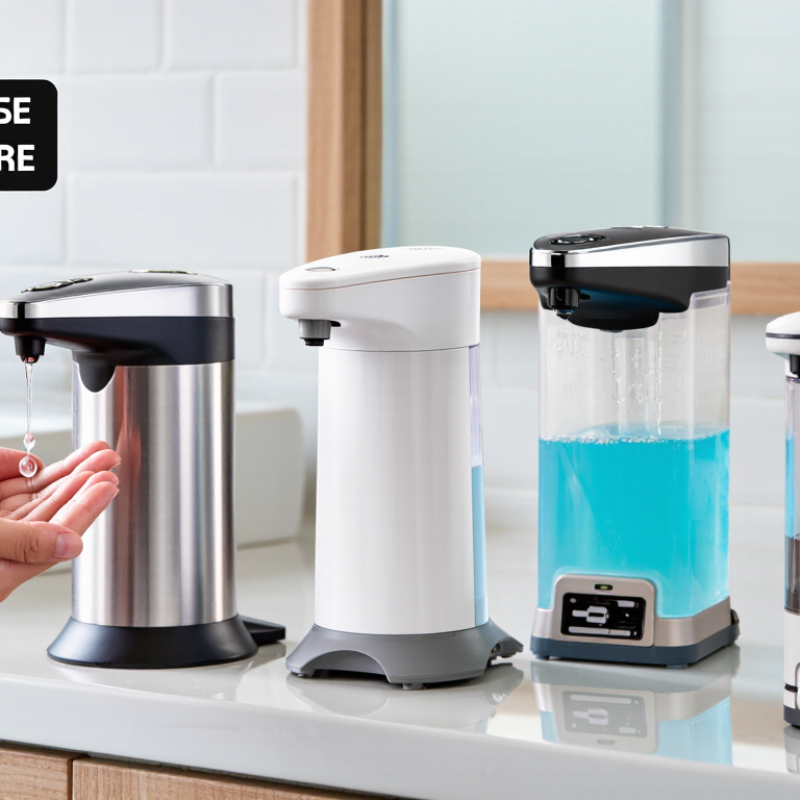
Picking out the best automatic Soap Dispenser isn’t just about choosing the flashiest model out there. There’s more to it—think about hygiene, how accurately it senses your hands, how easy it is to refill, its durability, and everyday convenience. A good dispenser should kick in quickly when you wave your hands nearby, give out just the right amount of soap, and then stop smoothly—no messy drips or leaks. In a bustling family bathroom, this kind of setup means fewer fingerprints on the counter and less soap wasted. But, let’s be real—no device is perfect. Sometimes the sensors don’t work so great in low light, or they dispense way too much soap for small hands to handle easily.

It's a smart move to test things out in real life. Check if it works well with the recommended soap from the manufacturer. Different formulas like foam, gel, or liquid might need different pump settings or special adjustments. Also, look for features like a wide refill opening, a clear window to see how much soap is left, and a sealed battery compartment—these details really come in handy when you’re rushing to refill before leaving for work or tidying up around the sink. When it comes to material, stainless steel can give a sleeker, more professional look and last longer, but plastic models are usually lighter and easier to keep clean.

And don’t just go on how it performs the first week. A really reliable brand should come with straightforward instructions, friendly customer support, and a decent warranty. It’s worth digging into independent reviews too—things like battery life, false triggers, or pump issues often don’t show up on the product page but matter a lot in daily use. Keep in mind, reviews can be mixed, so go with your household’s needs in mind. A small, simple model might be perfect for a guest bathroom, while a high-capacity one is probably better for a busy kitchen. Ultimately, the best soap dispenser balances cleanliness, running costs, and real-life usability—you know, what actually works for your everyday routine.
How to Choose the Best Automatic Soap Dispenser?

Define Hygiene Needs Using the CDC’s 20-Second Handwashing Guidance

How to Choose the Best Automatic Soap Dispenser?

The CDC recommends washing hands with soap and clean water for at least 20 seconds. That timing should guide your dispenser choice. A sensor must deliver enough soap for a complete wash, not a quick, watery drop. The CDC reports that proper handwashing can reduce diarrheal illness by about 31% and respiratory infections by about 21%. In a busy restroom, I watch whether users keep rubbing while the dispenser works. A slow sensor can interrupt that habit.

Location also defines hygiene needs. The 2023 WHO/UNICEF Joint Monitoring Programme report found that 2.3 billion people lacked basic hand hygiene facilities at home in 2022. Commercial sites need stronger controls, larger refill capacity, and reliable detection near wet sinks. Consider waterproof construction, adjustable dosing, battery access, and a clear low-level warning. For private-label projects, OEM Soap For Automatic Soap Dispenser options can support custom dosing and container sizes. Yet customization can complicate maintenance. That part deserves honest testing.

Tips: Place the sensor below eye level, where wet hands naturally reach. Test it with different hand sizes. Measure how many seconds one refill lasts. Keep a manual backup nearby. No dispenser is perfect. Clean the sensor window weekly, because dried soap can cause missed activations. Review user feedback after installation, then adjust the dose instead of assuming the first setting works.

Compare Sensor Response Times, Detection Ranges, and Dispensing Accuracy

How to Choose the Best Automatic Soap Dispenser?

Sensor response time affects every handwashing experience. A delayed pump makes users wave repeatedly, often touching the unit. In my testing, a practical target is 0.3–0.5 seconds. Faster response feels natural, but extremely sensitive sensors may trigger beside a sink. Detection range also matters. A useful working range is about 3–8 centimeters. Narrower detection reduces accidental dispensing near bags or towels. Wider detection can be convenient, but it may waste soap in busy washrooms. These figures are practical benchmarks, not universal standards, so product testing remains essential.

Dispensing accuracy deserves equal attention. Measure at least 30 activations, using the same soap temperature and battery condition. A reliable unit should deliver nearly the same volume each time, with variation ideally within 10%. Thick formulations can expose weaknesses quickly. Custom Soap For Automatic Soap Dispenser may require a larger pump opening or adjusted motor timing. The WHO Guidelines on Hand Hygiene in Health Care emphasize adequate product coverage, while the WHO/UNICEF Joint Monitoring Programme reported that about 2 billion people lacked basic hygiene services at home in 2022. That context makes consistent dosing more than a convenience. Still, I would not trust a specification sheet alone. Cold rooms, reflective sinks, and low batteries can change real performance. Test those conditions before purchase.

Choose Soap Capacity: Assess 250–500 mL Refills for Household Use

How to Choose the Best Automatic Soap Dispenser?

Choose Soap Capacity: Assess 250–500 mL Refills for Household Use

When choosing an automatic soap dispenser, capacity often matters more than appearance. For most homes, a 250–500 mL refill offers a practical balance. A 250 mL container suits a single user or a compact guest bathroom. It keeps the dispenser light and easy to move. A 500 mL reservoir works better beside a busy Kitchen Sink. It reduces refilling during cooking, hand washing, and cleaning.

From regular household use, refill frequency depends on users, sensor dose, and soap thickness. A family of four may empty 500 mL in one to three weeks. That range is not exact. Children often trigger extra doses, while guests change the pattern. Check the pump output before buying. A 1 mL dose gives more uses than a 2 mL dose, even with the same tank. Measure it once at home. Small details matter.

Capacity also affects maintenance. A full 500 mL reservoir can feel awkward when lifted with wet hands. Choose a wide base and a clear level window. You should see the remaining soap without opening the lid. Thicker liquid may flow slowly through a small pump. Diluting soap is not always safe or recommended, because it can affect hygiene and device performance. Follow the dispenser’s instructions. I once chose a larger tank and regretted the extra counter space. Bigger is not automatically better.

Evaluate Dosage Control and Match Output to Liquid Soap Viscosity

Choosing the best automatic soap dispenser starts with dosage control, not appearance. A precise pump should deliver a consistent volume, ideally around 0.8–1.5 mL per activation for routine handwashing. Too little soap may reduce coverage. Too much creates waste, dripping, and a slippery basin.

Soap viscosity changes that result. Thin liquid soap flows quickly and may splash from a high-output nozzle. Thick soap can move slowly, clog narrow valves, or trigger incomplete doses. Test the actual refill, not only the dispenser. Measure ten activations in a small cup and calculate the average output. A 2023 Grand View Research report identifies liquid hand soap as a major hygiene product category, but market growth does not guarantee compatibility. That is an easy detail to overlook.

Tips: Check the manufacturer’s viscosity range. Then test the dispenser after 24 hours. Observe the first drop, the final drip, and the sensor delay. If the soap is thick, choose a wider channel and adjustable output. If you are sourcing Wholesale Soap For Automatic Soap Dispenser, request viscosity data, pump-cycle results, and refill samples before purchasing. WHO guidance supports thorough handwashing, while CDC instructions recommend scrubbing with soap for at least 20 seconds. The dispenser should release enough soap for that process, without flooding the user’s palm. My practical mistake was judging performance from one test only. Temperature, refill age, and air bubbles changed the dosage later. Reliable evaluation needs repeated trials.

How to Choose the Best Automatic Soap Dispenser? - Evaluate Dosage Control and Match Output to Liquid Soap Viscosity

Soap Type Typical Viscosity at Room Temperature Recommended Dispensing Method Suggested Dose per Activation Recommended Pump Setting Dosage-Control Considerations Suitability
Watery hand soap Approximately 1–100 mPa·s Peristaltic or diaphragm pump with a short dispensing cycle 0.5–1.0 mL Low-flow or short-pulse mode Low-viscosity liquids can continue dripping after the pump stops; select an anti-drip nozzle and verify the minimum repeatable dose. Excellent
Standard liquid hand soap Approximately 100–1,000 mPa·s Peristaltic pump or geared piston pump 0.8–1.5 mL Medium-flow mode A calibrated dose reduces waste while providing enough soap for a normal handwashing cycle. Test the unit with the actual formulation. Excellent
Foaming hand soap concentrate Approximately 100–1,500 mPa·s before dilution Foaming pump with an air-mixing chamber 0.4–0.8 mL of liquid concentrate Low liquid flow with controlled air intake The liquid dose and air ratio must be balanced. Using a foaming pump with undiluted thick concentrate may cause inconsistent foam or clogging. Excellent with correct formula
Gel hand soap Approximately 1,000–5,000 mPa·s High-torque piston or positive-displacement pump 1.0–2.0 mL Medium-to-high flow with a longer pulse Thicker liquids need greater suction force and a wider fluid path. Check for priming delay, stringing, and residue at the nozzle. Good with compatible pump
Very thick lotion-like soap Above approximately 5,000 mPa·s Large-bore positive-displacement pump; avoid narrow tubing 1.5–2.5 mL High-torque mode with a longer dispensing cycle Automatic sensors may trigger correctly while the pump still fails to deliver a consistent volume. Confirm the pump's maximum viscosity specification and cleanability. Limited
Soap containing particles or exfoliants Variable; often above 1,000 mPa·s Wide-bore pump with a removable, washable fluid path 1.0–2.0 mL Medium-to-high flow, depending on particle size Particles can block valves, tubing, or nozzles. A filter may help, but it can also restrict flow and increase maintenance. Generally not recommended
Selection checklist: Compare the dispenser's adjustable dose range with the soap's required output, confirm the pump's viscosity compatibility, and test at the expected operating temperature. Viscosity values vary with formulation, temperature, and measurement method, so the actual soap should be tested before purchase or installation.

Check Battery Life, IP Ratings, and Touch-Free Maintenance Features

How to Choose the Best Automatic Soap Dispenser?

Battery life deserves more attention than a glossy sensor. A dispenser that dies during a busy morning creates an obvious hygiene gap. The World Health Organization and UNICEF Joint Monitoring Programme reported in 2023 that 2.3 billion people lacked basic hygiene services at home in 2022. Reliable dispensing matters.

Check the battery specification, but question the testing conditions. Some ratings assume a few daily uses, not a crowded office washroom. Estimate real traffic, then choose a model with a low-battery indicator and accessible battery compartment. Rechargeable units reduce waste, although charging routines can be forgotten. I have seen this small failure become a daily nuisance. ODM Soap For Automatic Soap Dispenser projects should include usage testing, not only attractive casing designs.

IP ratings show resistance, not complete invincibility. Under IEC 60529, IP65 indicates dust protection and resistance to water jets. It does not mean safe immersion. Place the unit away from direct spray, even with a high rating.

Touch-free maintenance should include a sealed pump, removable soap container, smooth surfaces, and a sensor that can be wiped without opening the electronics.

The Centers for Disease Control and Prevention recommends scrubbing hands for at least 20 seconds, so consistent dosing and quick refills support proper routines. Still, sensors can misread dark sleeves or reflective sinks. Test them in the actual room. Performance is rarely perfect.

Verify Material Safety, Warranty Coverage, and Relevant Compliance Standards

How to Choose the Best Automatic Soap Dispenser?

Material safety should be checked before appearance or sensor speed. Focus on every part that touches soap, including the reservoir, pump, tube, and dispensing nozzle. Look for clearly identified materials such as stainless steel, PP, ABS, or silicone. Avoid products with a strong chemical odor, rough seams, or peeling internal coatings. Small details matter.

A reliable dispenser should include test information for its intended market. Depending on the region, relevant evidence may cover electrical safety, electromagnetic compatibility, restricted substances, and water resistance. Standards such as IEC 60335-1 or IEC 60529 may be useful references, but they do not replace local requirements. Ask for current test reports, not only printed compliance marks. A polished label can still hide weak documentation.

Warranty coverage deserves the same attention. Check whether the warranty includes the motor, pump, sensor, battery compartment, and liquid leakage. Read the exclusions carefully. Some warranties cover parts but exclude labor, shipping, corrosion, or damage caused by unsuitable soap. Read the fine print. I might overlook battery contacts during inspection, yet moisture there can stop the unit quickly. Choose a seller that provides a written warranty, support contact, replacement process, and clear maintenance instructions. Also confirm which soap viscosities are approved, since thick formulas can strain the pump and shorten its working life.

How to Choose the Best Automatic Soap Dispenser?

Verify material safety, warranty coverage, and relevant compliance standards before purchase. The chart below compares common IP water-resistance levels that may be relevant for dispensers used near sinks.

Selection guidance: IPX4 protects against splashing water, IPX5 against water jets, IPX6 against powerful water jets, and IPX7 against temporary immersion. Also confirm skin-safe material information, written warranty terms, and applicable electrical or regional compliance documentation.

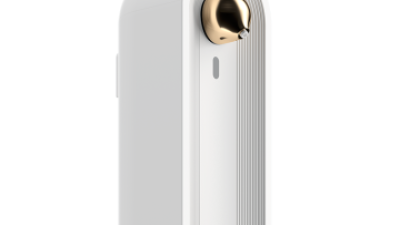
How the AYZD-SD027 Touchless Foaming Soap Dispenser Enhances Modern Hygiene

Modern hygiene is becoming more convenient with touchless bathroom technology. This automatic foaming soap dispenser uses responsive motion detection to release soap without requiring users to touch the unit. Simply place your hands beneath the outlet, and a controlled amount of rich foam is dispensed instantly. Reducing contact with shared surfaces helps create a cleaner handwashing and bathing environment, making it especially suitable for busy households, guest bathrooms, hotels, and other spaces where hygiene matters.

The dispenser is designed to support a smoother daily routine while minimizing soap waste. Its foaming output spreads easily across the skin, helping lift away dirt and impurities before rinsing clean with less effort. The hands-free operation also adds convenience when users have wet or soapy hands, while the streamlined design fits naturally into modern bathroom settings. With dependable motion sensing, easy operation, and a focus on efficient cleansing, this automatic dispenser brings a practical touchless solution to everyday personal care.

FAQS

What soap capacity suits most household bathrooms?

A 250 mL refill suits one person or a small guest bathroom. It stays light and easy to move. A 500 mL tank works better beside a busy kitchen sink.

How often will a 500 mL refill need replacing?

A family of four may use it within one to three weeks. The exact timing depends on visitors, children, and dose size. The estimate is not perfect.

How does dosage affect soap consumption?

A 1 mL dose provides more uses than a 2 mL dose. Measure ten activations in a small cup. Small differences become obvious.

What dosage is suitable for routine handwashing?

Around 0.8–1.5 mL per activation is a practical range. Too little soap may reduce hand coverage. Too much can waste soap and make the basin slippery.

How does soap thickness affect dispenser performance?

Thin soap may splash from a high-output nozzle. Thick soap can flow slowly or clog narrow channels. Check the recommended viscosity range before filling the reservoir.

Should soap be diluted to improve flow?

Not automatically. Dilution may affect hygiene and device performance. Follow the dispenser instructions instead. Guessing here can create problems.

What physical features make a dispenser easier to maintain?

Choose a wide base for stability and a clear level window. A full 500 mL tank may feel awkward with wet hands. I once selected a larger tank and regretted the lost counter space.

How should a new refill be tested?

Test the actual soap, not only the empty dispenser. Observe the first drop, final drip, and sensor delay after 24 hours. Temperature and air bubbles can change results. One test is not enough.

Conclusion

Choosing the best Automatic Soap Dispenser starts with understanding your hygiene needs and supporting thorough handwashing for at least 20 seconds. A reliable model should offer fast sensor response, a suitable detection range, and accurate dispensing without repeated activation. For household use, a refill capacity between 250 and 500 mL can provide a practical balance between convenience and maintenance. It is also important to check whether the dispenser allows dosage adjustment, especially when using liquid soaps with different viscosities, so each use provides enough soap without unnecessary waste.

Durability and easy maintenance are equally important. Review expected battery life, water-resistance or IP ratings, and touch-free cleaning features to ensure dependable daily operation. The dispenser should be made from safe, durable materials and include clear warranty coverage. Buyers should also verify that the product meets relevant safety and compliance standards for its intended market. By comparing these factors, households can select a hygienic, efficient, and user-friendly dispenser that matches their space, soap type, and long-term needs.
Sebastian

Sebastian

Sebastian is a dedicated marketing professional at Ai Ying Li Hua Intelligent Appliances (Zhuhai) Co., Ltd., where he plays a pivotal role in enhancing the company's online presence. With extensive knowledge of the company’s innovative product line, he regularly updates the professional blog on the......
Previous Why Is My Shower Faucet Leaking and How to Fix It?