Picking out the right kitchen faucet can really make a difference in how smoothly you cook and clean up. There are so many styles, materials, and features out there — it might feel a bit overwhelming, but just think about what you actually need. For example, if your kitchen gets a lot of use, a pull-down sprayer is super handy. On the other hand, if you’re into a more traditional vibe, a classic faucet might be just what you’re looking for. And don’t forget about functionality—making sure it’s reliable and won’t start acting up after a couple of months is key.
And yeah, looks matter too. You want your faucet to blend well with your kitchen’s style. A sleek, modern faucet can really give your space a fresh, updated feel. But if you’re into a cozy, vintage look, something with a retro charm can add a lot of character. Oh, and a quick tip—some finishes need more upkeep than others, so it’s worth thinking about how much maintenance you’re willing to do.
Also, think about your lifestyle. Are you someone who loves to cook and spends a lot of time in the kitchen? Then maybe a more versatile, functional faucet is the way to go. Or if hosting friends and family is your thing, go for a design that’ll impress guests. Basically, the perfect Kitchen Faucet is one that hits the sweet spot between style, practicality, and ease of use. Take your time with the decision—it’s a small change that can really shape the heart of your home.
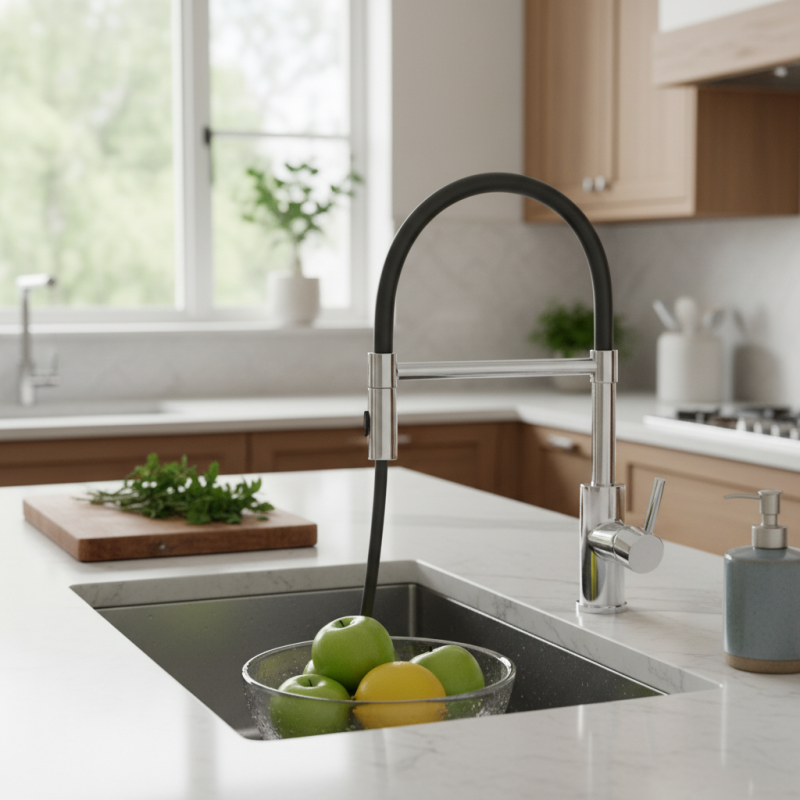
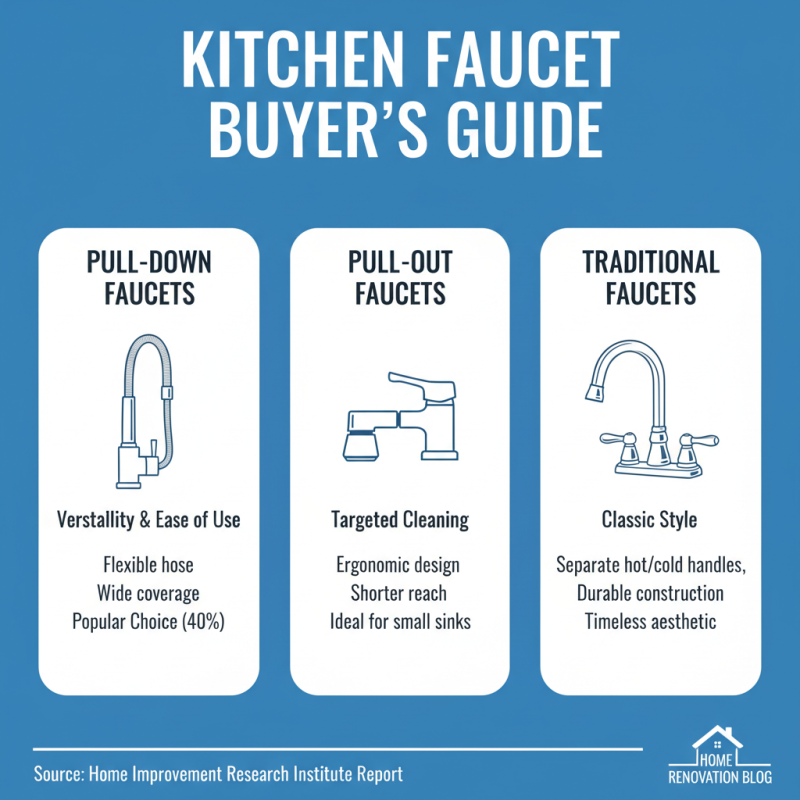
Choosing the right kitchen faucet involves understanding the various types available. There are pull-down, pull-out, and traditional faucets, each with unique benefits. According to a report from the Home Improvement Research Institute, about 40% of homeowners prefer pull-down faucets for their versatility and ease of use.
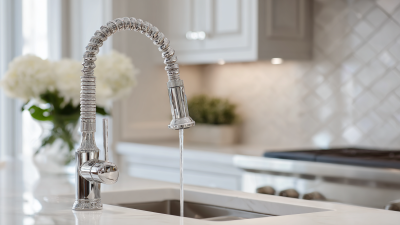
Pull-down faucets feature a hose that extends from the spout. This design allows easier rinsing of larger pots. It’s practical, but some users find the retractable mechanism can fail over time. Regularly checking the hose for wear can prolong its life.
Pull-out faucets, on the other hand, have a similar design but extend horizontally. They’re ideal for smaller sinks. However, they may not be as sturdy as their pull-down counterparts. The industry notes that around 30% of buyers choose pull-out options for their space-saving benefits. Reflecting on user reviews can highlight potential issues early, helping to make informed decisions.
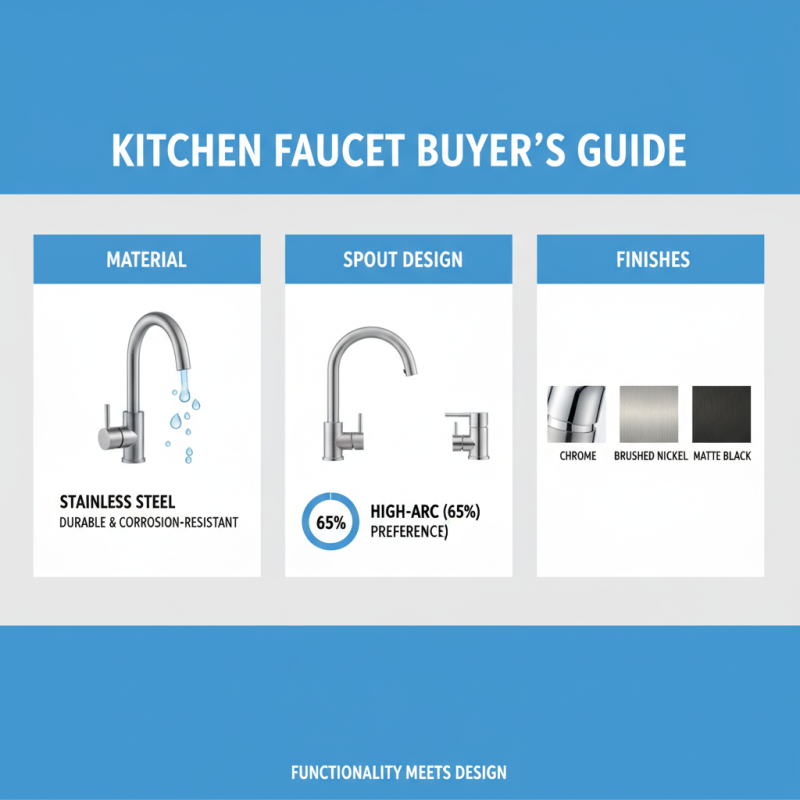
Choosing the right kitchen faucet is crucial for both functionality and design. When evaluating faucets, key features like construction material, finish, and spout design become essential. Stainless steel is a popular choice due to its durability. It resists corrosion and maintains a sleek appearance. According to market studies, about 65% of homeowners prefer high-arc spouts for easier filling of pots.
Consider water flow rate as well. An efficient faucet can significantly reduce water consumption. The EPA suggests that water-efficient faucets should have a flow rate of 1.5 gallons per minute. This not only saves water but can lower utility bills.
Tips: Look for a faucet with an ergonomic handle for easy control. Ensure that it has a finish that resists fingerprints and water spots. When you ponder over finishes, remember that matte black and brushed nickel can hide imperfections well.
Check compatibility with your sink configuration too. Some faucets require specific hole configurations. A common oversight is not measuring the space before the purchase. It's essential to grasp the size and height of your selected faucet. This avoids mismatches.
When selecting a kitchen faucet, water flow rates significantly impact your cooking and cleaning efficiency. The average kitchen faucet provides 1.5 to 2.2 gallons per minute (GPM) of flow. A higher flow rate can save time when filling pots or rinsing dishes. However, a faucet that flows too quickly can waste water. This balance is crucial for a sustainable kitchen.
Research shows that an efficient faucet can reduce water usage by up to 30% without compromising performance. While a stylish Black Kitchen Sink Faucet might catch your eye, practicality should remain at the forefront. For example, a faucet with adjustable flow rates gives you control over water usage. This flexibility enhances efficiency during various tasks. Many homeowners overlook this feature until they face unnecessarily high water bills.
Installing a low-flow faucet can also minimize environmental impact. Reports indicate that such fixtures can save an average household nearly 700 gallons of water each year. Yet, some people still prefer traditional faucets with higher flow rates, prioritizing speed over sustainability. Reflecting on practical choices can lead to better habits. The challenge lies in finding a balance that meets your needs while promoting efficient water use.
This chart illustrates the water flow rates (in Gallons Per Minute, GPM) for various types of kitchen faucets. Standard faucets typically deliver a flow rate of 2.2 GPM, while pull-down and pull-out models offer slightly lower rates. Touchless faucets generally provide more efficiency, and commercial faucets excel with the highest flow rate at 3.0 GPM, which could enhance kitchen efficiency in professional settings.
When selecting a kitchen faucet, the material is crucial for durability. Brass is a popular choice. A Brass Kitchen Sink Faucet can resist corrosion, making it ideal for busy kitchens. It ages gracefully and develops a unique patina over time. This adds character to your space. However, it’s essential to ensure the brass is of high quality. Low-grade brass may not last long and can negatively affect your water.
Another factor is the finish on the faucet. Different finishes can affect both appearance and longevity. Polished chrome looks sleek but may show fingerprints easily. Matte finishes can be more forgiving but might not hold up as well under harsh cleaning chemicals. Consider your cleaning habits when choosing a finish. You may love a shiny look but find it hard to maintain.
Don’t overlook installation ease. A more complex faucet might look stunning but could lead to frustration down the line. Sometimes, practicality must win. Finding the right balance between style and functionality is challenging. Make sure you think about how the faucet will fit into your daily life.
| Material | Durability Rating | Corrosion Resistance | Maintenance Level | Life Expectancy (Years) |
|---|---|---|---|---|
| Stainless Steel | 8-10 | High | Low | 15-20 |
| Brass | 7-9 | Medium | Medium | 10-15 |
| Aluminum | 5-7 | Low | High | 5-10 |
| Plastic | 3-5 | Very Low | Very High | 3-5 |
| Zinc Alloy | 4-6 | Low | Medium | 5-8 |
When designing a kitchen, the spout height and reach are crucial factors to consider. A well-chosen faucet can significantly enhance functionality. Reports indicate that 50% of homeowners regret their faucet choices due to inadequate spout height. This often leads to splashes or difficulty filling large pots. A spout height of 8 to 10 inches is recommended for versatile use.
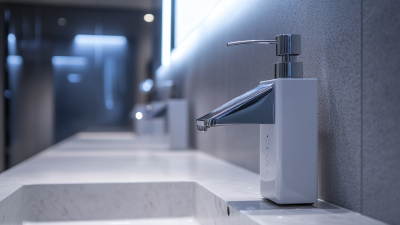
The reach of the spout also plays a vital role in a kitchen's design. A longer reach allows for easier access to all areas of the sink. Surveys show that 70% of users appreciate faucets with a reach of at least 9 to 12 inches. This measurement can be particularly important when using a Wall Mount Kitchen Sink Faucet. It helps in maximizing the workspace while keeping the sink area tidy.
However, not all homes are the same. An ideal height or reach for one family may not suit another. Consider the dimensions of your sink and the surrounding space. Ensure that the faucet complements your kitchen's overall design while meeting your daily needs. An ill-fitting faucet can lead to frustration, wasted time, and higher renovation costs. Assess each option carefully to find the perfect balance.
Choosing the right faucet is crucial for your kitchen's functionality. One key aspect is the handle type. The handle type significantly impacts how you operate a faucet. Understanding these types can lead to better usability and style.
There are three main handle types: lever, knob, and touchless. Lever handles are ergonomic and allow for easy temperature adjustments. Knobs can be challenging for those with limited grip strength. Touchless faucets offer convenience but sometimes malfunction. It's essential to weigh these factors against your needs. A recent survey found that 45% of homeowners prefer lever handles for their ease of use.
Tips: Always consider your kitchen layout. If space is limited, a single-handle faucet may be better. Think about a Kitchen Faucet With Sprayer. It adds versatility for washing and rinsing. For those who cook often, it's invaluable.
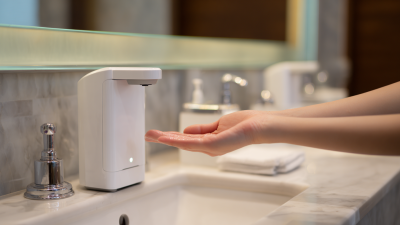
Many faucets now offer customizable handles or pull-down sprayers. These features can enhance your kitchen experience. However, ensure they fit your sink's design. Remember, a faucet should not only be stylish but also practical. Quality can vary greatly. Some products may not give you the durability you expect.
When assessing the budget for a kitchen faucet, it’s essential to know the average prices in the market. Basic models start around $50. These faucets usually come with minimal features. You might find them less durable over time. If you want something stylish, expect to pay at least $100. Mid-range options often offer a better balance of quality and price.
High-end faucets can exceed $300. They typically include advanced features. Look for options with pull-down sprayers or touchless technology. These may seem worth it, but consider long-term usability. Are you ready for potential repairs? Sometimes, cheaper models may suit your needs just fine. The right choice depends on your specific kitchen layout and usage habits.
Your budget is a crucial factor, but so is functionality. A faucet should not only look good but also perform well. Explore different styles and materials within your price range. You might be surprised at what you find. It's all about matching your priorities to your budget. Take your time; this decision affects daily kitchen tasks.
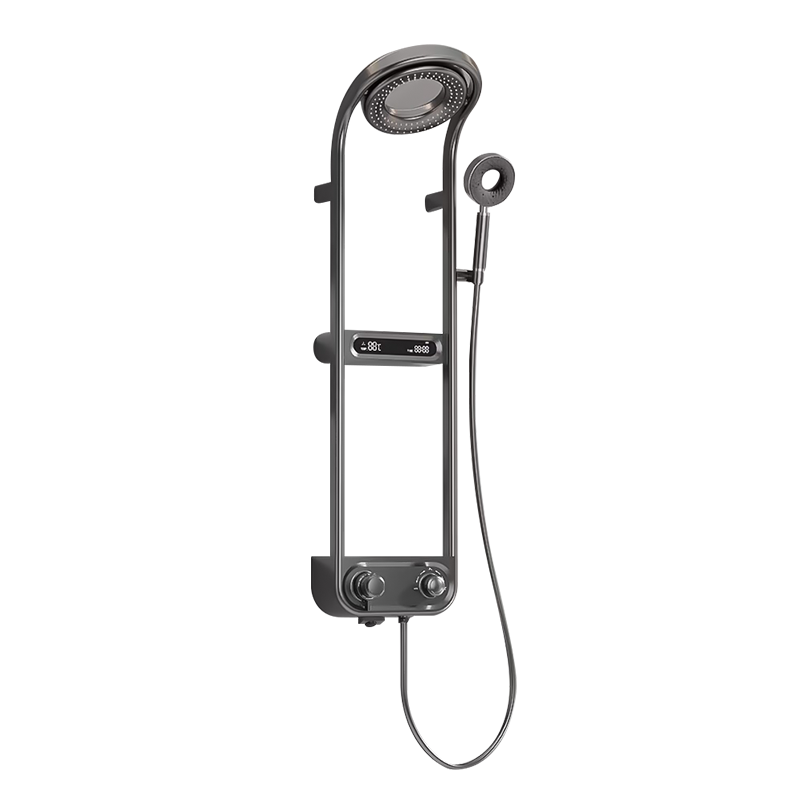
Upgrading your bathroom can be an exciting venture, especially when it comes to selecting the right fixtures to enhance both functionality and aesthetics. The 4131 Digital Display Shower Faucet Set is an excellent choice for those looking to elevate their showering experience. This innovative system features piano keys that allow independent control of various water outlets, ensuring you can tailor your shower to meet your specific needs. With options for top spray, hand-held, bathtub faucet outlet, and spray gun water, this system caters to a variety of preferences.
The ease of transitioning between different shower modes is a standout feature. Each outlet has its unique switch, allowing users to effortlessly switch from a relaxing overhead spray to a targeted hand-held shower. Furthermore, the added convenience of a temperature control knob enables you to set your desired water temperature precisely, ensuring a comfortable and enjoyable bathing experience every time. Whether you prefer a gentle rinse or a powerful spray, the 4131 system offers versatility that can be adjusted on the fly, making it a perfect addition to any modern bathroom renovation.
: People often feel anxious. They may have headaches or stomach issues. Fatigue is also a frequent complaint.
Exercise helps reduce stress levels. Deep breathing and meditation are beneficial too. Finding a hobby can provide relief.
Yes, feeling overwhelmed is common. Many individuals experience this at different times. It’s important to acknowledge it.
Set a regular sleep schedule. Create a calming bedtime routine. Limit screen time before bed to promote better sleep.
Discussing mental health helps reduce stigma. It allows people to share experiences. Open conversations encourage support.
Reach out to someone you trust. Professional help is valuable. Remember, seeking help is a sign of strength.
Choosing the best kitchen faucet for your home involves understanding the various types currently available, each offering unique features to enhance functionality and design. Key aspects to consider include the faucet's water flow rates, which significantly impact kitchen efficiency, and the material used, as this determines the faucet's durability and longevity.
Additionally, spout height and reach play critical roles in kitchen design, allowing for better usability and convenience. It's also important to assess the different handle types—each offering distinct functionalities. Finally, evaluating your budget is essential, as kitchen faucets vary widely in price. By considering these factors, you can select a kitchen faucet that perfectly fits your needs and complements your home.