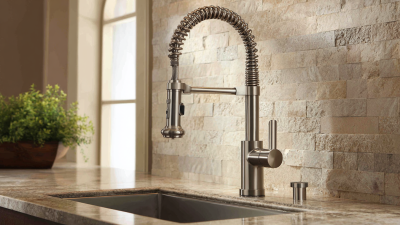
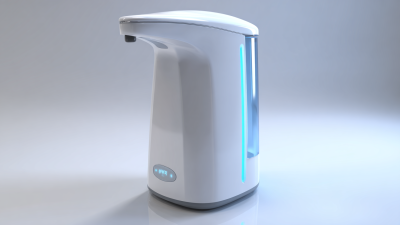
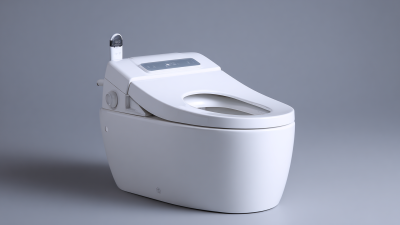
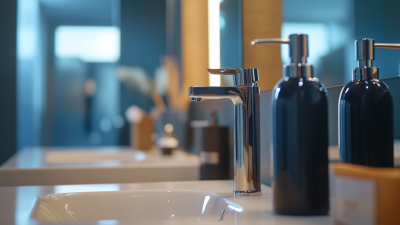
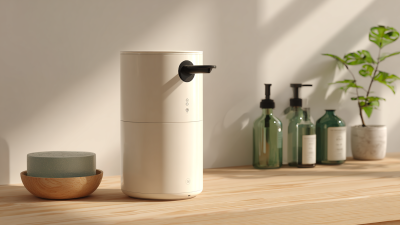
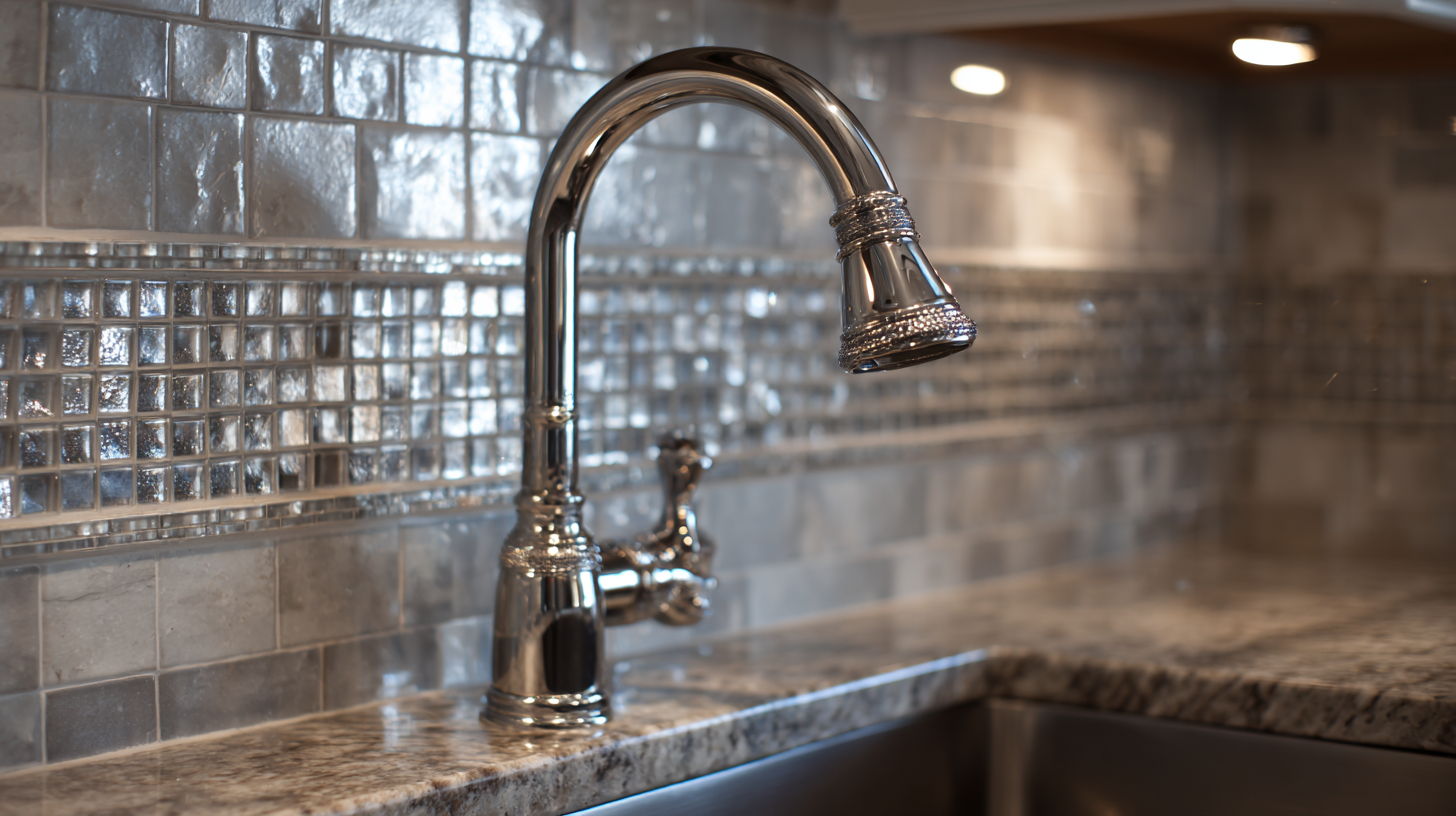
When you're designing that perfect kitchen, one thing that often gets overlooked but really shouldn't is the Kitchen Faucet. I mean, it might seem small, but it's actually a pretty big deal! Did you know the global market for kitchen faucets is expected to hit around $16.6 billion by 2026? That's pretty crazy, right? It's growing at about 6.2% each year since 2020, and honestly, that just shows how people are really starting to want more innovative, multifunctional fixtures that not only look good but also make life easier. Companies like Iyinlihua Intelligent Electrical Appliancesfrom Zhuhai, who know their stuff when it comes to smart home gadgets — like their automatic Soap Dispensers under theAIN LEVA brand — are perfectly positioned to meet this rising demand. Picking the right faucet isn’t just about looks, though. It actually impacts your daily convenience too, so it’s definitely worth paying attention to all the options out there today.
Understanding the Different Types of Kitchen Faucets: A Comprehensive Breakdown
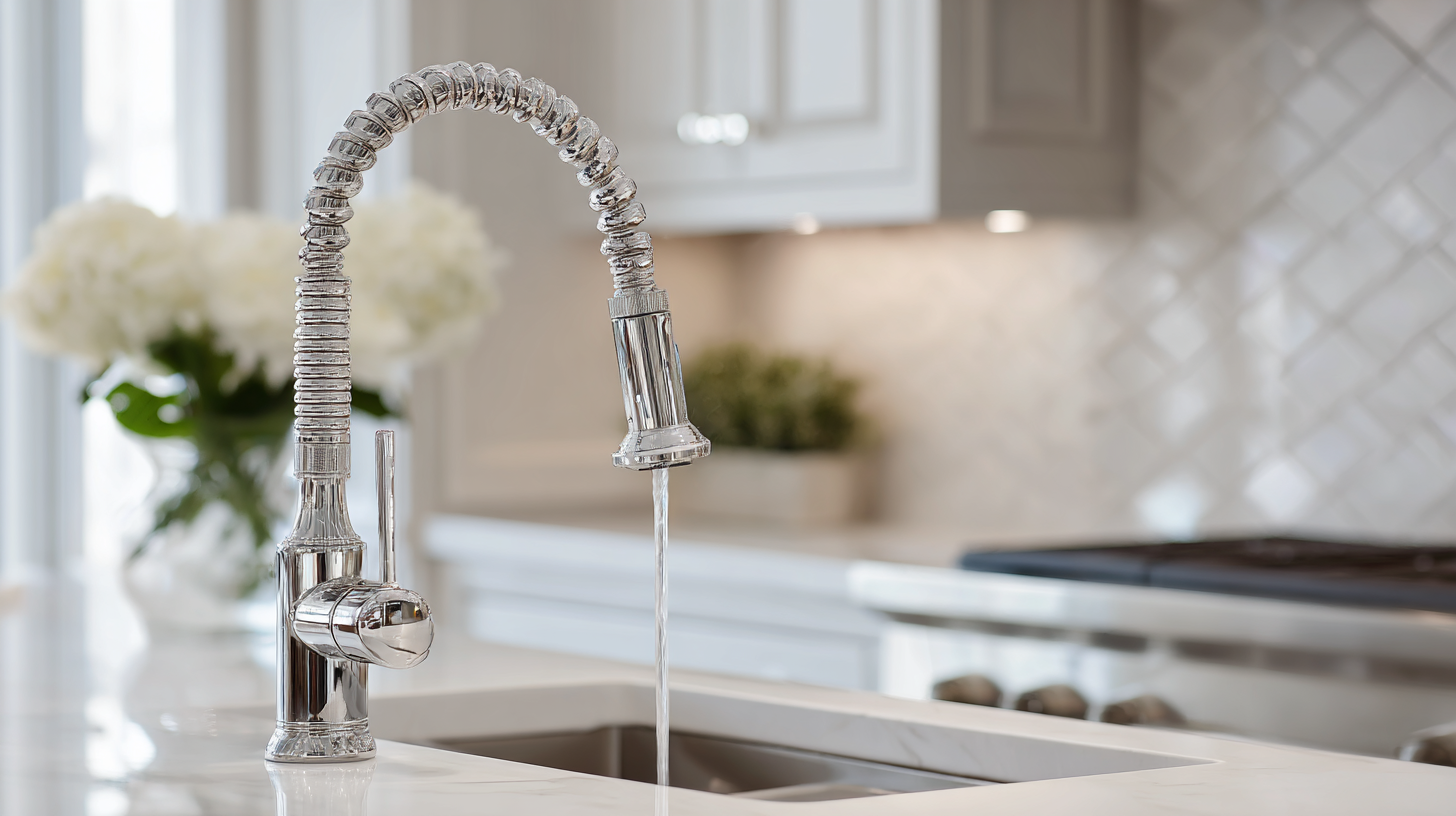
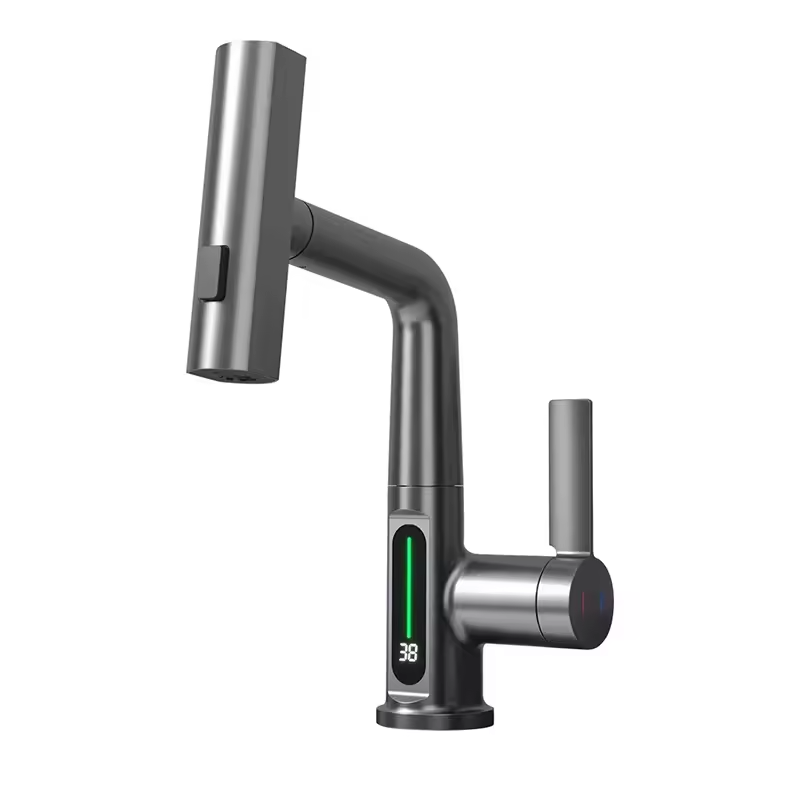
When you're choosing the perfect kitchen faucet for your home, it’s a good idea to get a sense of the different types out there. For instance, the pull-down faucet is super popular — it’s the one with a sprayer attached to a hose that you can pull down when you need a bit more reach. Honestly, it’s a game-changer for rinsing big pots or giving your sink a good clean. Plus, most of these faucets come with different spray options, so you can easily switch between a gentle stream and a stronger spray — pretty handy, right?
There’s also the pull-out faucet—kind of similar, but with the sprayer pulling straight out from the spout. It’s a great pick if you’re into a more subtle look but still want something really functional. And if you’re into that classic vibe, single-handle faucets are super easy to use and come in all sorts of finishes, making them an all-round versatile choice that can blend with pretty much any kitchen style. Knowing your options like this really helps in making a decision that fits your cooking habits and the look you’re going for in your kitchen.
The Ultimate Guide to Kitchen Faucets
This chart illustrates the different types of kitchen faucets commonly chosen by homeowners based on their features and popularity.
Key Features to Consider: Flow Rate, Spray Options, and Aerator Technology
When you're on the hunt for the perfect kitchen faucet, it’s super important to think about a few key features like how much water it flows, the spray options it offers, and the technology behind its aerator. You might have heard that most modern faucets now are built to be more efficient — they usually flow around 1.5 gallons per minute (GPM), which is about 20% less than older models. Not only does this help save water, but it can also cut down your utility bills. Makes sense if you’re trying to be a bit more eco-friendly, right?
Spray options are honestly a game-changer. Tons of new faucets come with different spray settings — you can switch from a gentle stream to a powerful spray in a flash. Perfect for everything from washing veggies to cleaning those stubborn spots. And with newer aerator tech? It keeps the water flowing smoothly without splashing all over the place, making your time in the kitchen so much more enjoyable. When you see these features combined in the latest designs, they really make your kitchen look sleeker and work way more efficiently.
Plus, if you’re into smart home tech, brands like Iyinlihua are pushing the envelope. They’re all about making appliances that do more than just look good — they’re packed with smart features that enhance both usability and water savings. Ultimately, it’s all about making your kitchen easier to use, more eco-friendly, and just a bit more hi-tech all at once.
The Ultimate Guide to Choosing the Perfect Kitchen Faucet for Your Home - Key Features to Consider
| Feature | Description | Average Value | Impact on Use |
| Flow Rate | Amount of water flow in gallons per minute (GPM). | 1.5 - 2.2 GPM | Affects water usage and efficiency. |
| Spray Options | Different types of water spray patterns available. | Stream, Spray, Pause | Enhances cleaning versatility. |
| Aerator Technology | Technology used to mix air with water for reduced flow without sacrificing pressure. | Standard, Low-Flow | Reduces water usage, conserving resources. |
| Mounting Type | Type of installation, whether it’s deck-mounted or wall-mounted. | Deck, Wall | Impacts space utilization and aesthetics. |
| Material | Material used in construction, affecting durability and maintenance. | Stainless Steel, Brass, Plastic | Influences longevity and resistance to corrosion. |
How Material Choice Affects Durability: Stainless Steel vs. Brass vs. Plastic
When you're picking out a kitchen faucet, the material really matters because it affects how long it’ll last and how well it performs. For example, stainless steel faucets are pretty popular—they're strong, and resistant to rust and corrosion. Plus, since they’re non-porous, they’re super easy to clean, which is a big plus if your kitchen gets a lot of use. And let’s not forget, they usually have a sleek, modern look that can match just about any kitchen style, so your faucet stays looking sharp for years.
Now, on the flip side, brass faucets have their own set of perks. They're incredibly durable and tend to give off a more classic vibe. Brass is tough and built to last, even with daily wear and tear. It also naturally fights bacteria, making it a hygienic choice for your kitchen. The catch? Brass faucets can require a bit more maintenance to keep tarnish at bay, and they often cost a little more than stainless steel ones.
Then there's plastic. Usually the cheapest option out there, and while it can be lightweight and resistant to corrosion, it might not hold up as well over time. Scratches and fading can become issues, which can affect how long it looks good and how durable it is. Basically, whether you go with stainless steel, brass, or plastic really depends on how much use your kitchen gets and what style you’re after. Each has its own pros and cons, and your choice will definitely influence how much maintenance you’ll need and how long the faucet will last. It all comes down to finding that perfect fit for your home and lifestyle.
The Importance of Faucet Height and Reach for Optimal Functionality
When you're choosing a kitchen faucet, height and reach are pretty much the most important things to think about because they really affect how well it works for you. If the faucet’s too low, filling big pots or cleaning large dishes can become a hassle. On the flip side, if it doesn’t reach far enough, you might find it awkward to get water where you need it most. From what I've seen, a good rule of thumb is to look for a spout that’s around 8 to 10 inches high, with a reach of about 7 to 9 inches — that tends to fit most kitchens pretty well.
Oh, and here’s a little insider tip: go for a pull-down or pull-out faucet if you want more flexibility. These styles give you extra reach for rinsing or filling tricky spots, plus you can adjust the height based on whatever you’re working on. If you're thinking about a touchless faucet, just make sure its sensors are responsive. We’ve tested a few, and honestly, that quick sensitivity makes a big difference in how much you enjoy using it.
Nowadays, the trend is all about touchless tech—super handy and way more hygienic. Not only do these faucets look sleek and modern, but they also help cut down on cross-contamination, which is a big deal in today’s kitchens. Going for a model that’s both stylish and functional—especially one with the right height, reach, and smart features—can really turn your kitchen into a more efficient, enjoyable space. It’s like a small upgrade that makes a big difference — totally worth considering!
Installation and Maintenance Tips: Ensuring Longevity and Performance
When you're choosing a kitchen faucet, it's really important to think about how long it'll last and how well it'll work over time. Installing it the right way can make a huge difference—trust me, a proper setup can extend the life of your faucet and prevent headaches down the line. First off, make sure you're using the right tools and following the manufacturer's instructions closely; skipping steps or improvising can cause trouble. Did you know that, according to industry experts, a well-installed faucet can last up to 15 years? But if you ignore proper installation, you might end up with leaks or other issues within just the first year.
A couple of tips I swear by: regular maintenance is your best friend here. Cleaning out the aerator every six months or so helps stop mineral buildup from clogging things up. Oh, and don’t forget to check your hoses and connections now and then—that’s a simple way to catch leaks early before they become a bigger problem. Plumbing pros say that doing these routine checks can save homeowners up to 20% on repair costs over time—so it’s definitely worth the effort.
And let's not overlook the material of the faucet itself. Brass and stainless steel are pretty much your safe bets—they last longer and resist corrosion. When you’re picking out a faucet, go for models that come with at least a five-year warranty—that’s often a good sign of quality. If you take good care of it, a modern kitchen faucet won’t just boost functionality but can also give your space a nice upgrade in style. All in all, a good faucet really ties your kitchen together and supports your overall home improvement goals.
Trends in Kitchen Faucet Design: A Look at Eco-Friendly and Smart Technology Solutions
Lately, there's been a real buzz around eco-friendly and smart kitchen faucets. It’s like everyone’s finally waking up to the importance of making our homes more sustainable, you know? At the ISH Frankfurt 2023 event, I saw tons of cool innovations focused on saving water and making things easier for folks. And if you look at the numbers, the market for kitchen faucets is really on the up and up—it's expected to hit about $8.2 billion by 2030. That’s pretty significant, with an annual growth rate of around 5.2% from 2024 to 2030. A big part of this boom? More people are becoming aware of how much their household fixtures impact the environment, and they want smarter choices.
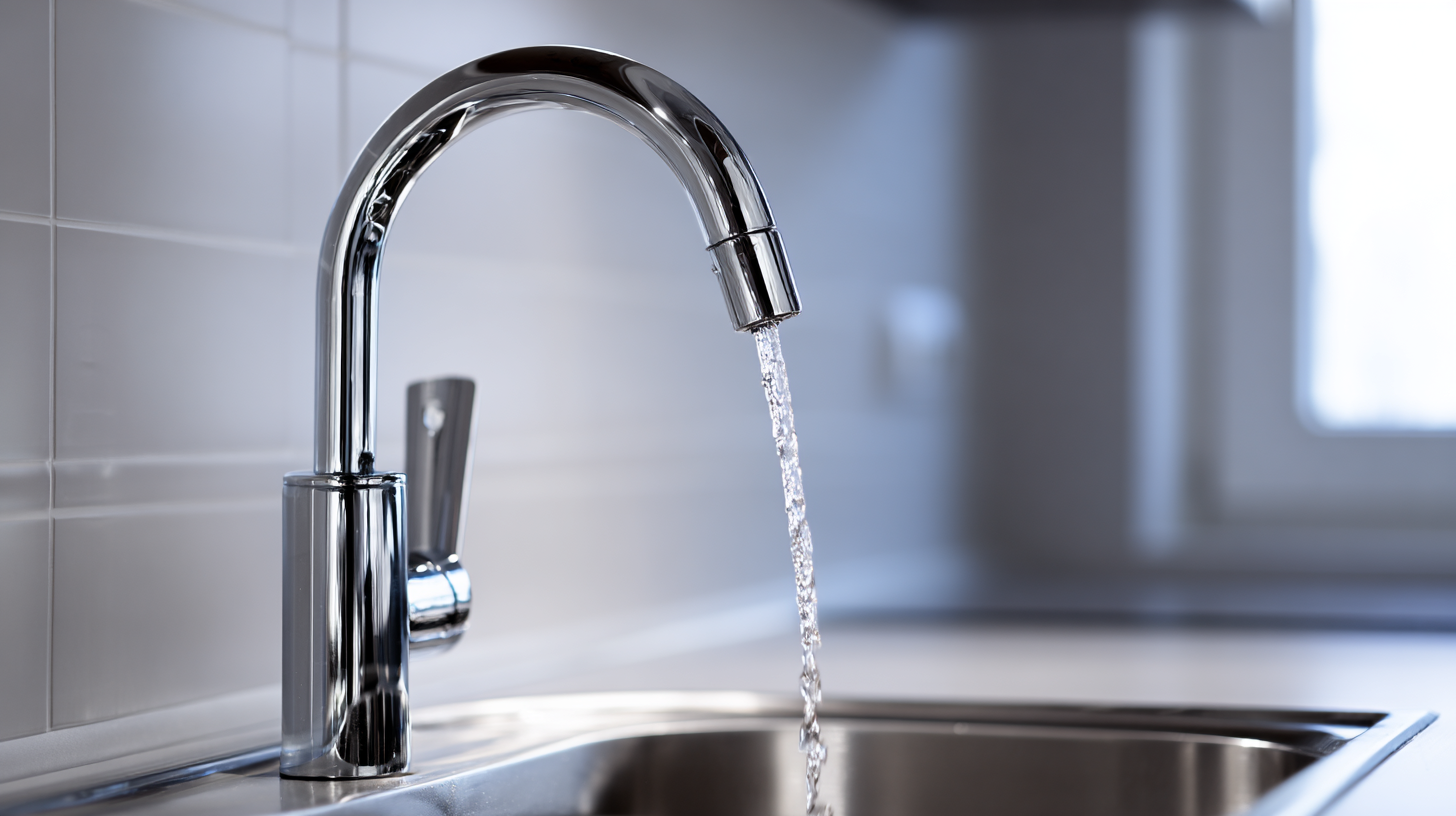
Plus, smart tech is becoming a game-changer in the kitchen world. We’re seeing features like touchless activation, temperature controls right at your fingertips, and even voice commands—stuff that makes using your sink feel more like something out of a sci-fi movie! Many leading brands are heavily investing in these new features, aiming not just for looks and basic functionality but also for devices that really boost efficiency and convenience. As more kitchen gadgets go digital, it’s clear that high-tech faucets are likely to be pretty much a must-have in modern kitchens these days—appealing to homeowners who want style but also love some practical, everyday tech perks.
FAQS
: The key features to consider include flow rate, spray options, and aerator technology. Modern faucets generally have a flow rate of 1.5 GPM, multiple spray settings, and advanced aerator technology which allows for efficient water flow with less splashing.
Modern kitchen faucets typically have a flow rate of 1.5 GPM, which is 20% lower than older models. This reduction helps conserve water and lower utility bills.
Spray options are important because they enhance functionality by allowing users to easily switch between a steady stream and a powerful spray, making food preparation and cleaning tasks more efficient.
The ideal spout height for a kitchen faucet should be at least 8-10 inches, and the reach should be 7-9 inches to ensure optimal usability in most kitchen settings.
Features such as pull-down or pull-out designs can enhance usability by providing extended reach for rinsing and allowing height adjustments for various tasks.
Touchless technology improves kitchen faucets by enhancing convenience and hygiene. These models can minimize the risk of cross-contamination and provide a sleek, modern aesthetic.
When choosing a touchless faucet model, ensure it has reliable sensor sensitivity, as this significantly influences user satisfaction.
Modern kitchen faucets with efficient flow rates and advanced aerator technology contribute to sustainability by reducing water usage and helping to lower utility costs.
Smart home innovations in kitchen faucets combine functionality with intelligent features, leading to improved water savings and enhanced usability for homeowners.
The right design, including height, reach, and smart features, can significantly enhance the kitchen experience by making it more functional, stylish, and efficient for daily tasks.
Conclusion
Picking out the perfect kitchen faucet isn’t just about style — it’s about really understanding the different types out there, along with the must-have features and materials that make it last. I mean, things like flow rates, spray options, and aerator tech all matter when it comes to making your kitchen work smoother. And don’t forget, the height and reach of the faucet make a huge difference, especially for those everyday tasks we all do — it’s all about making those chores easier and more efficient, right?
Also, a quick heads-up on maintenance and installation: taking a little time to get those right can seriously extend your faucet’s lifespan and keep it working like a champ. These days, everyone’s into eco-friendly and smart tech stuff, and brands like Iyinlihua Intelligent Electrical Appliances are really leading the charge with innovative designs. They don’t just look good — they’re packed with smart features, making your kitchen both stylish and super functional. So, when you’re choosing a faucet, keeping these things in mind helps you find something that fits your practical needs and keeps you up-to-date with the latest in kitchen tech.
All in all, it’s about balancing practicality, style, and a bit of tech-savvy — and having a little fun along the way!



 Bathroom Application
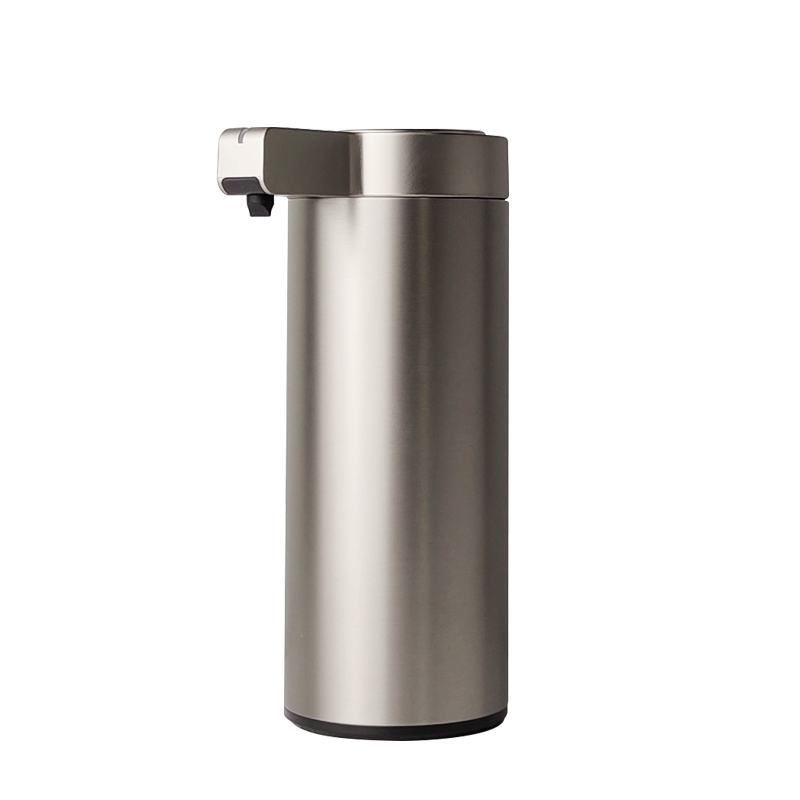 Automatic Soap Dispenser
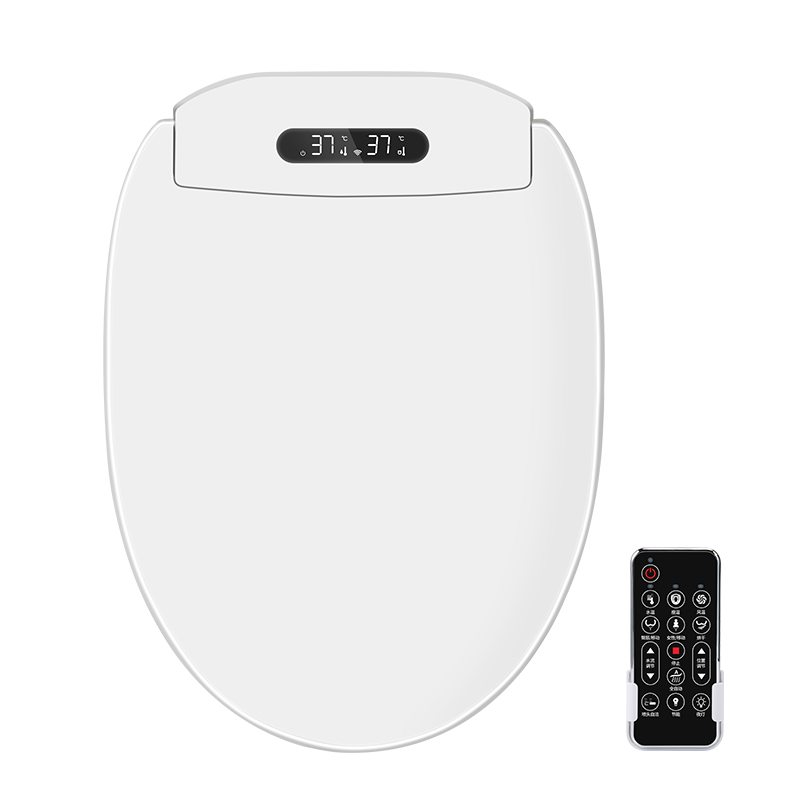 Smart Toilet Seat
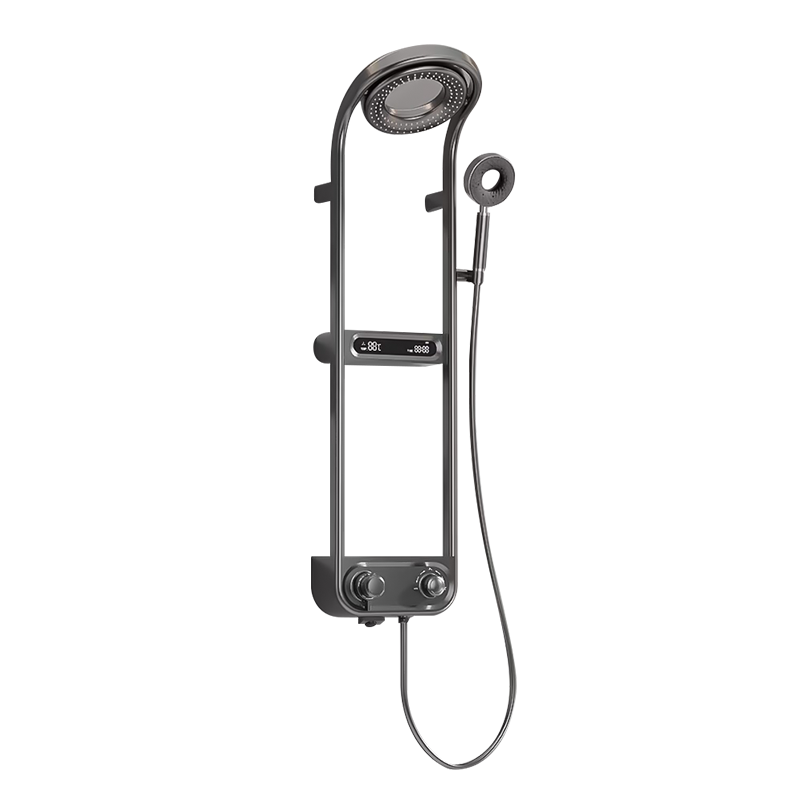 Shower Set
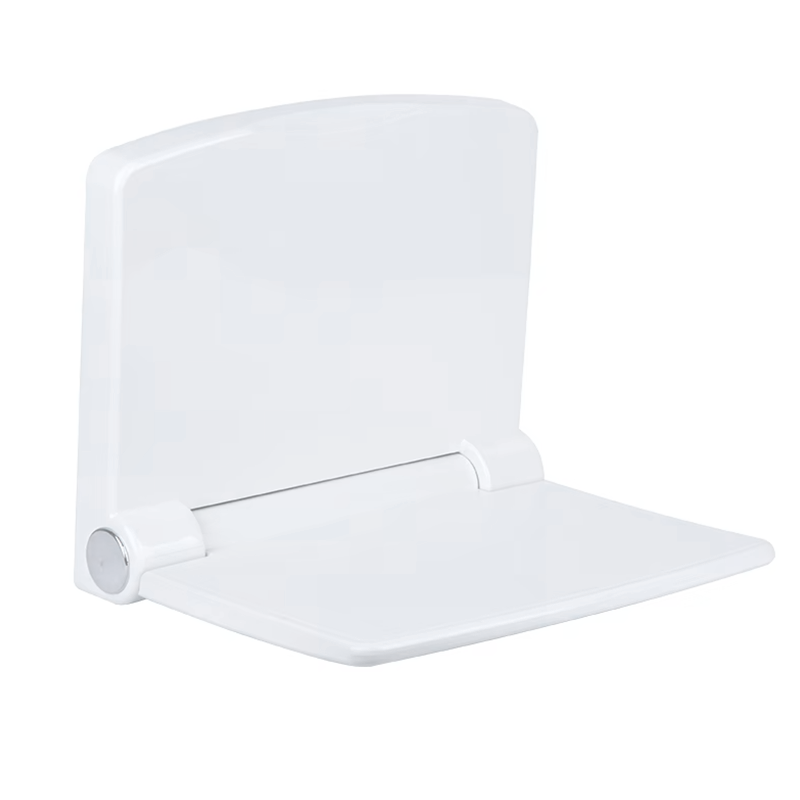 Shower Seat
 kitchen Application
 Kitchen Sink
 Kitchen Faucet
 Kitchen Storage
 Home Appliance
 Aroma Diffuser
 Fans