These days, you’ve probably noticed that demand for Foam Soap Dispensers is really taking off. A lot of businesses are on the hunt for custom solutions to make their brand pop and stand out from the crowd. That’s where a guide on using OEM foam soap dispenser suppliers can come in super handy—it's like having a trusted buddy to help you navigate all the options out there.
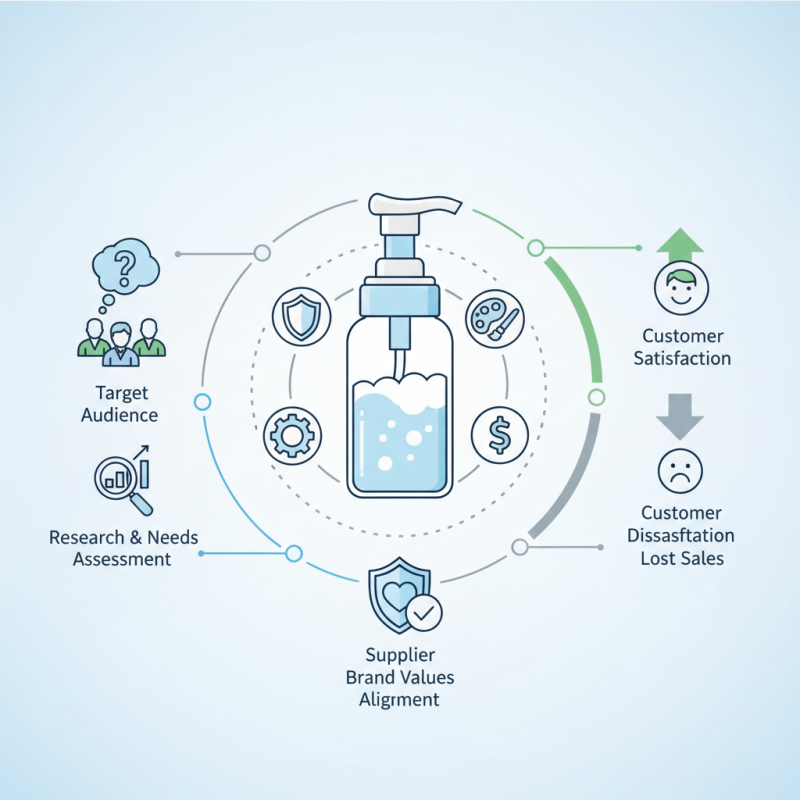
Picking the right supplier? It’s kinda a big deal. You’ve got to think about quality, design choices, and of course, how much it’s gonna cost. A supplier you can count on can seriously boost your brand’s image—throwing all your eggs in the wrong basket, on the other hand, could backfire big time. A lot of companies get too caught up in saving a buck and end up ignoring important stuff like quality and ease of use, which often leads to unhappy customers and lost sales.
The guide also stresses how important it is to really get what your target audience wants. It’s worth asking the right questions about their needs and preferences. Yeah, doing your homework might seem a bit intimidating at first, but trust me, it’s worth it down the line. Taking the time to do that research can make your foam soap dispensers more appealing and effective. At the end of the day, it’s all about making thoughtful decisions that mesh well with your brand values.
Understanding Custom OEM Foam Soap Dispenser: An Overview
Custom OEM foam soap dispensers are increasingly popular in various settings, from commercial spaces to homes. These dispensers not only enhance the aesthetic appeal but also improve hand hygiene significantly. Understanding their features can lead to smarter choices for businesses and households alike.
When exploring custom OEM options, consider the material. Some materials are more durable than others. Look for dispensers that withstand daily use. A dispenser’s design also matters. Ergonomic shapes can enhance user experience. Additionally, check the refill mechanisms. Easy refilling can save time and effort.
Tips: Always request samples before making a bulk purchase. Test the dispenser’s operation. Observe how much soap it dispenses each time. This detail can affect user satisfaction greatly. Pay attention to the dispensing rate. A consistent flow ensures users will come back for more.
Another important factor is customization. Custom logos and colors can make dispensers more appealing. However, test the printing options. Sometimes, prints may fade or chip over time. Thinking through these aspects can prevent future disappointments. Aim for style combined with functionality.
The Importance of Customization in Foam Soap Dispensers
Customization plays a vital role in the manufacturing of foam soap dispensers. Market research indicates that about 60% of consumers prefer tailored products that meet specific needs. This preference highlights the rising demand for customized solutions in the hygiene sector. With the increasing emphasis on cleanliness, a Custom OEM Foam Soap Dispenser can enhance user experience and brand identity significantly.
When selecting a foam soap dispenser, businesses must consider functionality and aesthetics. A well-designed Automatic Foam Soap Dispenser Wall Mounted can provide convenience and encourage regular handwashing. A 2022 survey found that 75% of people value dispensers that blend seamlessly with their environment. Customization allows suppliers to meet various design requirements, addressing both practical and stylistic needs while promoting hygiene.
However, there are challenges in customization. Some manufacturers may struggle with production consistency. Ensuring quality while offering unique designs can be difficult. Additionally, balancing costs with demand for customized products is not straightforward. Suppliers need to carefully evaluate their capabilities and market trends to remain competitive. Therefore, reflecting on customer feedback is crucial for ongoing improvement.
Market Trends: Growth and Demand for Foam Soap Dispensers
The market for foam soap dispensers is evolving rapidly. Hygiene has become a critical priority for many businesses and households. This demand has spurred growth in the foam soap dispenser industry. As a result, suppliers are adapting their strategies. They are focusing on custom OEM designs that align with consumer trends.
More consumers prefer eco-friendly products. Dispensers made from sustainable materials are gaining traction. Many customers also value simplicity in design. Easy refilling and maintenance are important aspects. During a recent survey, nearly 70% of users reported preferring dispensers that minimize wastage. This feedback is essential for manufacturers.
However, not all suppliers are prepared for these changes. Some struggle to keep up with the demand for customization. They may lack the resources to innovate quickly. This gap in the market invites new players. Startups can thrive by offering unique solutions. They can address areas that established suppliers overlook. Reflecting on past failures will foster better products in the future.
Materials and Manufacturing Techniques for Foam Soap Dispensers
When considering foam soap dispensers, materials play a crucial role. Most dispensers utilize high-density polyethylene (HDPE) or acrylonitrile butadiene styrene (ABS). These materials are chosen for durability and resistance to chemicals. According to a 2022 industry report, HDPE is preferred for its lightweight nature. However, ABS provides superior impact resistance.
Manufacturing techniques vary widely in the industry. Injection molding is common for creating consistent product shapes. This method allows for precise control of dimension and reduces waste. In contrast, blow molding is used for creating hollow structures, such as bottles. Each technique has pros and cons.
- Injection molding: Can be costly upfront yet yields higher accuracy.
- Blow molding: More cost-effective for large volumes but less precise.
Sustainability is also a growing concern. Many suppliers are exploring biodegradable materials. Some manufacturers have reported a 25% increase in demand for eco-friendly options. However, scalability remains a challenge. The transition from traditional materials requires significant investment. As consumer preferences shift, the industry must adapt. Observing these trends could yield insights but may expose operational limitations.
Key Factors in Selecting a Reliable OEM Supplier
Choosing a reliable OEM supplier for custom foam soap dispensers can be challenging. You want a partner who understands your needs and delivers quality. Start by evaluating their experience in producing foam soap dispensers. Years of expertise often indicate reliability. Check if they have worked with projects similar to yours. Look for a supplier who can customize designs for Touchless Soap Dispenser Foam.
Communication is critical in this partnership. Suppliers should be open to discussing your ideas. Prompt responses to inquiries show their commitment. Evaluate their customer service by reaching out with questions. A good supplier should offer support at every stage. Be wary of those who are hard to contact or unresponsive.
Additionally, check the quality of their materials. Low-quality materials can lead to product defects. Ask for samples to assess durability and design. A reliable supplier should be willing to provide these. Don’t overlook the importance of reviews and client feedback. They can reveal strengths and weaknesses not immediately visible. Taking these factors into account will help you make a more informed decision.
Quality Standards and Certifications for Foam Soap Dispensers
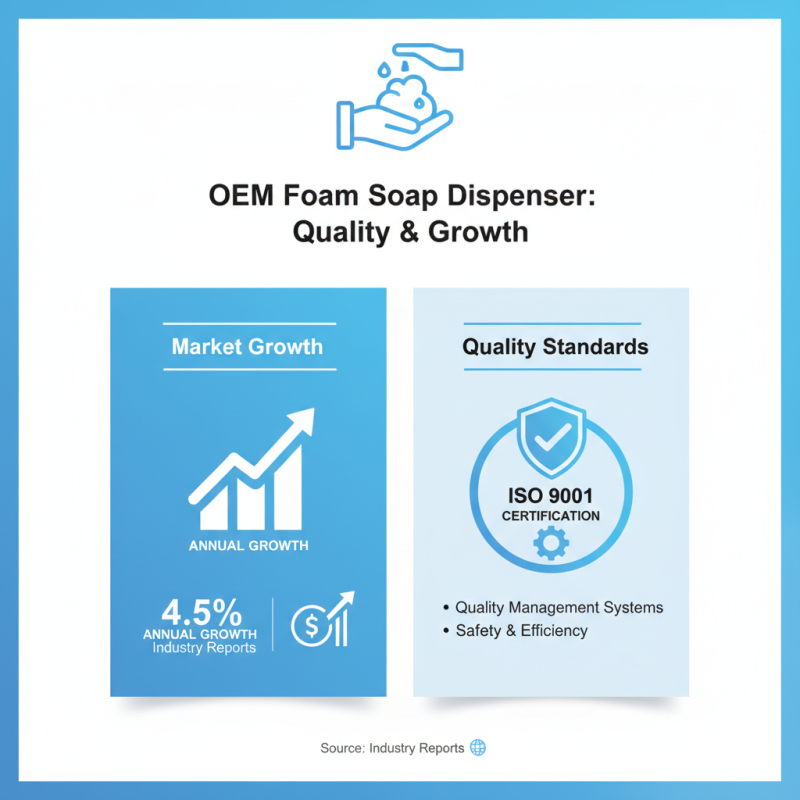
When selecting a custom OEM foam soap dispenser, quality standards are crucial. The foam soap dispenser market is projected to grow by 4.5% annually, according to industry reports. This indicates a rising demand for dispensers that meet safety and efficiency criteria. Key certifications include ISO 9001, which ensures quality management systems are in place.
Remember, not all foam dispensers meet these standards. Look for labels indicating compliance with ASTM and CE certifications. These ensure product safety and reliability. A Sensor Foam Soap Dispenser must comply with specific hygiene standards. Reports show that poorly designed dispensers can lead to contamination.
Tips: Always request certification documentation from suppliers. This can help identify reliable manufacturers. Regular audits can further ensure quality control. Monitor product reviews and customer feedback. It's essential to understand that a cheaper price does not always equate to value. Dispensers must perform consistently over time to minimize waste and improve user experience.
Cost Analysis: Budgeting for Custom OEM Soap Dispenser Production
When exploring the production cost of custom OEM foam soap dispensers, several factors come into play. Material choice is significant in budgeting. High-quality plastics can range from $2 to $5 per unit, while more environmentally friendly options may push that cost upwards. Companies often underestimate these costs, leading to budget overruns. A study found that over 30% of businesses fail to account for shipping costs, which can add $0.50 to $1.00 per unit.
Labor costs also impact overall expenses. Manufacturing Foam Dispenser Soap can require specialized labor, especially for assembly. Factories in high-wage regions may charge more, impacting the cost structure. Hiring and training new workers takes time and resources. Reports indicate that labor accounts for about 20-25% of total production costs. However, offshoring to lower-cost regions can present quality challenges.
Finally, tooling and setup fees present their own costs. Initial investments in molds can be substantial, often reaching $1000+. These are necessary for creating unique designs. Yet, original estimates frequently miss these hidden costs. Evaluating every aspect can be challenging. Businesses must remain vigilant in cost analysis to avoid surprises.
Revolutionizing Cleanliness: The Advantages of the AYZD-SD015 Brushed Stainless Steel Automatic Sensor Liquid Soap Dispenser
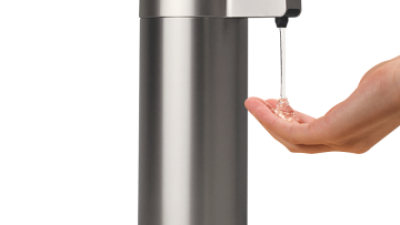
The AYZD-SD015 brushed stainless steel automatic sensor Liquid Soap Dispenser is a game-changer in the realm of cleanliness. Designed for convenience, this touchless device dispenses the perfect amount of liquid soap with just a wave of the hand, minimizing the need for direct contact. This feature not only enhances the user experience but also promotes effective hand hygiene, making it an ideal choice for a variety of settings, particularly those with high foot traffic.
In healthcare environments such as hospitals, the automatic sensor soap dispenser plays a pivotal role in maintaining hygiene. Healthcare workers can quickly sanitize their hands after patient interactions, significantly reducing the risk of cross-contamination and infections. Similarly, in restaurants and shopping malls, these dispensers offer customers an efficient way to wash their hands after using facilities, thus elevating the overall hygiene standards. In office spaces, employees can easily clean their hands throughout the day, contributing to a healthier work atmosphere and cultivating a culture of cleanliness. The integration of such devices is a crucial step towards revolutionizing hygiene practices in communal spaces.
FAQS
: It aims to enhance daily activities and improve user experiences.
Follow the instructions provided in the manual. It’s user-friendly.
Generally, yes. However, some individuals may need to exercise caution.
Regular cleaning is important. Use a soft cloth and mild cleaner.
Check the power source first. If problems persist, refer to support.
Many sellers offer return options. Always check the return policy first.
There might be recommendations for certain age groups. Always read the guidelines.
It includes various materials, chosen for durability and function.
The lifespan varies based on use and care. Regular maintenance extends it.
Certain products are suitable for outdoor use, but check the specifications.
Conclusion
The article "What is a Custom OEM Foam Soap Dispenser Suppliers Guide?" provides a comprehensive overview of foam soap dispensers and the significance of customization in their design and manufacturing. With an increasing demand for innovative hygiene solutions, the market for foam soap dispensers is witnessing considerable growth. The article delves into various materials and manufacturing techniques that can be utilized to create high-quality dispensers tailored to specific needs.
Selecting a reliable OEM supplier is crucial, as there are key factors to consider, including quality standards and certifications that ensure product safety and efficacy. Additionally, a thorough cost analysis is presented, helping potential buyers budget effectively for custom foam soap dispenser production. This guide serves as an essential resource for anyone looking to understand the complexities of foam soap dispensers and navigate the procurement process successfully.


 Bathroom Application
 Automatic Soap Dispenser
 Smart Toilet Seat
 Shower Set
 Shower Seat
 kitchen Application
 Kitchen Sink
 Kitchen Faucet
 Kitchen Storage
 Home Appliance
 Aroma Diffuser
 Fans