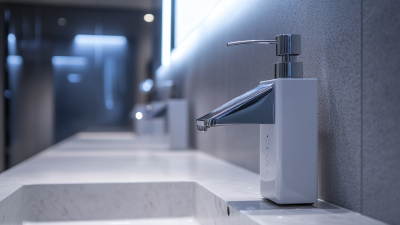
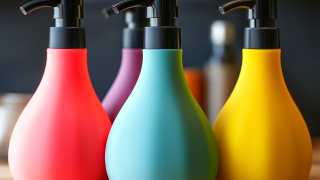
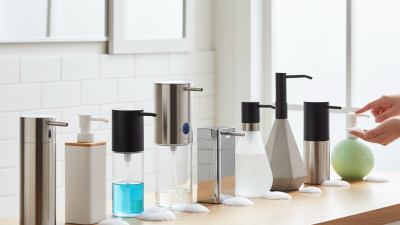
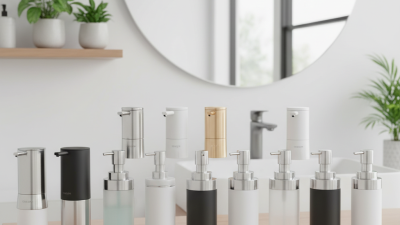
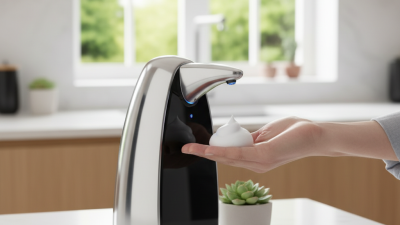
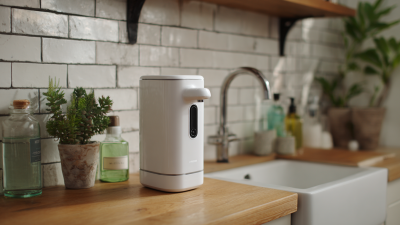
A Foam Soap Dispenser is a pretty clever little gadget designed to make hand washing both efficient and a bit more fun. Instead of just squirting out liquid soap, it mixes air with the soap to produce a rich, fluffy foam. Jane Smith from CleanTech Innovations put it nicely when she said, “Foam soap dispensers don’t just save soap—they actually help people wash their hands properly.”
You’ll often find these dispensers in public places like schools, restaurants, and hospitals. People seem to really like them because they’re easy to use and they help save water — which is always a bonus. But, here’s the catch: they do need proper maintenance. Regular refilling and cleaning are so important if you want them to work well. Skimp on that, and you might end up with clogged nozzles or uneven foam, which can be pretty frustrating.
Now, a lot of folks assume all foam soap dispensers are the same, but that’s not quite accurate. There are different designs and mechanisms out there, and knowing the differences can really help you pick the right one and keep it running smoothly. The main goal is hygiene, obviously, but don’t forget that caring for the dispenser itself is just as important — little things make a big difference!
Definition of Foam Soap Dispenser: What Is It?
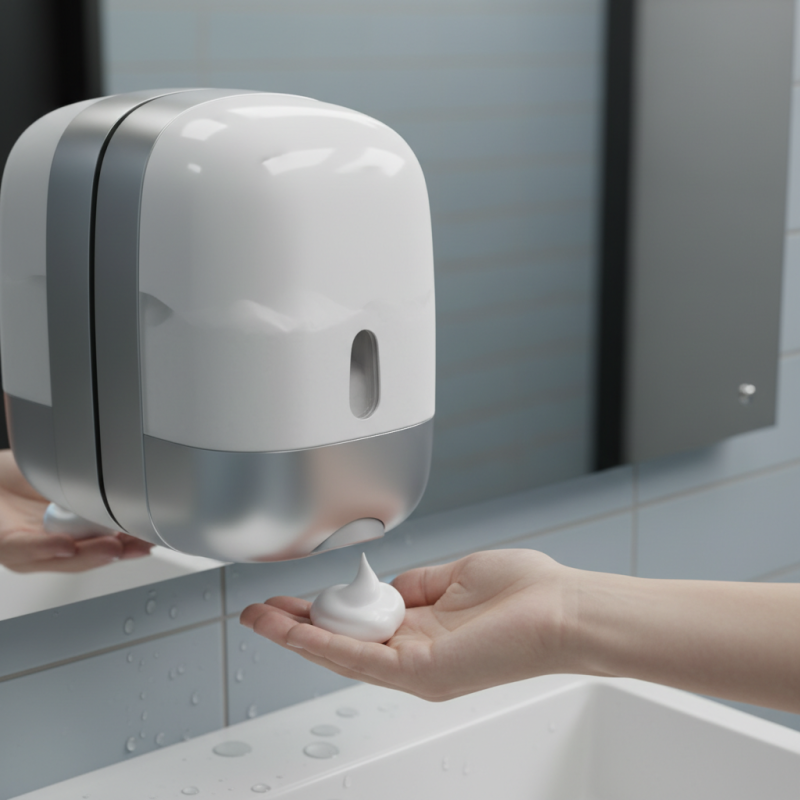
A foam soap dispenser is an innovative device that dispenses liquid soap as a rich foam. Unlike traditional dispensers, it combines air and liquid soap to create a lathered product. This method is popular in both residential and commercial settings. According to industry reports, foam soap dispensers can reduce soap consumption by up to 50%. They are efficient in providing sufficient lather with less product.
The design of a foam soap dispenser is often simple yet effective. Users simply press a button or lever, which mixes air with a concentrated soap solution. The foamy output is not only appealing but also enhances handwashing effectiveness. Research shows that foam soap encourages better hand hygiene, particularly in children. With foam covering more skin surface, users tend to lather longer, improving sanitation.
However, not all foam soap dispensers are created equal. Some models may struggle with clogs or inconsistent foam quality over time. Maintenance is often overlooked, leading to less than optimal performance. The choice of soap formulation can also impact results. Not every soap works effectively in all dispensers, highlighting the importance of compatibility. Understanding these nuances is vital for consumers and facilities aiming for the best hygiene practices.
Components of a Foam Soap Dispenser and Their Functions
Foam soap dispensers have gained popularity in various settings. They combine liquid soap with air, creating a rich foam. The main components of these dispensers include a pump, a container, and a nozzle. Understanding their functions provides insight into their efficiency.
The pump is crucial. It draws soap from the container, mixing it with air to generate foam. A report by the International Journal of Hygiene highlights that foam soap can reduce soap usage by up to 50%. This is significant in public restrooms, where waste reduction is essential. The container holds the soap solution, and its design can affect the dispenser's lifespan. Poor material choice can lead to frequent replacements.
The nozzle, often overlooked, ensures the foam is dispensed evenly. An ill-fitted nozzle may result in inconsistent foam, causing user frustration. Data shows that user satisfaction can drop if foam quality is low. People prefer a product that works seamlessly. These components must cooperate for optimal use, yet many dispensers fail to achieve this harmony. Inconsistent performance should prompt reflection on design choices.
What is a Foam Soap Dispenser and How Does It Work?
| Component | Function |
| Pump Mechanism | Creates pressure to dispense the soap solution. |
| Foam Chamber | Mixes air with the soap solution to create foam. |
| Nozzle | Controls the flow of the foam as it exits the dispenser. |
| Reservoir | Holds the liquid soap solution before it is dispensed. |
| Control System | Regulates the amount of soap dispensed with each pump. |
Types of Foam Soap Dispensers and Their Uses
Foam soap dispensers come in various types, each designed for specific settings and functions. One common type is the manual foam soap dispenser. Users pump the handle to dispense foam. This type is often found in homes and small businesses. It gives users control over the amount of soap they need. However, it may lead to overuse if not monitored closely.
Another popular option is the automatic foam soap dispenser. These devices use sensors to detect hands. They then automatically dispense soap, promoting better hygiene. You can find them in public restrooms and healthcare facilities. While this type reduces hand contact, it can sometimes malfunction. People might get frustrated if soap does not dispense when expected.
Lastly, there are refillable foam soap dispensers. These allow users to choose their soap. Refillable options can be more environmentally friendly. However, they require regular maintenance and cleaning. Without proper care, they can become breeding grounds for bacteria. Overall, foam soap dispensers serve various purposes, catering to different environments and preferences.
Mechanism of Action: How Does a Foam Soap Dispenser Work?
Foam soap dispensers are fascinating devices that transform liquid soap into a rich, foamy lather. They use a simple yet effective mechanism to create foam. When you press the pump, a specific amount of liquid soap mixes with air inside the dispenser. This mixture then gets forced through a small nozzle. The result is a creamy foam that’s easy to spread.
The key to a foam soap dispenser lies in its design. Inside, a chamber mixes air and soap. The pressure you apply with your hand activates this process. Sometimes, the foam doesn’t come out right. Perhaps the dispenser needs cleaning, or the soap is too thick. Users often find themselves frustrated when this happens. Adjusting soap viscosity can be tricky. It requires experimentation to find the right balance.
Although foam soap dispensers are user-friendly, issues may arise. For example, over time, soap residue can clog the nozzle. Regular maintenance is essential to keep it functioning well. If the foam isn’t consistent, it’s a sign to check the dispenser. Understanding its mechanism helps address these little annoyances.
Benefits of Using Foam Soap Dispensers Over Liquid Dispensers
Foam soap dispensers are becoming increasingly popular in homes and businesses. They offer several advantages over traditional liquid soap dispensers. One key benefit is that foam soap uses less product. A small amount of foam can effectively clean hands, reducing waste and saving money.
Using foam soap dispensers can also improve hygiene. The foam provides a more generous lather, which helps to cover hands completely. This ensures a thorough wash, reducing the risk of germs. Additionally, foam soap is often easier to rinse off. This can lead to less soap residue on hands, which is particularly beneficial for individuals with sensitive skin.
Here are a few tips for choosing and using foam soap dispensers effectively. Choose a dispenser that allows you to adjust the foam density. This feature can help you find the right balance for your needs. Always keep the dispenser clean to ensure optimum performance. Regular maintenance will extend the dispenser's life. Lastly, try various foam soap formulations to see which works best for you.
Not all foam soap suits everyone. Some may find certain formulas too drying or irritating. It’s worth testing different products to find the right fit. This process may take time, but it’s essential for your comfort.
Foam Soap Dispenser vs Liquid Soap Dispenser: Benefits Comparison
Maintenance Tips for Foam Soap Dispensers
Foam soap dispensers are convenient in many settings. They create a lather quickly, saving both soap and water. However, like any device, they require proper maintenance to work effectively.
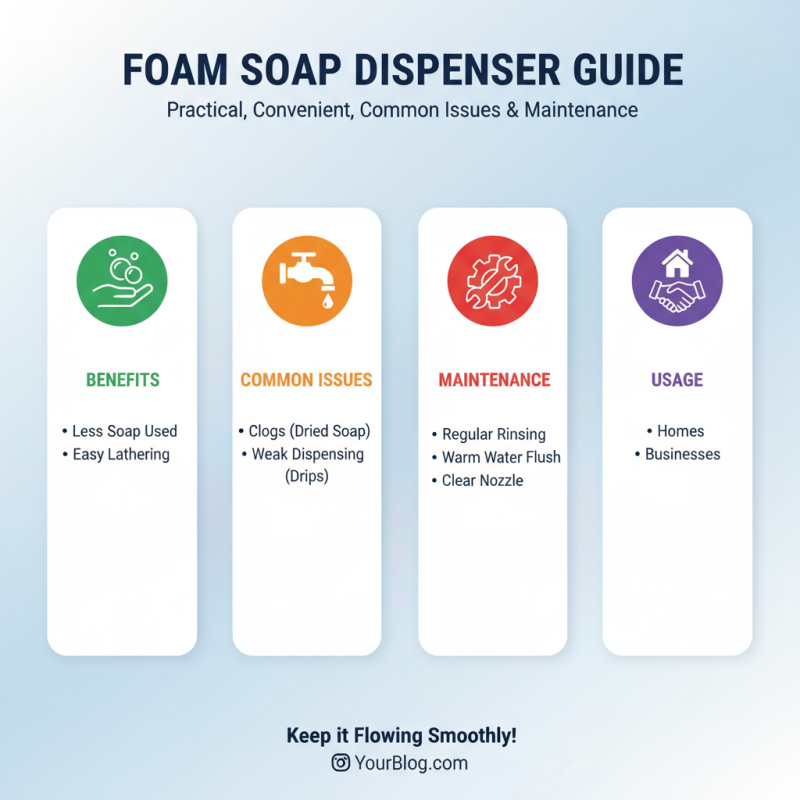
Regular cleaning is essential. Remove the dispenser from its base. Use warm, soapy water to clean the exterior. Rinse thoroughly. A dirty dispenser can lead to clogged nozzles. This might mean you get more air than soap.
Check the soap level frequently. If it’s low, refill promptly. Neglecting this can create a frustrating experience for users. Additionally, consider the type of soap used. Some formulas may not foam well, impacting performance. Look for suitable soap that is approved for foam dispensers.
Finally, inspect the pump mechanism regularly. A stiff or faulty pump requires immediate attention. Sometimes, a simple adjustment can resolve issues. Other times, a replacement may be necessary. Neglect often leads to greater problems down the line. Regular checks can save problems later.
Common Issues and Troubleshooting Foam Soap Dispensers
Foam soap dispensers are practical tools for both homes and businesses. They provide a convenient way to lather up with less soap. However, users may encounter several common issues. Clogs can occur from dried soap residue. This often leads to ineffective dispensing. People might notice that the soap just drips instead of foaming. Regular maintenance is essential to prevent these problems.
Another issue is malfunctioning pumps. A pump may become hard to press after extended use. In some cases, the dispenser fails to produce any foam at all. It's frustrating to have a soap dispenser that doesn't work as intended. Many overlook the importance of checking the inside for blockages. Cleaning the pump and nozzle can solve many problems.
Refilling can also present challenges. Sometimes, the wrong type of soap is used. This can lead to excessive foaming or no foaming at all. It’s important to use compatible soaps for optimal results. Taking the time to troubleshoot these issues can improve your experience and extend the life of your foam soap dispenser.
FAQS
: Various learning programs feature online courses, in-person workshops, and hybrid models. Tailor your choice to fit your needs.
Start by setting realistic goals. Use a planner to schedule tasks. Remember to break projects into smaller steps.
Take short breaks. Reach out to colleagues for support. Prioritize tasks to manage your workload effectively.
Yes, many people balance full-time jobs with learning. Try dedicating small time blocks each week to practice.
Use online platforms and libraries. Engage with community groups or forums for support. Experiment with different materials.
Set personal milestones and celebrate achievements. Connect with peers for encouragement. Reflect on your progress regularly.
Conclusion
A Foam Soap Dispenser is a specialized device designed to dispense soap in a foamy form, providing an effective and efficient way to enhance hand hygiene. Comprised of several key components, such as a pump and a soap reservoir, foam soap dispensers can vary in type, each serving different uses ranging from public restrooms to home kitchens. The mechanism operates by mixing air with a liquid soap formulation, creating a rich lather that requires less product per use compared to traditional liquid soap dispensers.
Using a Foam Soap Dispenser offers numerous benefits, including reduced soap consumption and improved user experience. However, maintaining these dispensers is crucial for optimal performance; routine cleaning and proper refilling can prevent common issues. By troubleshooting effectively, users can ensure their Foam Soap Dispenser operates smoothly, promoting cleanliness and convenience in various settings.



 Bathroom Application
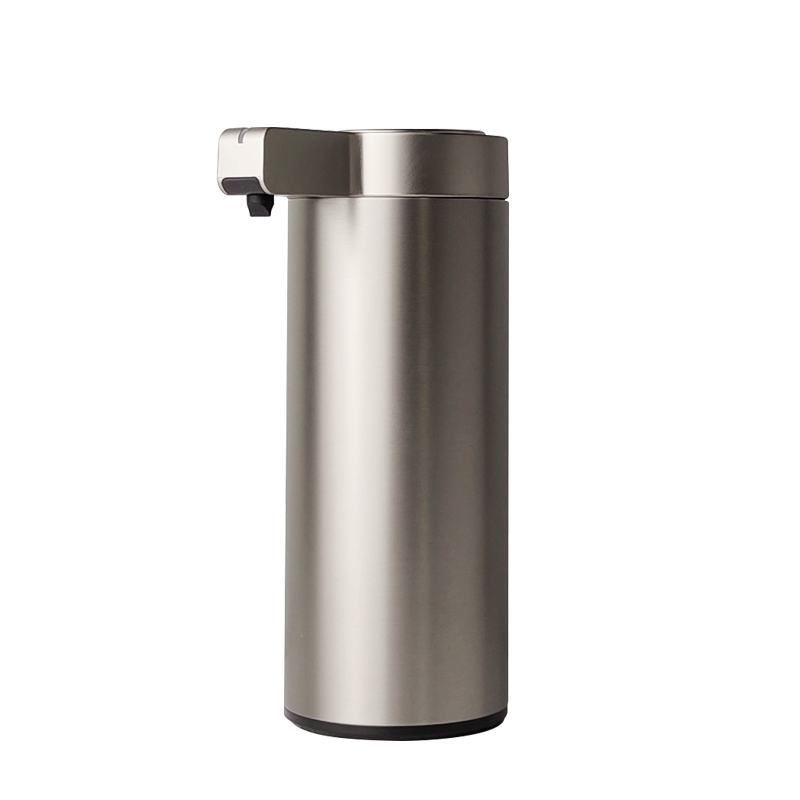 Automatic Soap Dispenser
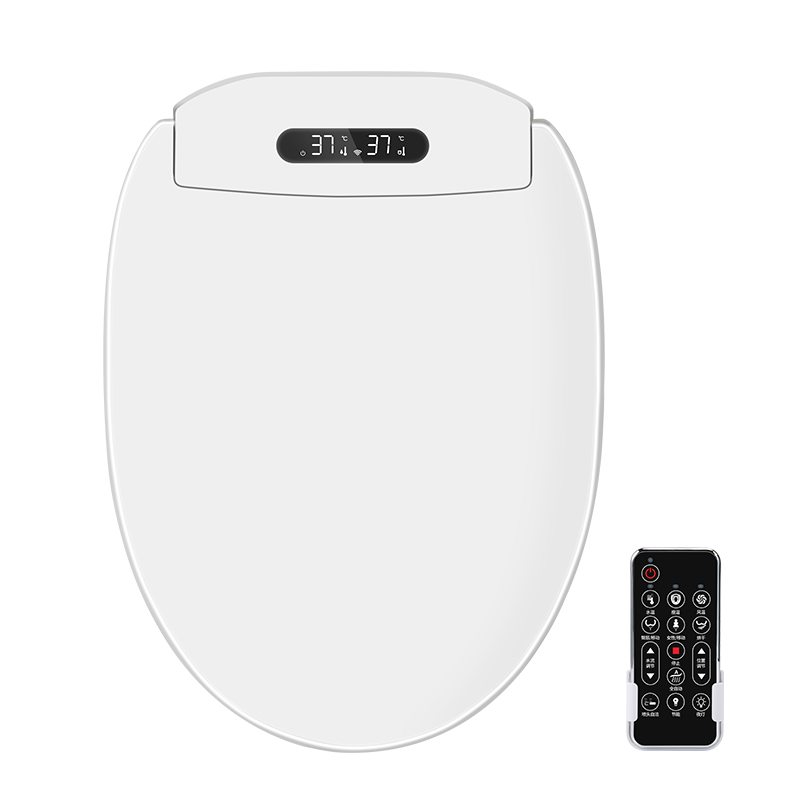 Smart Toilet Seat
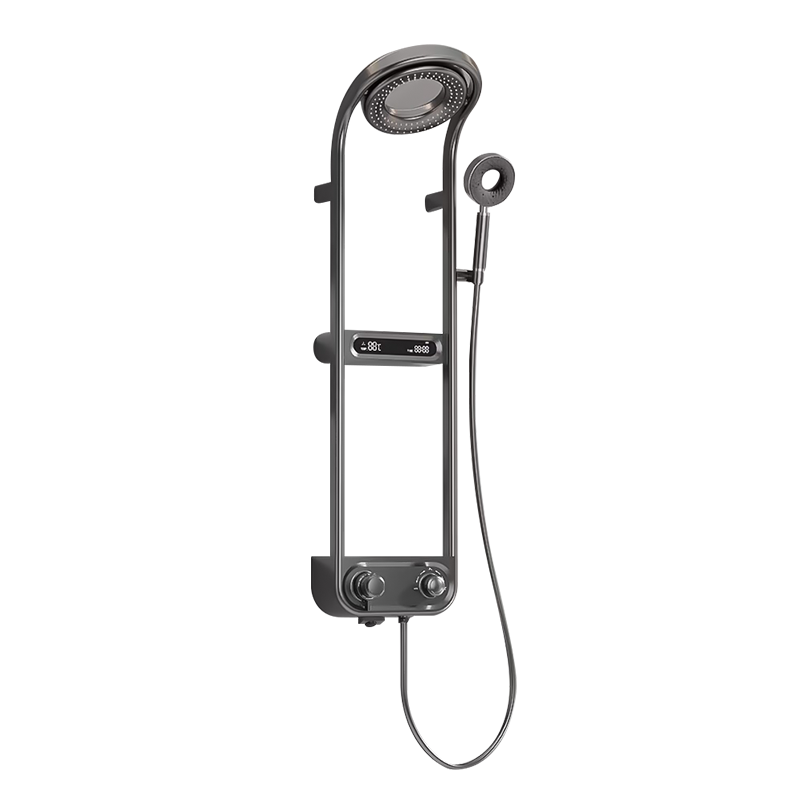 Shower Set
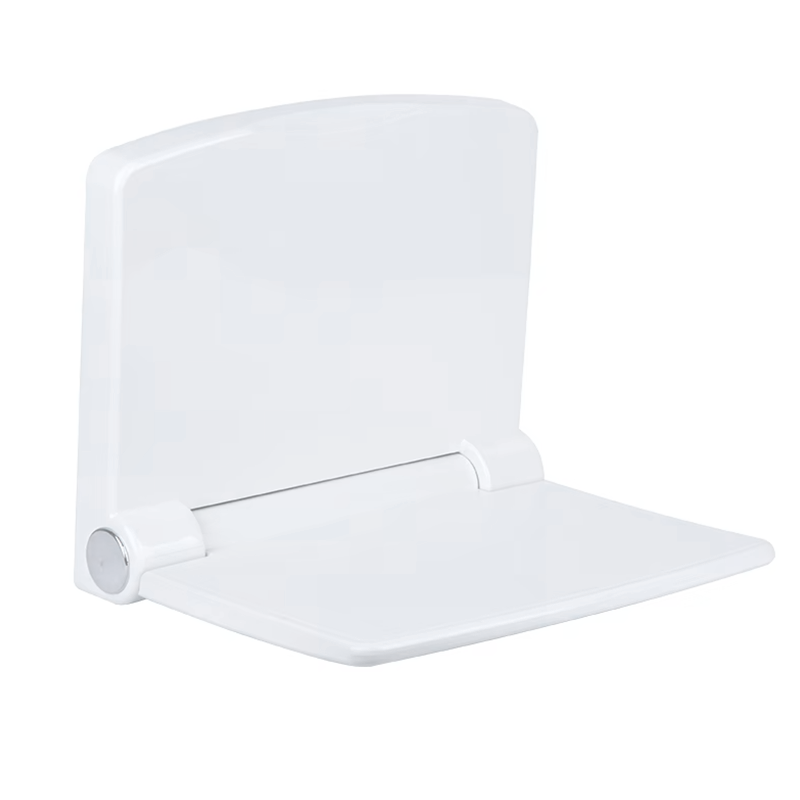 Shower Seat
 kitchen Application
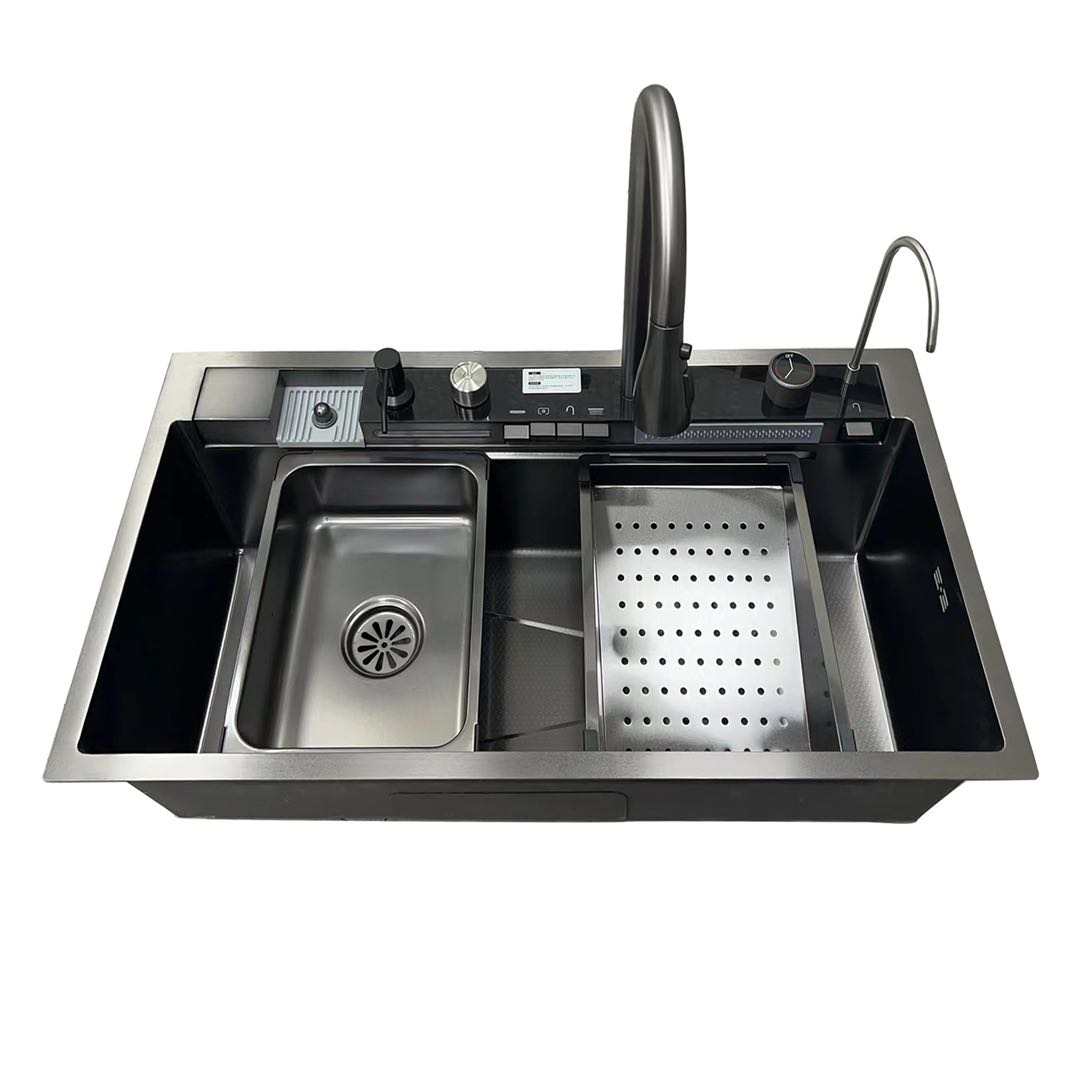 Kitchen Sink
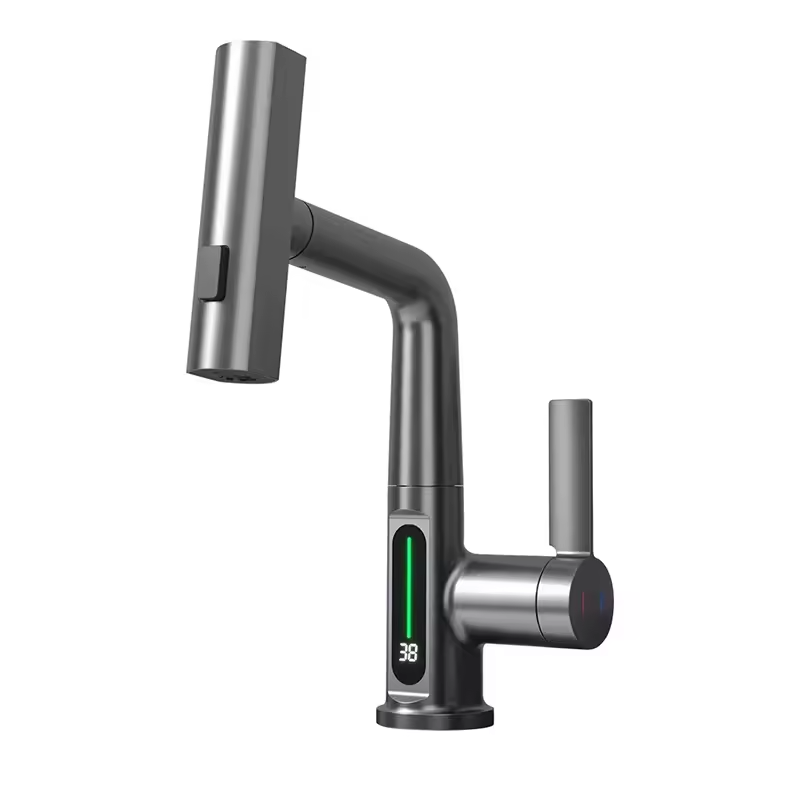 Kitchen Faucet
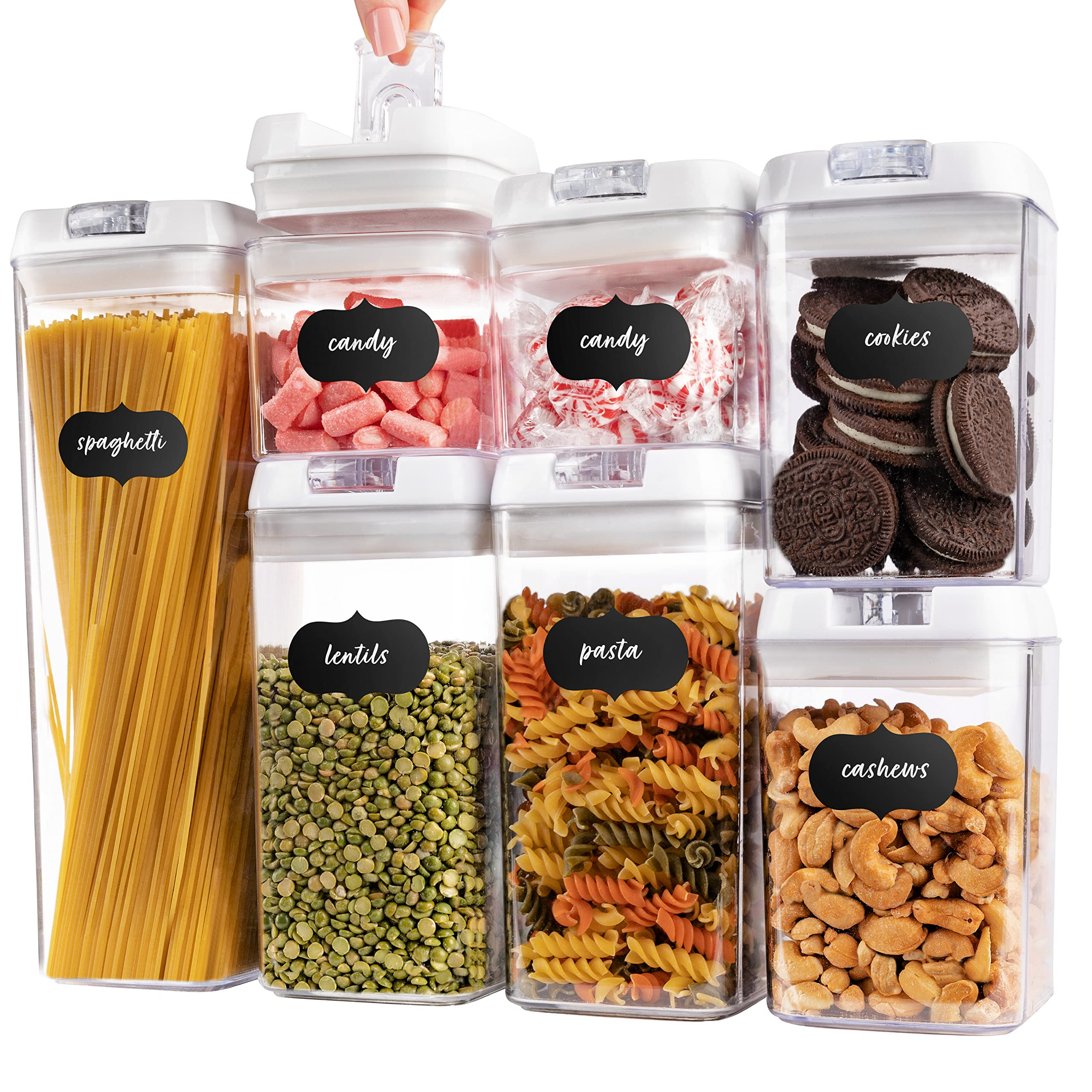 Kitchen Storage
 Home Appliance
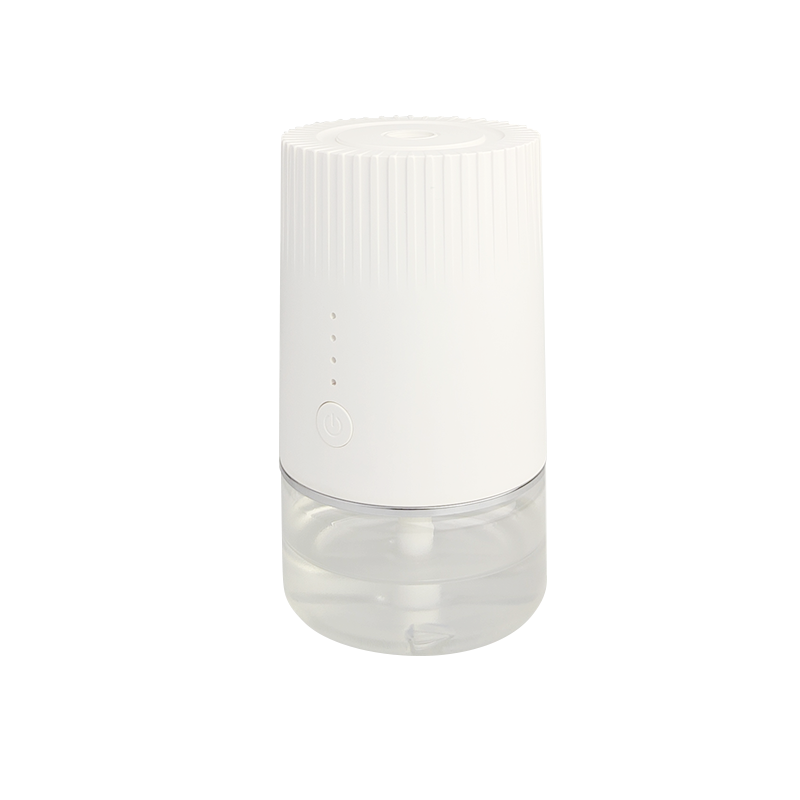 Aroma Diffuser
 Fans