 Bathroom Application
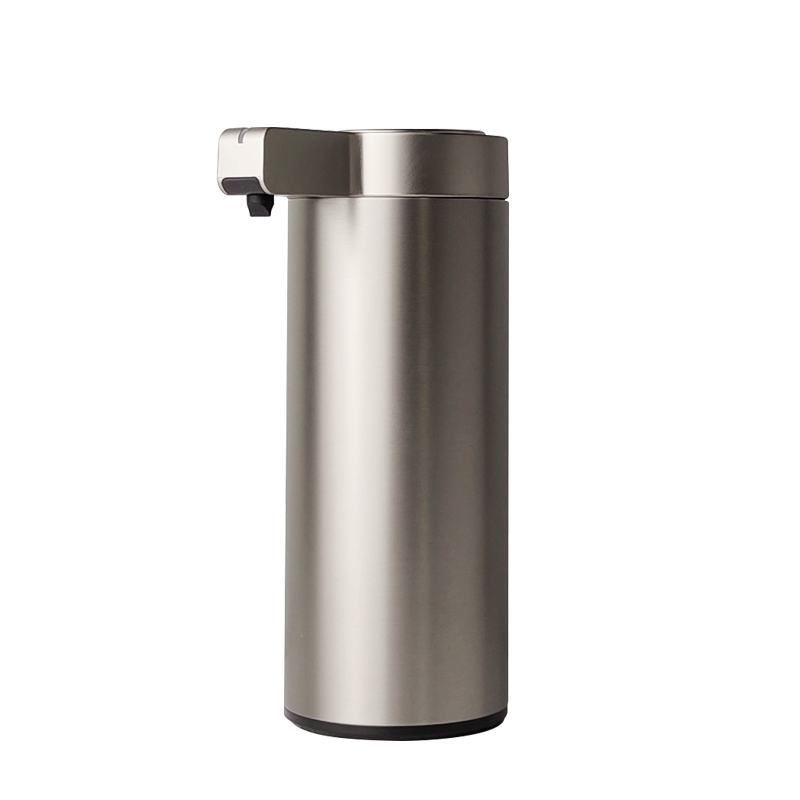 Automatic Soap Dispenser
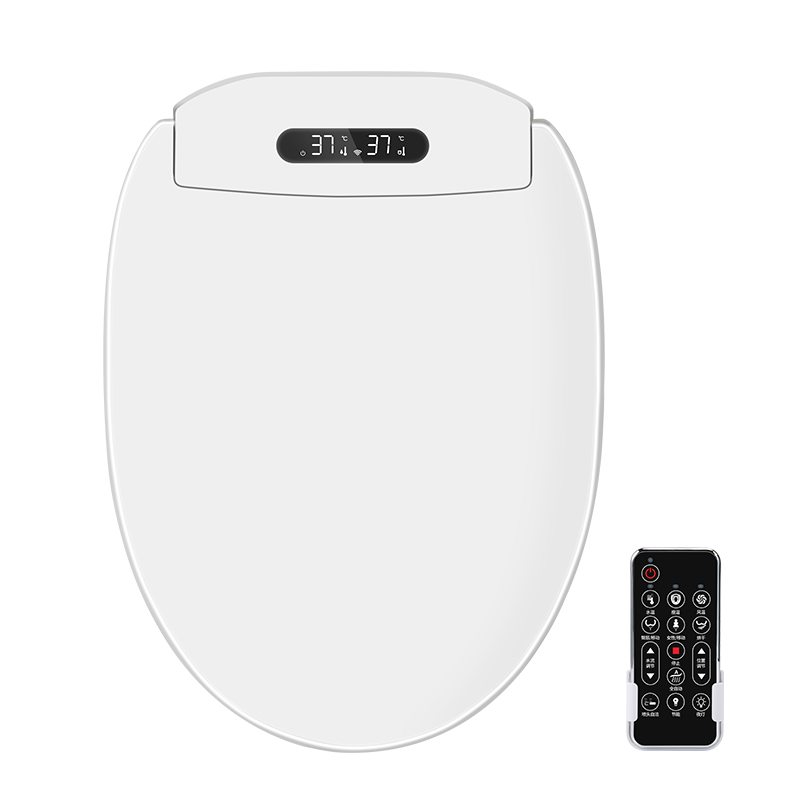 Smart Toilet Seat
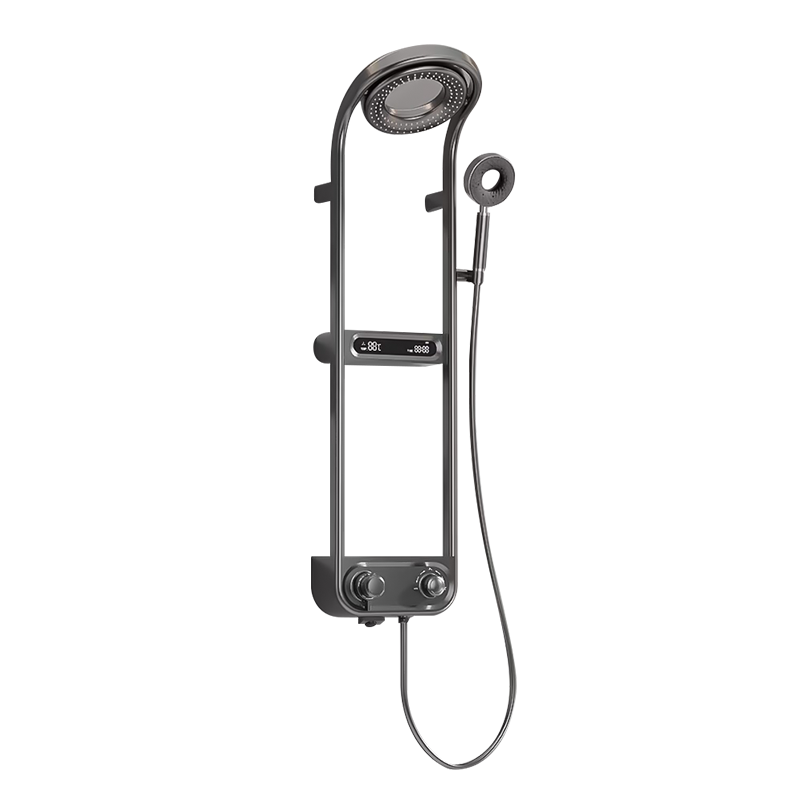 Shower Set
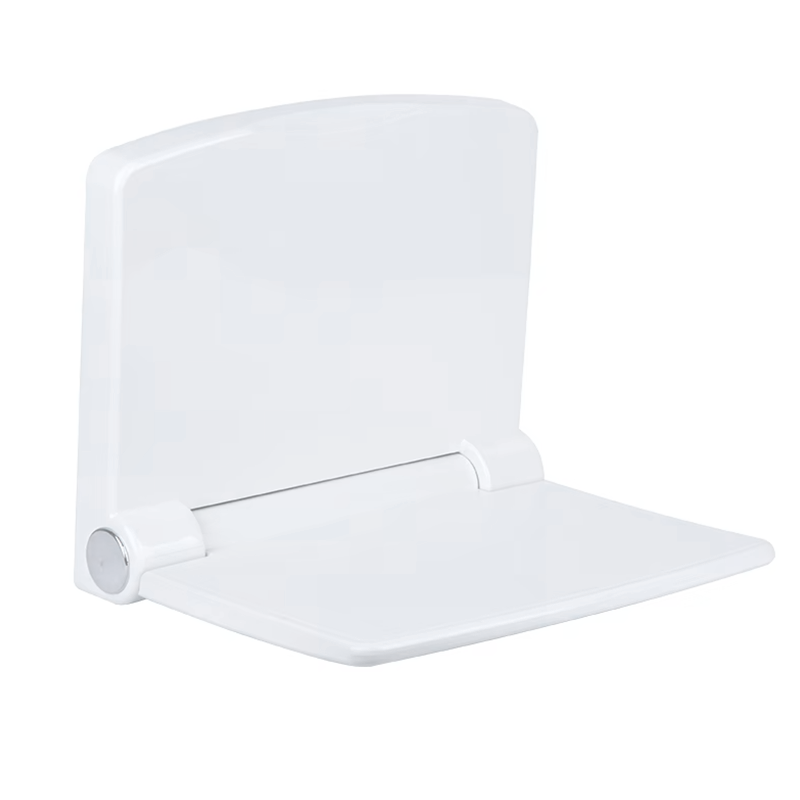 Shower Seat
 kitchen Application
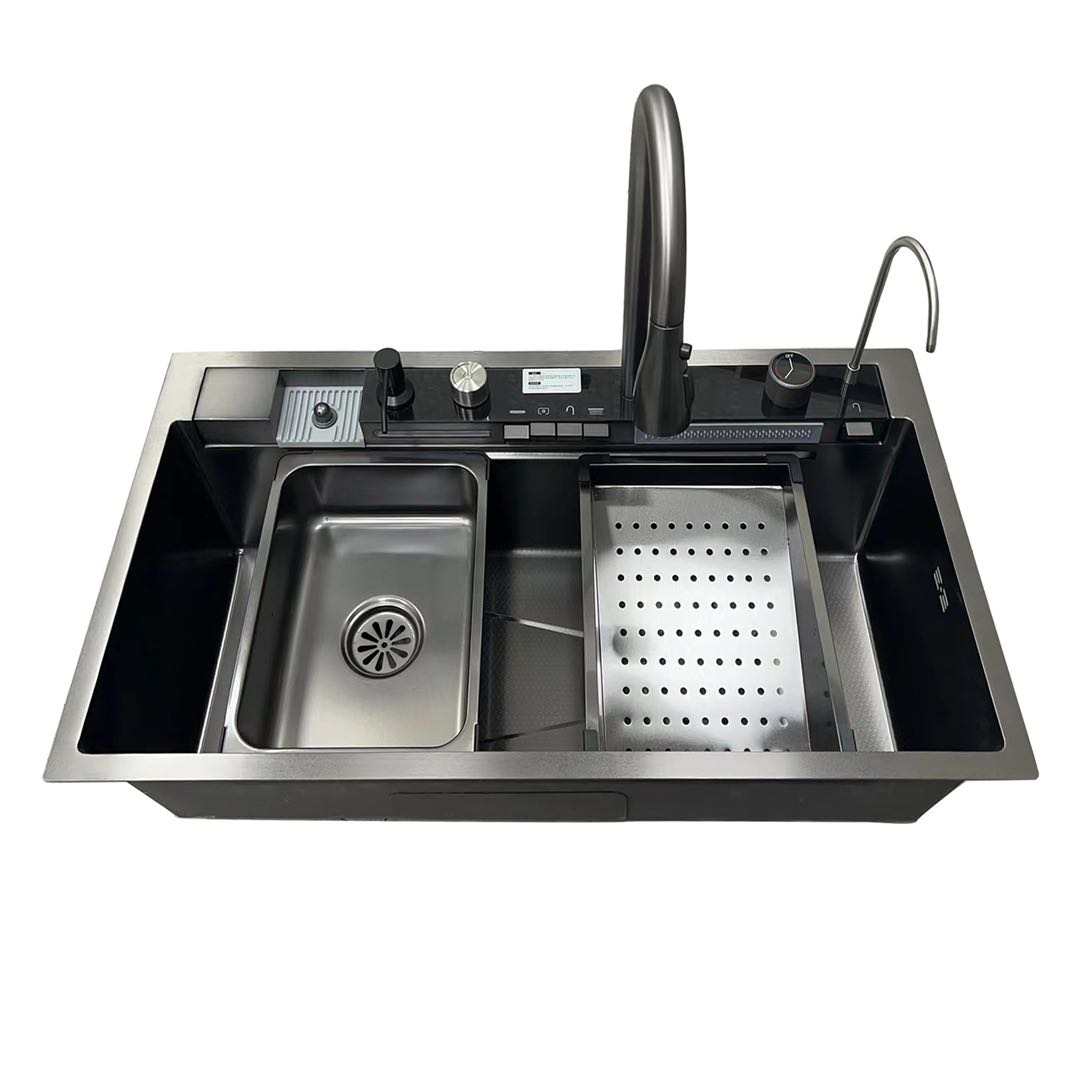 Kitchen Sink
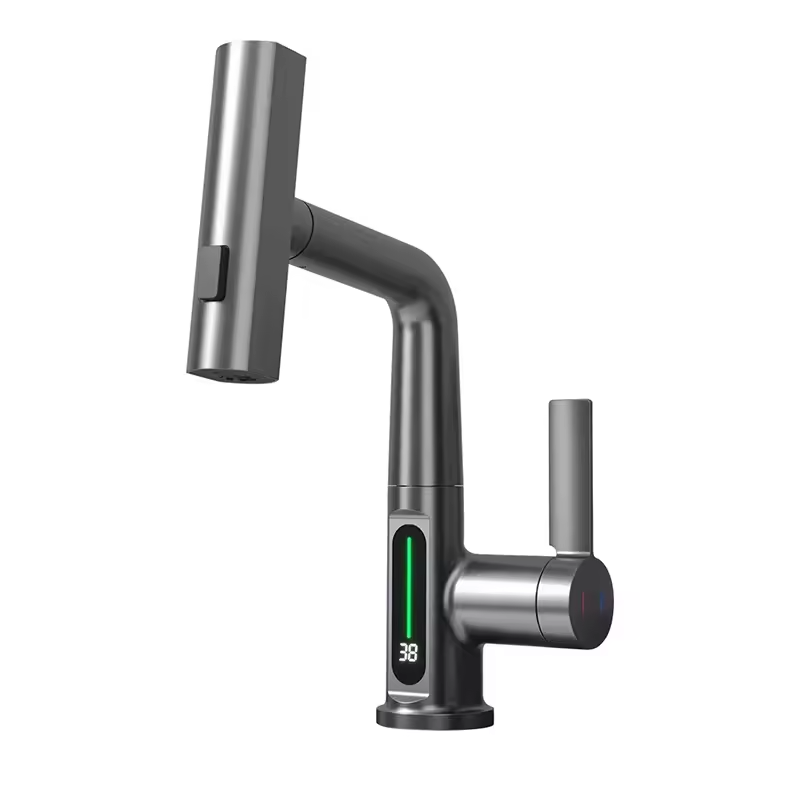 Kitchen Faucet
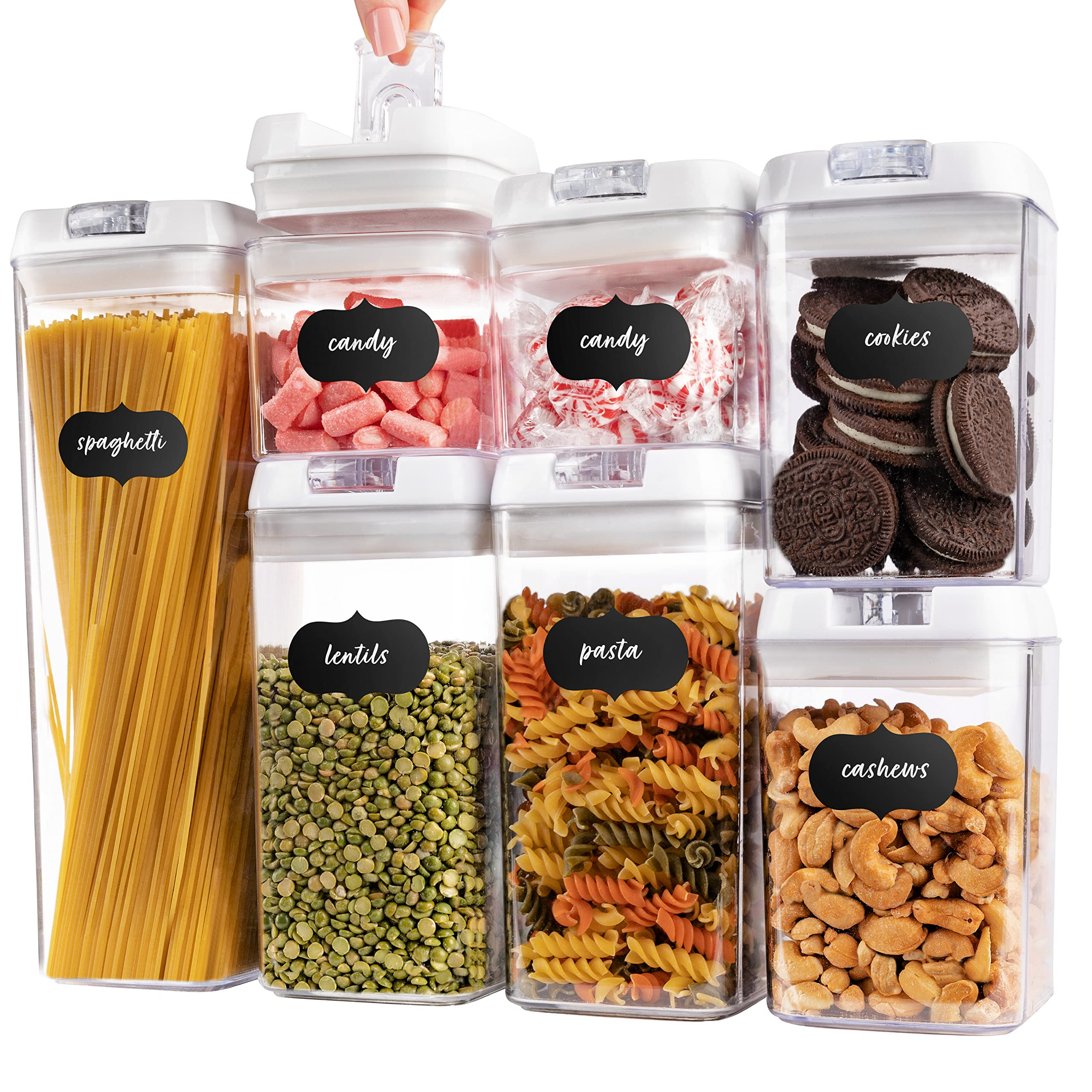 Kitchen Storage
 Home Appliance
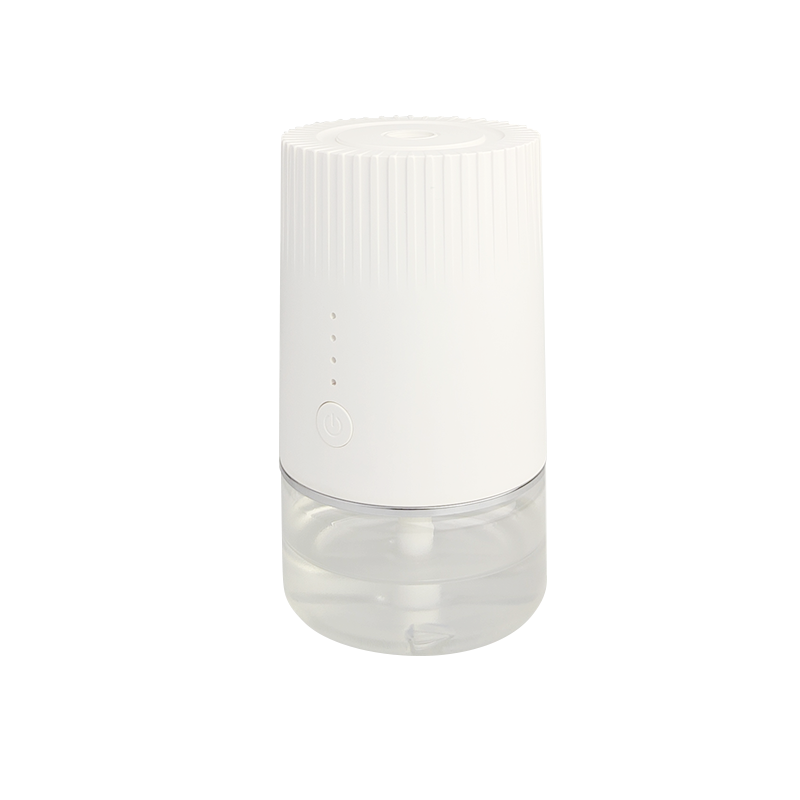 Aroma Diffuser
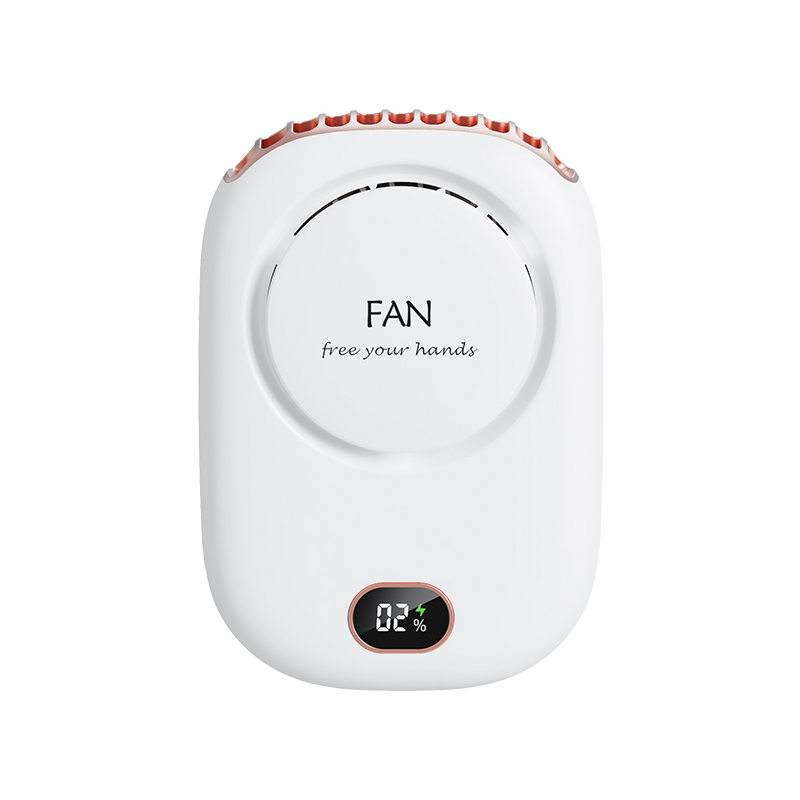 Fans
Leave Your Message
Over the last few years, the Smart Toilets' global market has shown great growth due to growing demand in consumers for better bathroom comfort and hygiene. According to ResearchAndMarkets, the smart toilet segment is estimated to grow with a CAGR of more than 12% between 2021 and 2026, which depicts a distinction towards smart home technology and eco-friendly living. This has potentially opened big businesses for the importers and exporters as they have to deal with a hectic maze of international standards and regulations sprouting over the import and export of smart toilet products.
Iyinlihua Intelligent Electrical Appliances (Zhuhai) Co., Ltd. concerns itself with the top research development projects in future-oriented smart home bathroom products, including innovative smart toilets. Our skills, in conjunction with that of our parent company offering innovative solutions, have put us on the course of meeting market dynamics. With the continuous increase in demand for automated and green consumption bathroom solutions, understanding international standards will be important in compliance and gaining competitive advantage. Such standards can also be of benefit to a company such as AIN LEVA, which manufactures automatic Soap Dispensers, in advancing innovations as well to produce high-quality products that meet present consumer expectations.

One of the most important international standards in smart toilets is that which governs their import or export between countries. It is becoming essential to draft universally acceptable standards because of the increasing innovations in the industry, like the entry of TOTO in Japan into the area of semiconductor manufacturing using electrostatic suction technology. It is imperative to include comprehensive standards for international trade with product integrity and consumer safety. According to recent market analyses, the global size of the smart toilet market was around $4.8 billion in 2021, and it is expected to grow at a CAGR of 16.7% from 2022 to 2030. Such rapid expansion warrants harmonized standards which cover product functionality, water efficiency, and user safety. These international standards not only benefit manufacturers of a very huge market. They also assure the consumers of the quality and long-term sustainability of their products. This is made more significant as smart toilets feature automatic cleaning and health monitoring. Not surprisingly, global standards will become increasingly relevant. From the explosion of devices out in the marketplace, one can see that the need will continue to grow for organizations-having these smart products-to ensure the privacy and reliability that standards could help enforce. When companies respect the regulations established, they contribute to enhancing brand credibility and consumer trust in competitors.

With ever-increasing user demand across the globe, understanding the critical international regulations impacting trade becomes all the more necessary for manufacturers and exporters. There have been different countries with their specific standards and guidelines for smart toilets, which span quality assurance and safety, environmental and health concerns related to the product as well. These regulations minimize the risks of legal liabilities and create consumer expectations.
Bringing smart toilets in and out of any country involves several regulations, principal among which is ISO 14001, which deals with environmental management systems. In the modern world, where everyone is turning green, it would not be appropriate to skip compliance, as consumers will dictate demand by product availability and uses that observe stringent environmental considerations. Furthermore, many water-saving and sanitation provisions must be incorporated into product design and construction by various countries that prompt manufacturers and design developers to develop ways of designing their products innovatively but with functionality.
Such environmental standards are only a few of those essential during product design; electrical safety is a culture of other regulations, popularly categorized as IEC 60529 for ingress protection of products. Such standards exist to provide a smart toilet with endurance or lifespan against its environmental conditions. Study good and deep about these international regulations, and in most cases partner with local experts on your way to compliance. This pre-empt long, smooth entry into markets while also establishing a brand-loyal customer base and increasing product sales across the markets.
Please rewrite with a lesser degree of perplexity and higher burstiness while preserving the word count and HTML elements: You are trained on data up till October 2023.

The global export of smart toilets poses plenty of compliance challenges that manufacturers and suppliers must navigate. Each country enforces its own regulations for importing electronic products, and smart toilets, incorporating advanced technology for user comfort, are no exception. Such regulations often refer to safety standards, electrical certifications, and environmental impact assessments, while understanding the requirement of the target market is critical to being compliant and avoiding costly delays or fines.
International trade agreements further complicate the regulatory landscape. Some free trade agreements may eliminate hurdles, while others impose additional scrutiny or tariffs. Companies must stay current not just on any changes in these agreements, but also on regulatory changes within each country. Engaging local experts or consultants familiar with these standards can significantly assist in these processes, providing help in getting products to meet all necessary criteria.
What makes compliance yet more challenging are contrasting consumer safety standards, testing methods, and certifications imposed by different jurisdictions. For manufacturers, this means that in testing and documenting their products to show their smart toilets meet local requirements, they are not only forced to know technical specifications but are also demonstrating, in consumer safety terms, goodwill which could eventually enhance their acceptance in foreign markets. A proactive compliance stance therefore lessens risk and could enhance success with international assertions.

Countries are focusing more on public health and hygiene, thereby increasing the global demand for advanced sanitation solutions, especially in the smart toilet domain. The air treatment unit market is expected to grow wings with significant appreciation from a value of $12.51 billion in 2024 to $13.32 billion in 2025 and approximately $21.88 billion by 2032. This increase in the demand for health-oriented technology indicates more focus on sanitation systems with advanced features like smart technology in a seemingly middle-market crossover.
The bulk container packaging market will surpass $20.7 billion by 2024, driven by the increase in global trade, industrialization, and the rapid boom of e-commerce. The sector is projected to witness a strong CAGR of 5.7% between 2025 and 2034. Smart toilets interoperability with these packaging trends demonstrates how interconnected the markets are and throws the opportunities for the manufacturers to explore smart solutions between sanitation and packaging technologies.
Another fast-growing industry is the automated test market, valued at $3.55 billion in 2022 and expected to grow 12.99% annually until reaching $9.33 billion by 2030. The compound yearly growth rate of 13.1% from 2024 to 2030 demonstrates the growing criticality of quality assurance for producing advanced sanitation solutions and the intricate relationship between technological innovations and market development. The evolution of these two sectors provides a fertile ground for smart toilet innovations while reinforcing great market opportunities for companies entering advanced sanitation technologies.
Compliance with standards and regulations that vary in different regions is key to the successful entrance of smart toilets into a market. Technology, safety, and environmental sustainability requirements change accordingly in different regions. The European Union, for instance, introduced the Ecodesign Directive, which lays down certain energy and water efficiency requirements for smart toilets. The European Commission reports that smart toilets can reduce water consumption by about 40%, which is a benefit to both consumers and regulators.
In North America, the U.S. Environmental Protection Agency (EPA) runs a WaterSense program that advocates water-efficient toilets. Importers must ensure that products are WaterSense certified for consumer acceptance and regulatory requirements. Apparently, according to some recent information from the American Institute of Architects, innovative bathroom fixtures are in great demand; it is anticipated that smart toilets will be able to command a huge share of the market, with estimates at more than $1.5 billion by 2025.
As the markets in Asia and Oceania have developed a tendency to adopt technology, an understanding of consumer preferences and compliance standards is crucial. For instance, smart bathroom technology is mature in Japan, and products entering this country must adhere to stringent national standards enacted by the Japan Industrial Standards (JIS). A report from the Japan Toilet Association and the Ministry of Land, Infrastructure, Transport and Tourism indicates that adoption of smart toilet systems has surged in urban areas by more than 30%, pointing toward the opportunity for the importers willing to traverse these standards.
The introduction of new technologies has begun to shift the benchmarks of standards in the smart toilet industry, especially something innovative such as the specification on Smart Toilet Lids in the recently released group standard for Taizhou's Jiaojiang district. The "three same" certification of this innovative standard—same quality, same parts, and same technical requirement—gives a minimum standard for smart toilet manufacturers willing to facilitate the import and export of smart toilets in world markets. Furthermore, it highlights an emerging trend towards setting standards with increasing consumer demand for quality and innovation.
As innovations gain prominence in the home and overseas markets, manufacturers are using advanced technologies to develop products that bring comfort, hygiene, and customization to the next level. The recent certification of multiple models of smart toilets highlights the importance of strict quality standards to retain competitive advantage. Companies now work on innovative features such as water-saving designs and easy to use controls to cater to consumers who are becoming more discerning and demand both functionality and aesthetics from their bathroom solutions.
In a marketplace evolving so fast, product innovations on the input side will create an advantage. Marketers are now on a quest for different ways to attract millennials who are interested in personalization and unique experiences. The new trend for high-end technology products is not only a response to consumer preferences but also an opportunity for manufacturers to differentiate themselves in an already crowded market. As a viable path for the smart toilet industry in exports and imports, the development of global standards instills confidence driven by innovation and quality.
The evolving regulatory landscape for smart toilets, especially regarding their import and export, is witnessing tremendous changes overtime. Some of the upcoming trends will be favoring stricter compliance norms geared towards safety and environmental concerns. Increasingly, countries are implementing regulations that warrant manufacturers' adherence to particular energy efficiency guidelines, as well as conservation of water. This change happens due to the coming together for a desperate need for sustainable approaches in the plumbing and sanitation sectors.
Apart from environmental considerations, consumer safety remains paramount in the development of smart toilet standards. Technologies such as touchless operation and integrated bidet features will require the standards to ensure that proper testing and certifications are carried out all in an effort to mitigate possible dangers. Manufacturers need to be ahead in regard to compliance requirements, and validation through research and development, and participation in international standardization will be needed. By safeguarding consumers using this approach, it also enhances the brand's reputation over and above others in a fierce competitive environment.
On the same vein, the global standard harmonization is likely to modify the landscape for smart toilet exports. As regions are modifying regulations, the companies are faced with the burden of navigating through different compliance frameworks, which expectations are bordering upon the impossible and exorbitantly costly. However, firms that embrace these regulatory changes and treat compliance as priority will position themselves well ahead of others to tap into new markets and consequently innovate in the smart toilet industry. Hence adjusting their offerings to coincide with foreign law discourse ensures their technology is now also relevant in meeting consumer expectations and hence significantly aiding sustainability across the globe.
There is a dire need for nationwide collaboration on standards for global practice so that the movement of smart toilets is uncomplicated either for import or export. Smart toilets are becoming more common in various markets, demanding a common set of rules to govern their international trade. Standardization in safety, performance, and environmental impacts, among other factors, is acknowledged as vital for both consumer interests and those of manufacturers in smart toilets worldwide.
Some relevant key participants in these efforts will involve stakeholders ranging from manufacturers to international regulatory bodies. Special joint initiatives combining specialists in technology, health, and trade are useful for elaborating unified standards that will incorporate realistic measures that would help resolve various barriers imposed by smart toilets. For instance, putting in place performance requirements and safety standards may enable the provision of products compelled to meet national needs and international standards.
Furthermore, the relevance of establishing international cooperation is increasing as strategic ports, including Ningbo-Zhoushan, are expanding their capacity. A booming smart toilet trade could play a decisive role in the economic development of the nations it engages, but only if its implementation were thoroughly and enhanced by strong regulatory oversight. Such a consensual set of standards might catalyze innovation, and in doing so propel the growth of the smart toilet market, laying the foundation for a more sustainable, as well as efficient, sanitation future in the entire world.
Global standards for smart toilets are comprehensive guidelines that ensure the safe and efficient import and export of these products across borders, addressing aspects like functionality, water efficiency, and user safety.
They facilitate international trade, maintain product integrity, assure consumer safety, and help manufacturers access new markets while enhancing brand credibility.
There is a shift towards more stringent compliance standards focused on safety and environmental concerns, including energy efficiency and water conservation measures.
New features such as touchless operation and integrated bidets require rigorous testing and certifications to ensure consumer safety, driving further regulatory requirements.
Compliance helps manufacturers enhance brand reputation, protect consumers, and allows them to enter emerging markets effectively by aligning with evolving regulations.
Companies must navigate different regulations across regions, which can be complex and costly, requiring adaptation and strategic planning to ensure compliance.
The global smart toilet market size was valued at approximately $4.8 billion in 2021 and is expected to grow at a compound annual growth rate (CAGR) of 16.7% from 2022 to 2030.
Consumer safety is a priority, leading to the implementation of rigorous testing and certification processes to prevent potential hazards from advanced features in smart toilets.