Bathroom Application
 Automatic Soap Dispenser
 Smart Toilet Seat
 Shower Set
 Shower Seat
 kitchen Application
 Kitchen Sink
 Kitchen Faucet
 Kitchen Storage
 Home Appliance
 Aroma Diffuser
 Fans
 Night Vision Monocular
 Night Vision Binoculars
Leave Your Message
Picking the best China Liquid Soap Dispenser isn’t just about comparing prices or ogling shiny product photos. It really depends a lot on where you’re planning to use it. For example, a hotel lobby wants something quiet with classy finishes, while a busy restaurant needs a sturdy pump, quick refills, and easy-to-clean features. On the other hand, a family bathroom might be better off with a compact model that's simple to maintain.
Dr. Elaine L. Larson, a well-respected expert in hygiene, pointed out that “hand hygiene is the number one way to prevent infections.” That’s a pretty strong reminder that this isn’t just about looks or convenience—it’s about health. So, the best liquid soap dispenser should give a steady amount of soap each time, without needing to touch anything. When choosing, you should pay attention to things like sensor responsiveness, battery life, the design of the nozzle, and how well it stops leaks. These might seem like small details, but honestly, they make a big difference in daily use.
China has tons of capable manufacturers, but the quality can really vary between factories. It’s a good idea to check what materials they use—are they durable ABS, stainless steel, or something else? Find out about their experience, ask for performance samples, and see if they keep good quality-control records. Make sure the dispenser can handle the type of soap you plan to use, especially if it’s thick, and that the pump won’t clog. Don’t forget to look into warranty details, how well it’s packaged, and how responsive their customer service is.
Sure, a cheap price might seem tempting—that’s totally understandable. But sometimes, those low prices hide weaker parts or sloppy testing. It’s easy to overlook these risks. Before you place a big order, ask for videos, test samples, inspection reports, and accurate product measurements. No product is perfect in every situation, so finding the right one is really about balancing hygiene, durability, looks, costs to operate, and whether the manufacturer is willing to answer your tricky questions.
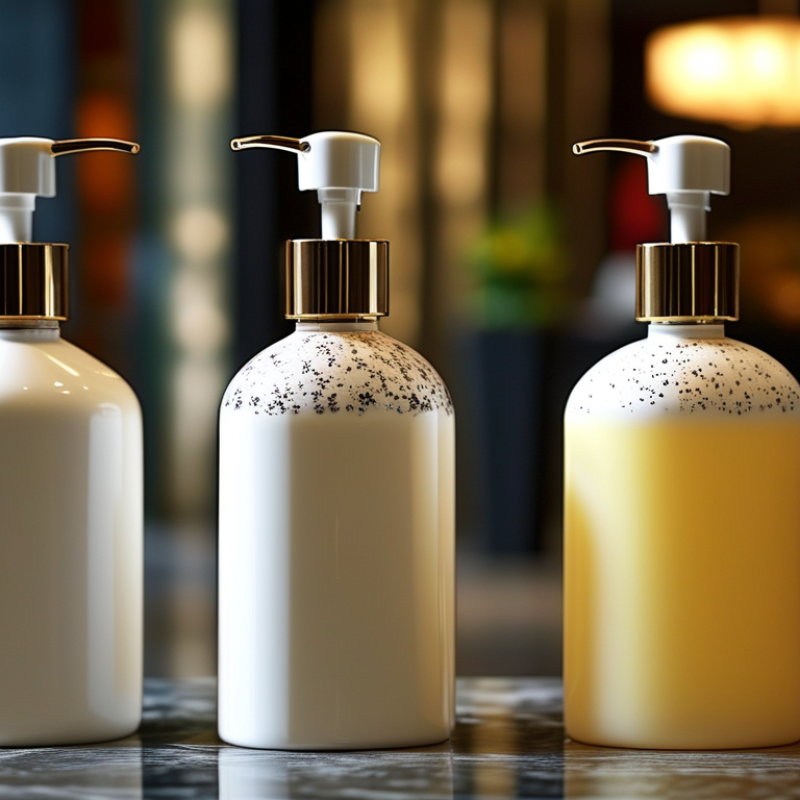
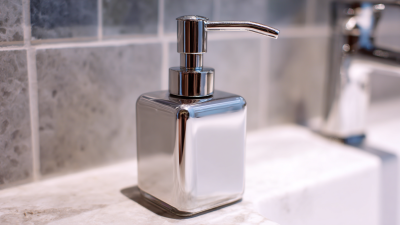
A China liquid soap dispenser is a device manufactured in China for storing and releasing liquid hand soap. It may sit beside a sink or attach to a wall. Most models use a manual pump, while others use an infrared sensor. The container commonly holds 250 to 1,000 milliliters. Small details matter. A wide refill opening reduces spills, and a transparent window shows the remaining soap.
When choosing one, check the pump material, bottle thickness, and sealing method. Stainless steel can resist moisture, while suitable plastic often keeps the unit lighter and more affordable. Press the pump several times during inspection. It should release a steady amount without sticking or leaking. For a sensor model, test it with wet and dry hands under different lighting. A slow response can frustrate users in busy bathrooms.
I once focused too much on appearance and overlooked the refill cap. It loosened after repeated cleaning. That mistake changed my evaluation process. I now ask suppliers for product specifications, material declarations, and relevant test reports. I also examine sample units after repeated pumping and wiping. A reliable supplier should explain dosage, temperature limits, installation steps, and replacement parts clearly. Not every attractive dispenser is practical. Some polished surfaces show fingerprints quickly, which may create extra cleaning work.
| Selection Dimension | Typical Data or Option | What It Means | Recommended Selection Guidance |
|---|---|---|---|
| Product Definition | A wall-mounted, countertop, or freestanding container that stores and dispenses liquid soap. | It may use a manual pump, push button, elbow lever, or touch-free sensor. | Choose the operating method according to hygiene requirements, user traffic, and installation location. |
| Dispenser Type | Manual pump, sensor-operated automatic, foam dispenser, or spray dispenser. | Each type uses a different dispensing mechanism and may require a specific soap viscosity. | Manual models are simple and economical; sensor models reduce hand contact; foam models can reduce liquid consumption when compatible soap is used. |
| Capacity | Common capacities include 250 ml, 300 ml, 500 ml, 800 ml, 1,000 ml, and 1,200 ml. | Capacity determines refill frequency and the physical size of the dispenser. | Use 250–500 ml for homes and guest rooms, 500–800 ml for offices, and 800–1,200 ml for busy commercial washrooms. |
| Dispensing Volume | Approximately 0.8–1.5 ml per manual dose; approximately 0.6–1.2 ml per automatic dose. | The dose affects soap consumption, user experience, and operating cost. | Select an adjustable model when different soap formulas or strict consumption control are required. |
| Compatible Formulas | Liquid hand soap, body wash, shampoo, dishwashing liquid, sanitizer, or foam soap, depending on the pump. | Soap viscosity, alcohol content, particles, and foaming characteristics can affect dispensing performance. | Confirm the allowable viscosity and chemical compatibility before placing an order. Avoid abrasive liquids unless specifically supported. |
| Container Material | ABS plastic, PP plastic, PET plastic, glass, or stainless steel. | Material influences impact resistance, chemical resistance, appearance, and cleaning requirements. | ABS and PP are practical for general use; PET is suitable for transparent refill bottles; stainless steel is preferred for high-durability public installations. |
| Typical Dimensions | Wall-mounted units are commonly about 100–130 mm wide, 90–120 mm deep, and 180–250 mm high. | Dimensions affect wall clearance, accessibility, and compatibility with existing washroom layouts. | Measure the installation area, door swing, mirror position, and clearance above the basin before choosing a model. |
| Installation Method | Wall-mounted, adhesive-mounted, countertop, recessed, or freestanding. | Installation style determines stability, maintenance access, and space usage. | Use screw mounting for long-term commercial use. Adhesive mounting is more suitable for lightweight units and smooth, clean surfaces. |
| Power Supply | Manual units require no power. Automatic units commonly use batteries or low-voltage DC power. | Power requirements influence maintenance, installation complexity, and operating reliability. | Battery models are easier to install; mains-powered or rechargeable models may suit high-traffic locations with convenient electrical access. |
| Battery Configuration | Many automatic units use 4 to 6 AA or C-size batteries, depending on the design. | Battery life depends on sensor technology, activation frequency, motor load, and battery quality. | Ask for tested battery-life data under a stated daily-use cycle rather than relying only on an estimated number of months. |
| Sensor Response | Typical infrared sensor activation distance is approximately 30–80 mm. | The sensor detects a hand or object and activates the pump without direct contact. | Choose adjustable sensitivity or a reliable detection range when the dispenser will be installed near reflective surfaces or strong lighting. |
| Water Resistance | Some automatic models are designed with splash-resistant housings; specific IP ratings vary by model. | Water resistance helps protect the electronics from splashes and cleaning activities. | Request the exact IP rating from the supplier. Do not assume that every bathroom dispenser is waterproof or suitable for direct water spray. |
| Refill System | Refillable bottle, removable cartridge, bulk-fill tank, or sealed refill pouch. | The refill design affects hygiene, operating cost, cleaning time, and waste generation. | Bulk-fill systems can lower packaging waste, while sealed cartridges can simplify contamination control and maintenance. |
| Locking Function | Key lock, tool-operated lock, push-button cover, or open refill design. | A lock can help prevent unauthorized opening, theft, and accidental removal in public areas. | Use a lockable cover in commercial, healthcare, education, and transportation facilities. |
| Hygiene Features | Touch-free activation, drip-control nozzle, sealed refill, removable reservoir, and smooth easy-clean surfaces. | These features can reduce contact contamination and simplify routine cleaning. | Prioritize touch-free operation and drip control where infection prevention and high hygiene standards are important. |
| Operating Environment | Indoor residential, office, hospitality, healthcare, food-service, and public washroom applications. | Traffic level, humidity, cleaning chemicals, and vandalism risk differ by environment. | Match construction, capacity, mounting strength, and protection level to the actual location rather than selecting only by appearance. |
| Temperature Range | Many indoor units are designed for moderate room temperatures, commonly around 5–40°C; the exact range varies by model. | Extreme heat or cold may affect battery performance, sensor operation, soap viscosity, and plastic components. | Confirm the supplier's operating and storage temperature range for outdoor, warehouse, or unheated installations. |
| Customization Options | Color, surface finish, logo-free packaging, capacity, pump dose, sensor settings, and mounting configuration. | Customization can adapt the dispenser to a specific project without requiring a visible brand mark. | Request a pre-production sample and confirm the minimum order quantity, tooling cost, lead time, and inspection standard. |
| Quality Verification | Leak testing, pump-cycle testing, sensor testing, drop testing, refill compatibility testing, and appearance inspection. | Testing helps verify reliability before shipment and reduces installation or maintenance problems. | Define acceptance criteria in writing and request test records or an independent pre-shipment inspection for larger orders. |
| Compliance Considerations | Electrical safety, electromagnetic compatibility, material safety, and destination-market requirements may apply to automatic models. | Requirements depend on the product's electrical design, intended use, and importing country or region. | Ask for the applicable technical documents and verify that certificates match the exact model, power supply, and production version. |
| Total Cost of Ownership | Purchase price plus installation, batteries or electricity, soap consumption, refill parts, cleaning, and maintenance. | A low initial price does not always result in the lowest long-term cost. | Compare expected dose volume, pump durability, refill format, replacement-part availability, and warranty terms before making a decision. |
Touchless hygiene is becoming an important design priority for modern commercial bathrooms, kitchens, offices, restaurants, and healthcare environments. The U.S. Centers for Disease Control and Prevention reports that effective handwashing can help prevent approximately 1 in 3 diarrheal illnesses and 1 in 5 respiratory infections. By reducing the need to touch shared pump surfaces, an automatic Foam Soap Dispenser supports a cleaner, more convenient hand-washing routine for employees, customers, and visitors.
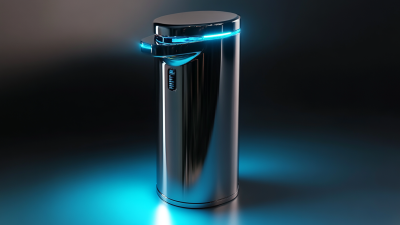
Designed for high-traffic spaces, this stainless steel foam soap dispenser combines durability with a refined matte white finish. Its high-precision infrared sensor detects the user’s hand and releases soap in approximately 0.25 seconds, helping minimize waiting time and unnecessary soap waste. Foam delivery also promotes even coverage while creating a comfortable washing experience, making it suitable for commercial facilities where hygiene and operational efficiency must work together.
The World Health Organization emphasizes that consistent access to hand hygiene facilities is essential for reducing the spread of infectious diseases. With touch-free activation, a robust stainless steel construction, and a modern appearance, this dispenser can be integrated into contemporary interior designs without compromising practical performance. It is suitable for offices, hospitality venues, retail spaces, educational facilities, and other environments seeking a reliable hygiene solution.
It is a dispenser manufactured in China for storing and releasing liquid hand soap. It may sit beside a sink or attach to a wall.
Common capacities range from 250 to 1,000 milliliters. Smaller tanks suit home sinks, while larger tanks reduce refilling in busy washrooms.
A manual pump usually works well in small bathrooms and kitchens. It needs no batteries, but users must touch the pump.
Yes. Infrared sensors release measured doses and reduce direct contact. Check response speed, battery access, and splash resistance.
Press the pump several times. It should release evenly without sticking, dripping, or leaking.Small details matter.
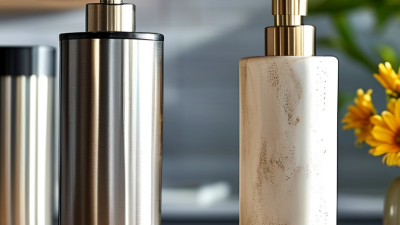
Stainless steel can resist moisture, while suitable plastic keeps the unit lighter and less expensive. Check seams, surface durability, and bottle thickness.
No. Foam models require compatible foam soap. Thin soap may leak, while thick soap can strain the pump.
Wall-mounted units save counter space and simplify sink cleaning. Countertop models are easier to move but may be knocked over.
Request specifications, material information, and test reports. Examine sample units after repeated pumping, refilling, and wiping.I once missed the refill cap.
Check the refill opening, tank window, battery cover, mounting screws, and replacement parts. Some polished surfaces show fingerprints quickly, creating extra cleaning work.
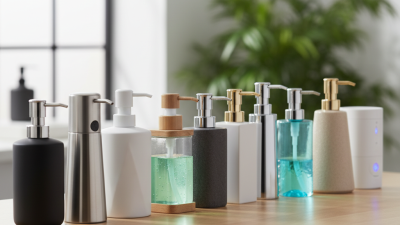
Choosing the best China Liquid Soap Dispenser requires more than comparing appearance and price. A Liquid Soap Dispenser is designed to store and release liquid soap in homes, hotels, offices, restaurants, and public facilities. Available types may include manual pump, automatic sensor, wall-mounted, countertop, single-chamber, and multi-chamber models. Buyers should consider the installation environment, expected usage, material, and capacity. Durable materials such as stainless steel, high-quality plastic, or reinforced glass can offer different advantages in strength, appearance, maintenance, and cost.
Useful features include touch-free activation, controlled soap dosage, refill indicators, leak-resistant pumps, easy cleaning, and secure mounting. Quality evaluation should cover smooth operation, reliable sensors, sealed components, corrosion resistance, safety, and long-term durability. When comparing suppliers, review production capability, quality-control procedures, certifications, sample performance, delivery reliability, and after-sales support. Price should be assessed alongside material quality and service rather than considered alone. Customization options may include color, surface finish, capacity, packaging, and functional design, helping buyers select a dispenser that matches both practical needs and overall décor.