 Bathroom Application
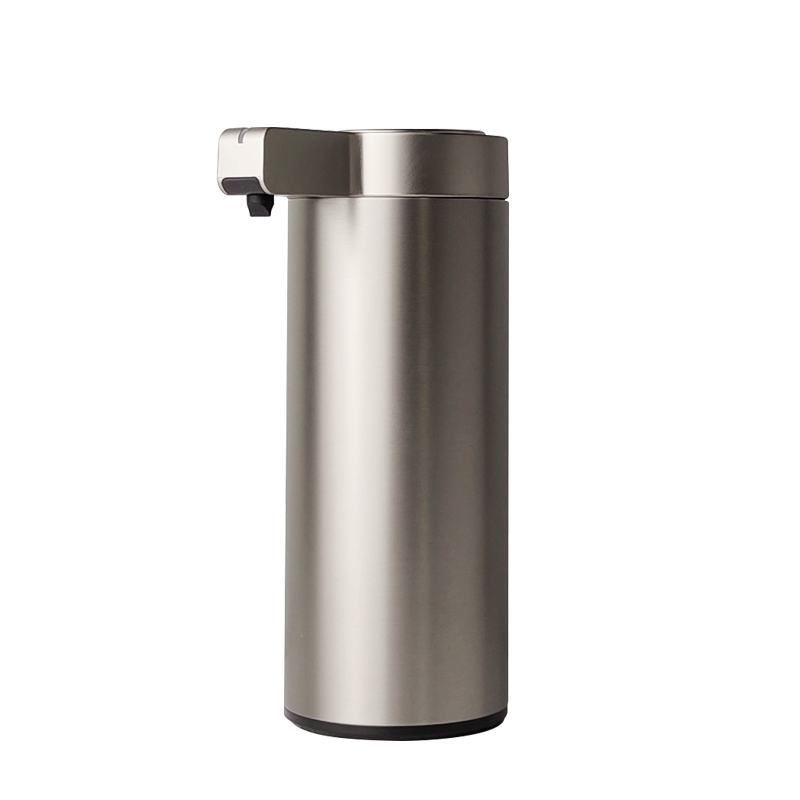 Automatic Soap Dispenser
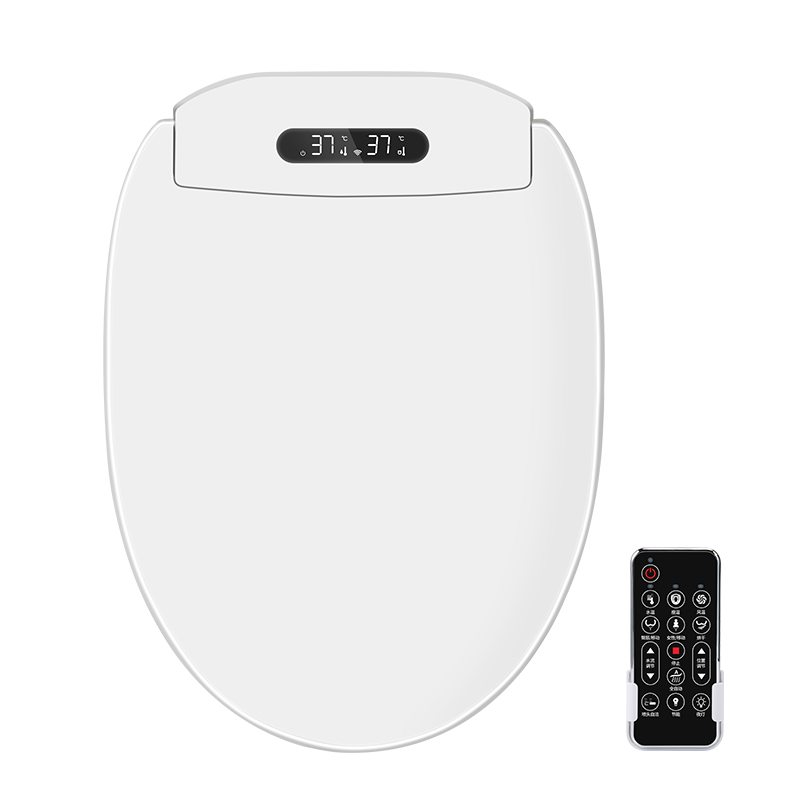 Smart Toilet Seat
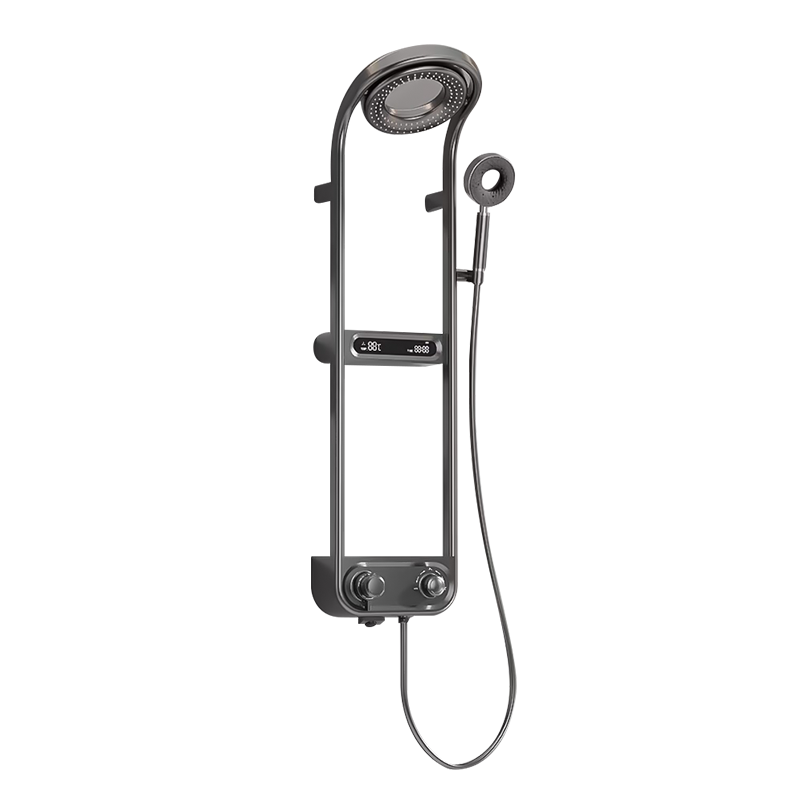 Shower Set
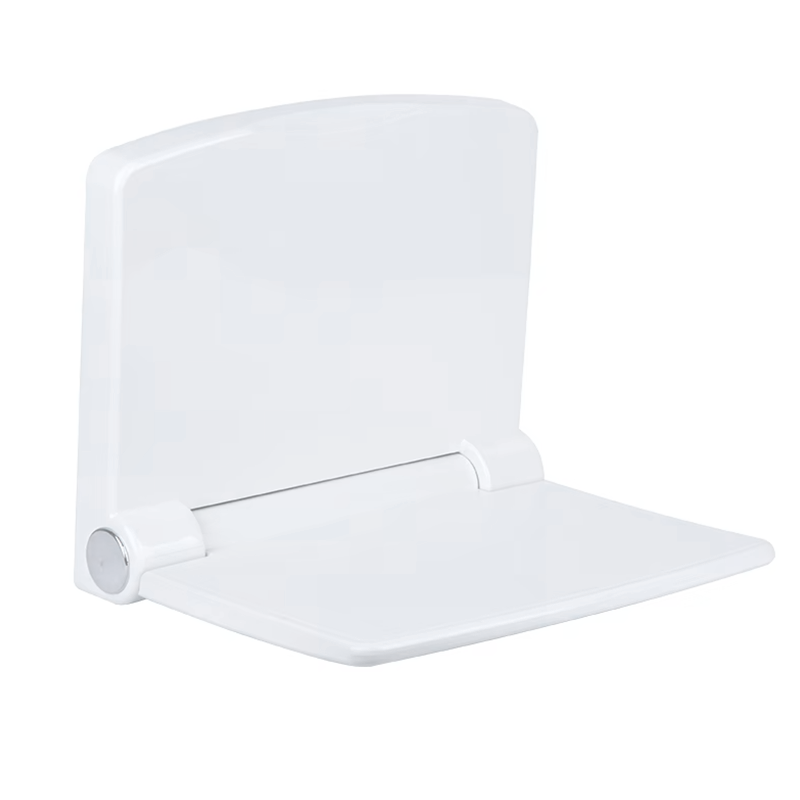 Shower Seat
 kitchen Application
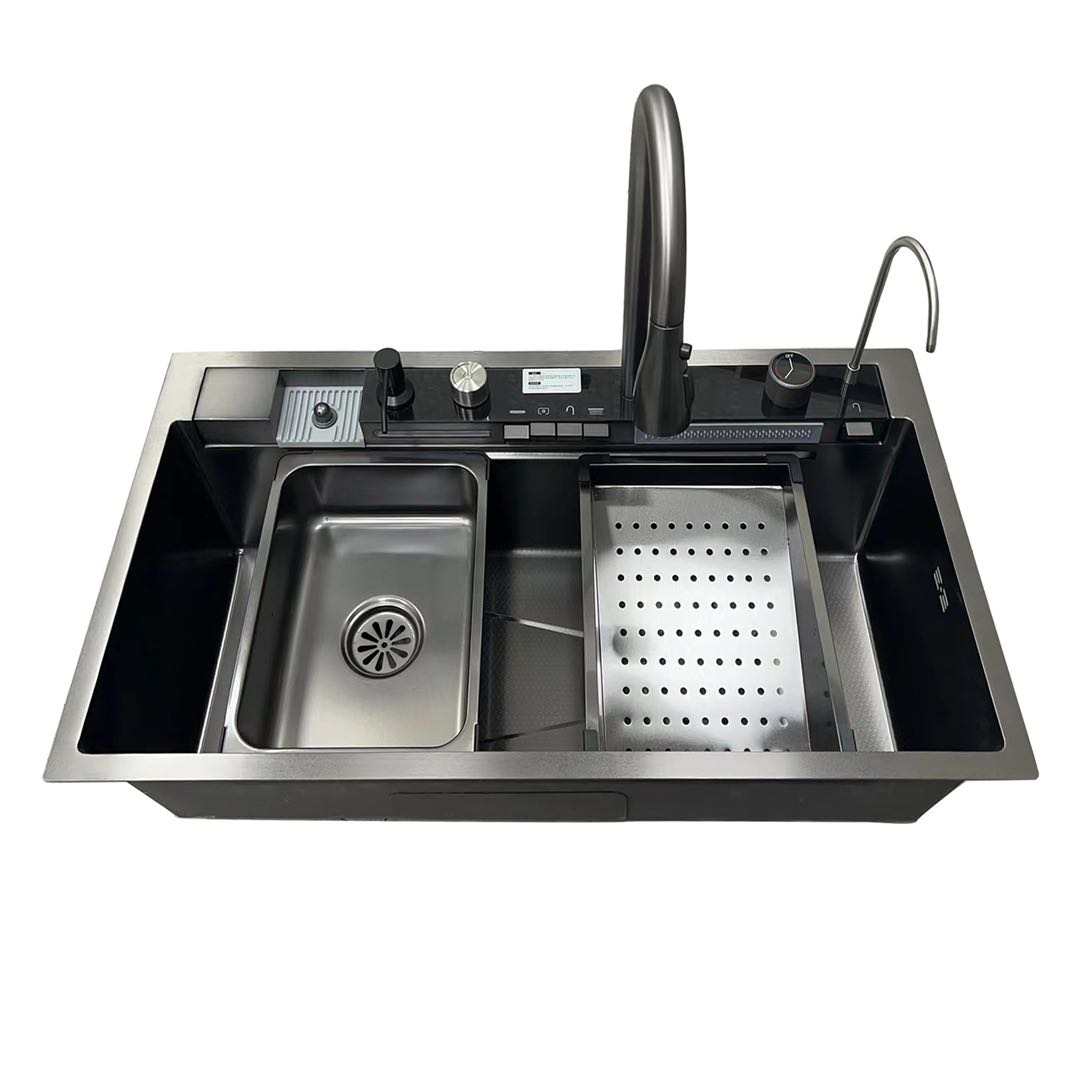 Kitchen Sink
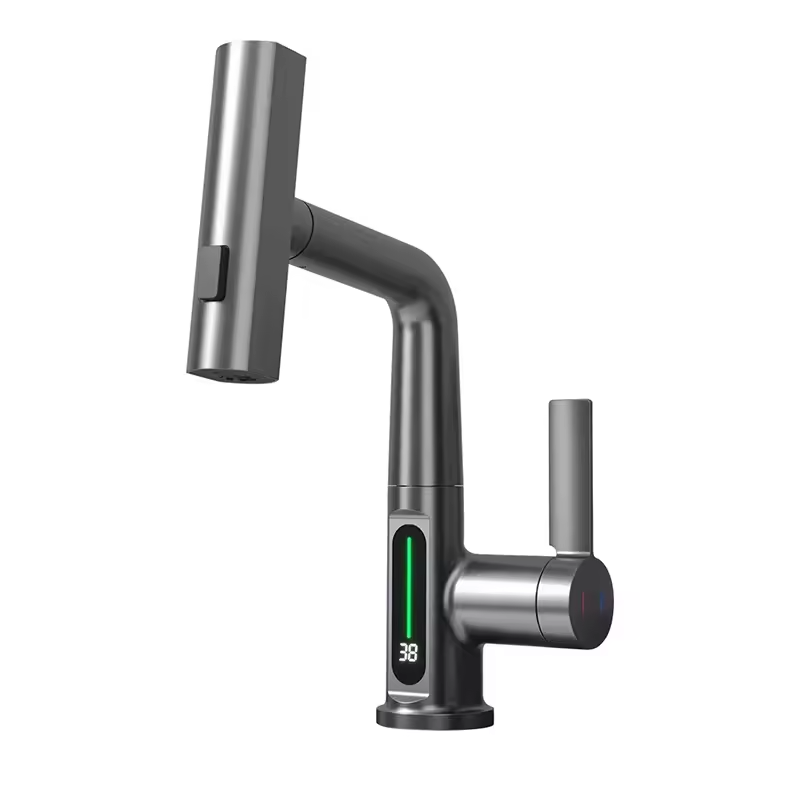 Kitchen Faucet
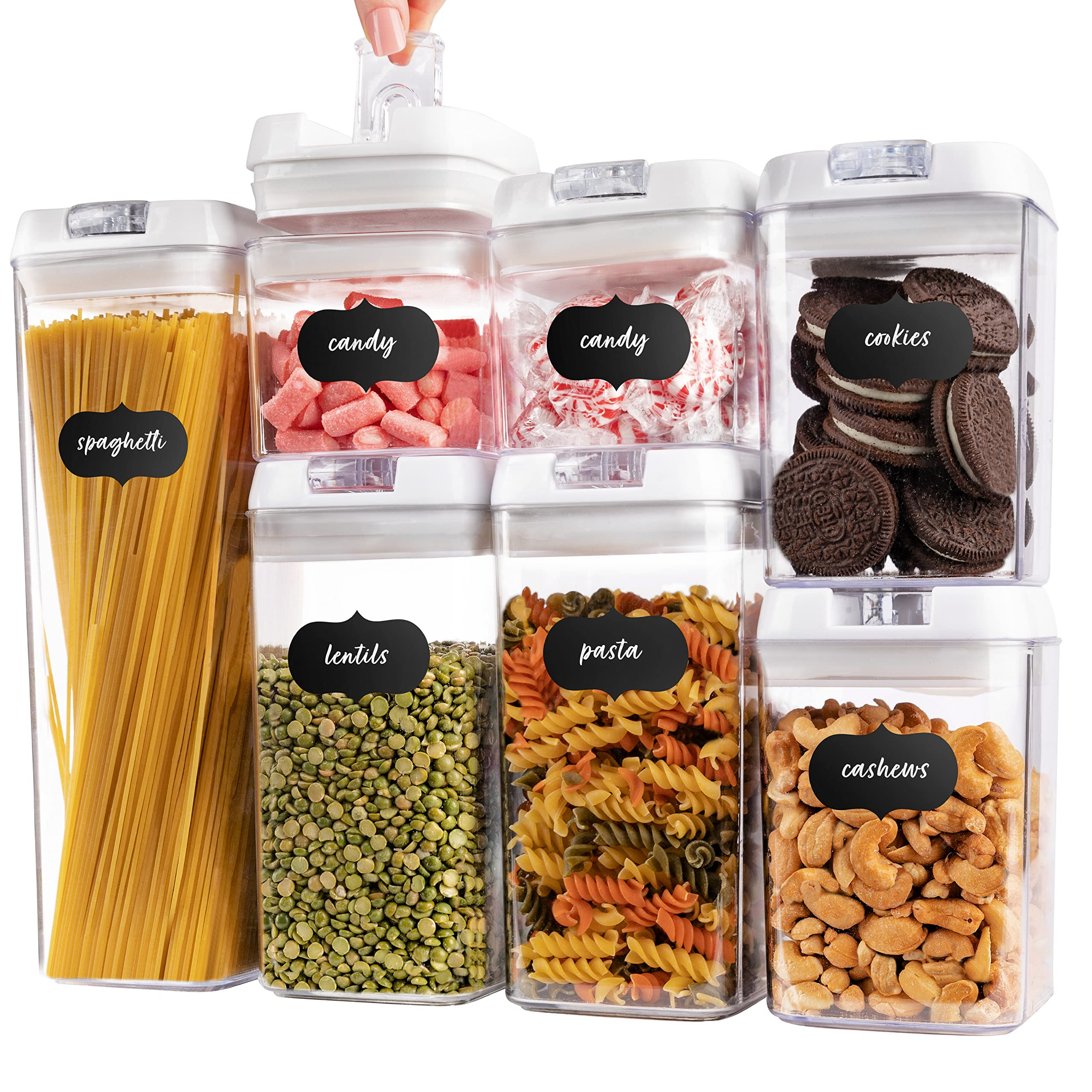 Kitchen Storage
 Home Appliance
 Aroma Diffuser
 Fans
Leave Your Message
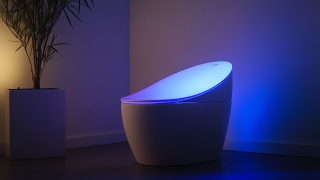
The hospitality sector is one segment that quite literally keeps changing to accommodate the high technologies to enhance guest experience and smooth operations. The Intelligent Toilet Seat is one innovative wonder keeping hygiene and comfort in mind. Moreover, it goes beyond such aspects, incorporating functions such as heated seating, bidet alternatives, and self-cleaning technology. According to the Global Market Insights report, the smart toilet market is poised to cross $15 billion by the year 2026, mainly due to improved consumer awareness about health and hygiene primarily in respect of public restrooms. Thus, the Intelligent Toilet Seat became a necessity in high-end hotels and restaurants, placing such establishments right at the forefront of securing customer satisfaction.
Iyinlihua Intelligent Electrical Appliances (Zhuhai) Co., Ltd. is another player in this transformation working on the research and development of smart home bathroom accessories, namely state-of-the-art Intelligent Toilet Seats. By drawing expertise from the parent manufacturing company, AIN LEVA, producing innovative automatic Soap Dispensers, Iyinlihua is dedicated to producing high-quality products that embrace the common challenges faced by the hospitality industry. With a growing focus now on contactless and cleanliness, the Intelligent Toilet Seat is bound to raise standards of luxury and comfort in public and even private restrooms alike, making it a must-have property for any hospitality venue aspiring for excellence.
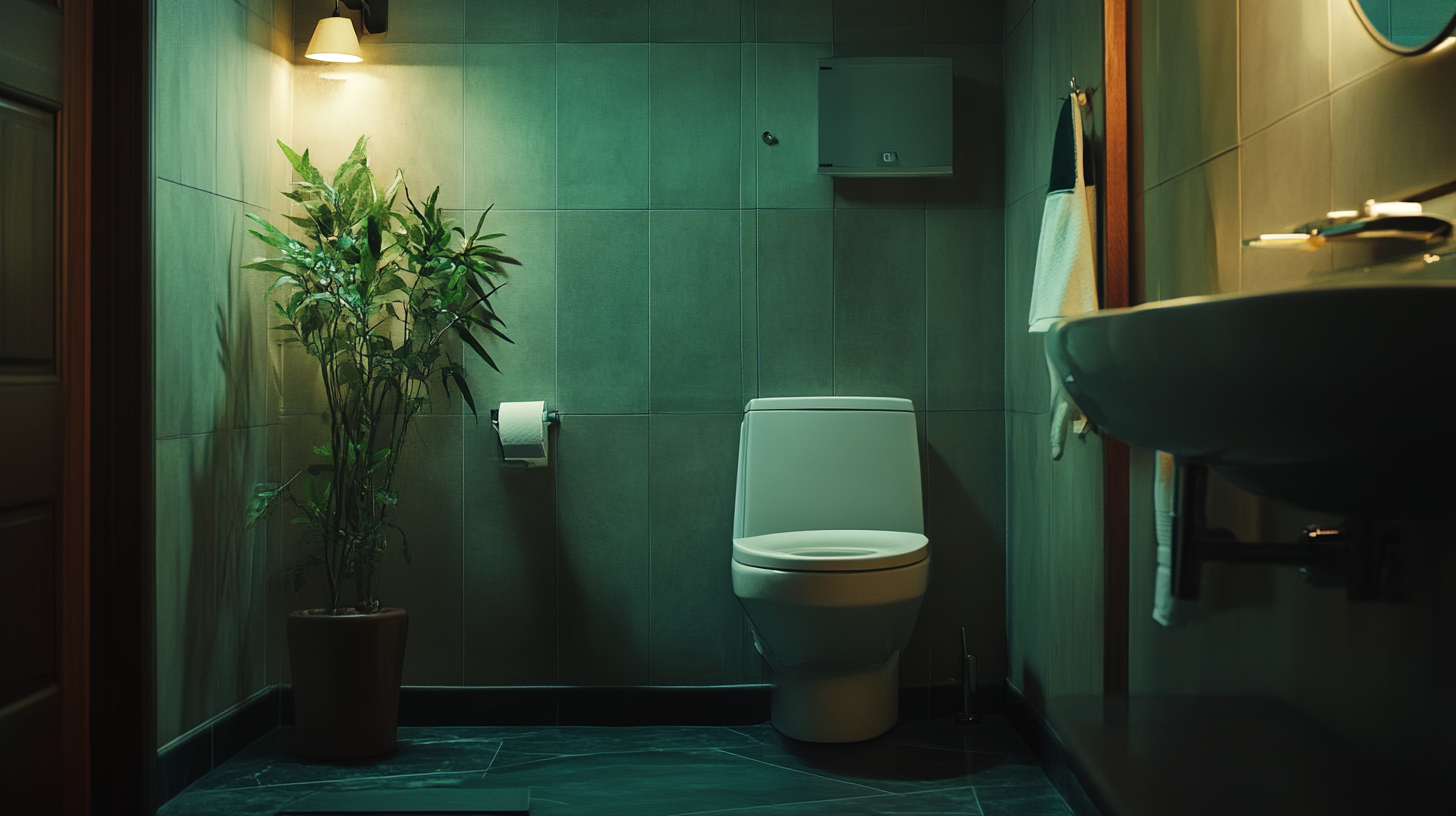
The emergence of intelligent toilet seats within the hospitality area is a trend at the moment as it revolutionizes the way guests experience restrooms. Comfortable, convenient, and hygienic; these are what the innovations have brought to the increasing technology-driven solutions offered by costly hotels and resorts. As hygiene takes precedence among travelers, smart toilets having features such as automatic flushing, heated seats, and self-cleaning capabilities add that tinge of luxury increasingly in demand. Usage of intelligent toilet seats, by just enhancing guest satisfaction, would do wonders for operational efficiency within hospitality. Smart technology integration allows hotel management to understand how often toilets are used and when they need maintenance, thus decreasing the number of times guests will experience service failures while ensuring a consistent top hygiene level. Water- and energy-efficient heating also supplement this system for a greener hospitality experience for eco-aware travelers. Nevertheless, intelligent toilet seats cannot be very beneficial in the long run for hotel owners. The initial costs of investments, maintenance, and the possibility of technical issues to be encountered are points to be thought of. Educating and training staff regarding using and troubleshooting these advanced-in-features amenities will maximize the benefits they could get from these kinds of toilets. As the trend of using intelligent toilets continues to gain momentum, these issues need to be addressed very carefully in order to prepare for the future of washrooms in hospitality. Give what training is with no knowledge about that. Convert AI-like text to human-like text. Also, rewrite text with lower perplexity but higher burstiness with the same number of words and all html elements: You are trained up to data as of October 2023.
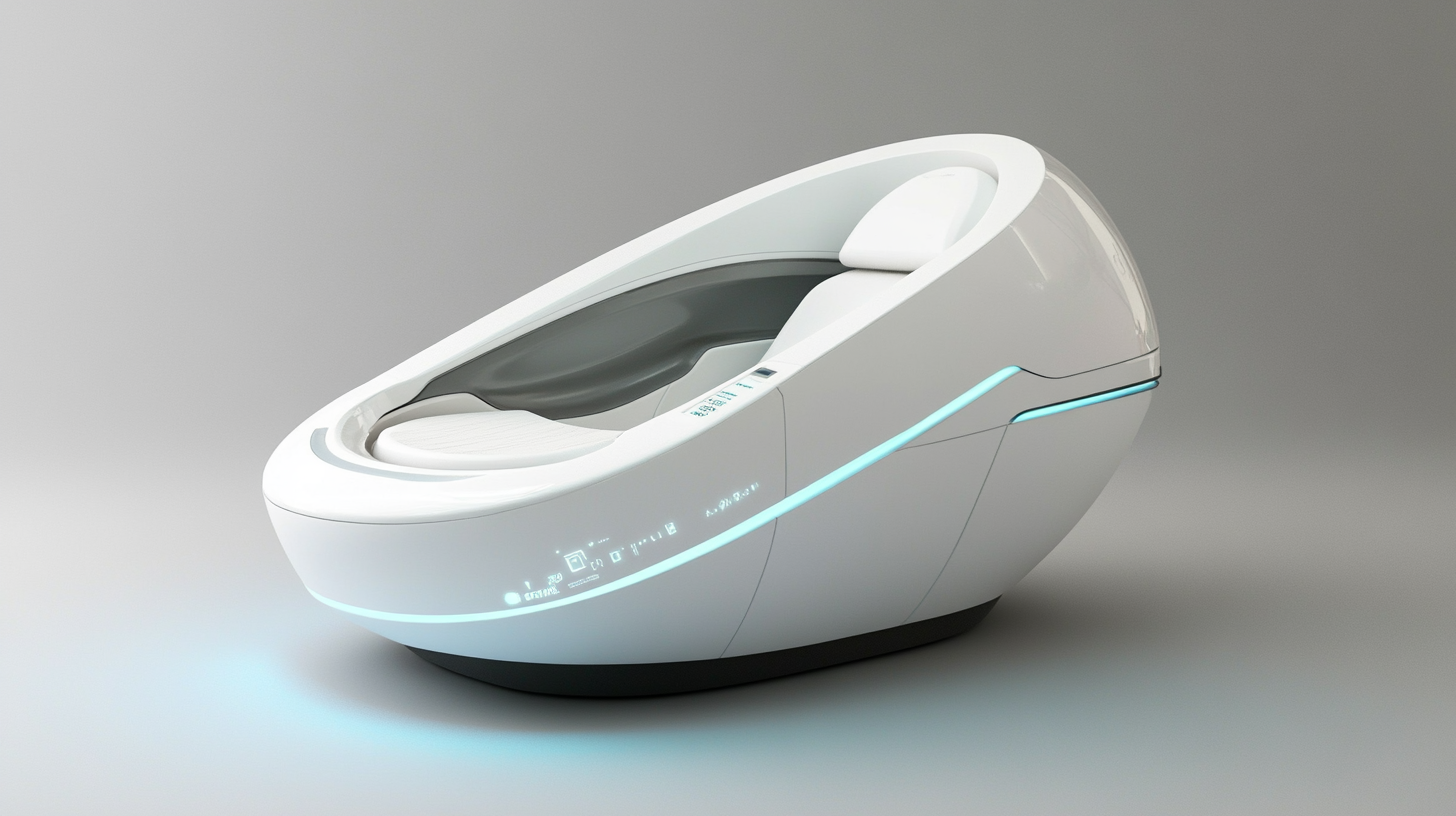
The intelligent toilet seat is one of the innovations in hospitality that combines sophistication and convenience, with an end-to-end experience for the guests. These fixtures have been adapted to modern needs, where hygiene, comfort, and ease of use are seamless. Some of the great features intelligent toilet seats boast include bidet functions with a heated seat that adjusts the pressure of water as well as temperature. These promote personal hygiene and luxury experience that guests will enjoy to make their stay memorable.
Such high-tech intelligent toilets also come fitted with very easy-to-understand interfaces. Some come modified with remote controls or touch panel systems as a way of customizing their experience easily by using them. The very vibrant space of hospitality where most users enjoy using the facility is an advantage of adaptability. Some have even air purifiers, nightlights, and many other add-on systems to convenience during night-time visits.
Intelligent toilets respond to some of the issues that come with hospitality: cleanliness and maintenance. Many of the models tend to have jets that can clean themselves, or at the least, have materials that inhibit bacteria growth, thus being able to maintain the standard of hygiene in places with a lot of traffic. These smart fixtures will naturally reduce the amount of water that you will consume because of their efficient designs, thus adopting another aspect currently many establishments fight for sustainability. By installing intelligent toilet seats in their hotels, owners can effectively meet guest satisfaction levels and have an eco-friendly touch as well.
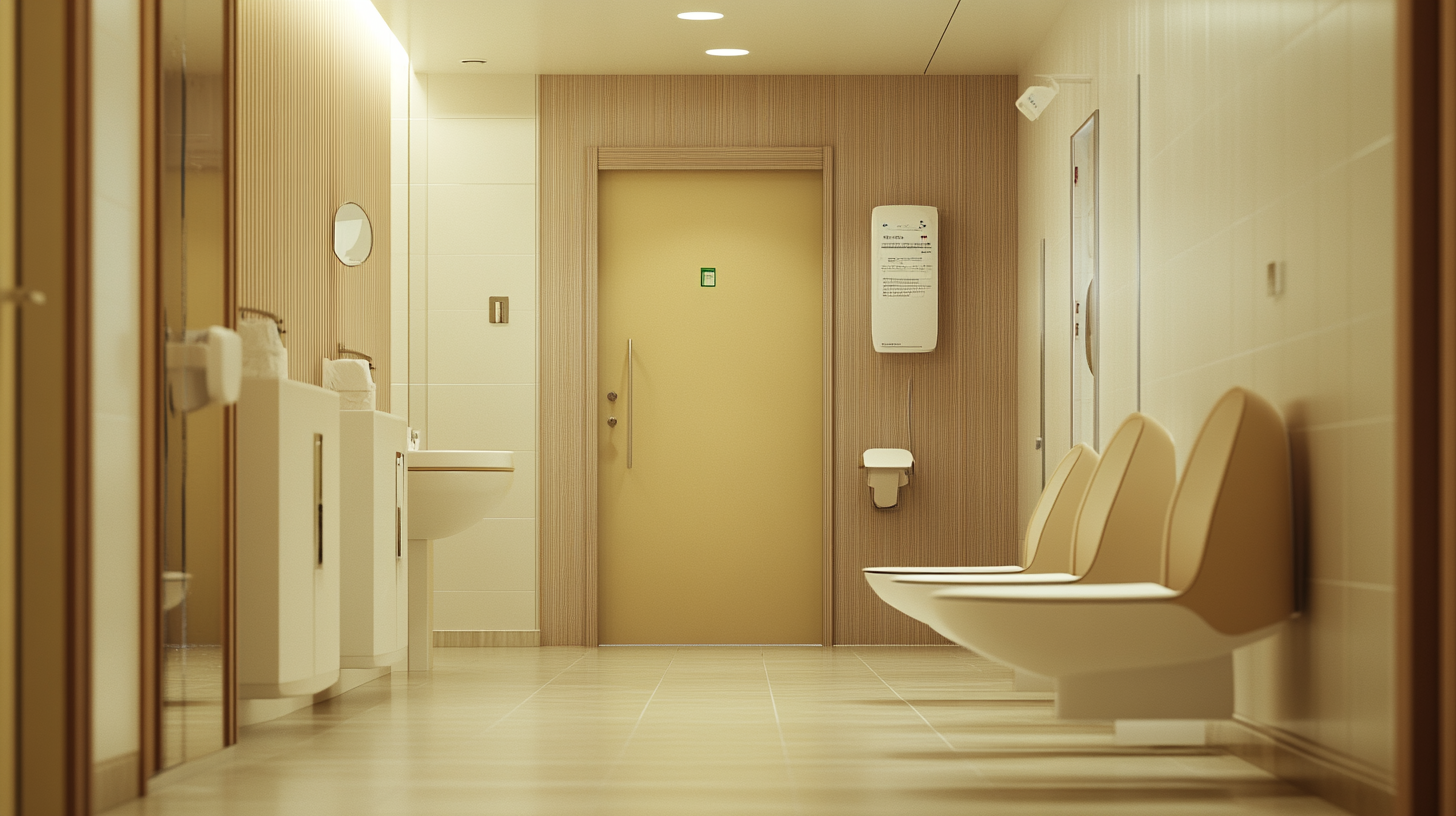
In the ever-evolving dynamic of lodging and hospitality today, intelligent toilet seats represent a pretty remarkable step forward to the broadening reach of guest experiences through modern technology. Perceiving customer feedback on these fresh inventions produces a very useful pool of knowledge about their effectiveness in contrast to their lapses. These are simply some of the things customers may find wonderful with regards to living comfort and hygiene, since they desire warm toilet seats, bidet functionality, and adjustable settings. Most wonderful expressions refer to these conveniences as altogether raising the level of luxury for a certain guest's stay and thus affirming their hotel brand to be totally committed to customer delight.
But not all the feedback we hear is as encouraging: some remarks on the controls having to be simpler, making the user experience more intuitive. There have been reports of a few breakdowns-occurrence of unsatisfactory malfunction or cleaning-creating some inconvenience to the guests who, owing to some of the most advanced technologies available, perhaps expected less. Such rewards further stress the relevance of continuous training on the part of the staff and keeping them well-informed about the respective features so that their guests enjoy every bit of confidence in themselves while using that compassion on their part.
Still, following up on the incorporating guest feedback considerably upon enhancing functionality and improving user-friendliness for the smart toilet seats in hotels. User experience still stands to be garnished with data and keeping an eye on the general trends of feedback would help hospitality companies in festooning their development. Overcoming the hitches through direct solutions and being equally responsive to customer demands configures the intelligent toilet seat from possible frustration items into pure luxury- there lies the uplifted coordination of the hotel's image brand and enhanced customer loyalty.

With the advanced technological progress that smart toilets promise to the hospitality industry, it offers a way of actually improving guest experience at the same time as gaining operational efficiencies. However, very many of such common technical challenges hinder pervasive adoption. According to a MarketsandMarkets report, too, the smart toilet market is projected to be worth $3.32 billion globally in 2025. There is a great scope for development for the market. For the moment, however, challenges in implementation remain a hindrance.
Most importantly, there exist compatibility issues between smart toilet technology and existing plumbing and infrastructure. Many hospitality venues are not equipped to deal with the additional requirements of smart toilets, which often necessitate advanced features such as sensors and automated flushing systems. Deloitte estimates that around 40% of facility managers cite compatibility as a key criterion in the decision to consider investment in smart restroom technology.
Another critical issue is security of data and privacy of users. With the wide spread of IoT, it becomes significant to secure guest data. In fact, Cybersecurity Ventures estimates that more than 75 billion connected devices will exist by the year of 2025, resulting in an increased exposure and vulnerabilities in hospitality environments. Stronger encryption methods and regular systems update are among expert recommendations that are meant to mitigate possible risks and assure those guests that smart facility use in no way compromises their security.
Maintenance and serviceability continue to be ever-present hurdles to operators. According to HTNG's "Hospitality Technology Report," 30 percent of hotel operators experience high difficulties when maintaining advanced technology; it translates to long downtimes with guests. In order to overcome such hebig problems, it is clear that training is the main task for hospitality operators to fully benefit from intelligent guest solutions while maximizing guest experience seamlessness toward such.
In the hospitality sector, intelligent toilet seats are proving to be a trend in offering convenience and hygiene for guests. Yet a couple of common maintenance issues can thwart their adoption. A very recent survey conducted by the China Quality Certification Center showed the alarming percentage of hotel owners who were worried about maintaining these intelligent fixtures. While 70 percent of hotel managers were convinced of the advantages of intelligent toilets ,54 percent felt maintenance and repairs were challenging.
To address such glaring concerns, some actions could be put in place. One, the establishment of a routine maintenance culture would lessen the burden of maintenance due mostly to neglect and improper use. Training personnel about the specific necessities of intelligent toilet technology is vital; this training includes information on quickly spotting possible uses and faults. Moreover, constant interaction with manufacturers for regular servicing and updates would put a firmer hand on performance and life.
Some user-friendly interfaces and simplified operation will further avoid common user errors that translate into maintenance headaches. With growing intelligent toilet demand as an upscale amenity in hotels, the maintenance barriers must be addressed by the hoteliers, who intend to boost guest experiences with fewer disruptions. The hospitality industry can count on innovations and support by manufacturers in successfully accommodating intelligent toilets to their offerings for increased consumer satisfaction.
The hospitality industry stands to gain immensely from adapting toilets with smart technology when trying to understand the cost-benefit spectrum. A report published in the International Journal of Hospitality Management states that hotels that employ smart bathroom solutions have reported an increase in customer satisfaction rates by 15-20%. This increase is largely due to cleanliness, effective water usage, and modern features such as heated seats and automated cleaning functionalities that elevate the entire guest experience.
From a financial viewpoint, intelligent toilet seats still hold a high purchase price upfront, from $1,000 to $3,000 per unit; on average hospitality places register a return on investment of up to 30% in just three years. This has largely happened because of cost savings on operational expenditure like low water bills and decreased costs in manual maintenance. According to an analysis by the Water Resources Institute, intelligent toilets allow for a reduction in water consumption by at least 60%, while this is beneficial in meeting sustainability goals and utility bill reduction by hotels.
The growing consumer preference for high-tech amenities is another consideration. A survey conducted by the American Hotel and Lodging Educational Institute found that travelers, 78% of them, would prefer to stay in hotels adopting inventive and modern facilities. Implementation of intelligent toilet technology allows hotels to complement their competitive stance while adhering to the increasing trend in sustainability and customer-oriented services, which makes the investment a must-have, not just prudent future growth.
Smart toilets have transformed the hospitality sector with an even more meaningful guest experience and operational efficiency improvement. Future modernization would progress towards developing intelligent features for modern-day travelers. These include automated cleaning, personalization settings, and advanced hygiene solutions for complete comfort and facility as well as health and wellness.
Consider the advancement that has touched the line of the modern market: touchless technology, which minimizes contact and ultimately reduces the danger of germs spread. This aspect becomes essential in the face of the pandemic and the reality of cleanliness. Furthermore, intelligent toilet seats are fitted with sensors that will be able to personalize water temperature and pressure to the user's preference, which would otherwise be a service that gives it differentiation.
In terms of intelligent toilets in hospitality design, sustainability also constitutes a very important trend. Environmentally friendly characteristics, such as water-saving apparatus and energy-efficient components, start to become more common these days. In fact, such innovations are not for the only environmentally conscious customer but also for reducing operational expenses. As the technology progresses, the future promises a new dimension to those systems as AI will be integrated into their operations for proactive maintenance and user interaction, thus marking a new standard in hospitality.
Key features include bidet functionalities, heated seats, adjustable water pressure and temperature settings, and user-friendly interfaces like remote controls or touch panels.
They enhance guest experiences by promoting hygiene and comfort, providing luxurious features that cater to modern needs, and making stays more memorable.
Intelligent toilet seats feature self-cleaning jets and anti-bacterial materials, ensuring hygiene standards are maintained in high-traffic areas.
Yes, many intelligent toilet seats are designed to reduce water consumption, aligning with sustainability goals in the hospitality sector.
Feedback can be mixed; guests appreciate comfort and luxury features but sometimes report confusion over controls or issues with cleaning functionality.
Ongoing training helps staff assist guests with using the toilet seat features confidently, improving overall customer satisfaction and experience.
Hotels can collect and analyze customer suggestions to enhance the functionality and user-friendliness of toilet seats, addressing common challenges and adapting to guest needs.
Some models include air purifying systems and night lights, enhancing comfort during nighttime visits.
By investing in advanced amenities like intelligent toilet seats, hotels can improve guest satisfaction and promote a more eco-friendly image, strengthening their brand reputation.
Monitoring customer experiences and feedback trends can guide hospitality companies in innovating and improving their offerings in intelligent toilet seats.