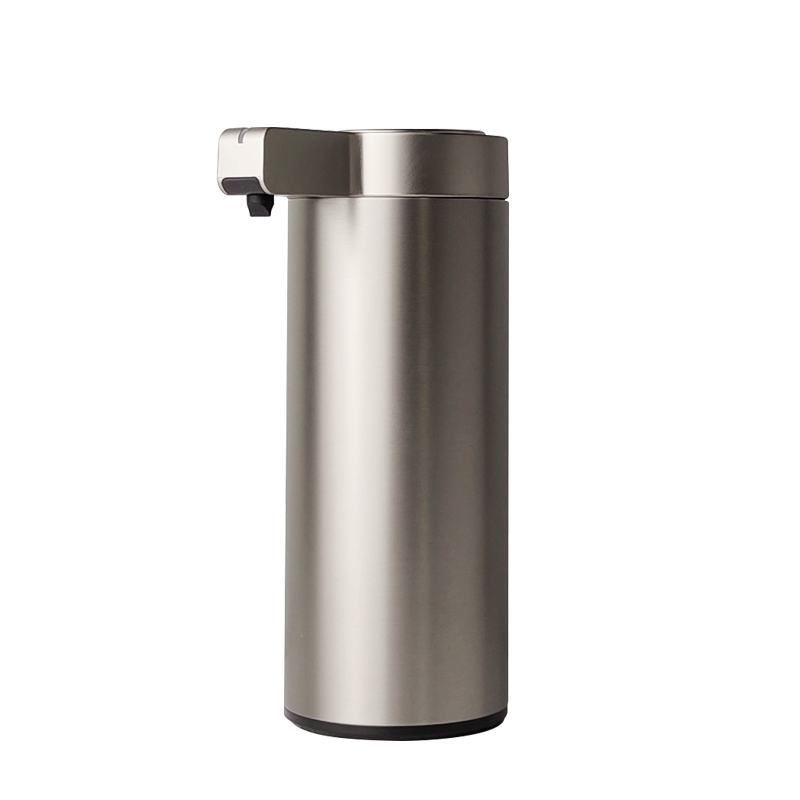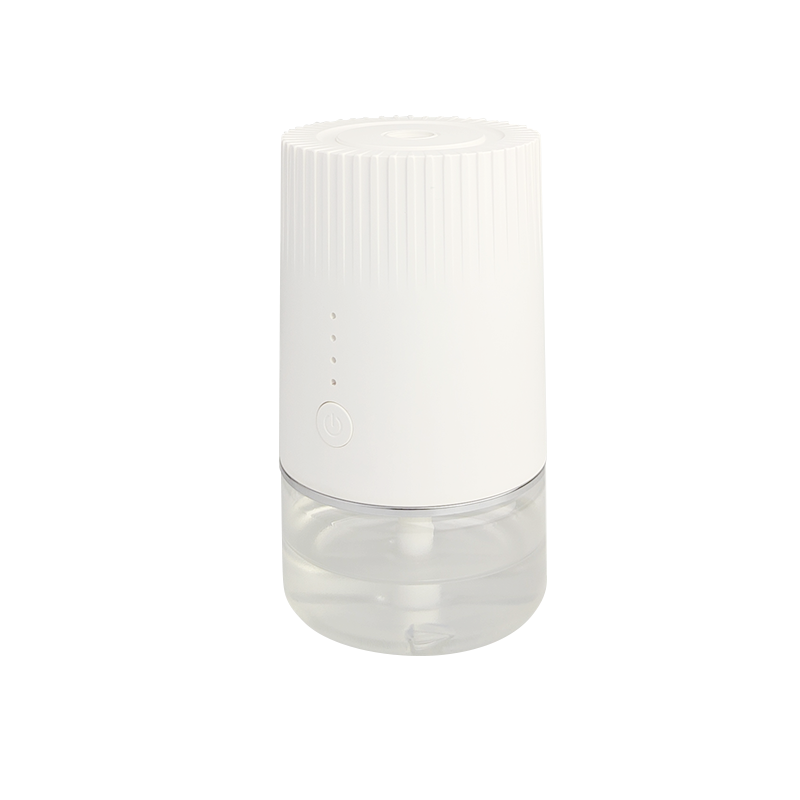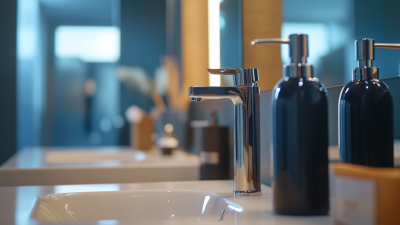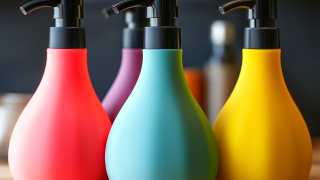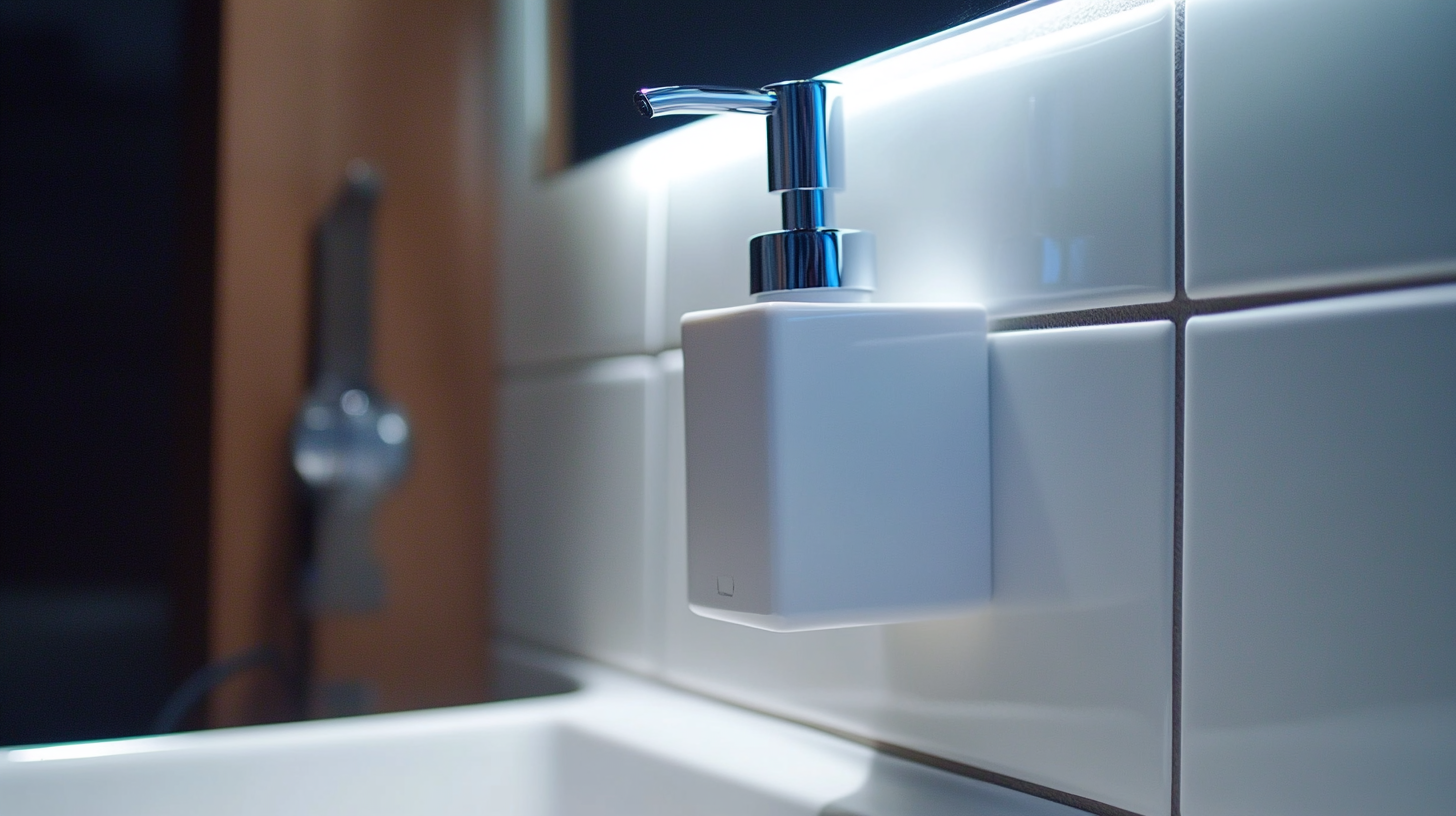
You know, when it comes to global trade, things can get pretty wild, especially with all these tariff changes that manufacturers have to deal with. But here’s a bright spot: AIN LEVA, which is part of Iyinlihua Intelligent Electrical Appliances (Zhuhai) Co., Ltd., has really shown some serious grit and flexibility during these economic ups and downs. They’re all about creating these cool automatic Plastic Soap Dispensers, and they’ve got a strong R&D team that helps them not just survive but actually flourish in a pretty competitive market. Even with tariffs on the rise between China and the U.S., AIN LEVA hasn’t lost its touch. Their dedication to quality and innovation keeps them on point, as they adapt to what consumers want while sticking to the international trade rules. By focusing on smart home solutions, AIN LEVA really shows that companies can navigate through tough economic times and come out even stronger.
You know, when countries change their tariffs, it really shakes things up for international trade. Manufacturers have to rethink how they operate if they want to stay afloat or even really make it big. Recently, we’ve seen a bunch of countries tweaking their tariffs, which has stirred up both problems and possibilities for Chinese exporters—especially in industries like plastic soap dispensers. With these tariffs constantly shifting, businesses are left with the task of re-evaluating their supply chains, pricing, and how they enter different markets to stay in the game. Companies that take a proactive approach to fine-tune their operations can ease the financial burden from these tariffs and even snag a good chunk of the market share.
Now, with tariffs on the rise, being innovative is really the name of the game. The top-notch plastic soap dispenser manufacturers in China are jumping on cool tech and sustainable materials to boost product quality without breaking the bank. They’re not just focusing on what looks good; they’re also keeping an eye on what makes consumers happy while embracing environmentally friendly practices. So, even in this rocky trade environment, these manufacturers are figuring out how to not just hang in there, but genuinely thrive and strengthen their standing in the global market.
You know, with all the changes happening in global trade these days, it’s really impressive how well China’s manufacturing sector has held its ground. I mean, especially when it comes to making plastic soap dispensers! Sure, the new tariff regulations have thrown some curveballs, but you’ve got to hand it to these manufacturers—they’ve really had to get creative and switch up their game plans. By diving into new technologies and making their processes smoother, they haven’t just kept their heads above water; they’ve actually bumped up their growth too!
If businesses want to tackle these tariff changes head-on, here are a few tips that could really help. For starters, putting some money into advanced manufacturing tech can seriously boost efficiency and cut down production costs, which is super helpful in dealing with those pesky tariffs. Also, building solid connections with suppliers can give them more flexibility when sourcing materials, letting them adapt on the fly if things go south. And hey, exploring new markets could be a game changer! It not only diversifies their income but helps lessen the risks tied to those higher tariffs in certain areas.
With this kind of proactive mindset, China’s manufacturers are really showing what it means to be adaptable in these tough economic times. This strategy not only helps businesses survive, but it also positions them to really thrive out there in the global market, which is pretty awesome!
In today’s super competitive plastic market, it’s not just about hanging in there; companies really have to nail their strategies to not just survive but actually thrive, especially with all the back-and-forth on tariffs. You know, I came across this interesting report that says the global market for plastic products is expected to soar past $650 billion by 2025! So, if you’re a manufacturer in China—especially if you’re churning out in-demand products like plastic soap dispensers—you better be focusing on innovation and being adaptable. It’s all about using those cutting-edge manufacturing technologies to boost product quality and keep costs down, which can definitely help you stand out against international competitors.
And let’s not forget about sustainability; it’s really becoming a big deal in the industry. With more and more consumers waking up to environmental issues, a recent study suggests that the biodegradable plastics market alone could reach $22 billion by 2027. So, for Chinese manufacturers, jumping on board with eco-friendly materials and practices is a smart move. Not only does it align with the global push towards being greener, but it also brings in those conscientious consumers who are looking for brands that care. By embracing sustainability, these companies can set themselves apart in an already crowded market while also navigating the tricky world of tariffs.
The plastic soap dispenser market has gone through some pretty big changes lately, especially with tariffs shifting and all the economic ups and downs we're experiencing. You know, a report from Grand View Research suggests that the global soap dispenser market could hit around $1.19 billion by 2025, growing at an annual rate of about 6.2%. That's quite a leap! A lot of this progress is thanks to new designs and functionalities that really enhance how we use these products and help brands stand out in a crowded marketplace.
Quality is really at the heart of this transformation. Top manufacturers are stepping up their game, putting money into better materials and ergonomic designs. This not only makes the dispensers tougher but also ensures a more hygienic way to dispense soap. There’s even some research from Research and Markets that shows that high-quality products can charge as much as 30% more! That just goes to show that folks are willing to spend a bit extra for something reliable and stylish. With all these changing tariffs and rising costs, innovation becomes super important. It helps companies keep their edge while also delivering real value to their customers.
You know, in today’s fast-paced world where tariffs and regulations seem to be constantly shifting, there’s this one top-notch plastic soap dispenser brand that’s really impressed me with how well they’ve managed to roll with the punches. They’ve been super smart about switching up their production techniques and tapping into local supply chains, which has helped them keep costs in check. It’s a great reminder of how important it is to stay flexible and think ahead in such a competitive market.
**A little tip here:** If you can, try to source locally. Building good relationships with suppliers in your area not only cuts down on shipping costs but also makes your supply chain a lot stronger. Companies that focus on local materials tend to be way better at handling changes in tariffs and trade rules.
On top of that, this brand really nailed it by diversifying their product line. They rolled out eco-friendly options and customizable designs, which totally grabbed the attention of a wider audience—think eco-conscious shoppers and businesses looking for something special. Not only did this keep the sales coming, but it also positioned them as trailblazers in the soap dispenser world.
**Another handy tip:** Keep an eye on what consumers want and what’s trending. Being proactive about market demands can give your brand a leg up and help you create products that really click with changing customer values.
| Dimension | Detail |
|---|---|
| Brand Name | EcoSoapPro |
| Market Segment | Home & Commercial |
| Monthly Production (Units) | 100,000 |
| Current Tariff Rate | 15% |
| Annual Revenue (Estimated) | $12 million |
| Key Competitive Advantage | Sustainable Materials |
| Target Market Regions | Asia & North America |
| Customer Satisfaction Rate | 92% |
You know, with the global market constantly changing because of different trade policies and economic trends, businesses really need to stay on their toes and adapt to whatever comes their way. Just look at the plastic soap dispenser industry in China – they've shown some serious resilience despite all these shifts. With tariffs going up and down, manufacturers are getting pretty creative, using new production techniques and tweaking their supply chains to keep up the competition. By investing in automation and eco-friendly materials, they’re not just following the rules; they’re also responding to consumers who care more and more about sustainable products.
Looking into the future, it’s clear that the space for plastic soap dispensers is in for some major changes. Trends are showing that people really like multifunctional and stylish designs, which is pushing companies to step up their game. With all the regulatory pressures and changing consumer preferences, businesses are on the hunt for alternative materials and smarter distribution methods. By keeping an eye on those shifts in trade policies and what consumers want, these companies are setting themselves up for some serious growth and success. They’re really aiming to not just survive but thrive in this increasingly complex landscape.
: Key strategies include focusing on innovation and adaptability, implementing advanced manufacturing technologies, and prioritizing sustainability.
Sustainability is gaining traction as consumer awareness about environmental issues rises, leading to increased demand for eco-friendly products, such as biodegradable plastics.
The global plastic products market is projected to reach over $650 billion by 2025.
Local sourcing minimizes logistical costs and enhances supply chain resilience, allowing companies to better respond to fluctuations in tariffs and trade policies.
By diversifying their product lines to include eco-friendly options and customizable designs, companies can appeal to environmentally conscious consumers as well as those seeking unique offerings.
Advanced manufacturing technologies can enhance product quality and reduce costs, providing a competitive edge over international counterparts.
Brands can stay competitive by continuously monitoring consumer trends and preferences to develop products that align with evolving customer values.
A leading plastic soap dispenser brand successfully adapted by implementing innovative production techniques and leveraging local supply chains to mitigate increased costs.
Emphasizing sustainable practices and incorporating eco-friendly materials into production can help companies stand out and attract a more conscientious consumer base.
Embrace local sourcing whenever possible to build relationships with regional suppliers and enhance supply chain resilience.