 Bathroom Application
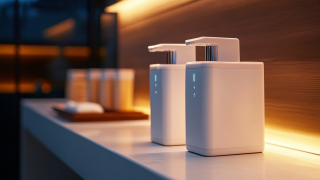
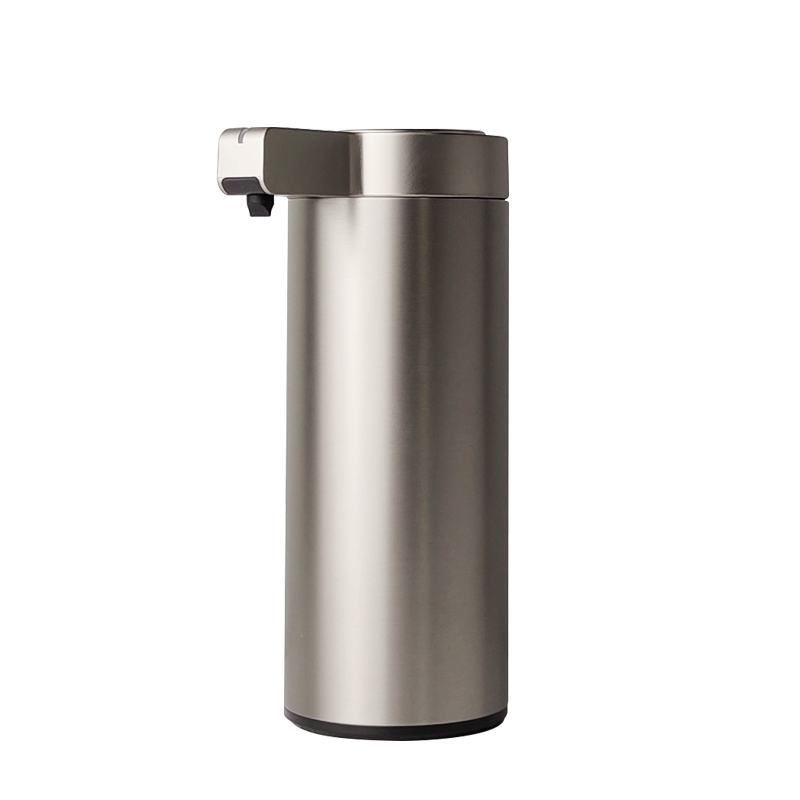 Automatic Soap Dispenser
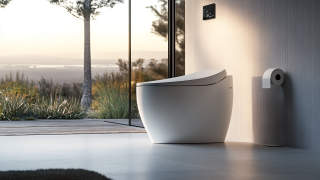
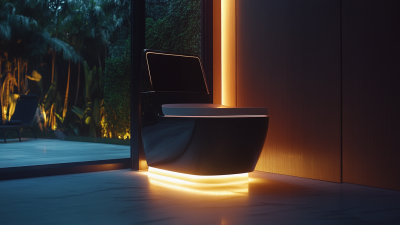
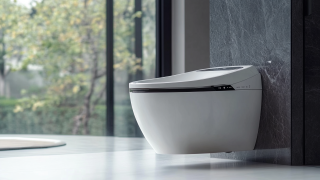
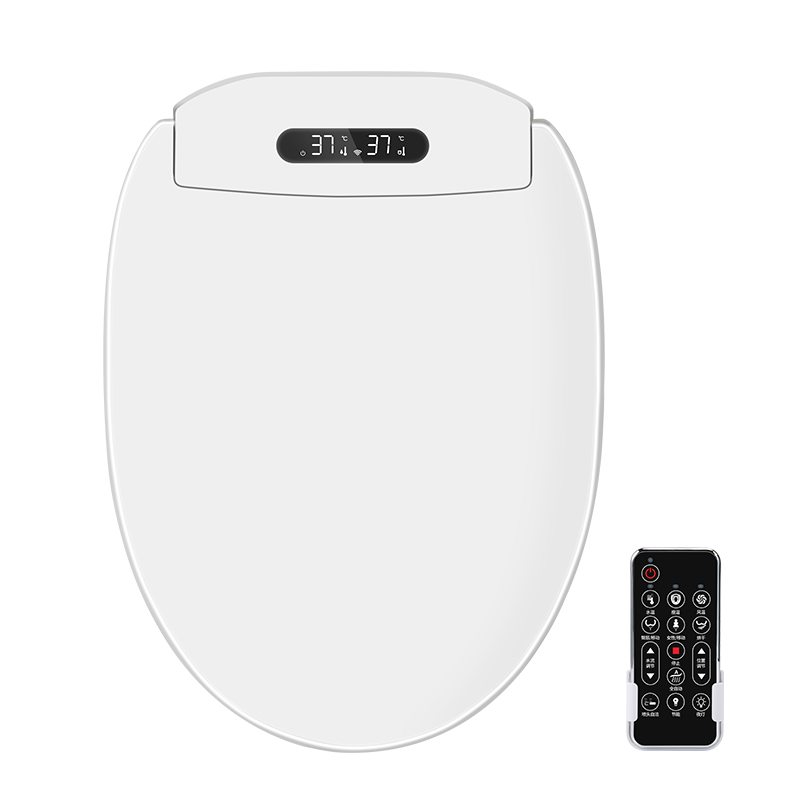 Smart Toilet Seat
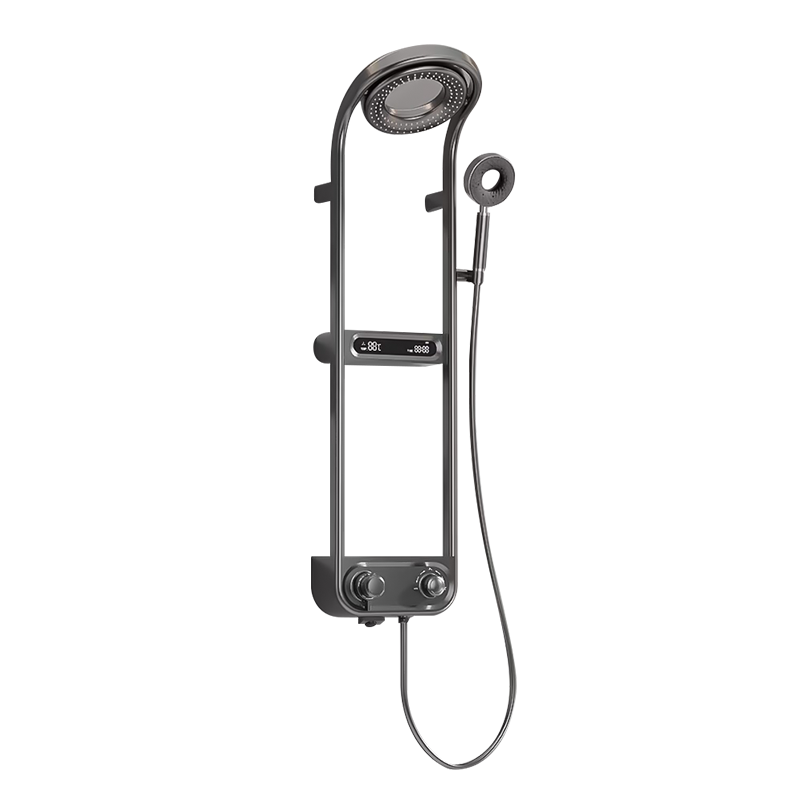 Shower Set
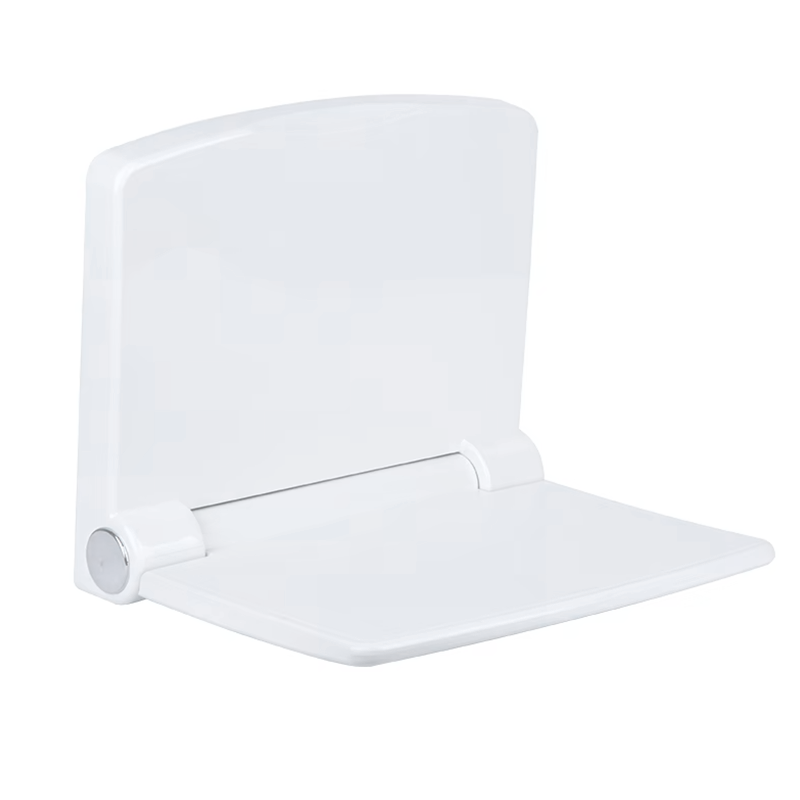 Shower Seat
 kitchen Application
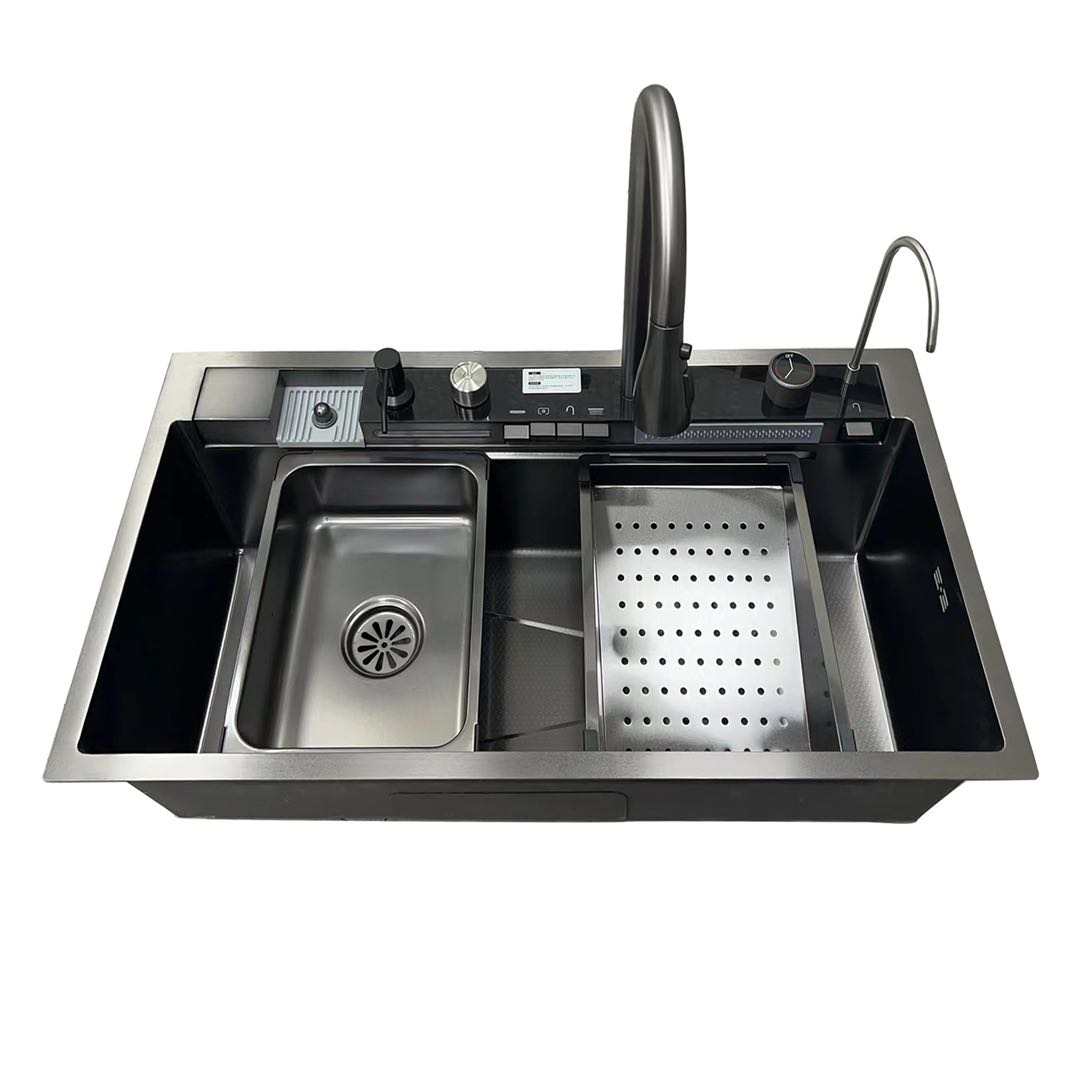 Kitchen Sink
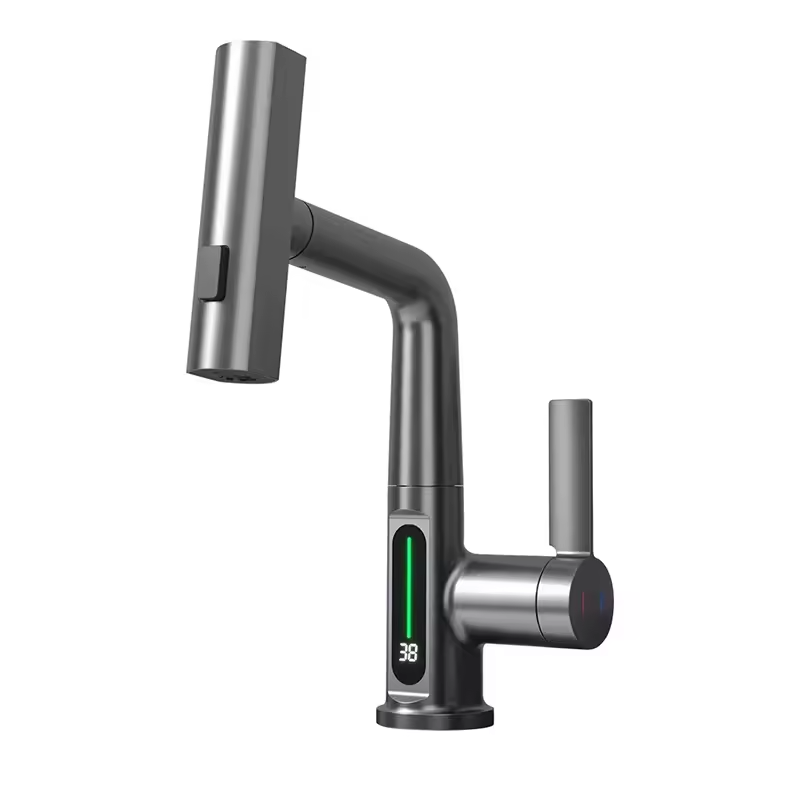 Kitchen Faucet
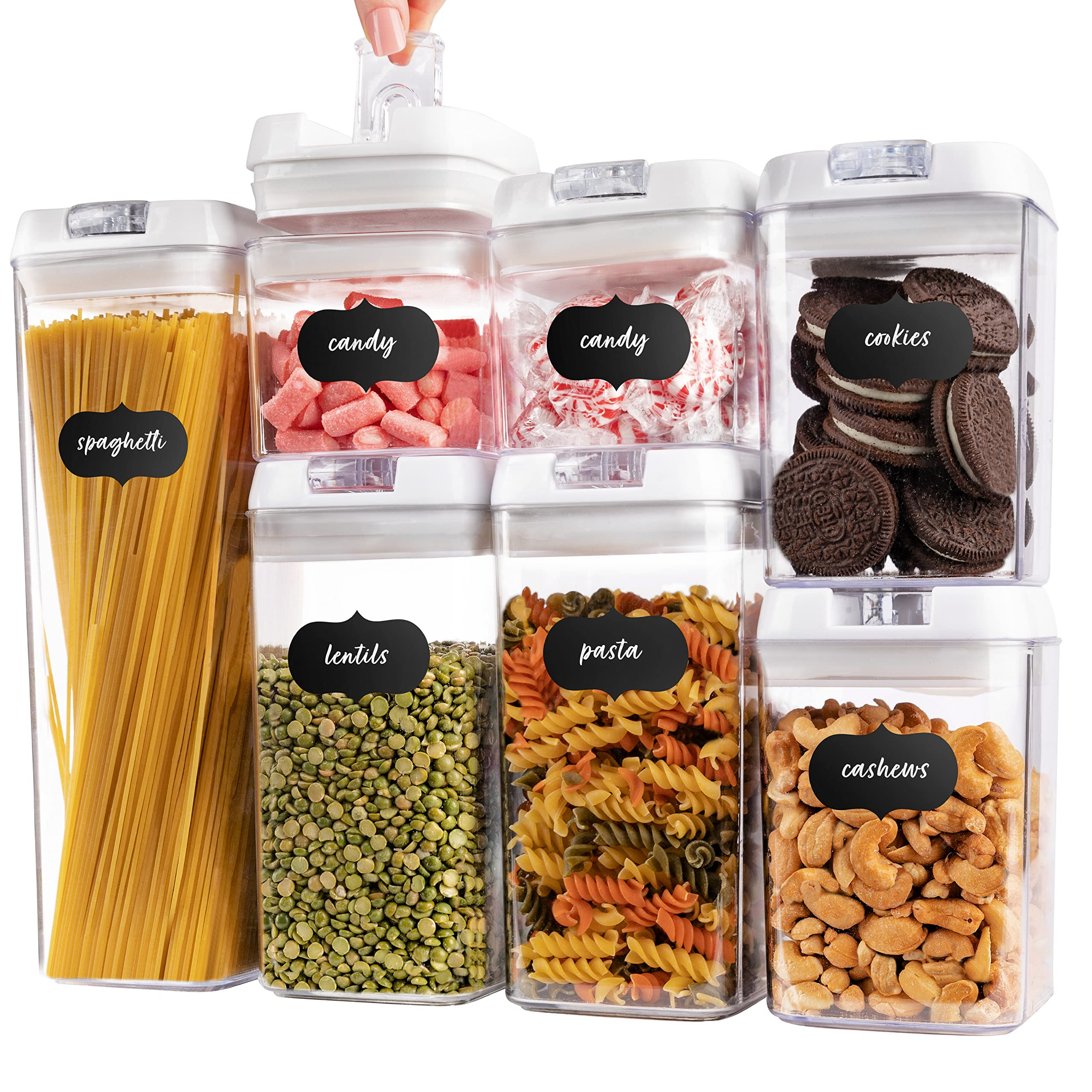 Kitchen Storage
 Home Appliance
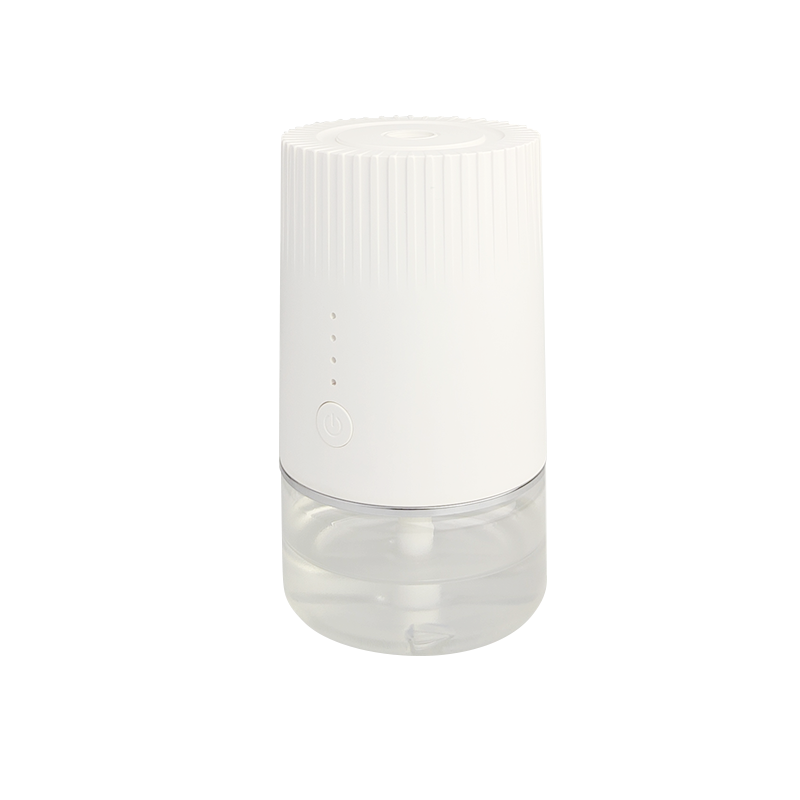 Aroma Diffuser
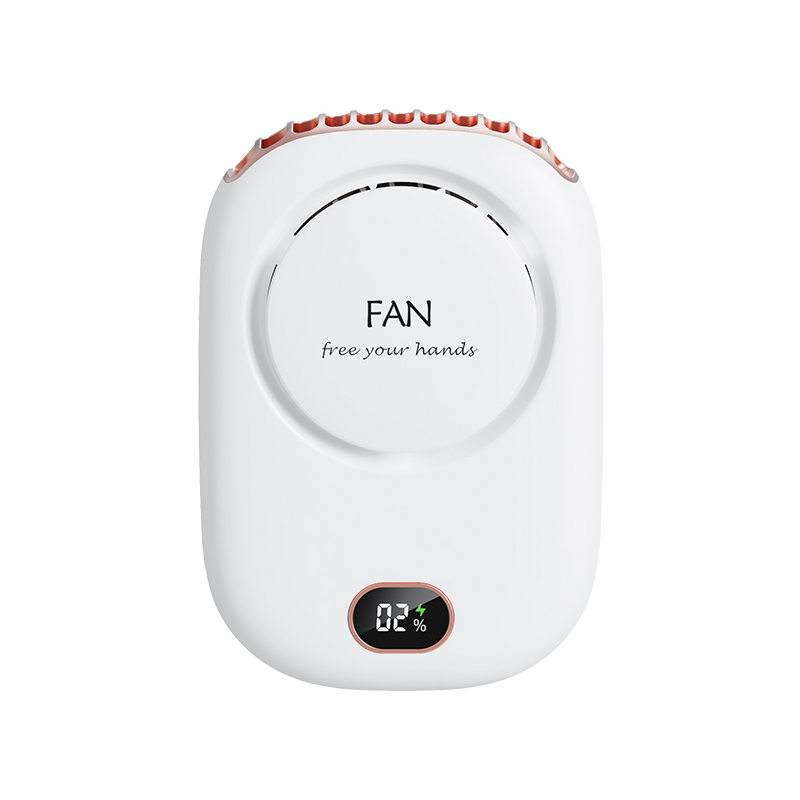 Fans
Leave Your Message
According to a report by Grand View Research, the smart home technology market is progressing rapidly and is anticipated to touch the phenomenal figure of around $137.91 billion by 2027. Within this scope, the introduction of novel Smart Toilet Covers is viewed as a key trend enhancing user convenience and hygiene in the bathroom environment. Increasing awareness regarding health and hygiene has given rise to consumer demand for these advanced solutions that build in smart technology into their ordinaires. The embodiment of functions like warming seats, bidding, and even self-cleaning provides a perfect space for manufacturers like Iyinlihua Intelligent Electrical Appliances (Zhuhai) Co., Ltd. to seize the day.
Iyinlihua is determined to be at the forefront of this sector during its research and development of smart home bathroom accessories. With the backing of the parent company, AIN LEVA continuously strives to extend the limits of innovation with products such as automatic Soap Dispensers and now smart toilet covers. Moving into 2025, engaging strategies that appeal to international buyers would be of great relevance to navigating the competitive landscape. This blog will discuss the last trends and core methods of developing consumer seduction that will help the industries be constant with these exciting times of smart bathroom revolutions.
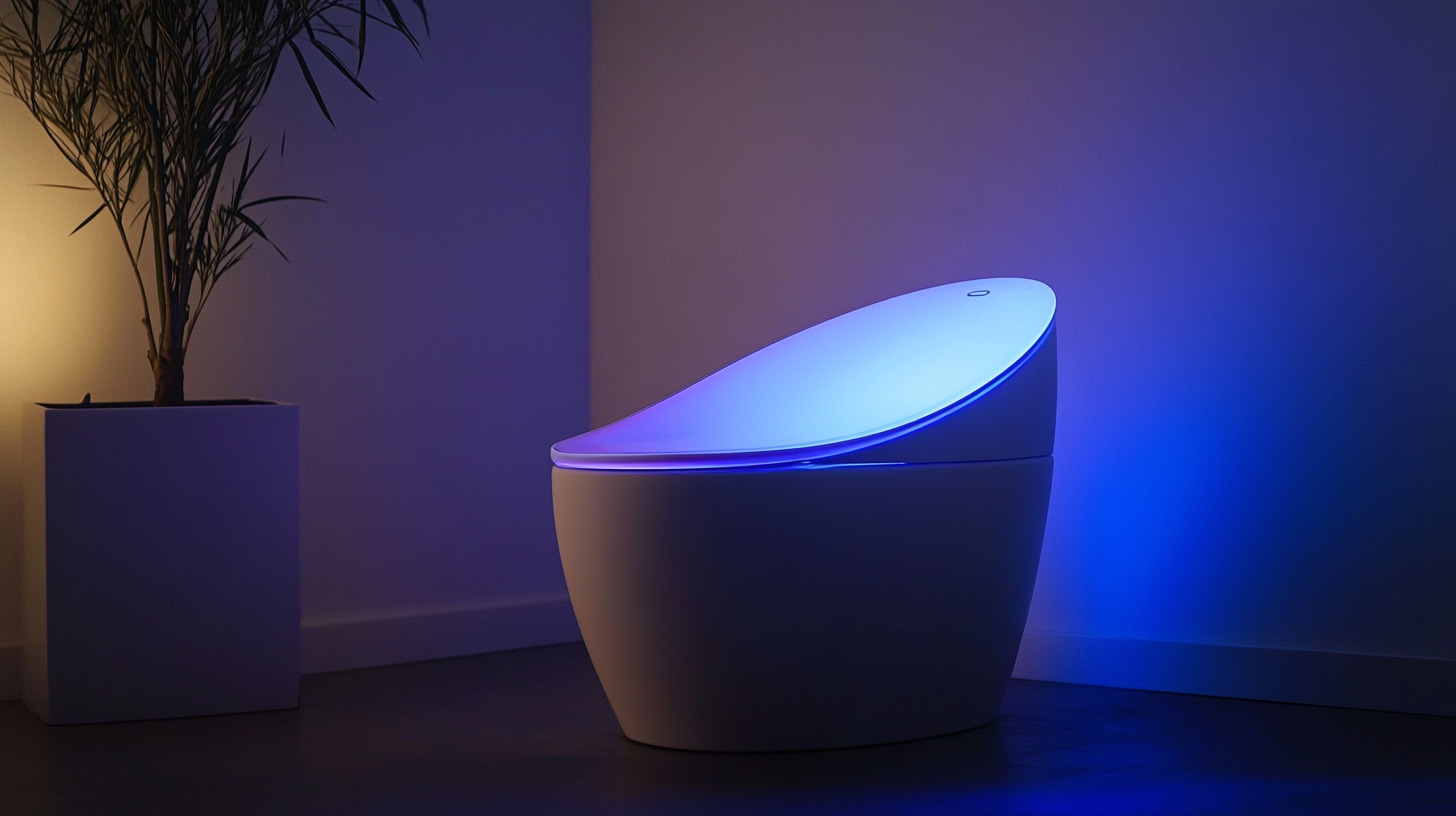
There is an evolution in smart toilet covers, with some exceptionally exciting technological advancements coming in and indeed within the year of 2025. The Internet of Things is one of those trends where the controlled management of a smart toilet is done with a smartphone or voice-activated device. This added convenience does well to conserve water, too, given that users can track the usage of their toilet and have smart flushing systems that adjust to their unique patterns. An alternative approach would be to integrate machine learning and AI algorithms with user's adaptation preference for experiences. For example, they will automatically learn optimum heated seat and bidet temperatures for maximum comfort. Another feature increasingly being incorporated is health monitoring, with some types now capable of scamming fecal matters to detect possible health problems and, finally, empowering users with knowledge regarding their health. Designs and materials are changing as well to adapt to the ever-evolving tastes of customers and their different needs in terms of aesthetics and functionality. Cutting-edge materials allow better hygiene and smoother cleaning, while elegant, modern designs widen their accessibility to many. As buyers become more conscious about their living environments globally, the perfect integration of technology and design will be a magnet to draw them in attention and growth for the market with this new innovation.
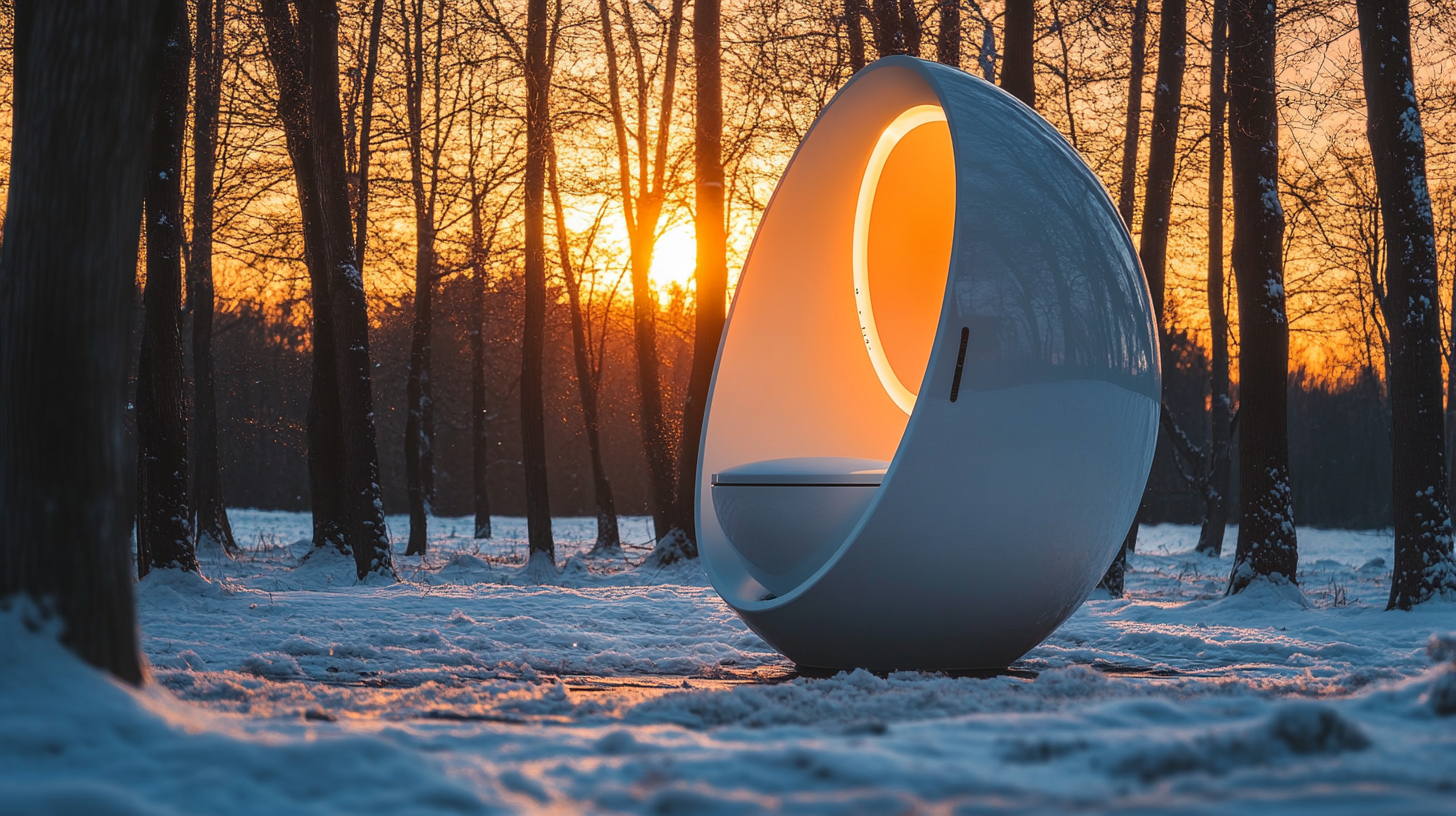
As the world moves toward sustainability, the toilet seat business is undergoing drastic changes. Eco-friendly innovations are showcased, with manufacturers choosing sustainable materials to minimize harm to the environment. Biodegradable plastic and natural fibers are becoming common choices so that toilet covers fulfill their purpose and also enhance the planet. These are called biodegradable materials since they decompose naturally, create less landfill waste, and lead to lower carbon footprints.
Not just about choice of material, innovative manufacturing processes are emerging to ensure sustainability. Some manufacturers, for instance, recycle discarded toilet seats and other plastic products into new designs. This circular approach saves resources and encourages consumers to recycle. Besides, such smart toilet covers are also integrated with energy-efficient technologies that greatly reduce water and energy consumption, thus appealing to the environmentally conscious consumer.
A new trend gathering the attention of buyers worldwide is the amalgamation of smart technology with sustainable design. Sensor-operated lids limit touch, while built-in water-saving flush systems accentuate the harmony between convenience and environmental care. The increasing demand for eco-friendly toilet covers coincides with the strong sustainability-beliefs of today's consumers. This change is symptomatic of a larger trend in the home improvement arena, in which consumers are increasingly buying products that correspond with their environmental beliefs.
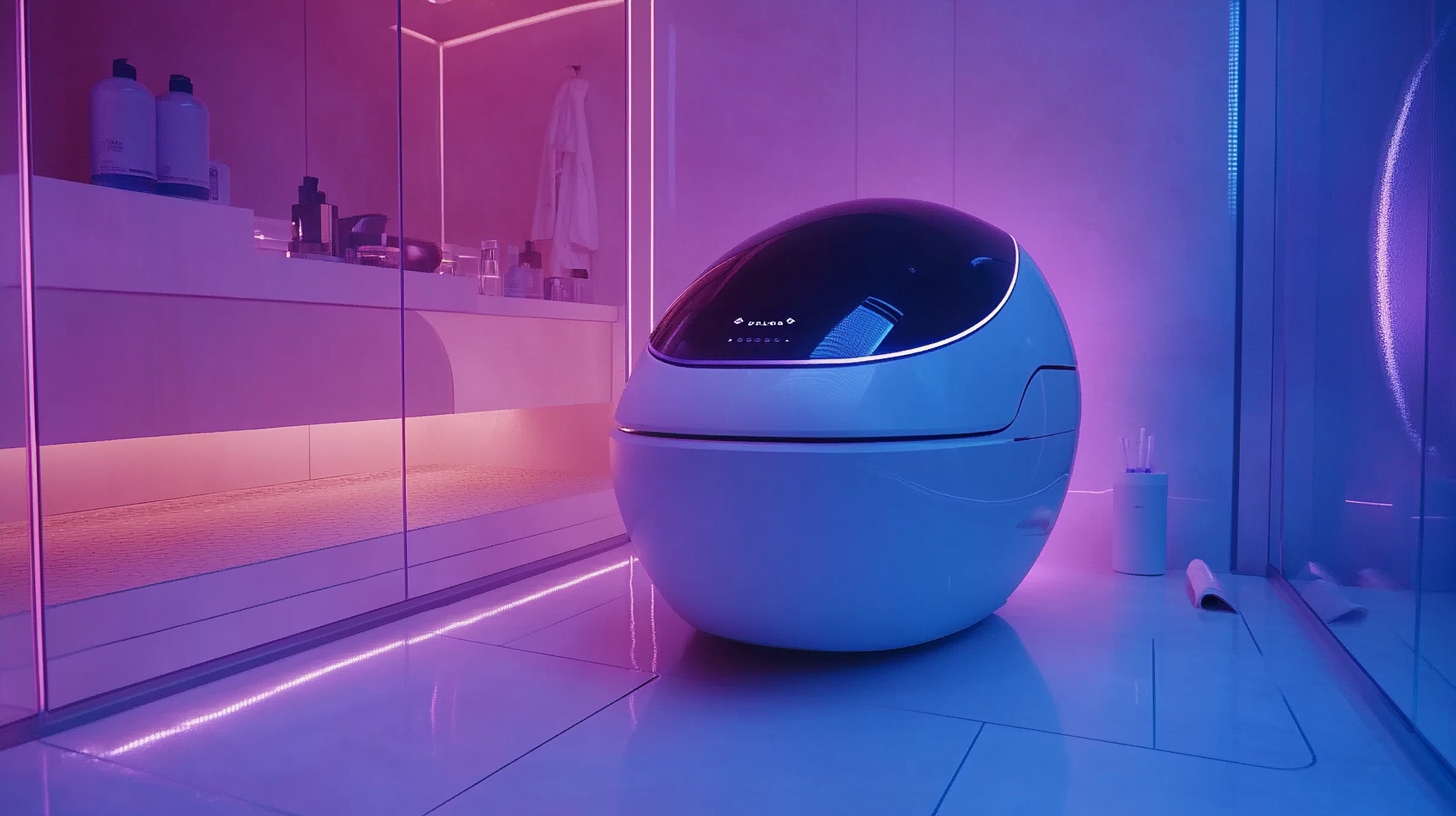
An intuitive design for the user is a primary driving engine for innovative technology in bathrooms today. It is at the heart of the smart toilet covers, which will see a boost in user-centric design in 2025. As users shift their preferences from appliance comfort towards functionality, manufacturers have begun to create new realities out of what was once considered traditional toilet experiences. The global smart toilet market will achieve a value of $1.2 billion, according to a recent report by Grand View Research. This growth is attributed to the increasing recognition of hygiene and high-tech bathroom fixtures.
User-centered design would be instrumental in bringing about this change. Heated toilet seats, integrated bidets, and even occupancy sensors are not just user comfort features; they also increase the product functionality. Results from a Statista survey show that 72 percent of consumers prioritize user-friendly technology in their home appliances; hence, the smart toilet cover industry will need to adapt to these expectations. That, ergonomic design can get brands effectively putting their names before the world.
From the previous launches of products, like the "toilet cover incident" a decade back, manufacturers are learning lessons that pave the way for a stronger structural and robust approach to product development. Quality control and user feedback in the design stages are emphasized during the creation of new products. As the brands shift to this user-centric paradigm, the smart toilet cover of 2025 will certainly prove to become a new benchmark in this sector of bathroom technology.

The advent of smart house technologies has changed the whole consumer aspect regarding household products-the smart toilet covers are no exceptions. According to a recently published report by Grand View Research, the international market for smart toilets is expected to surge past $4 billion by 2025, driven by world-leading innovations that herald seamless connectivity into commercially designed smart home ecosystems. In other words, it goes to proof that smart toilet covers will not just be available as an individual product but will stand to be a part of an entire range of products as part of a completely connected home.
The best hook for a global buyer is to show how these covers actually fit into the broader context of integration with home automation systems, enabling features like voice-enabled assistants, such as Amazon Alexa and Google Assistant, to give them control over the entire restroom environment while being highly gratifying for their users. They also indicate that research has shown that better than seven in ten homeowners are more likely to buy a product when they learn it integrates with their smart home devices, underscoring the importance of having such connectivity solutions intuitively and user-friendly.
Statista informs us that the number of connected smart devices in homes is projected to exceed 75 billion in 2025. Such figures will present a splendid opportunity to smart toilet cover manufacturers for emerging innovations that will enable intense interconnectivity, app-controlled features, remote diagnostics, and professional automated cleansing. Brands will be able to build unique value propositions that not only cater to but rather anticipate the needs of their technologically-inclined consumers for contemporary bathroom solutions with such advancements.
The future of the global marketplace for innovative smart toilet covers would, however, continue to evolve and change rapidly as diverse and looking developments in technology satisfy the consumption intending from its track between consumer groups. This will mean that the manufacturers will have to understand different cultural norms and individual needs as they develop products beyond 2025. This is simply because the preferences of consumers vary across many regions and will influence the purchase behavior of consumers. There are cultures, for example, that emphasize green or water-saving toilets over others that prefer high-end luxury features, advanced hygiene technology, and so on.
Learning about these differences between consumers in categories and regions calls for serious market research and deep engagement with target demographics. Having such custom-made features that allow users to set up systems or build into one setting's comfort level can bring enormous satisfaction in using the product by the user. Likewise, smart toilet covers that have health functions are fast becoming trendy, especially among health-savvy consumers. This is an intersection between technology and wellness, therefore portraying smart toilet covers often not merely as hygienic but also conjure services for preventive health care.
Then again, what might be the cornerstones of effective marketing are those which also describe specific selling positions worth thinking for variety of audiences. That will be case interestingly, for instance, sustainably for environmentally conscious buyers or high-tech functionalities for the inclined:favorably affecting how smart toilet covers do well, as they are added growing. It is the company's understanding of and ability to adapt to these differences in consumer preferences that will not only attract global buyers but will also help in winning the battle of continuity and growth in a competitive landscape.
As the smart toilet cover market continues to grow, regulatory considerations are becoming extremely important by not only ensuring safety but also compliance with any health standards. According to the Global Industry Analysts report, the world's smart toilet market is expected to be valued at $1.5 billion, spurred by increased hygiene and convenience demand among consumers, which will grow by 2025. However, manufacturers often have to navigate quite a complex regulatory landscape, resource-wise, with regard to electrical safety, standards on water conservation, and user health aspects, as these vary from region to region.
In North America, for example, the American National Standards Institute (ANSI) and the International Association of Plumbing and Mechanical Officials (IAPMO) have set stringent standards for smart toilet products. This includes certification of all electrical components and plumbing fixtures for safe use in both residential and commercial applications. In the same vein, CE marking in Europe is vital for compliance, as it proves that products satisfy the health, safety, and environmental protection norms that are minimum harmonized across member states. That is why understanding these regulations not only allows expansion but also reduces chances of losing markets to non-compliance.
Emerging markets also present unique challenges and opportunities. According to Technavio's report, between 2019 and 2025, the demand for smart toilet covers in Asia-Pacific can grow by 8% per year. Businesses should keep in mind that once buyers are interested in using these innovations, effective marketing also requires compliance with both local water consumption and sanitation standards to meet the regulatory requirements. There is an avenue for smoother market entry and acceptance by consumers ultimately resulting in increased sales in this innovative sector through local certification bodies and health authorities being engaged in early phases.
The advancing smart toilets cover sector in the way to 2025 is going to be more and more influenced, not only by technology but also by the marketers' strategies to engage global audiences. For brands to entice potential buyers into purchasing decisions, the brands really need to embrace an amalgamation of marketing strategies and carefully consider diverse cultural values and diverse hygiene standards from one area to another.
Ecological marketing is a good method to promote smart toilet covers. The brand can market water conservation, energy efficiency, and sustainable materials-oriented aspects of the smart toilet covers. In so doing, these companies can hopefully find a decent amount of traction from the sustainability movement through customers who are truly eco-conscious and thus really want products that support a healthy environment. Demonstrating the real-life use of the product and sharing customer testimonials via social media channels will improve credibility and attract interest among prospects.
And then interactive and immersive marketing? Using VR experiences or AR apps to help consumers picture the benefits of smart toilet covers in real-life settings would do wonders for consumer engagement. Such forms of engagement would serve more to create strong bonds with the product and foster curiosity. Influencers who naturally promote the benefits of these forms of products can help broaden the brand reach and credibility, thereby ensuring the brand message speaks to global buyers in a relatable way.
By the time we reach 2025, the market for smart toilet covers is set to witness skyrocketing growth with technology advancements and changing preferences by the consumers. A recent Allied Market Research report noted that the global smart toilet cover market will grow to $2.4 billion by 2025 at a CAGR of 15.5 percent from 2020. Increased awareness towards hygiene and sustainability, along with the growing aspiration of an innovative home automation solution, attributing hugely to the rise.
Future innovations on smart toilet covers are likely to focus on smart home integration. Standard features will be voice control, automated cleaning mechanisms, and health application connectivity. A report by Strategy Analytics reveals over 50% of customers interested in smart bathroom products integrated with metrics for health measurement through daily use. This, therefore, paves opportunities for manufacturers to move in the direction of building smart toilet covers capable of monitoring different health indicators with real-time feedback directly relayed to the users through smartphones.
Sustainability will, however, play a major factor in the emerging smart toilet covers. Demand for eco-friendly products is surging, and a Nielsen report shows that 66 percent of global consumers would pay extra for sustainable brands. Manufacturers will maximize the trend by integrating technology for water conservation or using biodegradable materials for their smart toilet covers. This alignment with environmentally conscious consumers will not only maximize sales opportunities but also contribute to building brand equity in an increasingly competitive environment.
In an innovative direction that leverages consumer preference trends toward a more connected and eco-friendly lifestyle, smart toilet covers in the future will include inventions that will be able to capture the market from a wider global audience in search of enhanced functionality and sustainability within their homes.
Key features of smart toilet covers include heated toilet seats, integrated bidets, and motion sensors, all of which cater to user comfort and enhance functionality.
The global smart toilet market is expected to reach $1.2 billion by 2025 due to increasing awareness of hygiene and rising demand for high-tech bathroom fixtures.
User-centric design is crucial as it focuses on ergonomic designs that meet diverse user needs while ensuring products are user-friendly and cater to consumer preferences for comfort and functionality.
Manufacturers must adhere to safety and health standards, including electrical safety certifications in North America (ANSI and IAPMO) and CE marking in Europe, to ensure compliance in their respective markets.
Emerging markets, particularly in the Asia-Pacific region, present both challenges and opportunities, as manufacturers must adapt to local regulations regarding water usage and sanitation standards to meet consumer demands.
Effective marketing strategies include highlighting eco-friendly features, utilizing social media for user testimonials, and employing interactive technologies like virtual or augmented reality to engage consumers.
User feedback is essential for quality control and ensuring that new product releases align with market demands, which helps avoid issues experienced in past product launches.
Brands can appeal to environmentally conscious consumers by emphasizing water conservation, energy efficiency, and the use of sustainable materials in their smart toilet cover offerings.
Collaborating with influencers can help brands authentically demonstrate the benefits of smart toilet covers, extending their reach and enhancing credibility among potential buyers.
The demand for smart toilet covers is driven by changing consumer preferences towards hygiene, convenience, and comfort, leading to a preference for high-tech and user-friendly bathroom solutions.