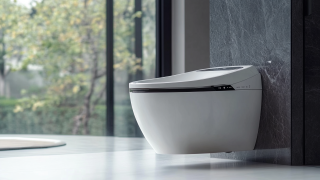
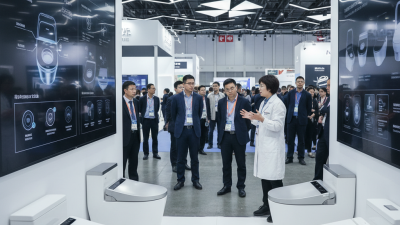
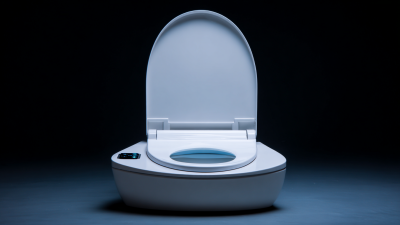
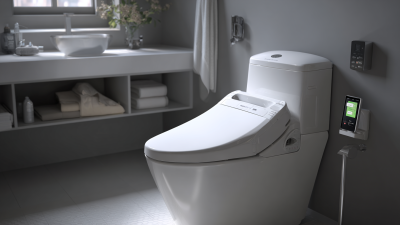
As more folks start to get into home automation, the Smart Toilet Seatindustry is really picking up speed. Experts like Dr. Emily Chen, who's a top researcher at Bathroom Innovations, say these new innovations are pretty important. She mentions that "Smart Toilet Seats aren’t just about luxury – they boost comfort and hygiene, totally changing the bathroom game."
Lately, we’ve seen all kinds of cool features pop up in smart toilet seats. Things like heated seats, automatic lids, and built-in bidet functions are pretty much becoming the norm now. These upgrades don’t just make life easier; they also help you keep things cleaner and more hygienic. That said, some people might feel like all these fancy features are a bit much or confusing to use at first.
The market’s pretty crowded with different options, and not every product you see lives up to its hype. So, it’s really important to do some homework before you buy. Finding the right balance between all the fancy new tech and making sure it’s user-friendly is still a big challenge for many makers. As this industry keeps growing, hearing from everyday users is going to be super helpful for shaping what comes next.
Smart Toilet Seat Overview: Features and Benefits
The world of bathroom technology is evolving rapidly. Smart toilet seats now offer various features designed to enhance comfort and hygiene. With an estimated market growth of 22% annually, these innovations are gaining traction among consumers globally. The integration of bidet functions, heated seats, and self-cleaning capabilities makes the Toilet Smart Seat a compelling choice for many households.
One remarkable feature is the use of sensors that provide personalized settings. From water temperature to pressure, users can customize their experience. According to industry reports, the demand for these features correlates with an increase in health consciousness. The automated cleaning functions reduce the need for harsh chemicals, aligning with eco-friendly trends. However, potential issues include dependency on technology and repair costs, which can be high.
Moreover, connectivity options such as app controls are becoming standard. Users can adjust settings remotely, enhancing convenience. While this improves accessibility, it also raises questions about data privacy. As manufacturers explore new innovations, ongoing consumer feedback will shape future designs. The balance between smart features and user experience remains a key consideration for the market.
Key Innovations in Smart Toilet Seat Technology
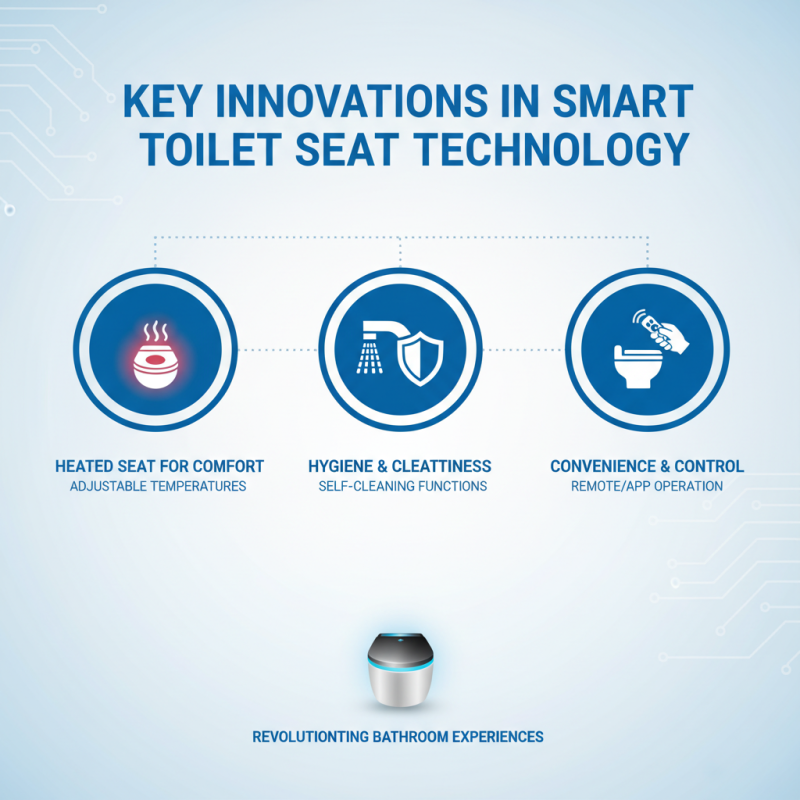
Smart toilet seats are revolutionizing bathroom experiences globally. Innovations in their technology cater to comfort, hygiene, and convenience. One notable feature is the heated seat. This simple addition enhances comfort, especially during cold seasons. Many designs offer adjustable temperature settings, catering to individual preferences.
Another significant advancement is the integration of bidet functionalities. Users can now enjoy customizable water pressure and temperature. This improvement provides a more hygienic alternative to traditional toilet paper. Moreover, some models come equipped with air dryers and automatic deodorization. These features greatly enhance cleanliness and user satisfaction.
Despite these advancements, some users may find the technology overwhelming. The learning curve can be steep for those unfamiliar with smart devices. Additionally, maintenance and potential technical issues raise concerns about reliability. While these innovations provide enhanced convenience, a degree of caution is warranted. Users should consider their personal preferences carefully before embracing this technology fully.
Global Market Trends for Smart Toilet Seats
The global market for smart toilet seats has seen remarkable growth. Reports show an estimated CAGR of over 15% from 2023 to 2030. This growth is driven by rising awareness of hygiene and comfort. Many buyers are looking for features like bidet functionalities, automatic cleaning, and, particularly, the Smart Toilet With Heated Seat—which promises a more luxurious experience.
Emerging trends indicate a shift toward smart technology integration in restroom appliances. A significant number of consumers are prioritizing energy-efficient designs. Smart toilets equipped with sensors can help conserve water. This aligns with sustainability goals worldwide, but it's worth questioning the actual energy savings versus higher purchase prices.
Additionally, user feedback reveals varying levels of satisfaction. Some find smart toilets to be overly complex for everyday use. Others appreciate the convenience they offer. However, certain features, like remote controls, can lead to confusion. Manufacturers must address these concerns to enhance user experience. Balancing advanced technology with ease of use is crucial for future innovations.
Global Market Trends for Smart Toilet Seat Innovations
Eco-Friendly Innovations in Smart Toilet Seat Designs
Smart toilet seats are evolving, focusing on eco-friendly designs. Many innovations aim to reduce water usage and enhance comfort. One notable feature is the adjustable water temperature. This ensures a pleasant experience while using less energy. Moreover, self-cleaning options utilize less water and eliminate the need for harsh chemicals.
Tips: Look for models with dual flush options. These allow users to choose between different water volumes. This small switch can lead to significant water savings. Consider selecting seats made from sustainable materials. Plastic alternatives can minimize environmental impact.
Some designs incorporate energy-saving modes. They activate when in use and power down when not. While these features enhance efficiency, they may not always respond perfectly. You might find them slow to activate or overly sensitive. It’s essential to balance efficiency with usability, ensuring comfort and convenience remain priorities.
User-Centric Features: Enhancing Convenience and Comfort
Smart toilet seats are revolutionizing personal hygiene. User-centric features make them stand out. Heated seats, for instance, provide warmth during chilly mornings. Many models adjust temperature settings based on user preferences, offering a tailored experience. This level of personalization enhances comfort and encourages regular use.
Another popular feature is the adjustable water spray. It allows users to choose spray strength and position. This customization boosts hygiene while reducing the need for excessive toilet paper. Additionally, some units come equipped with air dryers. These dryers offer convenience and leave users feeling refreshed and clean.
However, some users may find the learning curve challenging. The various settings can overwhelm new users. Also, smart features may require reliable internet connectivity. In areas with unstable connections, this could be inconvenient. Despite these drawbacks, the integration of smart technology into toilet seats presents an innovative leap in bathroom design. Ultimately, the benefits often outweigh the potential hurdles, encouraging a more comfortable experience.
Comparative Analysis of Leading Smart Toilet Seat Brands
When evaluating smart toilet seat brands, it's crucial to understand their unique features. Some focus on user comfort with heated seats and adjustable water temperatures. Others integrate sophisticated cleansing systems that promise hygiene and ease. Those features matter greatly, as many users seek alternatives to traditional toilets.
Durability and reliability also emerge as key factors. Some brands may offer innovative designs but fall short in longevity. User reviews often reveal mixed experiences regarding installation processes and ongoing maintenance. It's essential to consider these insights from other consumers to make informed choices about which features truly enhance the user experience.
Many models bring advanced technology into the bathroom, including automatic lid opening and personalized settings. However, not all smart functionalities work seamlessly for every user. Some systems might not integrate well with existing plumbing. This can lead to additional costs and frustrations. Investigating comparative analyses can uncover the strengths and weaknesses of each model, providing a clearer path for potential buyers.
Future Directions in Smart Toilet Seat Development
The future of smart toilet seat technology is promising. Innovations aim to enhance user experience and sustainability. Smart Toilet Seat Covers now integrate advanced features like water-saving options and self-cleaning mechanisms. Many designs employ eco-friendly materials, which is crucial for global buyers focused on sustainability.
Emerging trends also focus on health monitoring. Some smart toilet seats can analyze user data, such as hydration levels and dietary habits. This data helps users make informed lifestyle choices. However, privacy concerns may arise, requiring manufacturers to address data security. Balancing user comfort and safety is a challenge.
Moreover, aesthetic design plays a significant role. Many consumers seek units that complement their bathroom decor. Smart toilet seat covers should blend functionality with style. As manufacturers innovate, flexibility in design and features is essential. This adaptability fosters a market that can cater to diverse consumer needs while ensuring reliability.
Elevate Your Driving Experience: The Benefits of the W301 Portable USB Rechargeable Smart Car Air Freshener
Elevate your driving experience with a cutting-edge portable air freshener that redefines comfort on the road. This innovative car aroma diffuser is crafted from aviation-grade aluminum alloy, ensuring unparalleled durability for all your journeys. Capable of withstanding high temperatures and resistant to cracking, it's a sturdy companion that combines both functionality and style. Not just a fragrance dispenser, this versatile device also doubles as a humidifier, utilizing advanced ultrasonic technology to emit micron-sized water mists that purify the air in your vehicle. This feature is particularly beneficial for keeping the air fresh and clean, especially during longer drives.
What sets this air freshener apart is its ability to transform with the addition of your favorite essential oils. With three adjustable intensity levels, you can easily customize the fragrance strength to match your mood—whether you prefer a gentle hint of freshness or a more robust aroma that envelops you. The built-in RGB breathing lights cycle through seven vibrant colors, creating an inviting atmosphere that enhances every ride. Moreover, its intelligent auto-sensing capabilities offer convenience as it powers on automatically when you enter the vehicle and shuts down when you leave, ensuring an energy-efficient and seamless driving experience. Make every journey not just a drive, but a delightful escape into a world of refreshing scents and soothing ambiance.
FAQS
: The market is expected to grow at a CAGR of over 15% from 2023 to 2030.
Buyers often seek bidet functions, automatic cleaning, and heated seats for added comfort.
Many smart toilets have sensors that conserve water, supporting global sustainability efforts.
Some users find them overly complex, while others enjoy their convenience and features.
Health monitoring can provide useful data, but privacy and data security issues may arise.
Many consumers desire units that match their bathroom decor, blending style and functionality.
Remote controls and advanced features can confuse some users, impacting their satisfaction.
Yes, many manufacturers focus on using eco-friendly materials due to sustainability demands.
Balancing advanced technology with user comfort and ease of use is crucial for success.
Many question whether higher prices lead to actual energy savings and satisfied needs.
Conclusion
In recent years, the Smart Toilet Seat has emerged as a transformative innovation in bathroom technology, offering a blend of comfort, convenience, and hygiene. These advanced toilet seats feature various enhancements, including heated seats, adjustable water temperature, and self-cleaning functions, catering to user preferences while promoting a more pleasant bathroom experience. The global market for smart toilet seats is growing, driven by increased awareness of personal hygiene and sustainability, with eco-friendly designs gaining popularity for their water-saving capabilities.
Key innovations in Smart Toilet Seat technology also focus on user-centric designs that prioritize comfort and accessibility for all users. As the industry evolves, there is a marked trend towards integrating smart home functionalities, enabling users to control their toilet seat through mobile apps or voice-activated systems. The comparative analysis of leading brands reveals a spectrum of options, each contributing to the future of smart bathroom solutions. With ongoing advancements, the Smart Toilet Seat continues to redefine modern sanitation, emphasizing innovation and sustainability.



 Bathroom Application
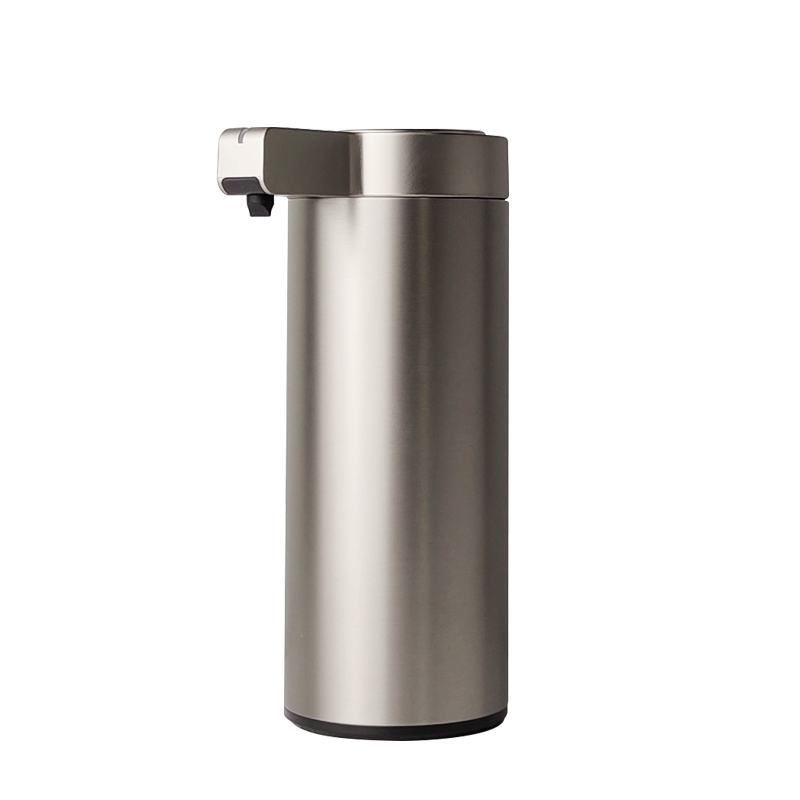 Automatic Soap Dispenser
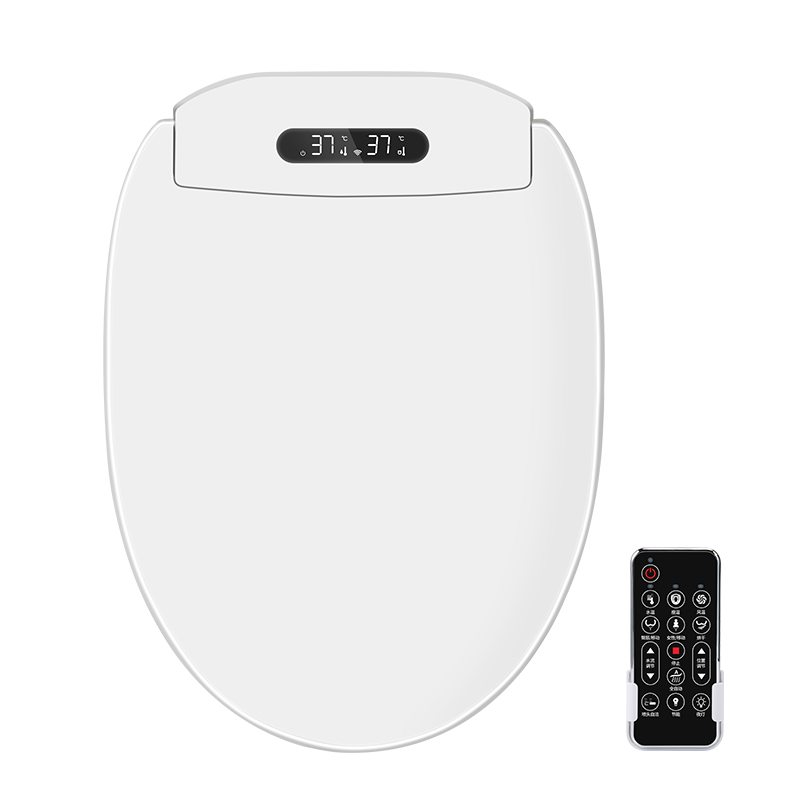 Smart Toilet Seat
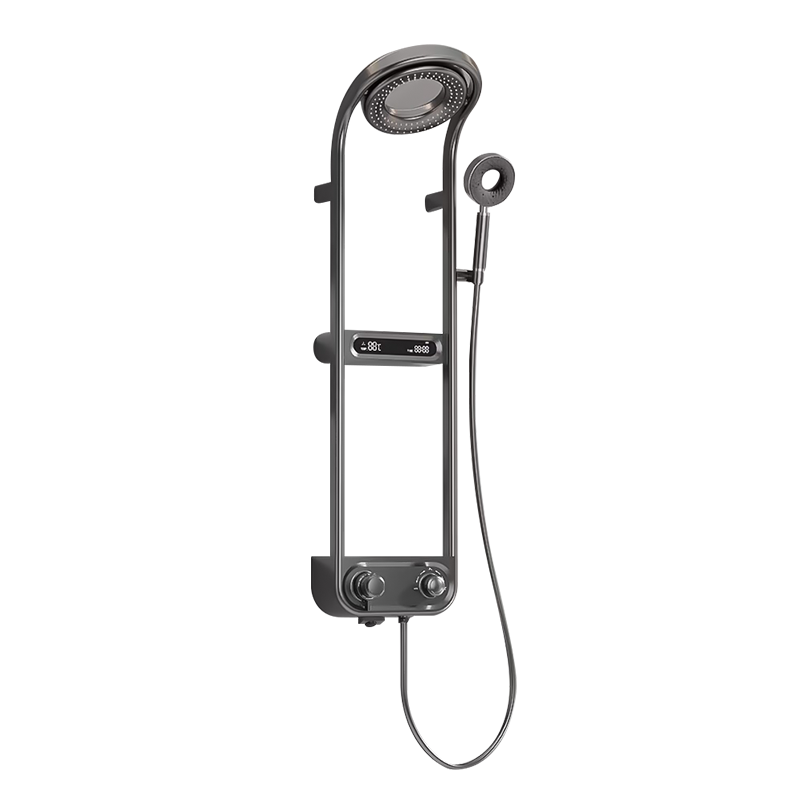 Shower Set
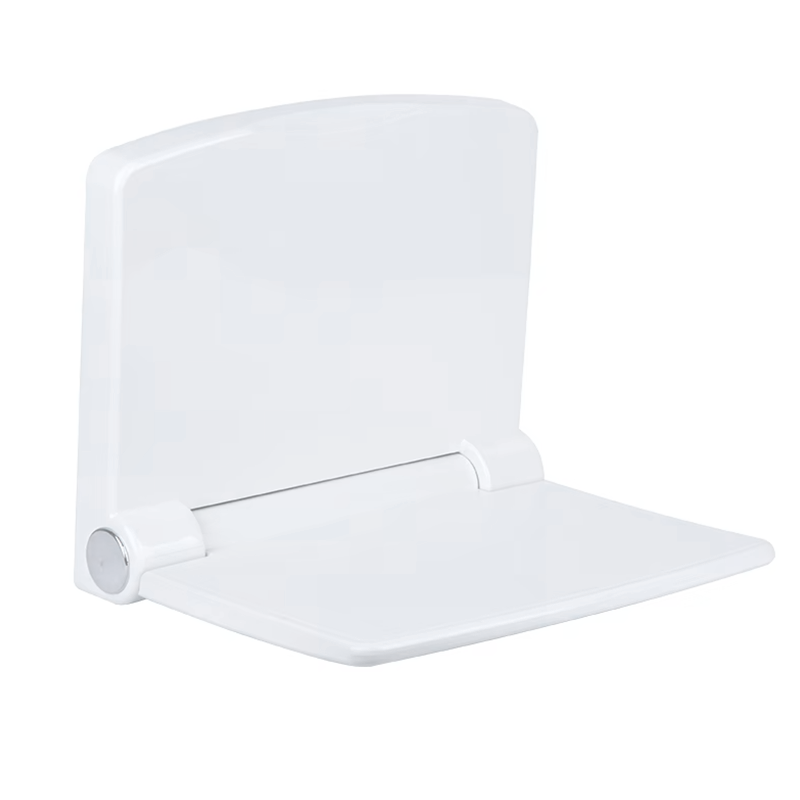 Shower Seat
 kitchen Application
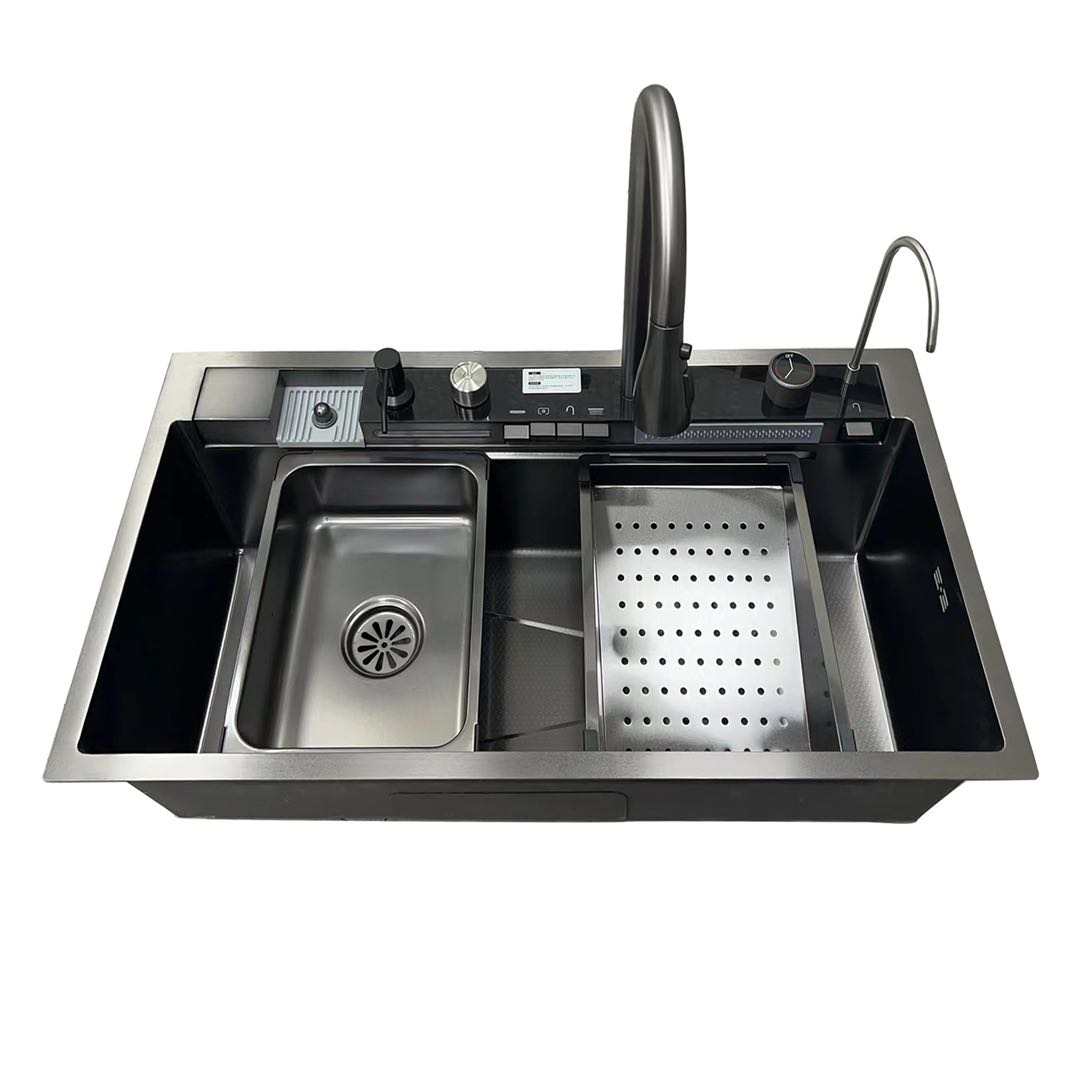 Kitchen Sink
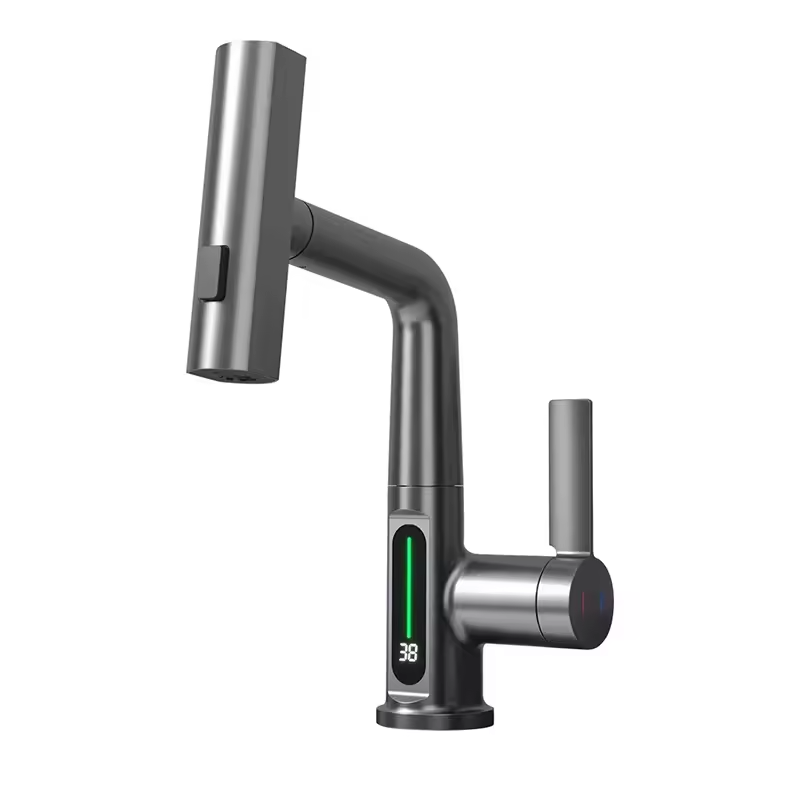 Kitchen Faucet
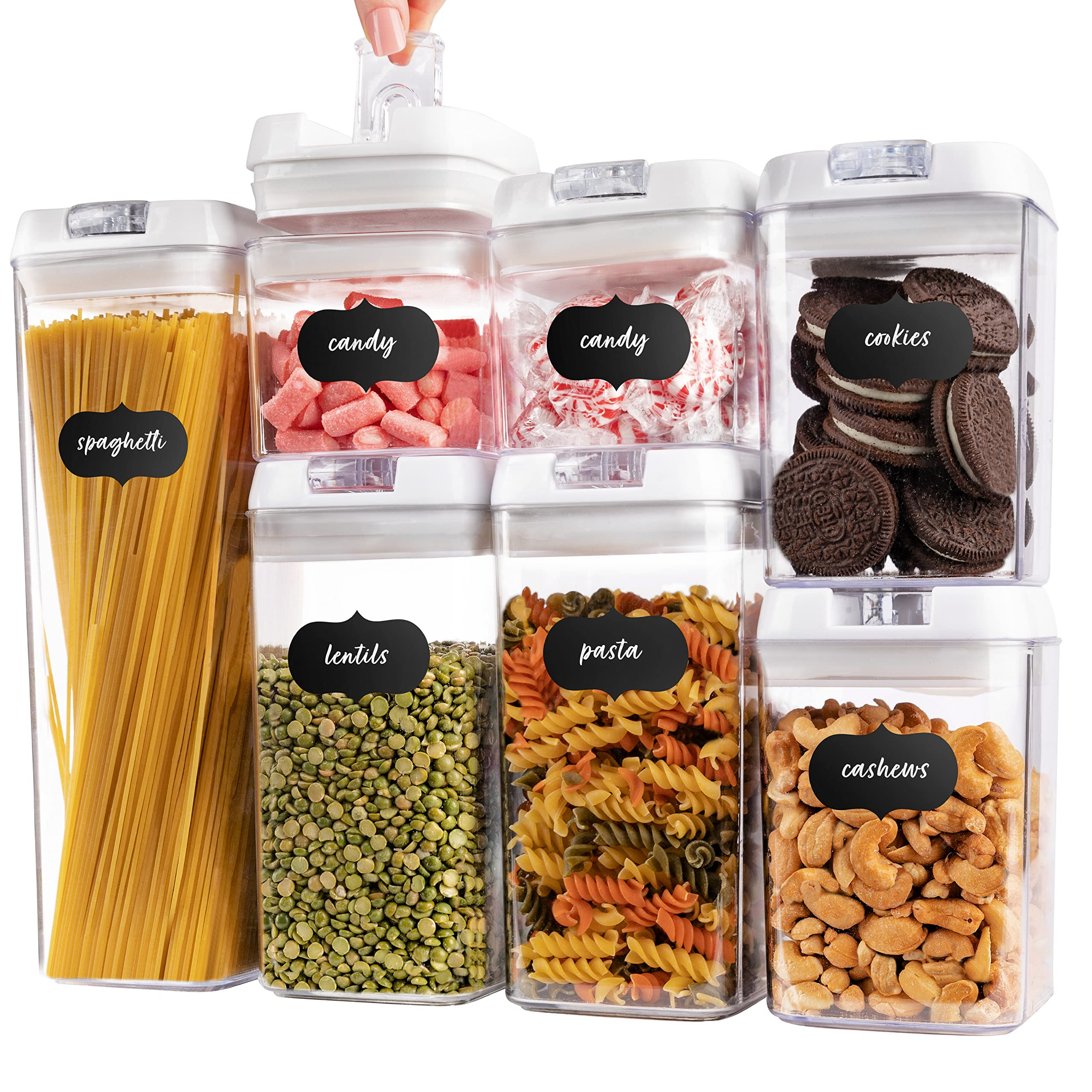 Kitchen Storage
 Home Appliance
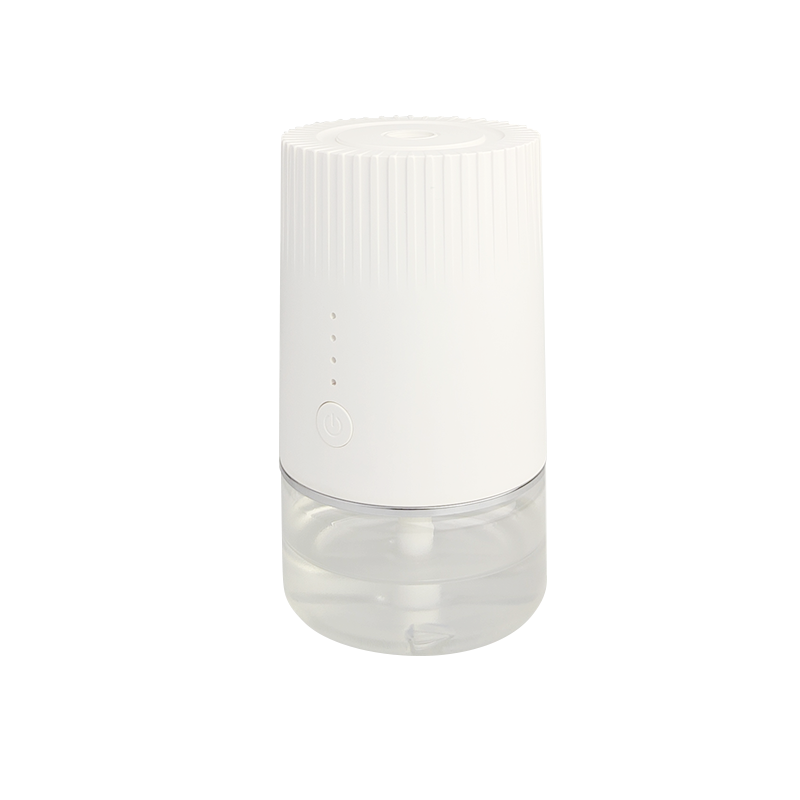 Aroma Diffuser
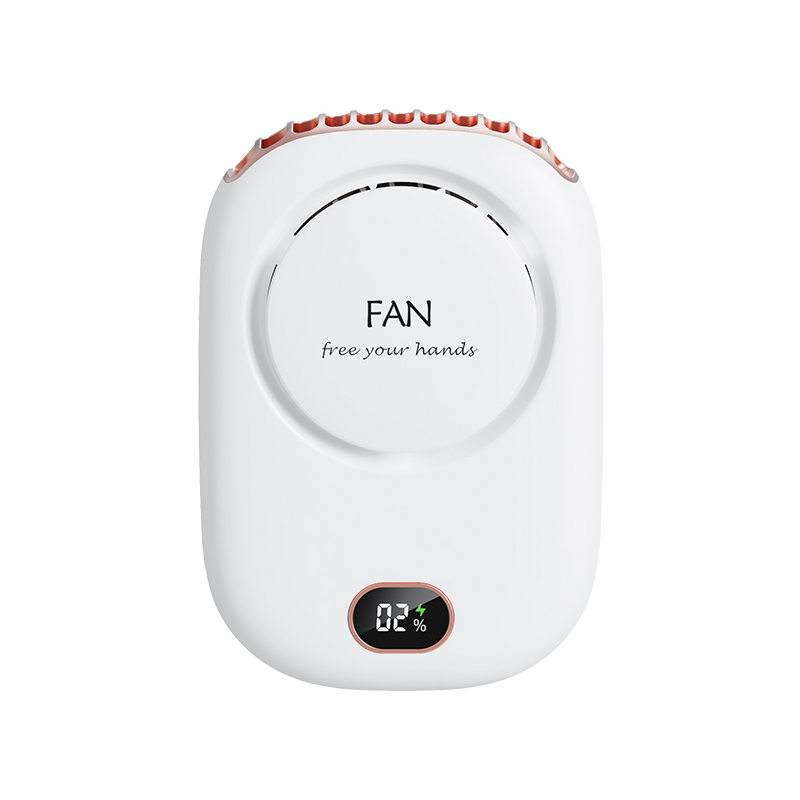 Fans
 Night Vision Monocular
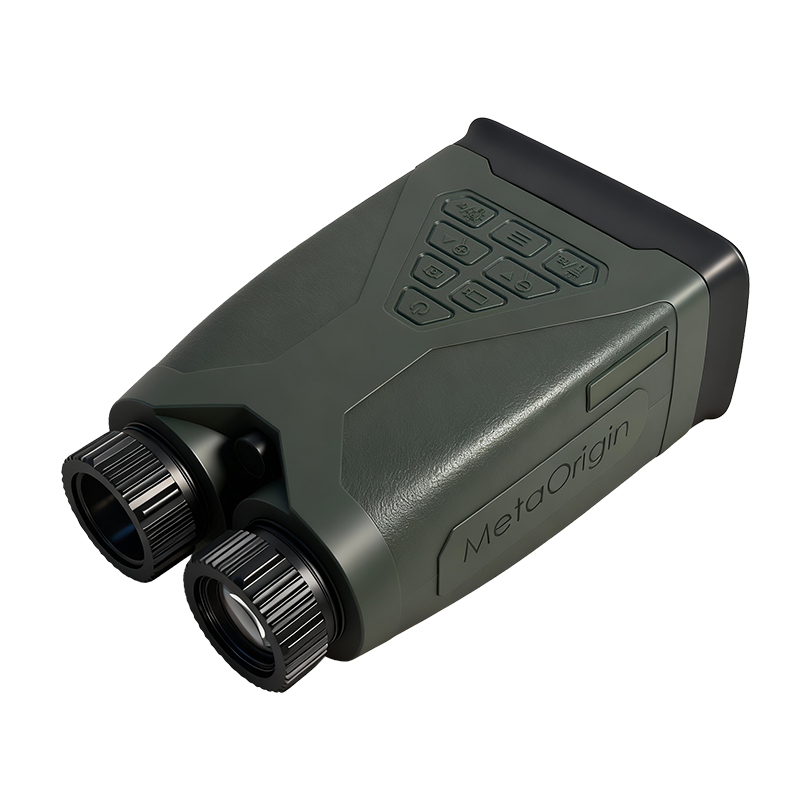 Night Vision Binoculars