Lately, you've probably noticed that Liquid Soap Dispensers have been flying off the shelves worldwide. I was chatting with Mark Thompson from CleanTech Innovations, and he put it pretty well: "Choosing the right Liquid Soap Dispenser isn't just about hygiene — it totally changes the whole user experience." That really hits home because picking the best dispenser is key to keeping hands clean and happy.
China has become a major player when it comes to making these dispensers. With so many options out there, it can be pretty overwhelming for buyers around the globe. Some products are great, others not so much, and the prices really vary. It's no wonder folks often get stuck trying to figure out what really meets their standards — the industry’s pretty complex! The tricky part is telling apart the high-quality stuff from the cheaper, less reliable options.
Even though the market’s full of new ideas and innovations, not every dispenser stands the test of time or is easy to use. Ideally, a good Liquid Soap Dispenser should work consistently and look good too. Knowing what to look for in terms of quality really helps buyers make smarter choices. And hey, exploring options like Liquid Soap For Soap Dispenser could totally up your hygiene game. In this fast-changing scene, making informed decisions can make all the difference.
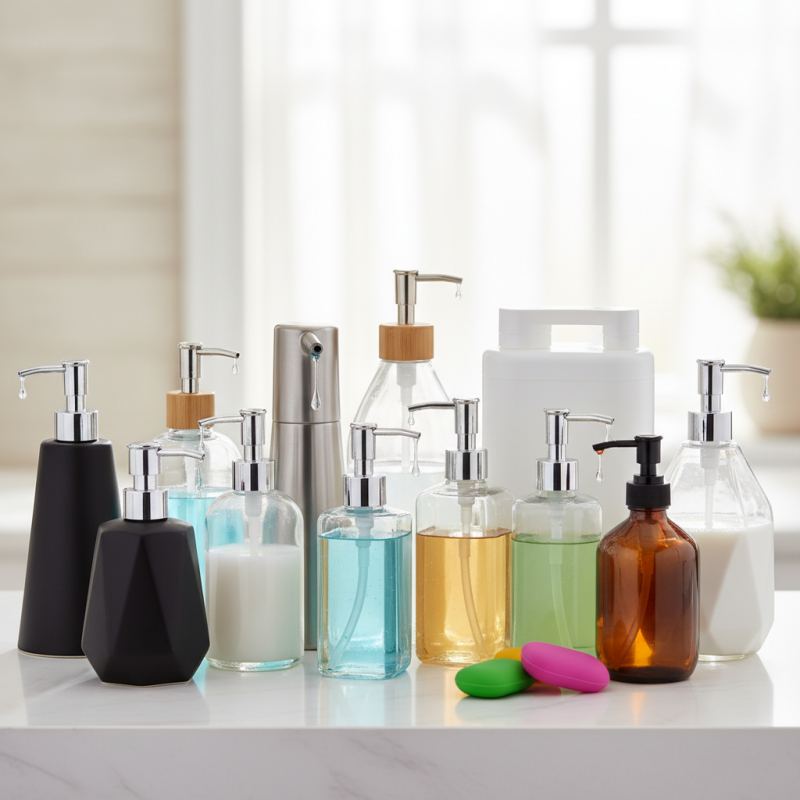
Top Trends in Liquid Soap Dispenser Design Influencing Chinese Market
In recent years, the design of liquid soap dispensers in China has experienced significant transformation. One notable trend is the emphasis on sustainability. Dispensers made from recycled materials are becoming popular. Consumers are increasingly aware of their environmental impact. This has led to solid demand for eco-friendly products.
Aesthetic appeal is also shaping the market. Minimalist designs with sleek finishes attract modern buyers. Colors like matte black and soft pastels are trending. These choices make products suitable for various interior styles. However, manufacturers must ensure that functionality matches form. There can be challenges in balancing elegance with usability.
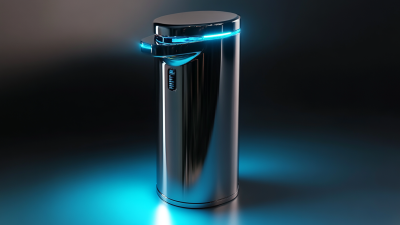
Innovative features are emerging too. Touchless dispensers are gaining traction due to hygiene concerns. Yet, some users find them less reliable than traditional ones. It raises questions about technology in everyday products. As trends evolve, the industry must navigate consumer expectations carefully. Manufacturers need to reflect and adapt continuously. There’s a fine line between innovation and practicality, and finding that balance is vital.
Comparison of Automatic vs. Manual Liquid Soap Dispensers in China
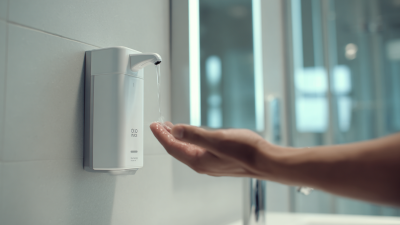
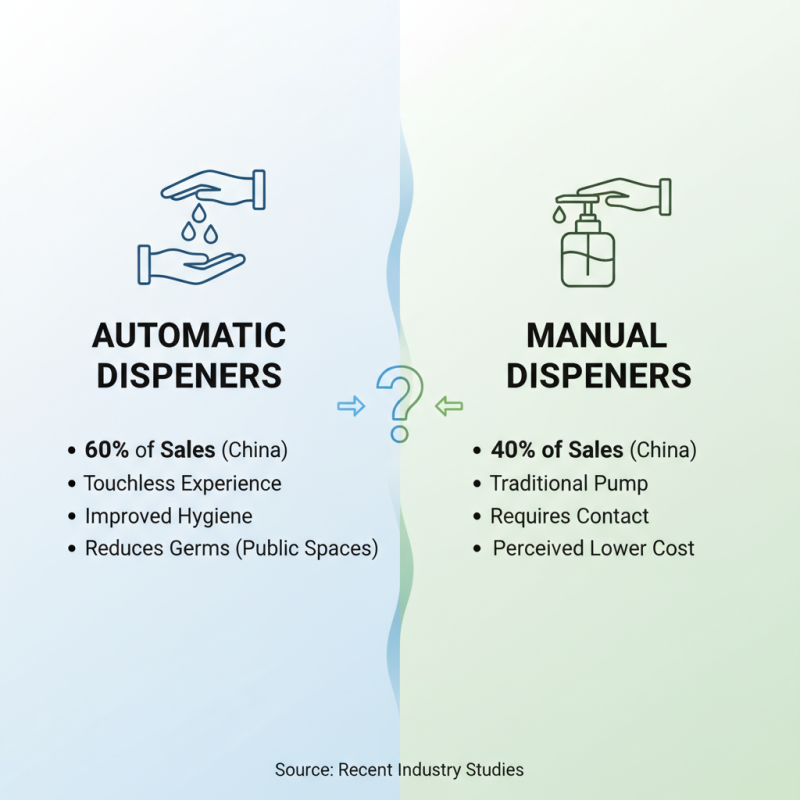
In the competitive market of liquid soap dispensers in China, choosing between automatic and manual models can be challenging for global buyers. According to recent industry studies, automatic dispensers are gaining popularity, accounting for about 60% of sales. They offer a touchless experience, promoting better hygiene. Many consumers report that these dispensers reduce the spread of germs, especially in public restrooms and healthcare facilities.
However, manual dispensers still maintain a significant presence in this market. They are often more affordable and easier to maintain. A survey found that 35% of users prefer manual models for their reliability and simplicity. Many buyers express concerns about the durability of automatic mechanisms and the need for batteries, which can lead to increased operational costs.
Furthermore, Liquid Soap For Automatic Soap Dispensers needs to be formulated specifically for these devices. Not all soap types function well in automatic dispensers, potentially causing clogs or malfunctions. Thus, buyers must consider compatibility when selecting liquid soap. Both types of dispensers have their merits, and the best choice depends on specific user needs and settings.
Market Share Data for Leading Liquid Soap Dispenser Brands in China
The Liquid Soap Dispenser market in China has shown significant growth in recent years. As hygiene becomes a priority, consumers are increasingly interested in efficient dispensing solutions. Data indicates that certain brands dominate this competitive landscape. Their shared market presence highlights a steady rise in demand for reliable liquid soap dispensers.
With consumer preferences shifting toward multifunctional designs, brands are adapting. The increasing popularity of touchless dispensers illustrates this trend. However, it’s essential to note not all brands achieve high user satisfaction. Some models struggle with durability, while others may not dispense soap accurately. This inconsistency raises concerns about quality control.
Market share data reveals that innovation drives brand performance in this sector. Many companies are investing in research and development. Yet, some still rely heavily on outdated designs. Buyers should cautiously assess their options. A well-chosen liquid soap dispenser can enhance both hygiene and user experience. This awareness encourages informed purchasing decisions among global buyers.
Consumer Preferences: Style, Functionality, and Sustainability in Dispensers
Liquid soap dispensers are increasingly popular among consumers in China, driven by a demand for style, functionality, and sustainability. Research indicates that over 50% of buyers prioritize aesthetic appeal. They look for designs that complement their home décor. Consumers are also focused on functionality. Dispensers that prevent waste and ensure easy use are favored. A report from the China Household Chemical Industry Association states that 65% of users desire dispensers with a pump mechanism for better control.
Sustainability is another key factor. Studies show that 70% of millennials consider eco-friendly materials when choosing a dispenser. Biodegradable plastics and recycled materials are gaining traction in the market. Brands that highlight their commitment to sustainability often see improved sales. However, the challenge remains. Many products still fall short of true sustainability standards. It’s crucial for consumers to research the materials used in their chosen dispensers.
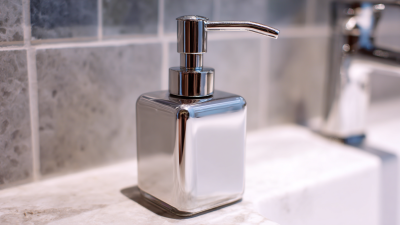
Tips for selection: Look for dispensers made from stainless steel or recycled plastics. These materials not only last longer but are also less harmful to the environment. Consider ease of refilling, as dispensers that are difficult to refill may lead to frustration. Balance functionality with aesthetics; a beautiful dispenser should also serve its purpose effectively. Aim for products that align with both your personal values and practical needs.
Impact of E-commerce on Liquid Soap Dispenser Sales in China
E-commerce has drastically transformed the way liquid soap dispensers are sold in China. Online platforms enable consumers to easily compare prices and features. This convenience has led to increased competition among sellers. However, not every brand can maintain quality while competing on price. Many online shoppers are driven by affordability, which can compromise durability.
Additionally, the rise of social media influences purchasing decisions. Attractive advertisements can generate interest, but they may not always represent the actual product. Customers sometimes receive items that differ from expectations. Negative reviews can quickly tarnish a seller's reputation. It's essential for buyers to investigate thoroughly before making a purchase.
Moreover, logistics play a critical role in the e-commerce landscape. Fast delivery times raise customer expectations. However, the quality of shipping can vary widely. In some cases, liquid soap dispensers arrive damaged, impacting satisfaction. This inconsistency highlights the need for improved supply chain management in the e-commerce space. Despite the surge in online shopping, these issues warrant careful consideration for both buyers and sellers.
Top 10 Liquid Soap Dispensers in China for Global Buyers
| Rank | Type | Material | Capacity (ml) | Price (CNY) | E-commerce Sales Growth (%) |
| 1 | Countertop | Plastic | 300 | 75 | 30 |
| 2 | Wall-mounted | Stainless Steel | 500 | 120 | 45 |
| 3 | Automatic | ABS Plastic | 400 | 150 | 60 |
| 4 | Travel | Bamboo | 100 | 30 | 20 |
| 5 | Household | Glass | 250 | 85 | 25 |
| 6 | High-capacity | Plastic | 1000 | 200 | 50 |
| 7 | Luxury | Ceramic | 300 | 300 | 70 |
| 8 | Kids | Plastic | 200 | 55 | 35 |
| 9 | Eco-friendly | Recycled Plastic | 300 | 85 | 40 |
| 10 | Smart | ABS | 350 | 180 | 55 |
Emerging Technologies in Liquid Soap Dispensing Systems
The evolution of liquid soap dispensing systems is remarkable. Emerging technologies focus on convenience and hygiene. Automatic Liquid Soap Dispensers are a significant advancement in this field. They minimize contact, reducing the spread of germs. Many models now integrate sensors for touchless operation, making them ideal for public spaces.
Selecting the right dispenser is crucial. Consider materials that resist corrosion and can endure high usage. Look for designs that complement various environments, from homes to offices. Some dispensers offer refillable options, promoting sustainability. Others feature transparent windows to monitor soap levels easily.
Tips: Always check for ease of installation. A complicated setup can lead to frustration. Test different brands for performance and reliability. Choose a dispenser that suits your needs and style. Exploring various options can lead to better choices. Remember, the best dispenser fits seamlessly into your routine.
Regulatory Standards for Liquid Soap Dispensers in the Chinese Market
In the Chinese market, regulatory standards for liquid soap dispensers are crucial for safety and quality. Manufacturers must comply with strict guidelines. These guidelines ensure that materials used are safe and non-toxic. Testing for durability and reliability is also essential. This helps prevent leaks and ensures longevity, particularly for items like the Wall Liquid Soap Dispenser.
Quality control processes are implemented to maintain regulatory compliance. Regular inspections and certifications are necessary. These steps increase consumer trust in the product’s safety. Yet, some manufacturers may overlook certain aspects, such as raw material sourcing. This raises concerns about overall product integrity.
Consumer awareness plays a significant role in shaping market demands. Buyers are becoming more discerning. They seek products that meet both safety regulations and consumer preferences. Despite regulations, gaps still exist in understanding the full spectrum of compliance. Manufacturers must strive for transparency and communicate their adherence to standards effectively.
Maximizing Hygiene and Efficiency: Insights from Industry Reports on the AYZD-SD022 Stainless Steel Touchless Automatic Foam Soap Dispenser
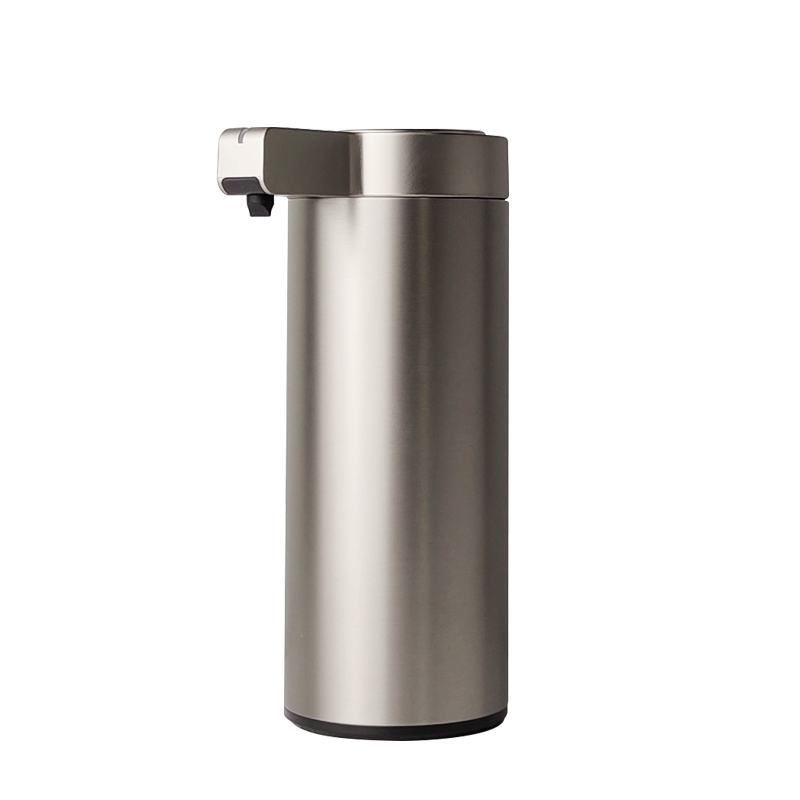
The AYZD-SD022 stainless steel touchless automatic Foam Soap Dispenser exemplifies a leap forward in hygiene and efficiency, as highlighted by recent industry reports. With a high precision infrared sensor, this dispenser activates and dispenses soap in just 0.25 seconds, ensuring a seamless user experience that minimizes contact and helps prevent the spread of germs. Reports indicate that touchless technology has become increasingly crucial in public spaces, especially in the wake of heightened hygiene awareness, where a significant reduction in germ transfer is observed compared to traditional dispensers.
The elegant matte white shell, crafted from durable stainless steel, not only enhances any bathroom or kitchen décor but also withstands the rigors of daily use. Industry research has shown that consumers prioritize both aesthetics and functionality in their choices of hygiene products, making designs like that of the AYZD-SD022 a popular choice. The integration of touchless technology in commercial settings can lead to up to a 40% decrease in soap consumption, aligning with sustainability goals while maintaining cleanliness and efficiency.
Additionally, the automatic nature of the dispenser means less waste and a more efficient overall operation. According to studies, facilities that adopt touchless dispensers report lower maintenance costs and increased satisfaction among users, underscoring the importance of investing in innovative solutions that not only meet hygiene standards but also improve the overall user experience.
FAQS
: Sustainability is a significant trend. Recycled materials are gaining popularity. Consumers care more about their environmental impact.
Minimalist designs are popular. Sleek finishes and trending colors attract buyers. Functionality must match aesthetic appeal for success.
Touchless dispensers are in demand due to hygiene. However, some users find them less reliable than traditional models.
The industry must address evolving consumer expectations. Balancing innovation with practicality is essential for success.
Look for corrosion-resistant materials. Choose designs that suit both home and office environments.
Check for ease of installation. Test different brands for reliability. A good dispenser should fit comfortably in your routine.
Conclusion
The article "Top 10 Liquid Soap Dispensers in China for Global Buyers" explores the dynamic landscape of liquid soap dispensers within the Chinese market. It highlights the latest trends in design that are shaping consumer preferences, with emphasis on style, functionality, and sustainability. A comparative analysis of automatic versus manual dispensers reveals changing consumer behaviors and increasing demand for automation. Moreover, the article addresses the significant role of e-commerce in boosting sales, showing how online platforms are influencing purchasing decisions.
Additionally, it examines emerging technologies that promise to enhance liquid soap dispensing systems, ensuring greater efficiency and user satisfaction. Regulatory standards in China are also discussed, emphasizing the importance of compliance for manufacturers. Overall, this article provides valuable insights into the liquid soap dispenser market, highlighting the evolving consumer preferences and technological advancements that are defining its future.



 Bathroom Application
 Automatic Soap Dispenser
 Smart Toilet Seat
 Shower Set
 Shower Seat
 kitchen Application
 Kitchen Sink
 Kitchen Faucet
 Kitchen Storage
 Home Appliance
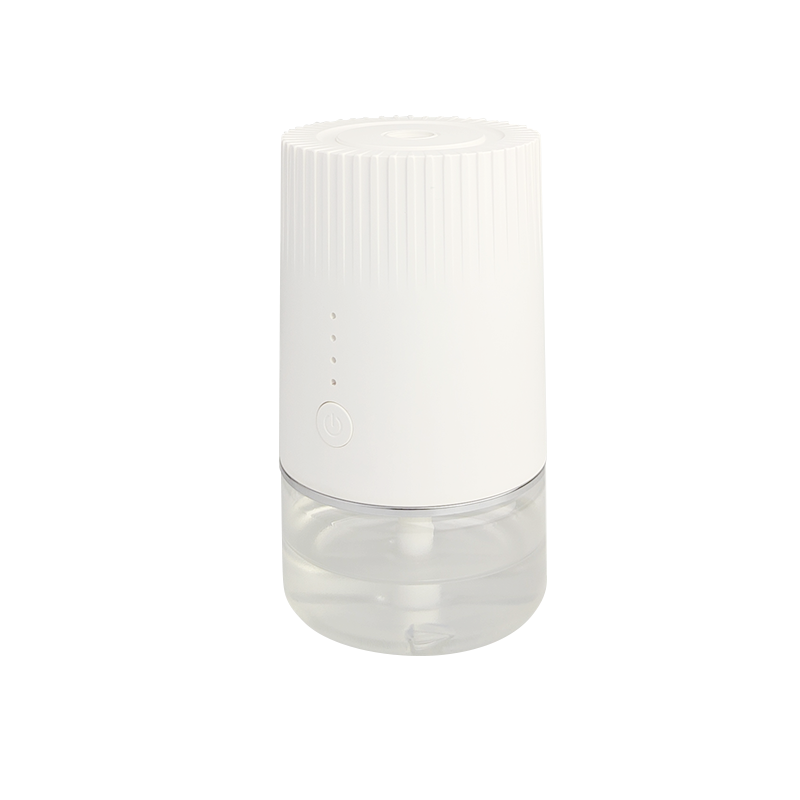 Aroma Diffuser
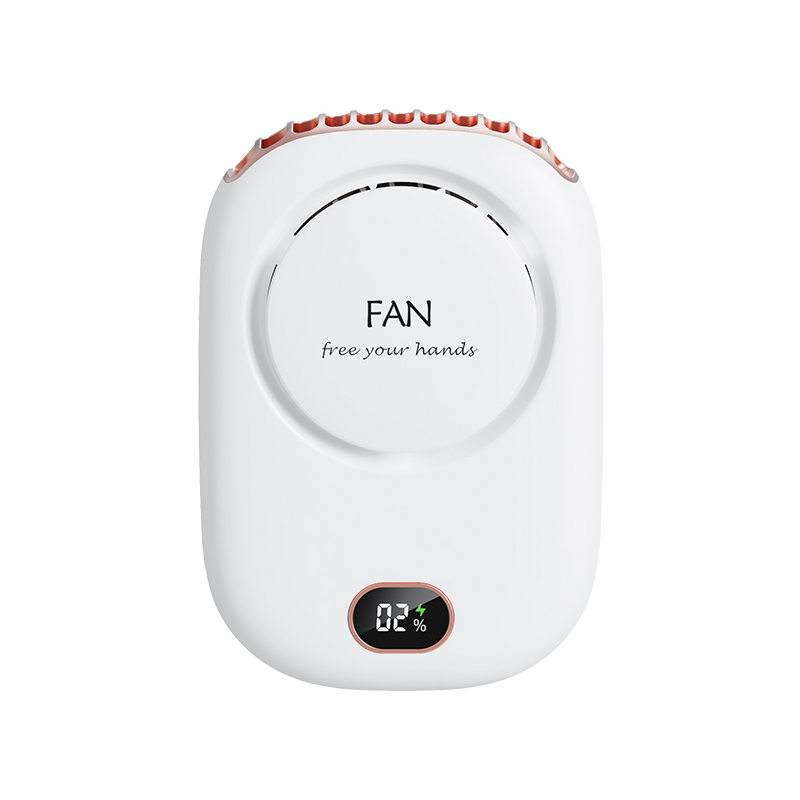 Fans
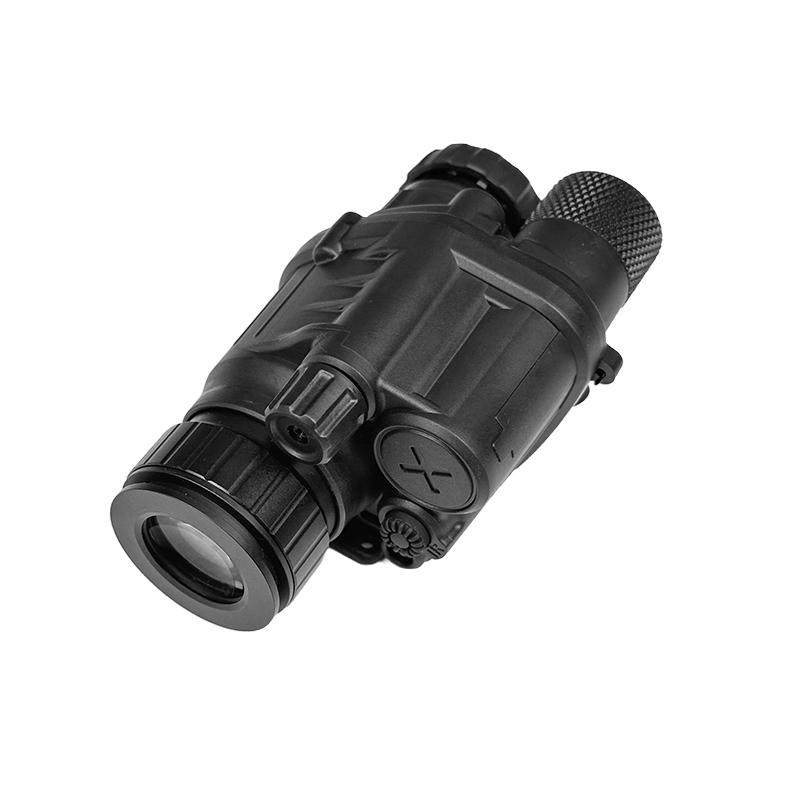 Night Vision Monocular
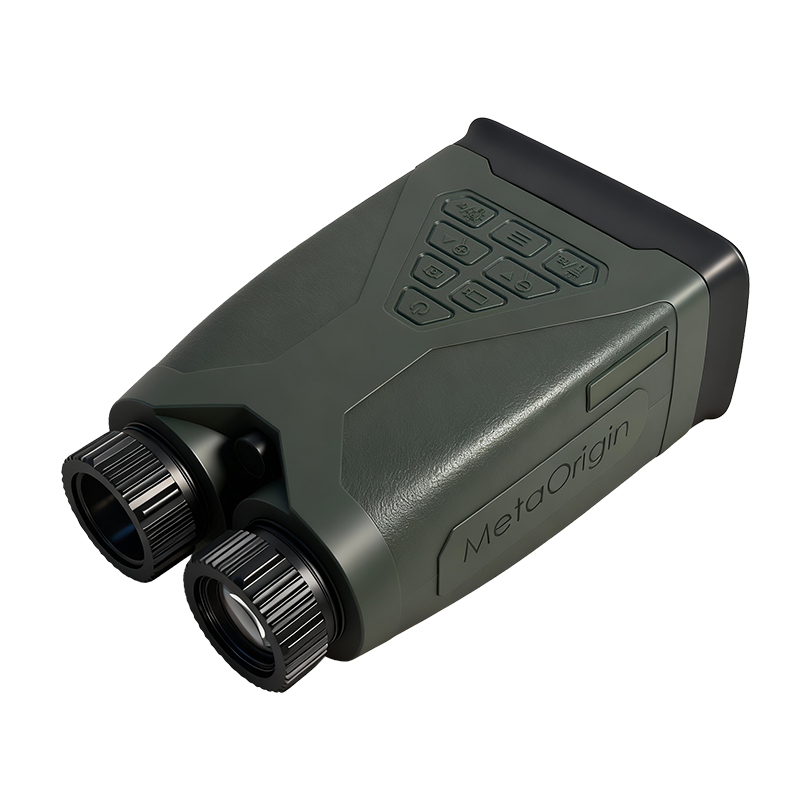 Night Vision Binoculars