 Bathroom Application
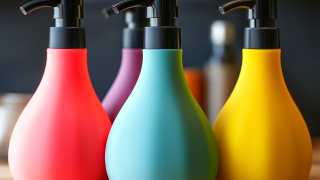
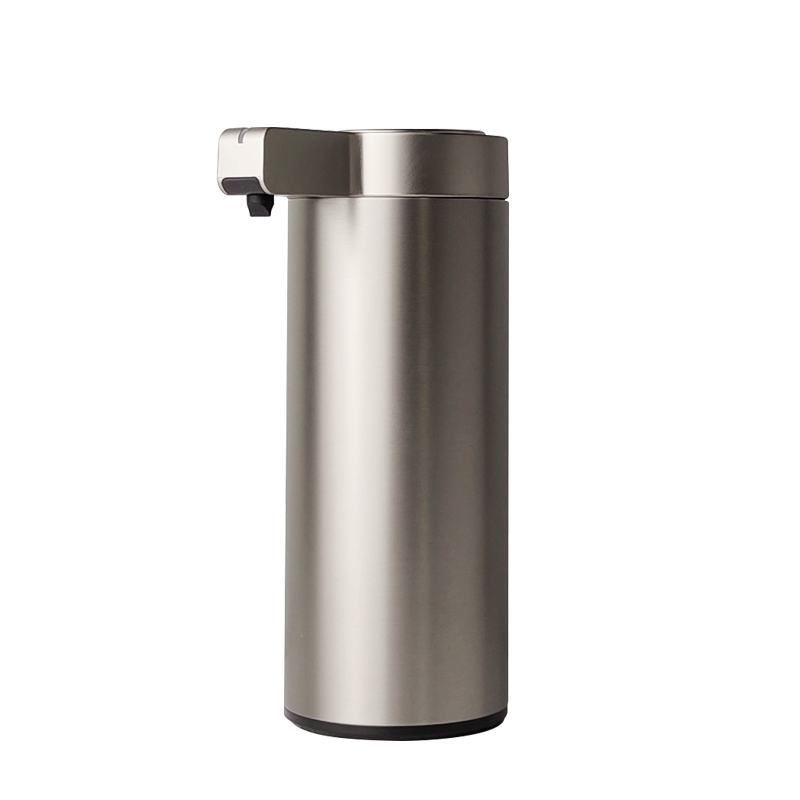 Automatic Soap Dispenser
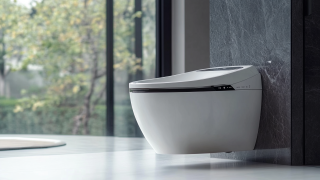
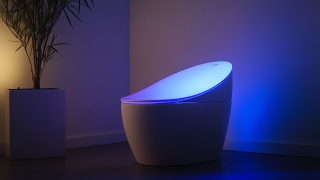
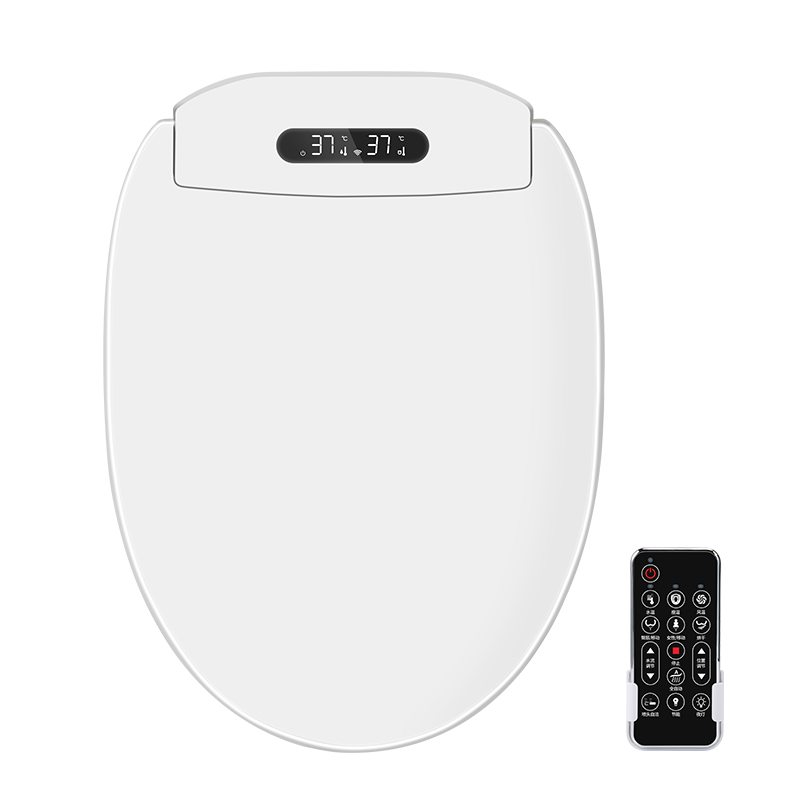 Smart Toilet Seat
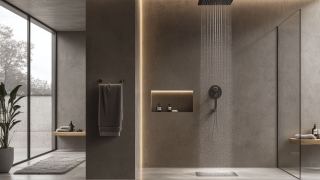
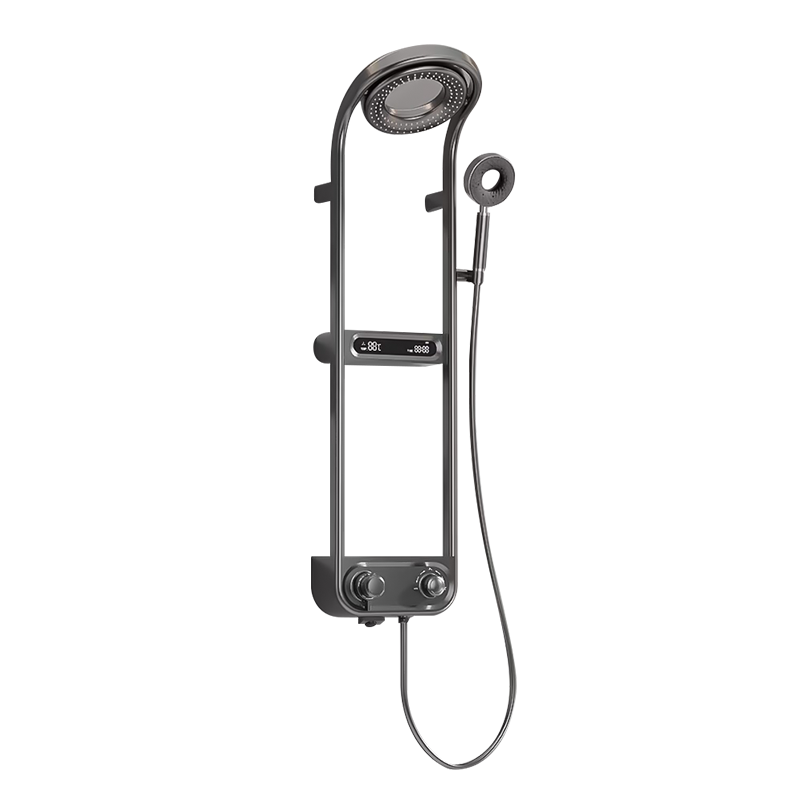 Shower Set
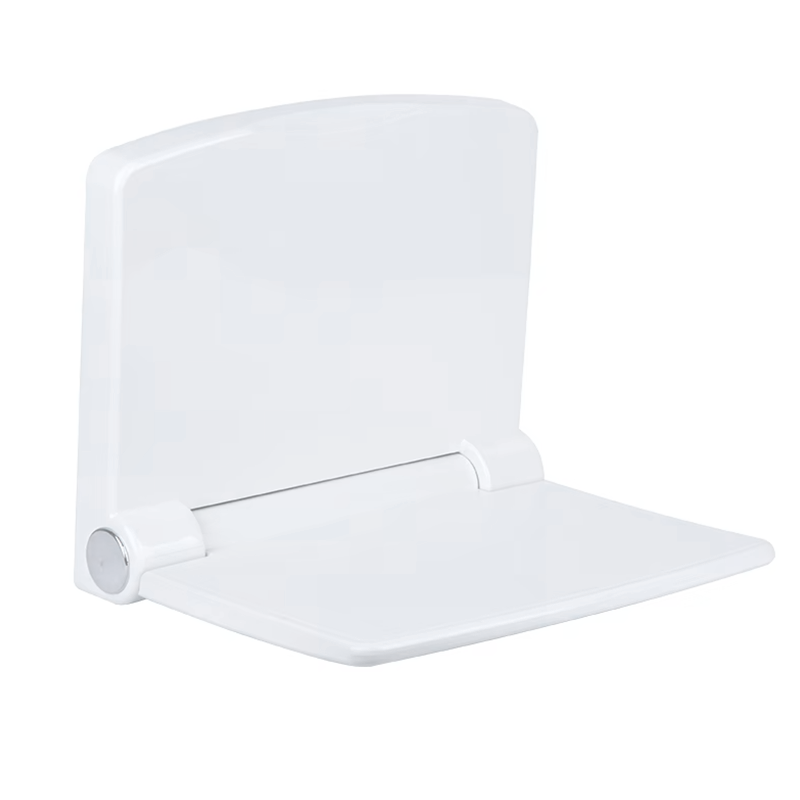 Shower Seat
 kitchen Application
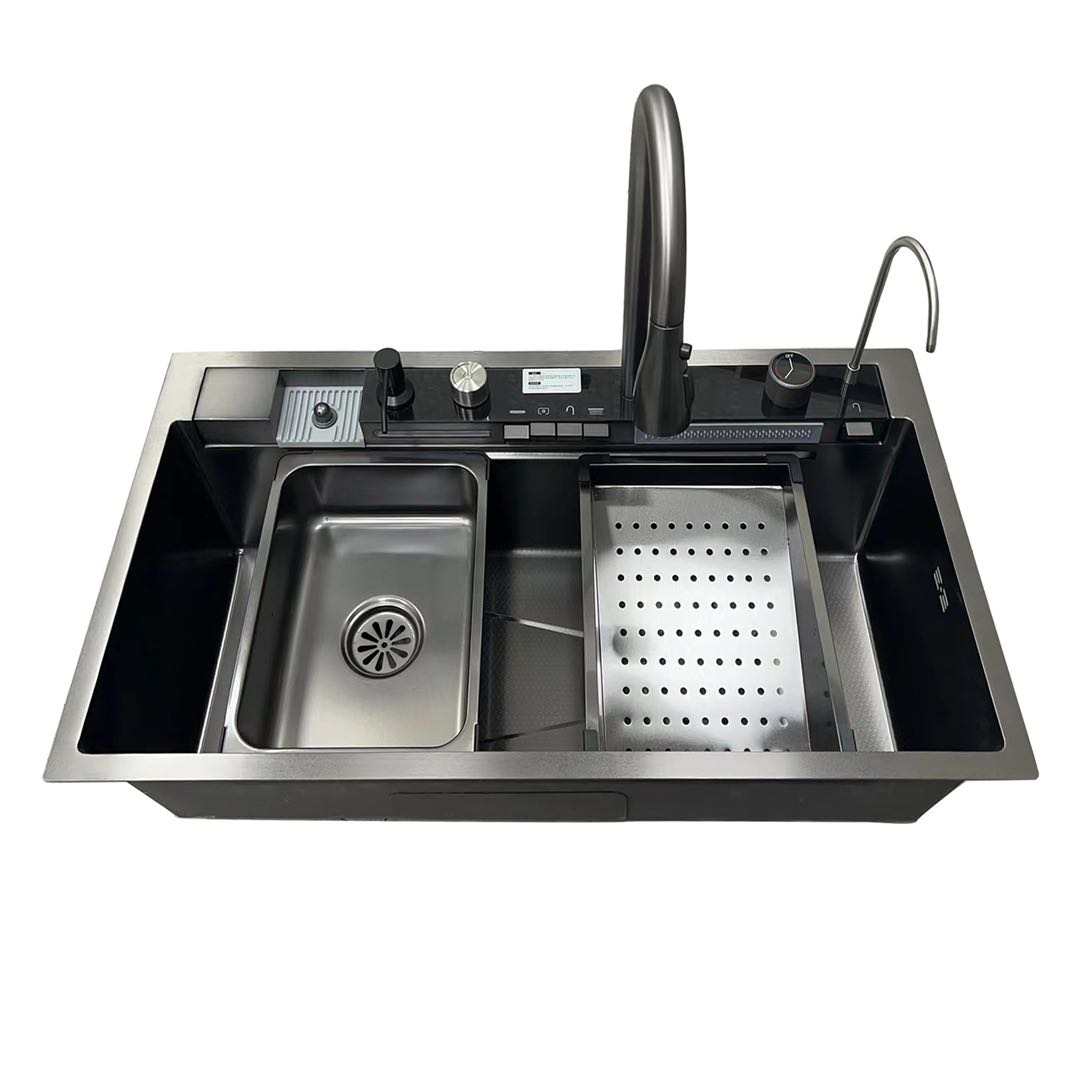 Kitchen Sink
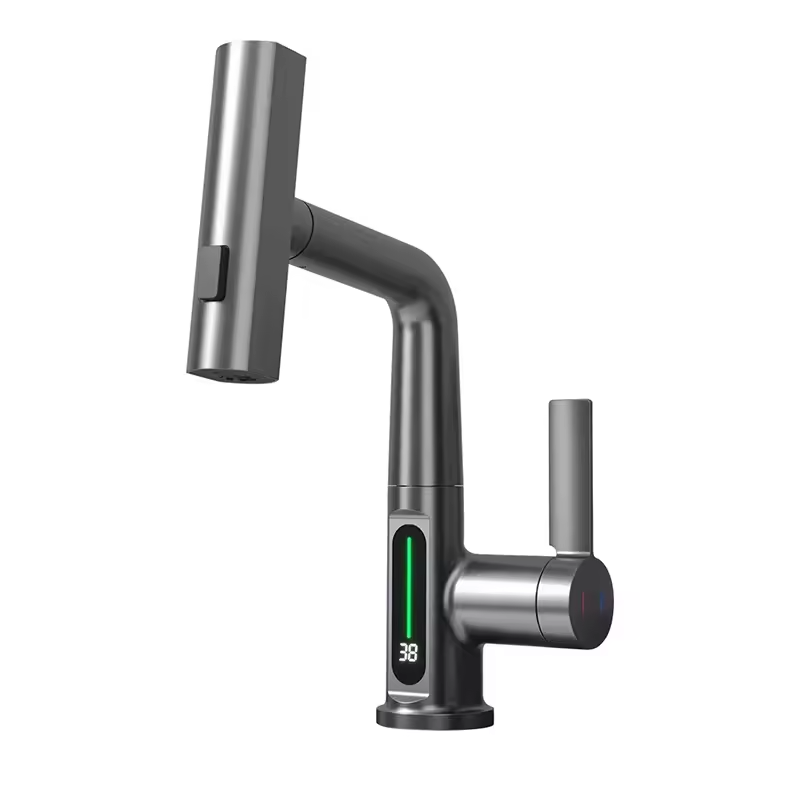 Kitchen Faucet
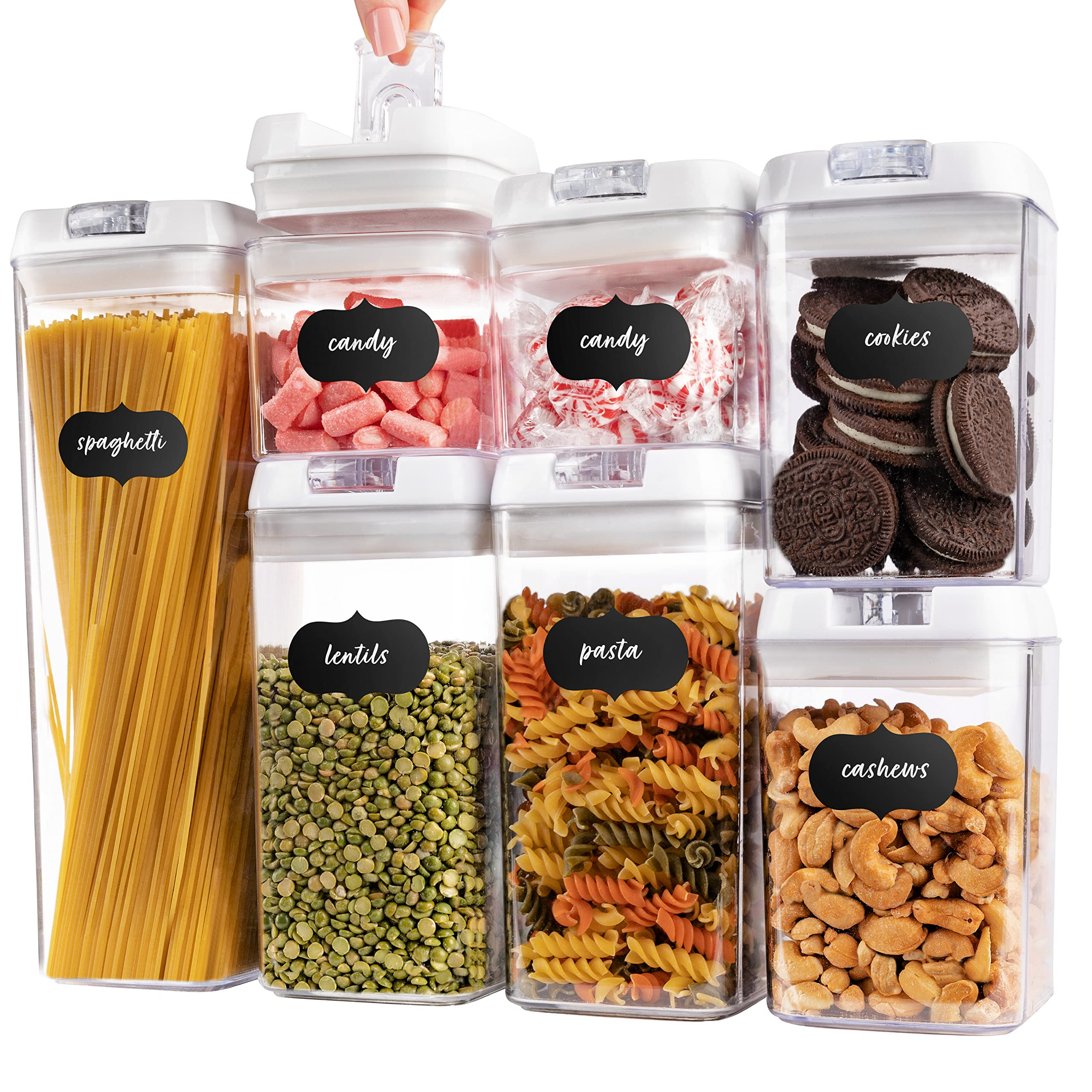 Kitchen Storage
 Home Appliance
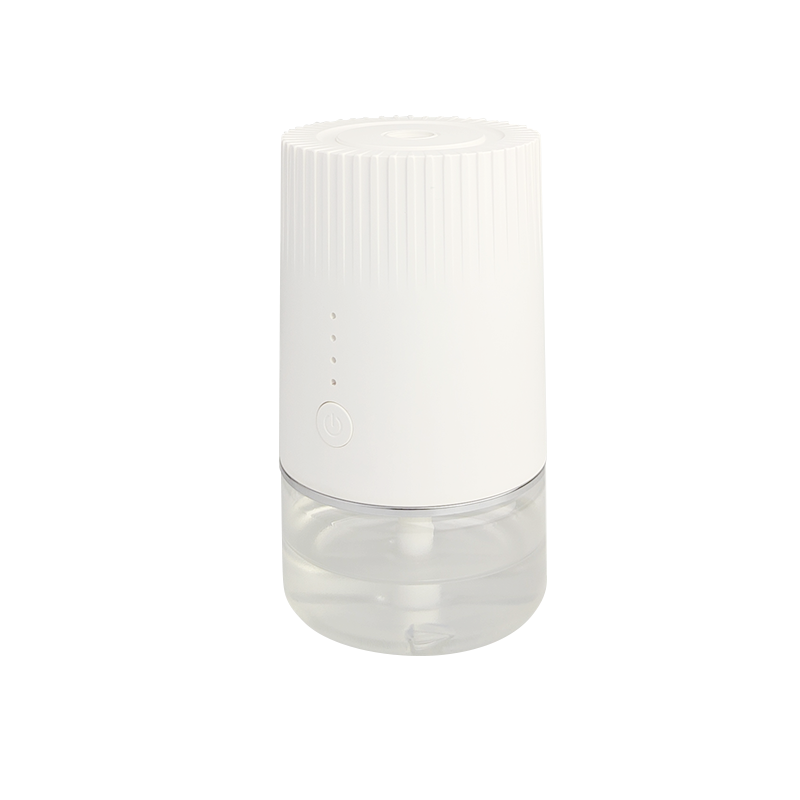 Aroma Diffuser
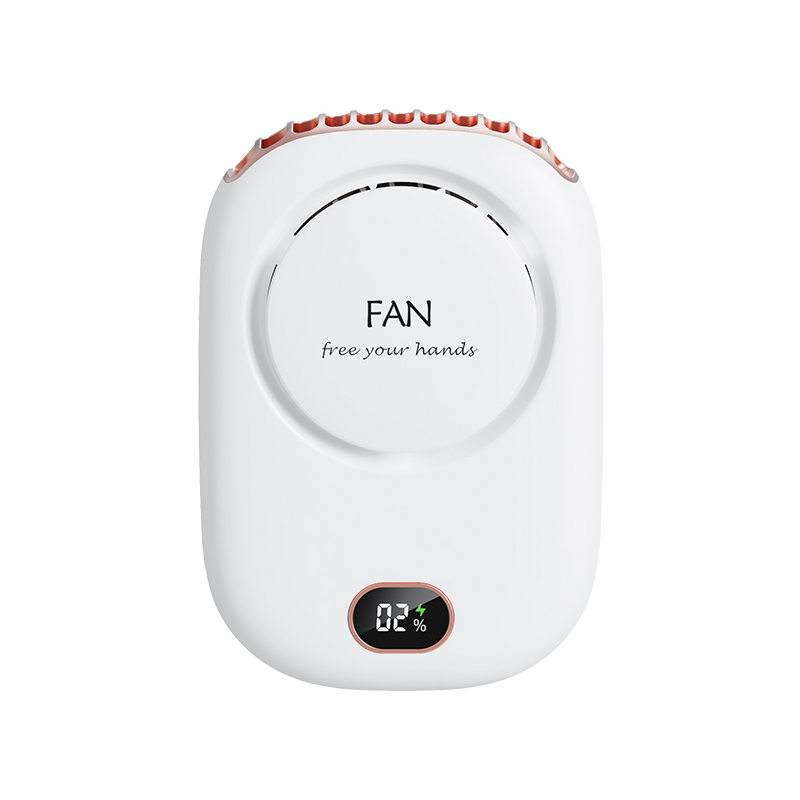 Fans
Leave Your Message
The global market for Plastic Soap Dispensers welcomes ample opportunity for growth, especially as demand for hygiene products surges with each health crisis that passes. A new industry report states that the global soap dispenser market will attain a market value of USD 1.64 billion by 2025, a rise driven mainly by increasing consumer awareness of hygiene and cleanliness. Innovations in designs and functionality in recent years have made Plastic Soap Dispensers quite popular for residential and commercial markets alike, a reflection of the growing trend toward smart and automated home solutions.
Iyinlihua Intelligent Electrical Appliances (Zhuhai) Co., Ltd. stands at the forefront of this evolution in the wake of research and development of smart home bathroom accessories. Its brand AIN LEVA is devoted to the production of state-of-the-art automatic soap dispensers that improve user experience while conforming to lifestyle demands in the present age. Drawing on its expertise and infrastructure support from its parent company, the aim of Iyinlihua is to provide innovative, high-quality products for the essential hygiene needs of consumers across the world and become the market leaders in plastic soap dispensers.
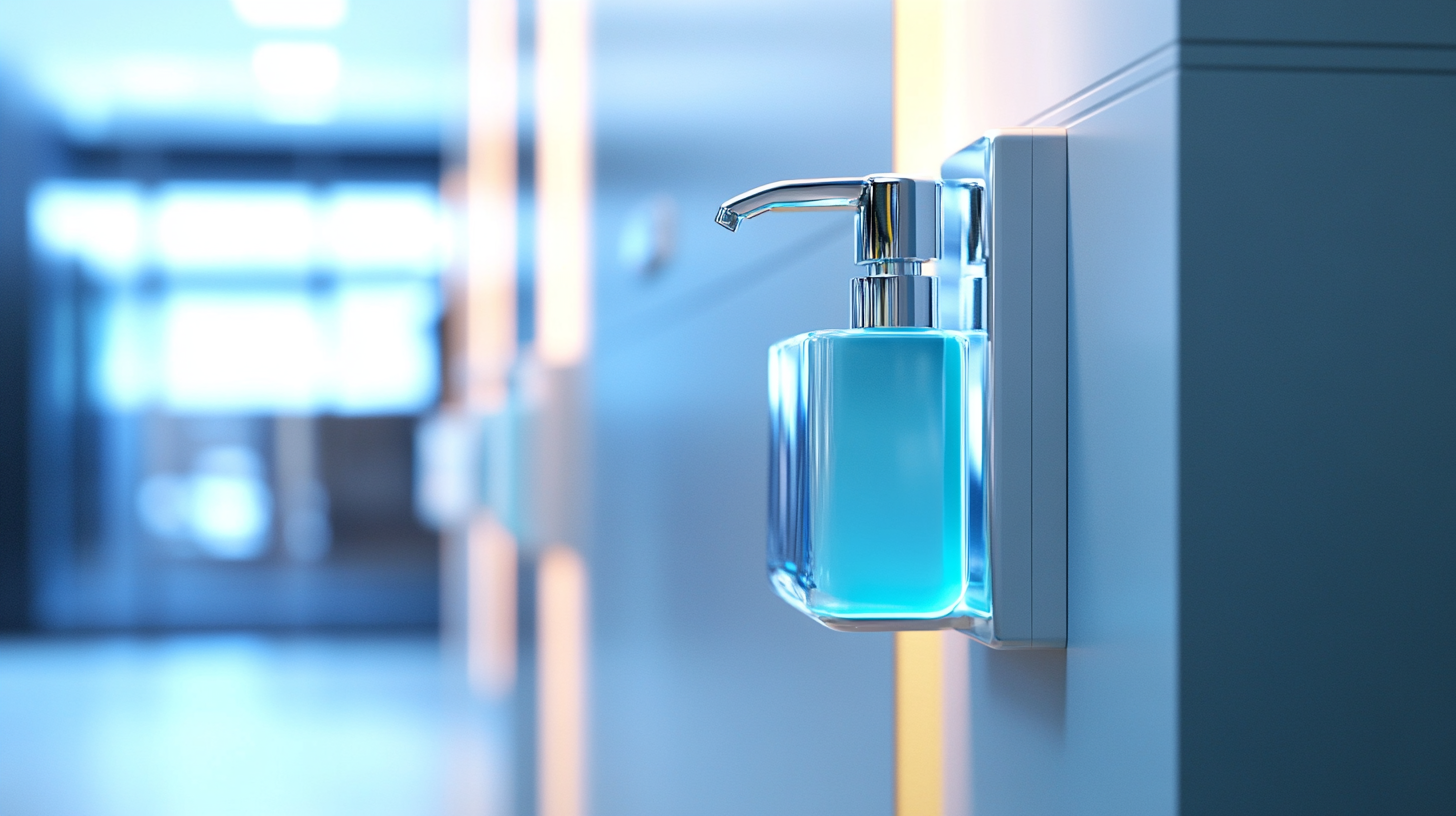
As it nears 2025 the soap dispenser market has innovative transformative design features for both functionalism and aesthetic appeal. Minimalist designs have emerged as a striking trend because they're space-saving and convenient. More dispensers are produced from sleek and even durable plastics for additional visuality and efficiency. Suited to any kind of space-whether at home, in offices, or public facilities, these new designs not only serve a purpose but also provide a neat and clean space. Emerging would be the advent of sustainable material focus. Environmental issues are at the top of consumer interests; thus, manufacturers are now innovating on biodegradable and recycled plastics into soap dispensers. Not only do these practices adhere to global sustainability ideals, but they also attract those within the eco-conscious quest for products lessening their carbon footprint. On top of that, these cutting-edge materials still achieve that high-end beautiful finish and rules of durability expected from sophisticated soap dispensers while not compromising on performance or style. Indeed, one other aspect of technology will emerge to consider in the redesign of the soap dispenser. Touchless and sensor-operated are the latest wave of dispensers used to deliver liquid soap. This method proves more hygienic and lessens contact by putting a sophisticated touch to suit contemporary designs in homes and/or offices. Passing through into 2025, we will expect to witness a mushrooming of these advanced features, making soap dispensing kitted out to be not just more efficient but also part and parcel of a healthy lifestyle.
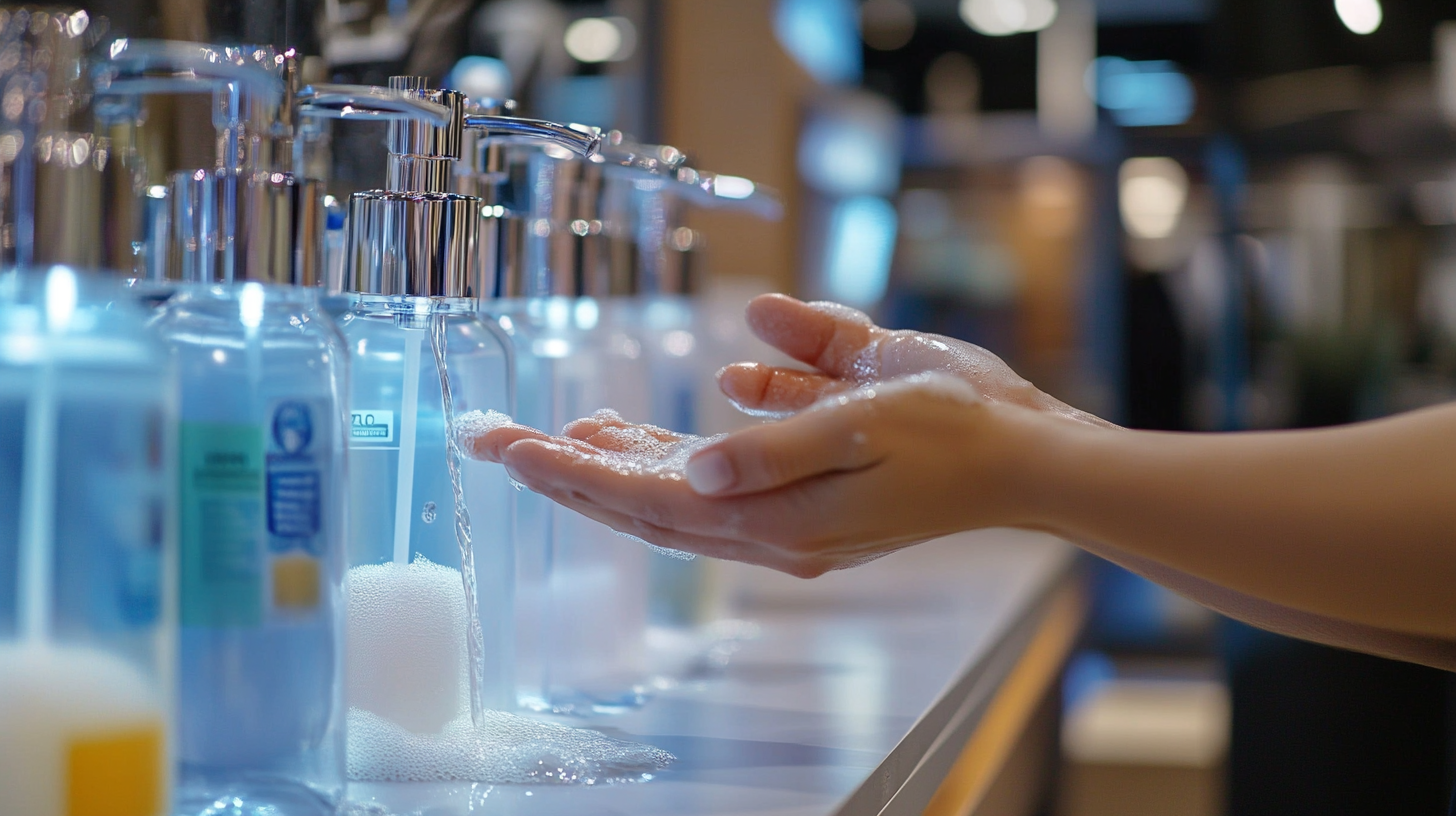
This is going to change the scenario as the demand for sustainable products, such as plastic soap dispensers, would grow higher up to 2025, and consumers would be looking for ways to replace existing products with biodegradable and recyclable materials. There will be changes in orientation about eco-friendly materials and designs coming from the very manufacturers themselves. There is a tendency that this will not be a choice for any consumer; it must be done in compliance with the specifications set by various regulatory bodies, apart from the necessity that brands have to demonstrate being a responsible corporate citizen.
As far as soap dispensers made from biodegradable materials are concerned, they are becoming more and more popular, with many cool features like ones that naturally break down after time has passed without toxic residue. Modern advances in recycling technologies also allow the construction of dispensers with recyclable plastics. Such products ensure that the materials are reused in the life cycle, with waste minimized and landfill components reduced.
There are also economic advantages to sustainable practices in manufacturing. Manufacturers who use eco-friendly components would have a wider range of clients, especially those consumers who are environmentally conscious. As the year 2025 draws closer, it becomes imperative for global buyers to pay attention to such trends emerging around the world to include their procurement sources in these sustainable options.
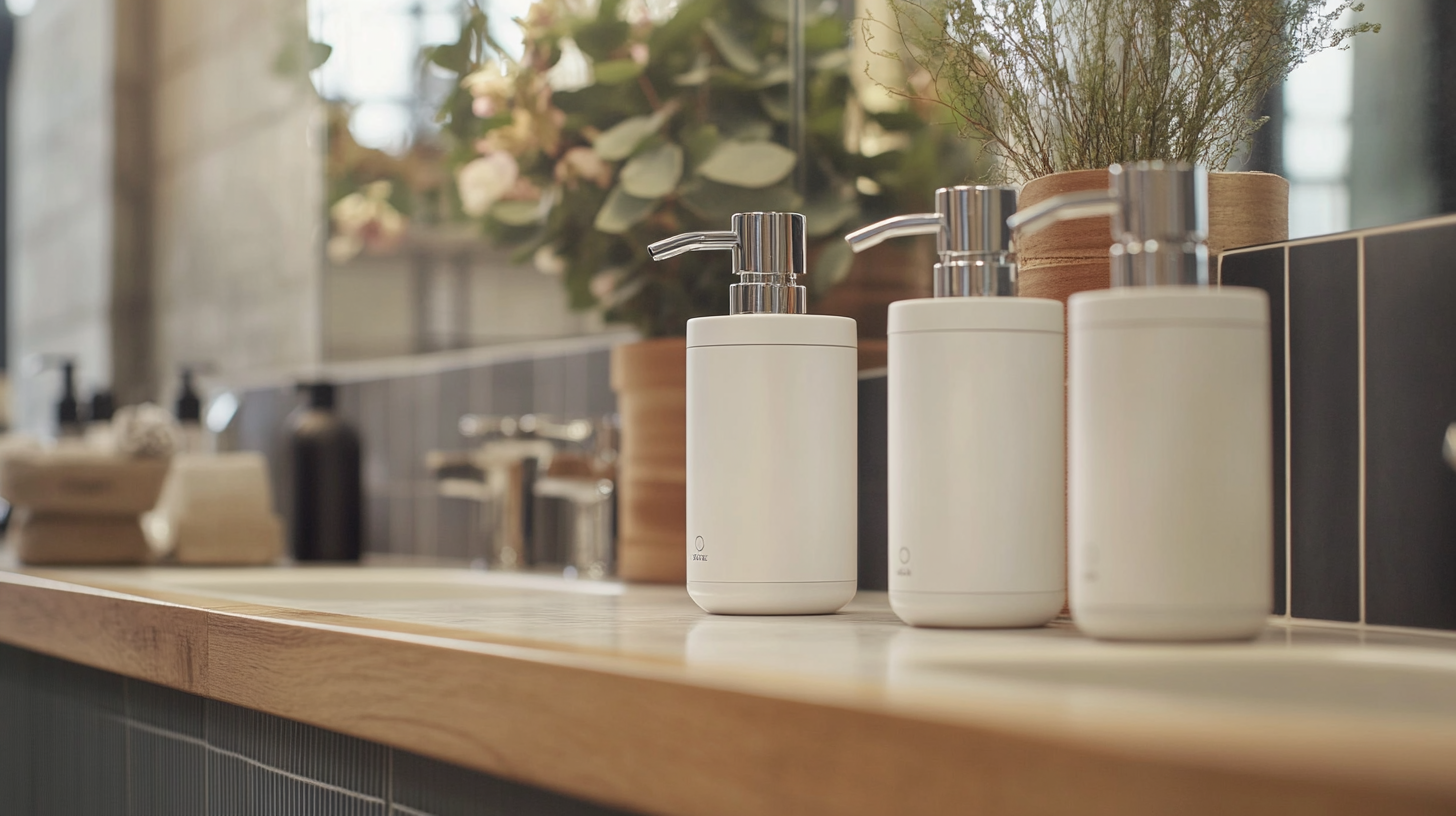
The future of plastic soap dispensers is rapidly changing with the incorporation of smart technology. There are increasing automated soap dispensers in changing commercial establishments that can come to homes as an added feature to bring convenience into a household. Most of all, it would help enhance cleanliness and increase efficiency. This machine simply uses motion sensors without any physical contact where it dispenses soaps reducing spreading germs and making it a cleaner environment. When people hear of this increasing demand for sanitation from the consumer front, it is definitely bound to increase the demand even more.
By year 2025, you may be amazed at what automated soap dispensers can do, such as touchless operation, soap dispensing options that can be customized, and even connectivity from smartphone to automated soap dispenser. Several dispensers may even connect to mobile applications to allow people real-time monitoring of soap levels and even receive notifications when refill is due. It is a type of monitoring that ensures, at all times, ready soap at hand and also helps businesses manage their inventory more efficiently by waste reduction while saving costs.
The design of these dispensers is progressing as well by adapting modern aesthetics in their functionality. These types of great effects are generally sleek and minimalist, with strong plastic materials that the consumers demand between looking good and being utilitarian. New material types and technology will give innovative space free to manufacturers to design in such a way that hygiene is ensured in all its spaces-from public restrooms to luxurious homes- soap dispensers become a part of the user experience.
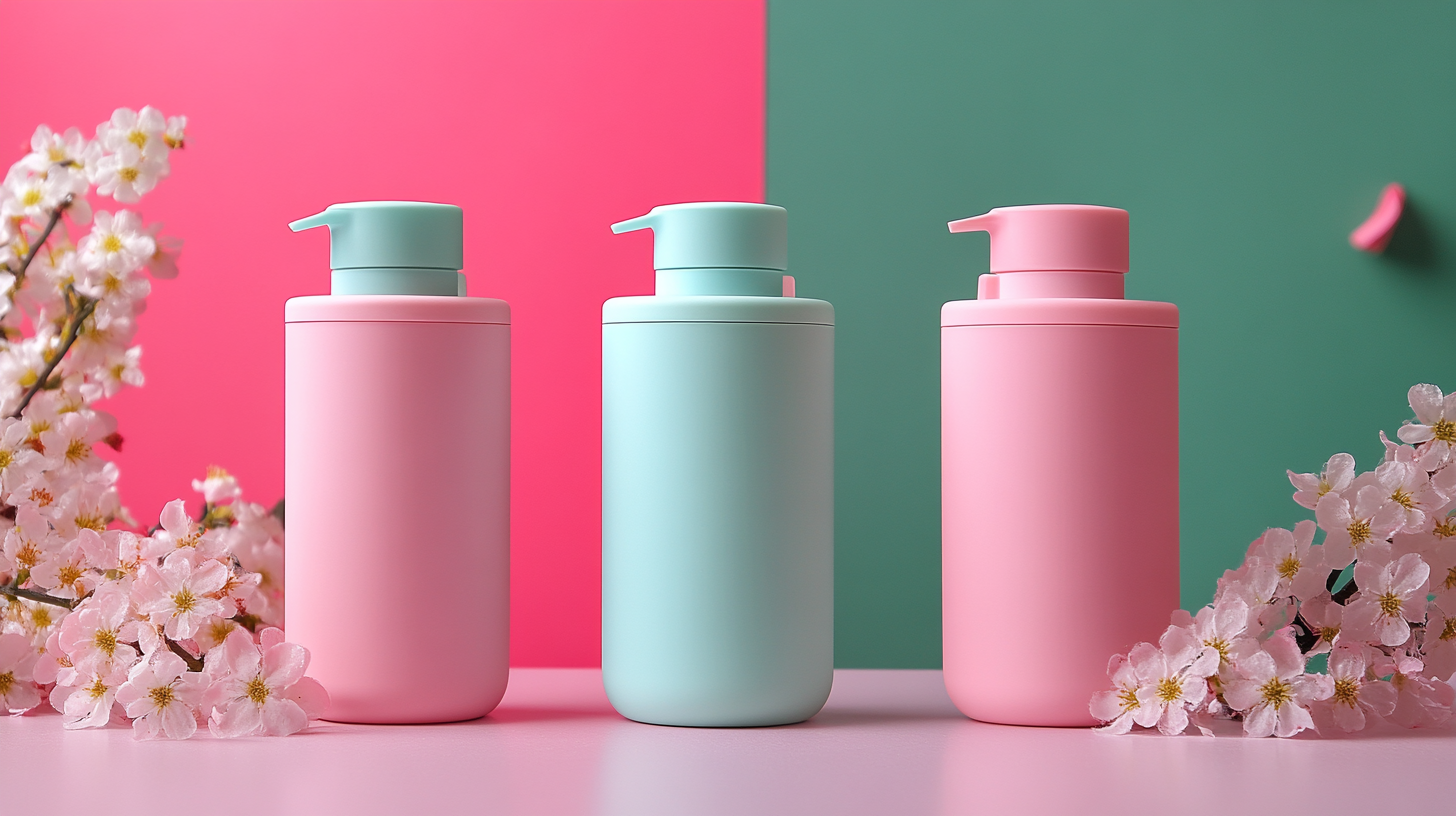
Understanding consumer preferences will help buyers navigate the 2025 landscape for plastic soap dispensers as the market adapts. This change is evident in an increasing demand for the stylish, eco-friendly and functional designs now occupying the consumer consciousness. Buyers want dispensers that create an aesthetically pleasing environment and maintain hygiene and ease of use.
Equally important in marketing are the innovations in material and function. Consumers are moving toward dispensers of high-quality recycled plastics that lessen environmental effect and appeal to that segment of eco-conscious buyers. Features such as touch-free dispensing systems and custom designs are beginning to resonate, meaning that convenience and personalization are both valued in buying decisions.
To remain relevant in this dynamic market, global buyers must simultaneously pay attention to these consumer preferences and trends. Functionality, sustainability, and modern appearance should drive profit and customer loyalty in a highly competitive landscape. The position of the businesses will become more critical in managing the evolving consumer expectation by providing the right products to the market in 2025.
At the verge of entering the year 2025, the plastic soap dispenser market is undergoing some major changes because of shifts in global sourcing and manufacturing practices. The development of the industry continues amidst some debates concerning sustainability factors and regulations governing plastic use. Therefore, consumers will have to undergo a transition into a world where biodegradable and recyclable materials are not only preferred but most often made compulsory, as manufacturers have to innovate and rethink their production techniques. Increased complexities within the supply chain have been further accentuated due to nationalized industry challenges and the very current legacy of pandemic impact.
Companies are reviewing their sourcing approaches now, with many resorting to local suppliers to ease risks from disruptions to international logistics. To balance costs with environmental effects, manufacturers are constantly pushing into this direction via lean production adoption and streamlining of their operations. In such circumstances, global buyers will only be confined to using such technology in future with the emerging manufacturing efficiencies. Automation and smart manufacturing are rapidly becoming standard-in production lines: shorter lead times and improved quality control. Recognition of such will be useful for buyers in sourcing decisions while keeping in mind both market needs and corporate sustainability objectives.
The emerging awareness regarding health and hygiene leads to a higher demand for soap dispensers as we edge closer to 2025. With growing sanitation awareness, consumers' demands extend beyond mere cleanliness and include overall user experience and others solutions. The effects of these trends are also projected in the overall growth of various dispensation market projections; for instance, the global pump and dispenser market is expected to rise from USD 9.7 billion in 2025 to USD 14.8 billion by 2035, highlighting robust interest in products catering to hygiene needs.
Dispenser innovation, as expected, has also hit the headlines. Kraft Heinz's introduction of HEINZ REMIX™, an IoT-enabled customizable sauce dispenser, shows how close technology has come to the consumers' convenience. Which is quite in sync with the expectations of the modern-day buyer but, more importantly, also appears to be a trend moving to a customizable solution across the dispenser families. Thus, it is also quite likely for increased demand to be witnessed in the future for hygienic dispensers, like an automatic soap dispenser.
The growth forecasted for the beverage dispenser market is astounding; it is from USD 5.2 billion in 2022 to USD 9.1 billion by 2032, which represents a compound annual growth rate (CAGR) of 5.9%. This is showing the evolution of the market as far the convenience and hygiene need being raised by the consumers are met when it comes to food and beverage service setups. As industry players innovate to enhance their portfolios toward emerging trends, so shall the demand for the unique dispensations keep flourishing through health and hygiene up to 2025 and beyond.
Soap dispensers in plastics have now become a talking point when it comes to forming aesthetics within the dynamic consumer goods marketplace. As more and more customers seek products that functionally serve a purpose while complementing their home decorations, tastes in colors and styles are subject to dramatic changes. Accordingly, in 2025, I foresee an increased interest in the use of vibrant colors for making a strong statement and expressing personal individuality. Colors like green, coral, and earth colors would rule the scene, thus letting the dispensers fade into plain walls or shout for attention in an audacious way.
Minimalism's thrust continues; thus, dispensers that are credible yet too sleek and mean-looking are gaining the nod; these are being lapped by cleaner-than-clean consumers. Advances in designing would like to include texture. Building character in the finish, adding metallic accentuations is perhaps a way of offering sophistication without being overpowering visually. In the phase of rising consciousness regarding the environment, much attention shall be awarded to styles that will bring recycled materials in the market in a refined look that bolts together natural policy with ultra-modern extras.
In the immediate future, the next dimension, intelligent technology, will shape tastes for soap dispensers to a large extent. The dispenser will touch the world of sensors and refill-indicators; these mean touches of technology that cater handsomely to the lifestyle over-loaded with and depending on gadgets. The focus on personalization and intelligent design, then, emerges as central to directing clients the way towards the future of soap dispenser units: they are remarkably stylish and at the same time practical.
COVID-19 Pandemic indeed put lifestyle changes in the type of hygiene-related products, especially soap dispensers. With hand hygiene considered most important in preventing the further spread of the virus, both commercially and residentially, the demand for innovative and efficient soap dispensers has increased manifold. One of the most talked-about changes during this period in hygiene practice is going touchless. Touchless soap dispensers involve a desire from conveniences to reduce infections with hygiene everyday practices.
Still, soap dispensers now go much further to accommodate the increased health and safety demands in their design and functioning. Switching to materials much easier to keep clean and boasting antimicrobial properties are concerns increasingly drawing many manufacturers. This not only aids in cleanliness but also leads to a surge in marketability as consumers grow even more aware of the hygienic implications of their purchases. Given that buyers will be trying to find options in 2025, designs with sustainability such as recyclable materials or refillable systems inserted into the product's final creation will likely take their place at the top of the list.
Commercial spaces are characterized by an increased flow of foot traffic, thus needing really tough and really beautiful sanitary solutions in terms of soap dispenser. There would be those beautiful, chic modern designs that fit into contemporary interiors; others could have a smart technology installed that would follow how often the product is consumed and when it should be refilled for the future of a soap dispenser will be functional as well as aesthetic. Aspiring for that better post-pandemic world, global buyers will have to keep tracking these trends when making health-conscious yet consumer-preferred buying decisions.
Plastic product laws are increasingly made stricter all around the globe. Soap dispensers are no exception to the new evolving regulatory landscape. By 2025, all countries across the globe will have to wild attention towards new laws that promote cutting down the plastic content and, above all, alternative ennobling diets. Many countries are forming a consequence of stricter guidelines limiting single-use plastics; some even have recyclability and biodegradability requirements for manufacturers. Clearly, things have changed on product existence and promises.
These regulatory changes are an impetus toward innovation for the entire industry. Thus, soap dispensing units manufacturers will have to revolutionize products. Some companies can adopt new designs with sustainable materials, which would eventually lead to dispensers that iterate the use of non-plastic or recycled materials. In addition to these, refillable options and intelligent dispensing systems are in high demand from now on as they are expected to comply with many consumer environmental needs and new regulatory requirements. Buyers must catch up with these developments because their place will be greatly altered in terms of supply chain decisions and consumer behavior.
It is important that all global buyers understand the effect that these regulatory changes will have as we move to 2025. Partnering with manufacturers that comply with and are dedicated to sustainability will mitigate risks of noncompliance while enhancing brand equity. Businesses that invest in eco-friendly products and practices will also play a part in creating a circular economy for consumers who are becoming more and more conscious.
Looking at 2025, thus giving away a lot for the plastic soap dispenser market to change due to consumer acceptance and regulatory changes. As plastic processing machinery grows from $23.57 billion in 2025 to $34.62 billion by 2032, this indicates that the demand for innovative plastic solutions is on the rise. This is significant, with a growth rate of 5.6%, which itself is representative of a wider trend wherein buyers are actively seeking products meeting the advancing health and environmental standards.
With increased awareness of plastic pollution, many countries have initiated tighter restrictions on single-use non-biodegradable plastics. This transition catalyzes the development of compostable and biodegradable alternatives to plastics, particularly with the consumer goods segment such as packaging and soap dispensers. As global consumers become conscious of health and eco-performance, sustainable materials will not just enhance brand reputation but will also fulfill the market demand ever since.
The concept of integrating intelligent packaging solutions within soap dispensers provides exciting development opportunities for the buyers. The introduction of sustainable designs that are easy to operate and decrease plastic waste while increasing consumer convenience can also be a major attraction for eco-aware buyers. The companies that align themselves with these trends will benefit from the opportunities ahead in a shifting market in the years to come.
Consumers are prioritizing stylish, sustainable, and user-friendly designs, with a focus on aesthetic value, hygiene, and ease of use.
There is a growing demand for dispensers made from high-quality recycled plastics, appealing to eco-conscious buyers looking to reduce environmental impact.
Features like touchless dispensing systems and customizable designs are gaining popularity, highlighting consumers' value for convenience and personalization.
The rising focus on health and hygiene is significantly influencing demand, as consumers seek solutions that promote cleanliness and enhance user experience.
The global pump and dispenser market is expected to rise from USD 9.7 billion in 2025 to USD 14.8 billion by 2035.
Innovations like Kraft Heinz's HEINZ REMIX™, an IoT-enabled customizable sauce dispenser, represent the merging of technology with consumer convenience, aligning with modern buyer expectations.
The beverage dispenser market is projected to grow from USD 5.2 billion in 2022 to USD 9.1 billion by 2032, with a compound annual growth rate (CAGR) of 5.9%.
As consumers become more health-conscious, there is an increasing demand for dispensers that emphasize hygiene, such as automatic soap dispensers.
Companies should prioritize functionality, sustainability, and modern aesthetics to align their product offerings with evolving consumer expectations.
Industry players are expanding their offerings to meet consumer demand for convenience and hygiene, with a focus on innovative dispenser solutions.